NewGet @surreal_traveler's full report

instagram analytics
Similar Accounts:
instagram analytics
Similar Accounts:
followers
96.6K
impressions
14.1M
likes
751K
comments
21.0K
posts
96
engagement
5.47%
emv
$496K
Average per post
147K
Key Metrics
Impressions
monthly
Distributions
Content
3.32M
215K
5.02K
6mo ago

surreal_traveler
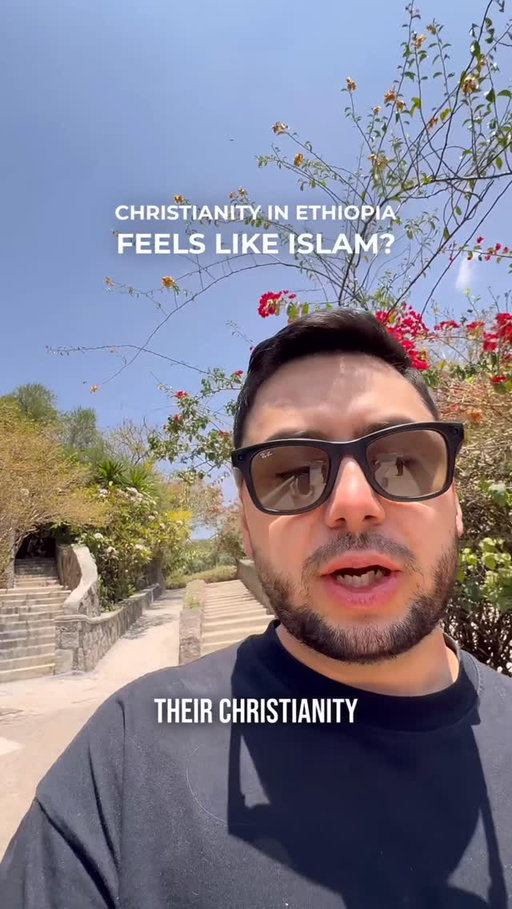
I just want to make a few points here. First, I’m just a Westerner. I am Christian myself, and I have spent a lot of time in Muslim-majority countries. We practice Christianity differently in the West, so when we go to a Muslim-majority country and see devout practitioners, it naturally looks different to us. I don’t want to be disrespectful to the pride and identity of Ethiopian Christians by saying this is more of a Muslim practice because, to them, this is all they know.
Second, I also know that in Islamic theology, all the prophets have been considered Muslim, which probably reinforces the idea that this has always been the way. So, I also don’t want to cause division by saying that Muslims copy the Ethiopians. I just want to share this from my own perspective—as a traveler—and I respect all faiths.
#Ethiopia #ethiopian #christian #islam
892K
58.1K
271
9mo ago
surreal_traveler
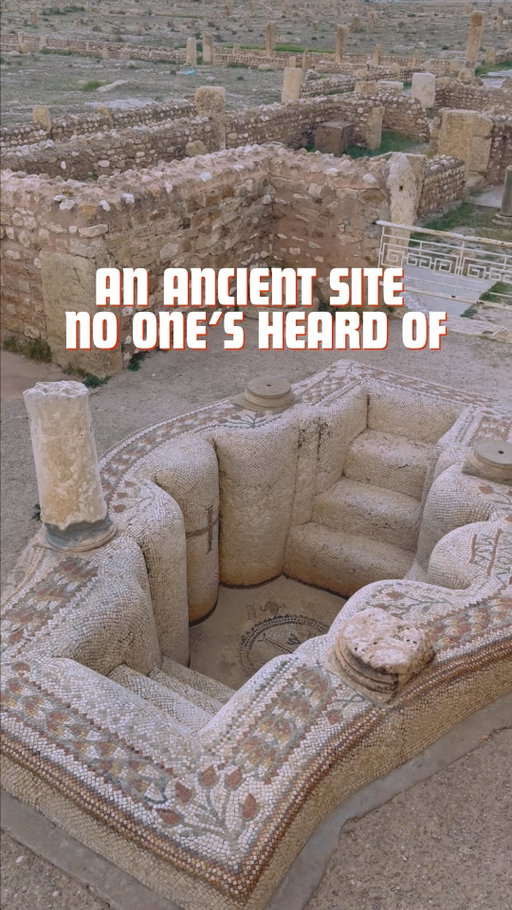
This is one of the most quietly extraordinary ancient sites in the Mediterranean — so overlooked that you can often walk its streets completely alone. There are few places where history feels this open, this untouched, and this close.
Here, rare pagan temples still rise almost exactly as they were built, preserved in a way that feels almost unreal. Just steps away stand the remains of one of the early Christian centers of antiquity — baptisteries, basilicas, and mosaics so well preserved they feel suspended in time. Rather than one belief erasing another, faiths layered themselves into the stone.
This city was once wealthy and influential, flourishing under Roman rule through the olive oil trade that linked North Africa to the wider empire. Later, it became a major Byzantine center, adapting as power shifted across the region. When Islam spread through North Africa, the city fell under Muslim rule and was slowly abandoned rather than destroyed, left to the elements instead of violence.
Today, most visitors to Tunisia never make it here, and that silence is part of its power. Sufetula — modern-day Sbeitla — is not crowded, polished, or commercial. It is wide, quiet, and deeply human. A place where you can walk alone through centuries of belief, trade, and transformation, feeling the weight of history without distraction — and wondering how somewhere so important could still remain unseen.
#Tunisia #roman #history #christian #muslim #byzantine #baptism
701K
31.9K
545
11mo ago
surreal_traveler
This is an underrated story
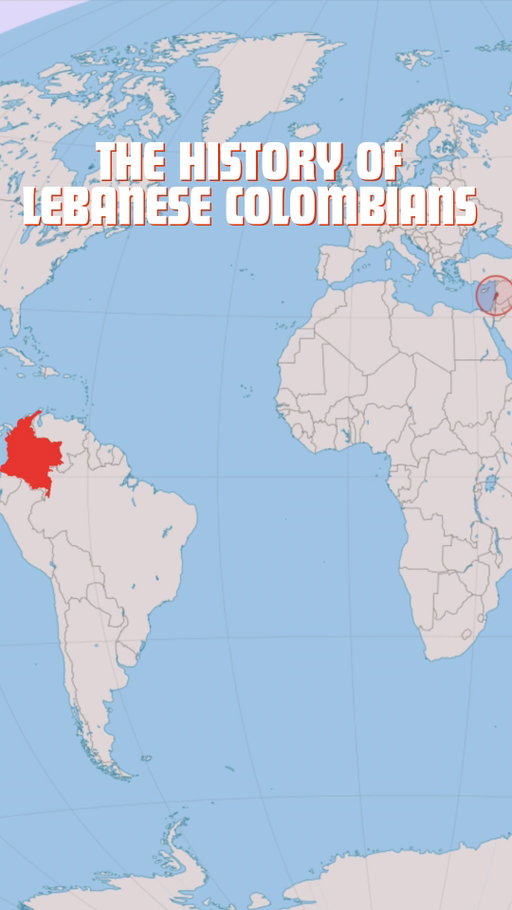
Most people don’t realize this, but Colombia has a huge Lebanese history. In the late 1800s and early 1900s, Colombia welcomed Lebanese families fleeing the Ottoman Empire after turmoil hit the region. With underdeveloped coastal cities, Colombia saw this as an opportunity. Lebanese migrants had a reputation as skilled traders who could build strong commercial networks, and that’s exactly what they did.
They mainly settled in Colombia’s coastal cities like Cartagena, Barranquilla, and Santa Marta. Locals called them “Turcos” because of their Ottoman passports, a misnomer since they were Arabic-speaking and largely came from Maronite Christian backgrounds.
Estimates suggest that 30–40,000 arrived initially, but over time and generations, this community blended deeply into society. Today, between one to three million Colombians are said to have Lebanese ancestry.
Notable Lebanese Colombians include Julio Mario Santo Domingo, who controlled Bavaria, Colombia’s major beer company, along with El Espectador, one of Colombia’s major newspapers, and Caracol Televisión. Lebanese-descended president Julio César Turbay Ayala also reached the nation’s highest office.
And of course, the most famous of all — Shakira.
#lebanon #colombia #lebanese #maronite #shakira #barranquilla #cartagena
639K
27.0K
238
7mo ago
surreal_traveler
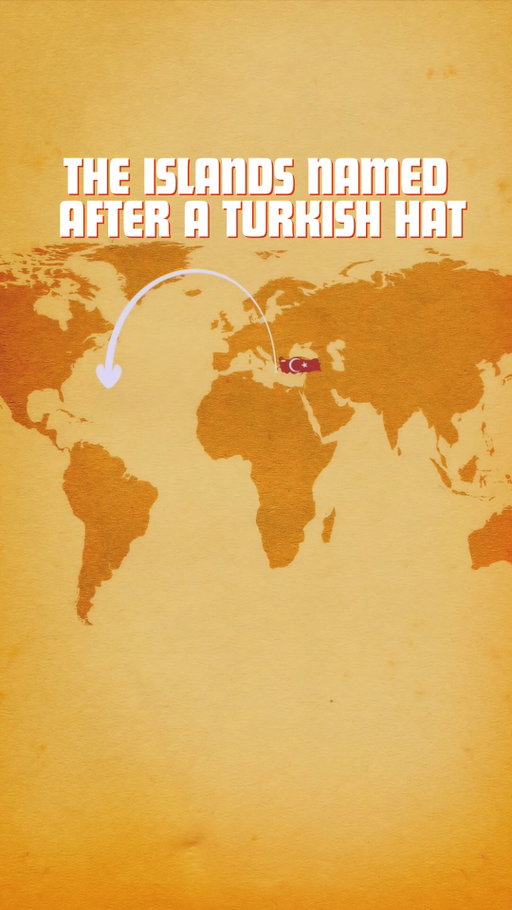
Why are these islands in the middle of the Atlantic called Turks and Caicos despite having no connection to Turkish people living there?
It's possible that even Turks themselves are unaware of this origin. The Turks and Caicos Islands are a British Overseas Territory situated southeast of the Bahamas, comprising approximately 40,000 to 45,000 residents.
They are renowned for their pristine beaches and vivid turquoise waters that attract tourists worldwide. But how did they come to be called the Turks Islands? Interestingly, the name derives from a type of cactus called Melocactus intortus, commonly known as the Turk’s head cactus.
Early sailors observing this cactus noted its distinctive red, helmet-shaped crown that resembled an Ottoman fez, a traditional hat that signified identity and social status within the Ottoman Empire.
Due to this resemblance, sailors began referring to the group of islands as the Turks Islands, and the name persisted. The term "Caicos" originates from the indigenous Lucayan Taino language, specifically from the phrase "caya hico," meaning "a string of islands".
Can you think of other regions or countries around the world with similarly interesting naming histories?
#türkiye #türk #ottoman #turksandcaicos #turkey🇹🇷
494K
17.3K
826
11mo ago
surreal_traveler
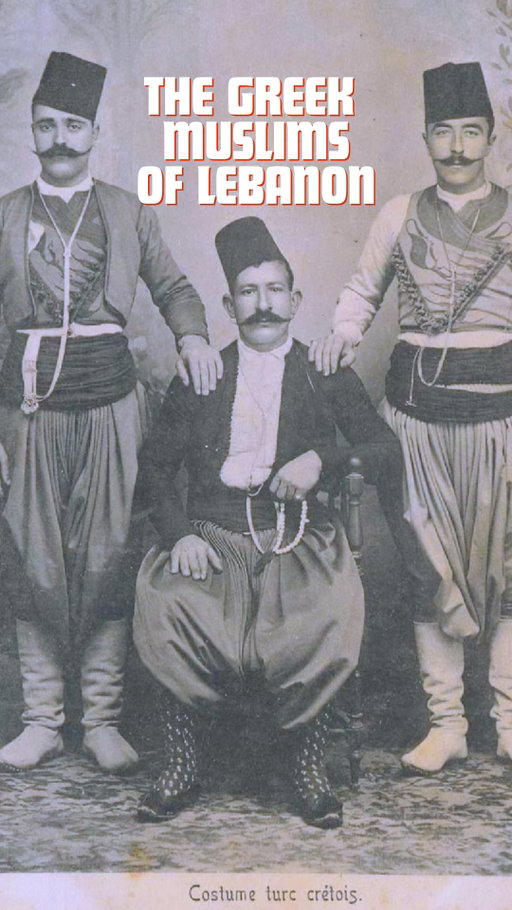
This is Tripoli, Lebanon’s second-largest city, and this is Al-Mina — a seaside neighborhood with a story few have heard of.
In 1897, as the island of Crete moved toward union with Greece, thousands of Muslim Cretans — Greek-speaking families who had converted to Islam generations earlier — suddenly found themselves in danger. As political unrest swept the island, many lost their homes and livelihoods. The Ottoman Empire stepped in, helping them relocate across its remaining territories in the Levant.
Many of these families arrived in Tripoli, settling in Al-Mina, the city’s old port. They built homes by the sea, opened shops in its narrow alleys, and founded small mosques that still stand today. For decades, older generations continued speaking their Cretan Greek dialect at home, while younger ones grew up with Arabic — blending two worlds into one identity.
More than a century later, their numbers remain small — just a few thousand — but their story is still told in Al-Mina’s streets. It’s a quiet reminder that Lebanon has always been a crossroads of cultures, where people from distant lands came to start over and became part of its living history.
#Lebanon #crete #greek #muslim #tripoli #lebanese #lebanon🇱🇧
472K
12.1K
762
5mo ago
surreal_traveler
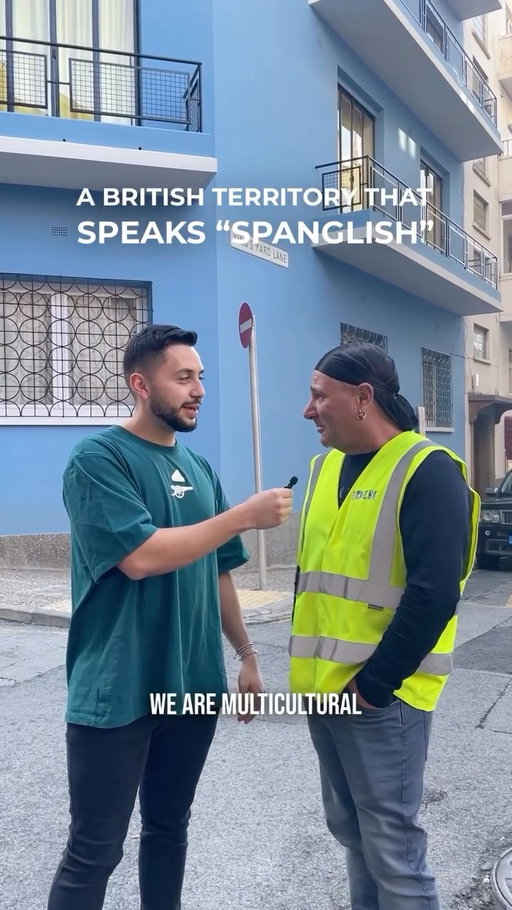
Gibraltar spans just 6.7 square kilometers yet carries outsized geopolitical weight. Dominated by the Rock of Gibraltar, it overlooks the Strait of Gibraltar linking the Atlantic and Mediterranean, with Africa visible on clear days.
A British Overseas Territory since 1713, Gibraltar governs itself internally while the United Kingdom controls defense and foreign policy. Its border with Spain—adjacent to the city of La Línea de la Concepción—is one of Europe’s most unusual frontiers. On a typical weekday, around 15,000 people cross between Spain and Gibraltar, many commuting for work, creating long queues that shape daily life and the local economy.
Language reflects this hybridity. English is the official language, but Spanish is widely spoken, often merging into Llanito, a local dialect mixing Andalusian Spanish with English vocabulary and expressions.
On Main Street, British symbols—red phone boxes, pubs, police uniforms—sit alongside Mediterranean habits and rhythms. Above, the Upper Rock hosts Barbary macaques, the only wild monkeys in Europe, reinforcing Gibraltar’s distinct identity.
#spanish #english #llanito #spanglish #gibraltar
404K
29.2K
460
4mo ago
surreal_traveler
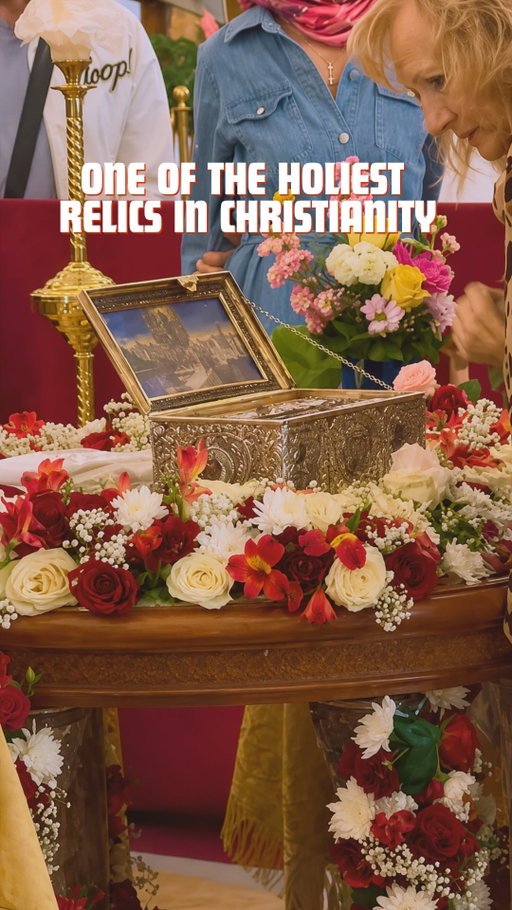
This is one of the holiest relics in Christianity.
For the first time in more than six hundred years, the Honorable Belt of the Virgin Mary has returned to Belgrade, Serbia.
According to Orthodox tradition, the belt was given by Mary to the Apostle Thomas after her Assumption. Known as the Holy Cincture, it has long been linked to miracles, healing, and prayers for families.
The relic was eventually brought to the Vatopedi Monastery on Mount Athos in Greece, where it is normally kept today. The monastery rarely allows it to leave except for major pilgrimages.
Now, thousands are gathering in Serbia to witness it.
The Church of Saint Sava in Belgrade is open twenty-four hours a day until May 29 as crowds line up to venerate the relic and receive blessed ribbons connected to the Holy Belt.
The Church of Saint Sava, one of the world’s largest Orthodox churches, stands on the site where the relics of Saint Sava were burned by the Ottoman Empire. Many Serbian faithful describe the arrival of the Holy Belt as a deeply emotional moment.
For many Orthodox Christians, this is not just history.
It is a living connection to one of the most sacred figures in Christianity.
#christian #christianity #virginmary #serbia #belgrade

313K
14.8K
317
8mo ago
surreal_traveler
Did you know India is home to a tiny group that still practices one of the world’s most ancient religions? I’m talking about the Parsees, followers of Zoroastrianism, the state religion of ancient Persia. Today, only about 60,000 remain in India. Parsee is a term typically used in India for the Zoroastrians who originally arrived over a thousand years ago after the Islamic conquest of the Sassanid Persian Empire. They settled along India’s western coast, especially Gujarat, and later becoming more influential in Mumbai. Their faith is guided by its simple principle: good thoughts, good words, good deeds. They worship one god, Ahura Mazda, but are not Abrahamic. They treat fire, earth, and water as sacred symbols of purity, and that belief is why fire is central to the religion. In fire temples, some flames, like the one in Udvada, have burned continuously for over 1,300 years. They neither bury or cremate their dead. Today, their numbers remain low, especially because of their strict endogamy, but their influence has been quite important, producing people in India such as the Tata family, Homi Bhabha, who’s a nuclear physicist, and even Freddie Mercury.
#India #persia #gujarat #mumbai #indian #parsi #zoroastrian
280K
19.1K
219
10mo ago
surreal_traveler
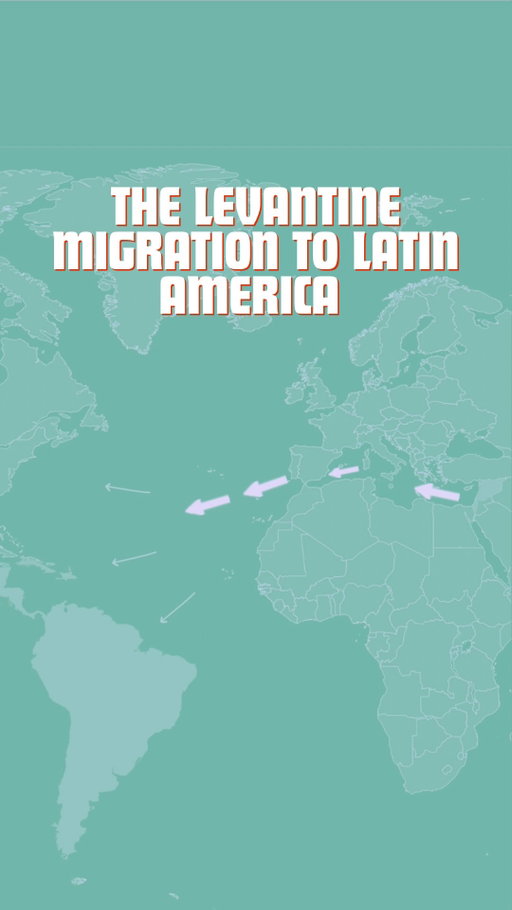
Levantine migration happened in several stages, shaped by various economic, imperial, and global reasons, rather than just one big wave.
1. Causes of early migration: Mid-1800s economic collapse in Mount Lebanon after the silk industry failed prompted villages to look for work outside. In Syria’s big cities, traditional trade routes were upset by European industrial goods flooding the markets. Families in Palestine relied on craft skills like olive-wood carving to cope with economic stagnation under Ottoman rule.
2. Christian migration came before Muslim migration: Christians had easier access to European consulates through missionary schools, foreign passports, and protection. They faced less military pressure because Muslims were more involved in Ottoman military service. The first migration wave was mainly Christian.
Muslim migration picked up after WWI, when the Ottoman Empire fell, borders changed, and French rule in Syria–Lebanon caused instability, higher taxes, and new conflicts.
3. Latin America’s openness: By the early 1900s, Europe preferred factory workers over merchants, and U.S. immigration policies limited “Asiatics,” often including Ottomans. Latin American countries actively encouraged immigration to boost their populations. Many Levantines thrived as merchants—running shops, trading, selling textiles, and crafts.
4. Different profiles in various countries: Brazil attracted Lebanese families during São Paulo’s textile boom. Argentina, especially in the northwest, had strong Syrian merchant networks. Chile became a hub for Palestinian migrants from Bethlehem, Beit Jala, and Beit Sahour, who built a very influential diaspora.
5. The nickname “Turcos”: Latin Americans called them Turcos because they carried Ottoman passports, not because they were ethnically Turkish.
6. Today’s legacy: Levantine families have built major businesses, cultural centers, and political dynasties. Many well-known figures have Levantine roots—including presidents like Bukele and Menem, global icons like Shakira and Salma Hayek, and Chilean-Palestinian pioneer Miguel Littín.
#Lebanon #palestine #latinamerica #syria #damascus #bethlehem #mountlebanon
274K
8.24K
414
3mo ago
surreal_traveler
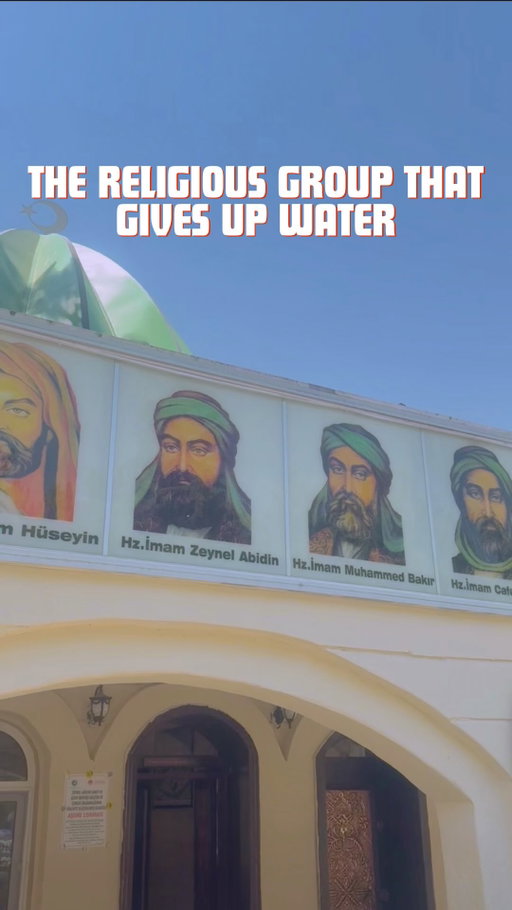
A little-known group with an admirable tradition
The Alevis are a distinct religious minority primarily originating from Türkiye, known for their rich cultural and spiritual traditions.
Their fast occurs during Muharram, the first month of the Islamic lunar calendar, a period marked by profound remembrance among Muslims of the martyrdom of Imam Hussein, the grandson of Prophet Muhammad, at the Battle of Karbala in 680 CE.
Ashura, the tenth day of Muharram, holds special significance: Sunni Muslims often observe it by performing voluntary fasting on this day, while Shia Muslims honor Imam Hussein’s sacrifice through widespread public mourning ceremonies, including processions and recitations.
The Alevi community’s observance differs markedly. They undertake a rigorous twelve-day fast, during which many avoid consuming even a single drop of plain water throughout the entire period, including after sunset, to emulate the intense thirst experienced by Imam Hussein and his family during their captivity.
In addition to abstaining from food and water, Alevis refrain from eating meat, shaving, engaging in celebrations, and causing harm to any living creature, emphasizing discipline and spiritual reflection. Instead of public processions, Alevis gather in sacred communal spaces called Cemevis, where they sing spiritual hymns (nefes) accompanied by the bağlama, a traditional stringed instrument integral to their rituals and regional musical heritage.
The fast concludes on the thirteenth day with a communal sharing of aşure, a sweet pudding made from a mixture of grains, fruits, and nuts, symbolizing survival, unity, and hope. This observance exemplifies their deep spiritual connection, community bonds, and cultural resilience.
#alevis #sunni #muslim #karbala #muharram
252K
8.02K
295
1mo ago
surreal_traveler
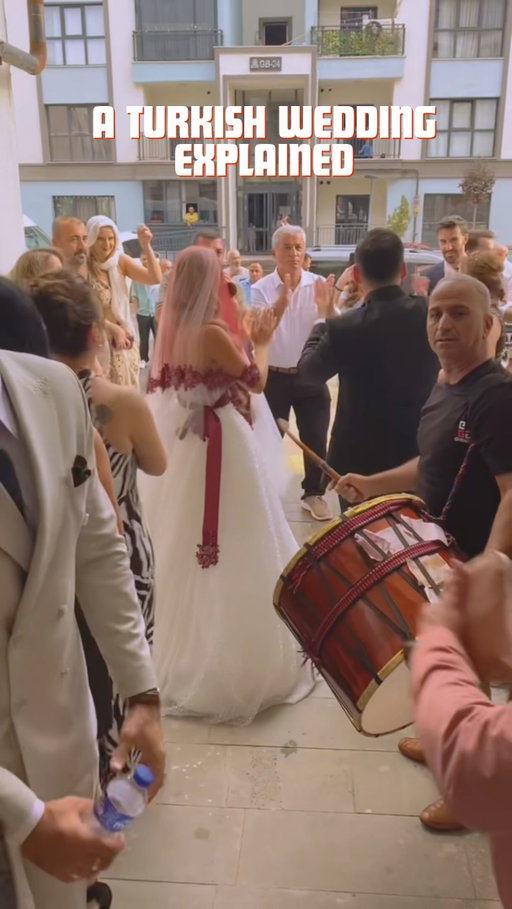
I married in Türkiye, and as a Colombian American, I got to experience some of the country’s most unique wedding traditions firsthand.
It started with gelin alma, when the groom arrives at the bride’s family home with family and friends, accompanied by loud Turkish drums and music, to pick up his bride.
But before I could enter, my wife’s sister blocked the way and demanded money. This playful negotiation is called kapı tutma, and apparently, there’s no getting the bride without paying up!
When I finally entered, my wife was waiting in a traditional red veil and embroidered belt, symbolizing love and purity. We then left in a decorated limousine as neighbors cheered and our wedding convoy honked through the streets.
At the venue, we started with a slow dance before everyone joined in for traditional Turkish dances like çiftetelli and halay.
Then came takı merasimi, where family and friends gave us gold and money to wish us luck as newlyweds.
We also celebrated kına gecesi, or henna night, filled with traditional clothing, henna, singing, and dancing. My wife also smashed a clay testi, a tradition meant to bring good fortune and ward off bad luck.
Turkish weddings are truly nonstop celebrations of family, tradition, music, and dance.
#Wedding #turkishwedding #turkish #turkishculture #turkey🇹🇷
249K
9.82K
203
12mo ago
surreal_traveler
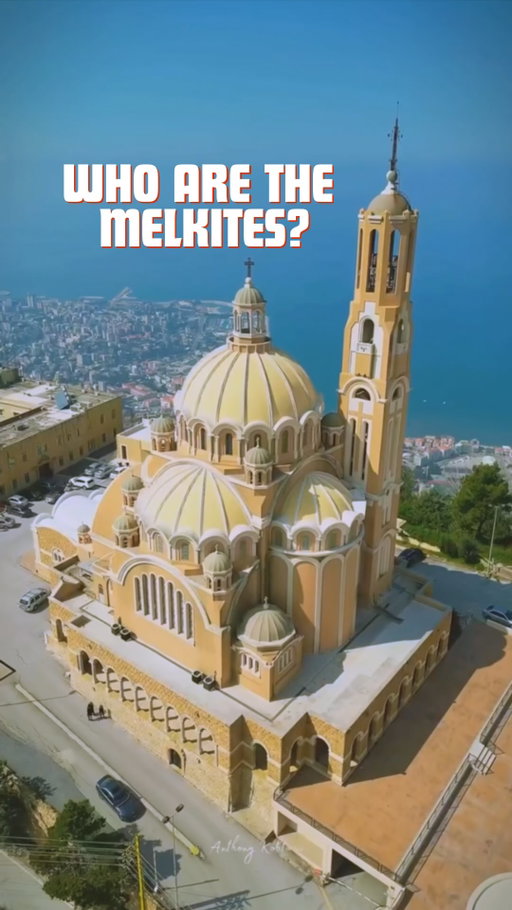
This could be one of the most overlooked Christian communities — one that I had never even heard of until I visited Lebanon.
While walking through the streets of Beirut, I came across a church belonging to the Melkite Greek Catholics. At first glance, it looked like any other Eastern church, but I soon learned that this group represents a unique bridge between Eastern and Western Christianity.
So what makes them different?
They follow the same liturgy and rituals as the Greek Orthodox Church, yet they recognize the authority of the Pope in Rome. In other words, their worship is Eastern, but their faith is Catholic. It’s a blend you won’t find anywhere else in the Christian world — one that embodies both Byzantine spirituality and Roman communion.
The word Melkite comes from the Syriac and Arabic term “Malka,” meaning “of the king.” It originally referred to those who remained loyal to the Byzantine emperor and his faith during the early centuries of Christianity. Ironically, centuries later, some of their descendants would shift allegiance — not to the emperor, but to the Pope — officially joining the Catholic Church in the 18th century while keeping their Byzantine liturgy, vestments, and traditions.
Over time, the Melkites transitioned from using Greek to Arabic in their services, reflecting the culture and language of the region. Yet, they still preserve the richness of the Eastern chants, icons, and rituals that make their churches feel distinctly Byzantine.
If you want to see one of their most beautiful churches, head to Harissa, a hilltop town overlooking the Mediterranean. There, just across from the famous shrine of Our Lady of Lebanon, stands the Basilica of Saint Paul, belonging to the Melkite Greek Catholics. Its golden mosaics and domed architecture make it one of the most striking examples of Eastern Christian art in Lebanon — a perfect symbol of the harmony between ancient Byzantine faith and modern Catholic identity.
#lebanon #catholic #greekorthodox #melkite #beirut #lebanese #christian
245K
16.2K
815
9mo ago
surreal_traveler
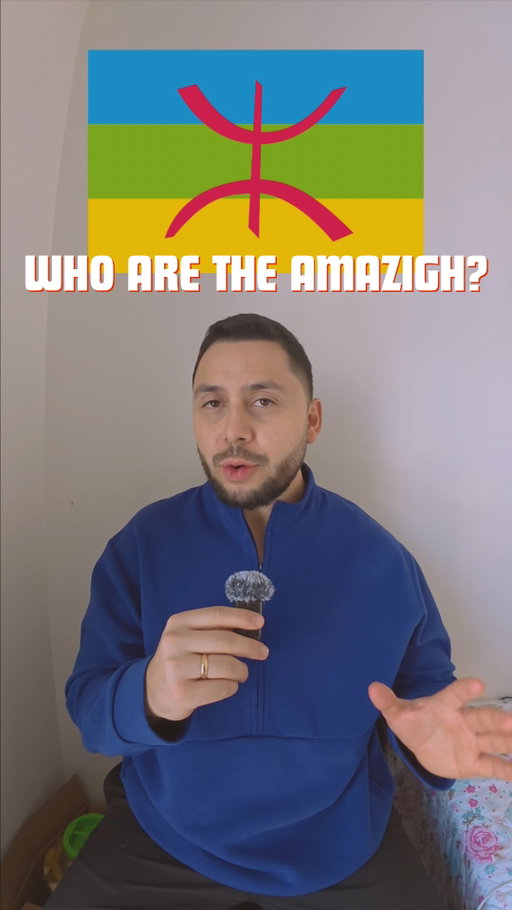
Who are the natives of North Africa?
This region is often labeled as Arab, but the indigenous Amazigh people are rarely discussed. As someone from the western hemisphere, I can tell you that if you ask about the Amazigh, many will look confused.
Let me clarify: the Amazigh, also known as Berbers, are the original inhabitants of North Africa, with their name meaning "free people." They existed long before the Romans, Arabs, and Europeans, and have historically lived across present-day Morocco, Algeria, Tunisia, Libya, and Egypt, and deep into the Sahara.
Their language, Tamazight, is a collection of ancient languages still spoken by approximately 30 to 40 million people and is written in the Tifinagh script. You might recognize their most iconic symbol, which stands for Amazigh identity and freedom. Amazigh culture significantly influences North African identity, often subtly, primarily through food.
For example, couscous, widely recognized today, originates from the Amazigh. Traditional dishes like tagine and various breads made from couscous or semolina highlight their culinary legacy. Despite the region's labeling as Arab, it is fundamentally rooted in its Amazigh heritage, and recognizing this history is essential.
#Arab #arabic #morocco #algeria #tunisia #amazigh #berber
226K
17.9K
321
4mo ago
surreal_traveler
And not many people know about it...
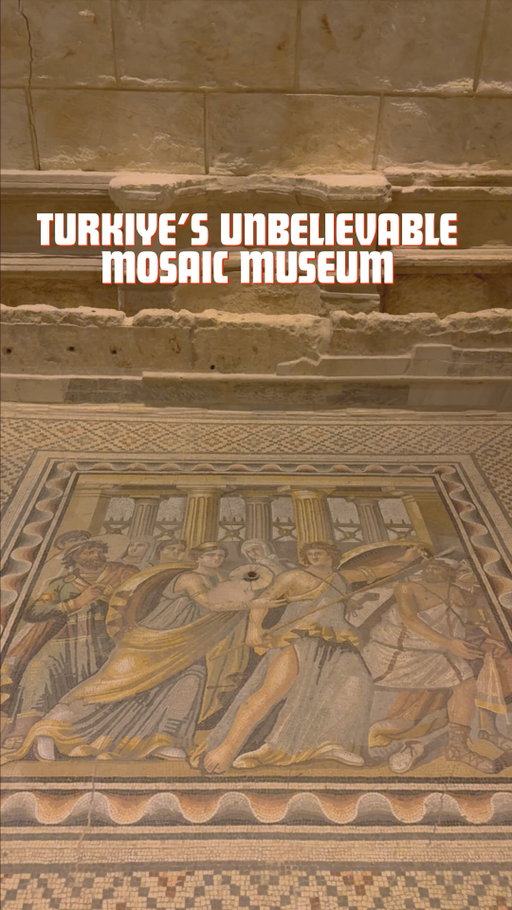
Did I really have to travel all the way to Eastern Türkiye, near the border with Syria, just to see this museum? The answer is a decisive yes.
After visiting Bulla Regia in Tunisia last year and marveling at underground Roman houses adorned with intricate mosaics that are over 2,000 years old, I became deeply fascinated by them. When I learned that Türkiye is home to one of the world’s premier mosaic museums, I was compelled to visit Gaziantep, which hosts the Zeugma Mosaic Museum.
To fully appreciate this museum, it’s essential to understand the history of Zeugma. Over 2,000 years ago, Zeugma was a prosperous Roman city situated on the banks of the Euphrates River. Its residents decorated their lavish homes with elaborate mosaics depicting mythological figures, various animals, and scenes from everyday life.
In the late 1990s, a large dam project threatened to submerge much of the ancient city beneath rising waters. Archaeologists hurried to save the site, painstakingly removing and conserving the mosaic floors and fragments for display.
Many of these archaeological treasures are now housed in the museum, including the renowned Gypsy Girl mosaic, famous for its strikingly realistic eyes that have become one of Turkey’s most iconic archaeological symbols. This remarkable journey into history makes the trip to Gaziantep, despite the distance, thoroughly worthwhile.
#gaziantep #mosaic #türki̇ye #museum #turkiye
195K
15.9K
1.07K
5mo ago
surreal_traveler
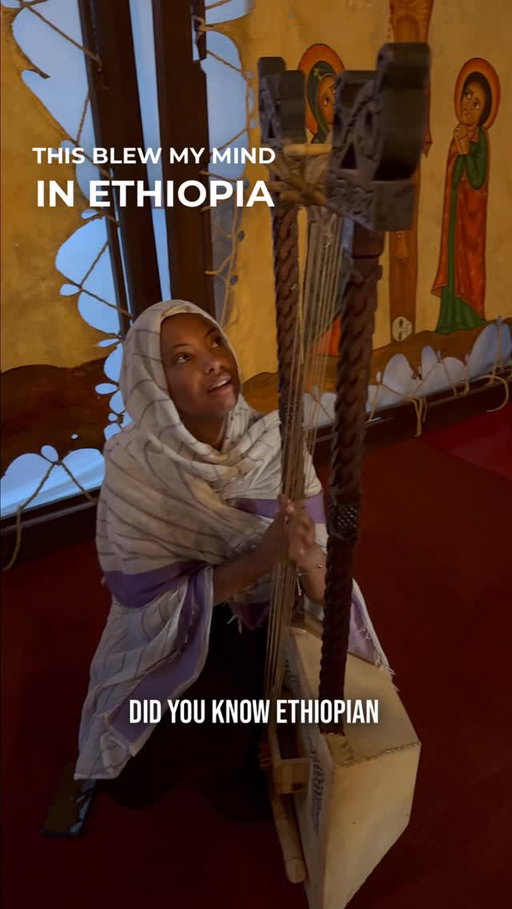
Did you know that Ethiopian Christians have a liturgical chant called ZEMA, which bears a striking resemblance to the Islamic Adhan or call to prayer?
Listen closely.
ZEMA is an ancient chant of the Ethiopian Orthodox Tewahedo Church, developed nearly fifteen hundred years ago by the revered saint and musician St. Yared.
Unlike the short, succinct Adhan, which is primarily a vocal invitation recited in Arabic five times a day to summon Muslims to prayer, ZEMA often encompasses the entire Holy Mass, known locally as "Kidase," and can be broadcast across entire neighborhoods. A typical Adhan lasts about a minute, featuring a series of melodious phrases, whereas ZEMA is a prolonged prayer marathon that can last three to four hours.
It begins with the head priest leading the congregation with opening chants in Ge’ez, the ancient liturgical language of Ethiopia. The reason these sounds are so similar is rooted in their shared origins within the broader Semitic and Middle Eastern musical traditions.
When observing Ethiopian churches at sunrise or during the day, the similarity to the Adhan can be quite striking, often causing confusion for Western Christians like myself, who typically associate such calls with Islamic prayer.
#ethiopia #christianity #muslim #adhan #ethiopia🇪🇹
195K
14.2K
180
11mo ago
surreal_traveler
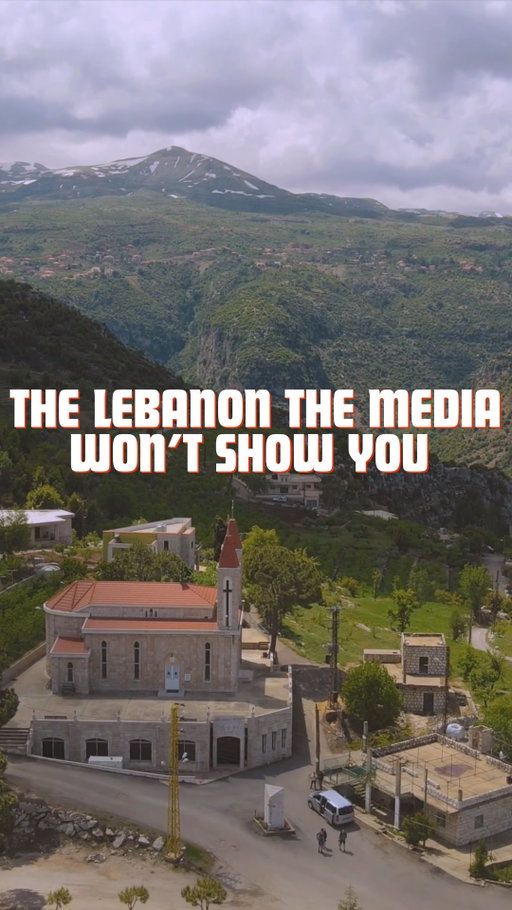
This is one of Lebanon’s most beautiful places that the media rarely shows you. Hidden in the mountains of northern Lebanon lies the Qadisha Valley — its name means “Holy Valley” in Aramaic. It stretches about 35 kilometers through deep gorges carved by the Qadisha River.
Recognized by UNESCO in 1998, this valley isn’t just a natural wonder — it’s the spiritual heartland of the Maronite community. For over a thousand years, Maronite monks and hermits lived here in isolation, preserving their faith, language, and traditions.
They carved chapels, monasteries, and stone dwellings directly into the cliffs. Some of these sacred sites still stand today, hidden among pine forests and caves that have echoed with centuries of prayer.
One of the most remarkable is the Monastery of Mar Lishaa, or Saint Elisha, built into the rock itself. The monks who lived here devoted their lives to silence, prayer, and self-sufficiency, growing their own food and copying religious manuscripts by hand.
For the Maronites, the Qadisha Valley wasn’t just a refuge — it was a sanctuary of faith. It remains a living symbol of Lebanon’s spiritual soul, a place where nature and devotion have coexisted for centuries.
#lebanon #lebanese #maronites #monastery #monks #christian #christianity
187K
9.79K
654
2d ago
surreal_traveler
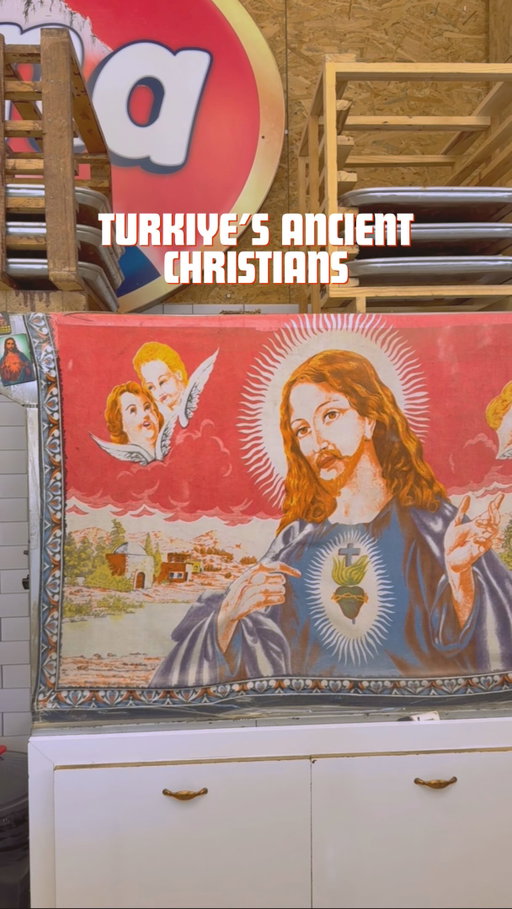
This Turkish city is home to one of the oldest Christian communities on Earth. It’s rare to see Jesus on shop signs in Türkiye, but go far enough east and you enter another world. This is Mardin, perched above the plains of ancient Mesopotamia.
Syriac Christians, or Süryani in Turkish, are a Semitic people native to this land. Most belong to the Syriac Orthodox Church, which traces its roots to Antioch, where Jesus’s followers were first called Christians. After a dispute over the nature of Christ at the Council of Chalcedon in 451, they split from Rome and Constantinople, becoming part of the Oriental Orthodox family alongside the Coptic, Armenian and Ethiopian churches.
Their services are still held in Syriac, a form of Aramaic, the language family Jesus spoke, and some locals still speak Turoyo, its living dialect.
The Forty Martyrs Church still holds services after 1,500 years, Deyrulzafaran Monastery was their patriarch’s seat for over 600 years, and near Midyat, Mor Gabriel has housed monks since 397 AD.
So next time you visit Türkiye, don’t forget its eastern side.
#assyrian #syriac #christianity #christian #chaldean
179K
7.82K
358
9mo ago
surreal_traveler
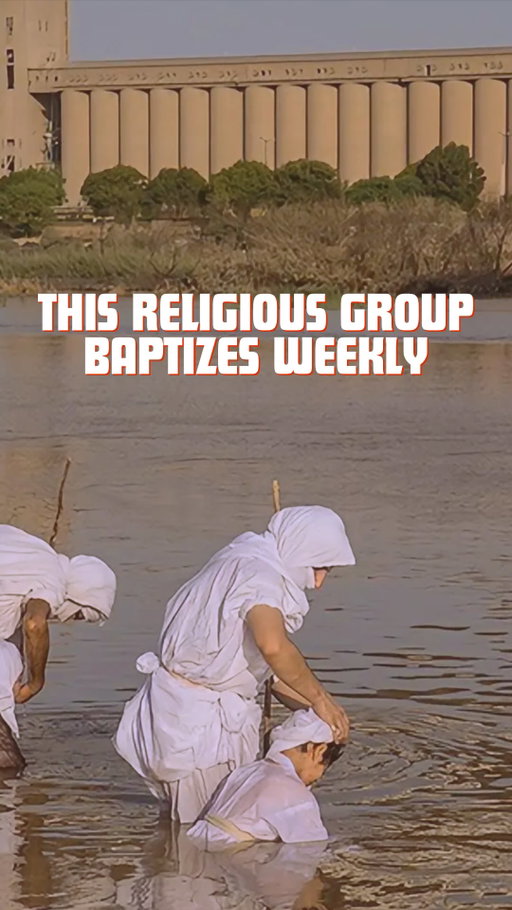
Did you know there is an ethno-religious group that baptizes every Sunday?
This is one of the world’s most ancient and least known religious communities, often described as the last surviving Gnostic religion from antiquity.
The Mandaeans are originally from southern Iraq and southwestern Iran, along rivers where flowing water is sacred. That’s why they practice weekly baptism, not once in a lifetime, usually in running water.
Their most important prophet is John the Baptist, not Jesus. Their holy book, the Ginza Rabba, is written in Mandaic, an ancient Aramaic language still used in prayer.
Mandaeans believe they are the Sabians mentioned in the Qur’an, a group historically recognized as People of the Book, which once gave them legal protection under Islamic rule. Over time, that status became disputed and in places like Iran it was officially taken away, leaving the community vulnerable.
Today, only 40,000 to 100,000 Mandaeans remain, mostly in diaspora, making them a group in high danger of extinction.
#gnostic #religion #christian #johnthebaptist #quran #iraq #iran
178K
10.4K
295
8mo ago
surreal_traveler
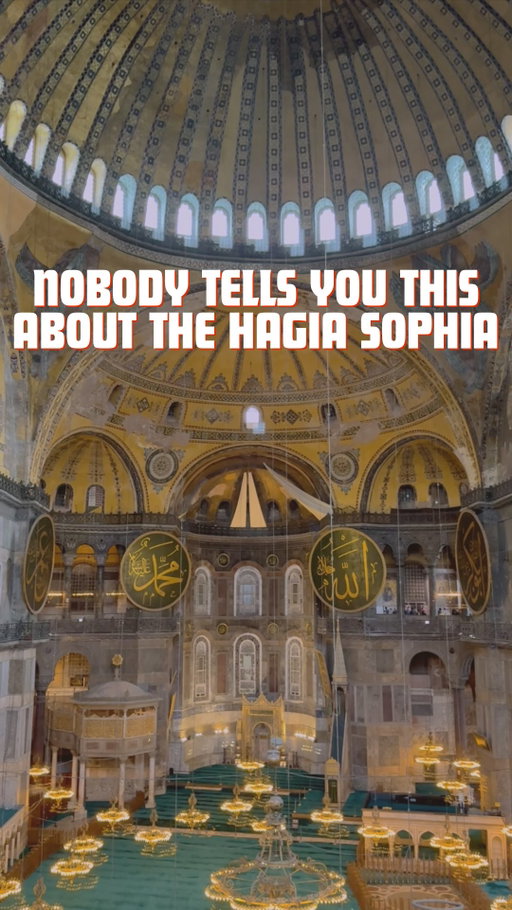
Most people think Hagia Sophia’s Christian images were covered only after 1453—when the Ottomans converted the church into a mosque. But the first major “cover-up” happened centuries earlier, ordered by the Byzantines during Iconoclasm.
Many assume the Ottomans were the first to hide Hagia Sophia’s mosaics. Yes—after 1453, many figurative mosaics were concealed (often with plaster), partly because Islamic religious spaces generally avoid prominent figural imagery.
But here’s the twist: the Byzantines did it first. In the 8th century, a major controversy erupted over icons—images of Christ, the Virgin Mary, and saints—because some leaders believed people were treating them like idols.
This movement is called Iconoclasm (“image breaking”). Around 726, Emperor Leo III began policies against icons, and many church images were destroyed, removed, or whitewashed—Hagia Sophia included.
Iconoclasm dominated Byzantine religious life for over a century. In 843, the empire restored icons in the “Triumph of Orthodoxy,” still celebrated in the Orthodox Church today.
Hagia Sophia didn’t just bring images back—it made a statement. The apse mosaic of the Virgin Mary and Christ Child was installed after Iconoclasm and inaugurated on 29 March 867 by Patriarch Photios.
Over the centuries, more masterpieces appeared, including the famous Deësis mosaic and imperial donor mosaics, linking politics, faith, and power.
So next time you hear “the Ottomans covered the mosaics,” remember the fuller story: Hagia Sophia’s images were erased, restored, and reinvented long before 1453.
#ıstanbul #hagiasophia #türkiye #byzantine #mosaic
176K
11.1K
134
10mo ago
surreal_traveler
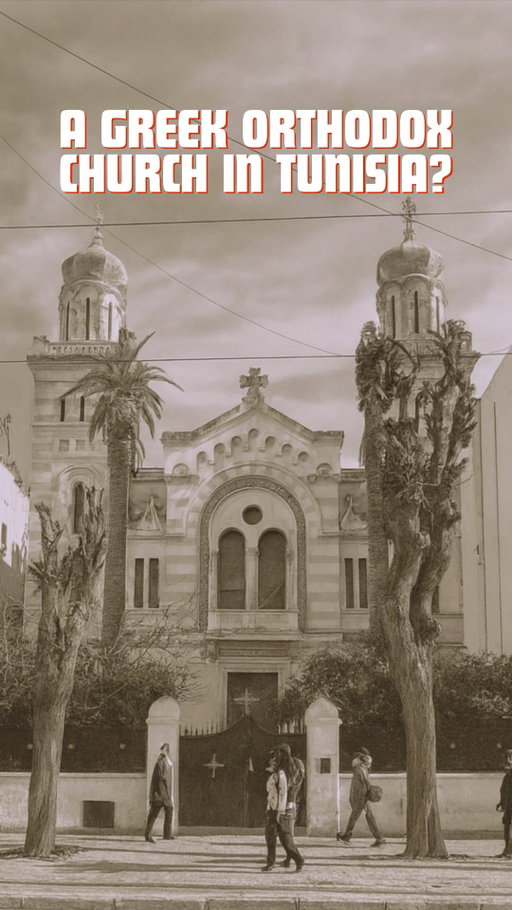
Most people walk past this church beside the Medina of Tunis without stopping to ask why it exists. This is Saint George Greek Orthodox Church, inaugurated in 1901, at a time when Tunisia was part of the Ottoman world and deeply connected to Mediterranean trade.
Greeks had been present in Tunisia since at least the early 19th century, arriving primarily from Greece and Greek-speaking parts of the eastern Mediterranean. They settled in port cities such as Tunis, Sfax, and Djerba, where they worked as merchants, sailors, sponge traders, ship agents, craftsmen, and small business owners. Their migration followed long-standing Ottoman-era trade routes rather than colonial settlement patterns.
By the late 19th and early 20th centuries, historians estimate that approximately three to five thousand Greeks lived across Tunisia, forming one of several small Mediterranean Christian communities alongside Italians and Maltese. These communities often spoke Greek at home, while using Italian and later French for commerce, and Tunisian Arabic in daily interaction with the local population.
Saint George Church was built near the port and the Medina, where much of the Greek community lived and worked. Its establishment reflects the legal and religious autonomy granted to non-Muslim communities under Ottoman governance, which allowed them to maintain their own places of worship, schools, and communal institutions.
After Tunisia gained independence in 1956, most Greek families gradually left, part of a broader departure of European and Levantine communities from North Africa during the mid-20th century. Today, the exact number of Greek Orthodox families remaining in Tunisia is uncertain. The church no longer has a resident priest, but services are still held on major feast days, maintaining a link to a largely forgotten chapter of Tunisia’s Mediterranean history.
#greekorthodox #greek #tunis #tunisia #church #tunisian #hellas
Sam Urrea (@surreal_traveler) Instagram Stats & Analytics
Sam Urrea (@surreal_traveler) has 96.6K Instagram followers with a 5.47% engagement rate over the past 12 months. Across 96.0 posts, Sam Urrea received 751K total likes and 14.1M impressions, averaging 7.82K likes per post. This page tracks Sam Urrea's performance metrics, top content, and engagement trends — updated daily. To benchmark @surreal_traveler against other accounts, use Socialpruf's Instagram competitor analysis tool.
Sam Urrea (@surreal_traveler) Instagram Analytics FAQ
How many Instagram followers does Sam Urrea have?+
Sam Urrea (@surreal_traveler) has 96.6K Instagram followers as of October 2026.
What is Sam Urrea's Instagram engagement rate?+
Sam Urrea's Instagram engagement rate is 5.47% over the last 12 months, based on 96.0 posts.
How many likes does Sam Urrea get on Instagram?+
Sam Urrea received 751K total likes across 96.0 posts in the last 12 months, averaging 7.82K likes per post.
How many Instagram impressions does Sam Urrea get?+
Sam Urrea's Instagram content generated 14.1M total impressions over the last 12 months.
Can I compare Sam Urrea with other Instagram accounts?+
Yes. Add @surreal_traveler to a competitor set with Socialpruf's Instagram competitor analysis tool and benchmark it side by side with any other public accounts on views, engagement rate and follower growth, with history back to each account's first post.