NewGet @natgeohistory's full report

instagram analytics
Similar Accounts:
instagram analytics
Similar Accounts:
followers
16.5M
impressions
259M
likes
7.99M
comments
55.6K
posts
581
engagement
2.34%
emv
$7.25M
Average per post
446K
Key Metrics
Impressions
monthly
Distributions
Content
13.4M
111K
1.89K
3mo ago

natgeohistory
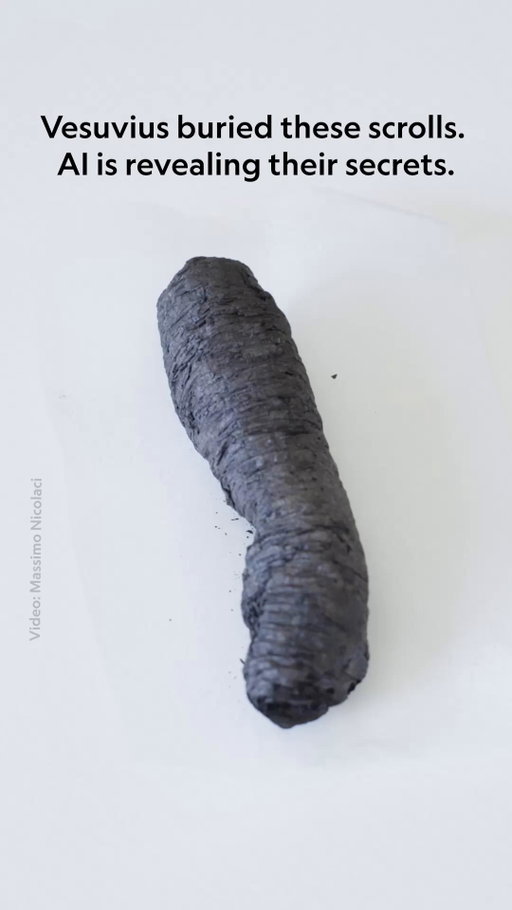
The A.D. 79 eruption of Mount Vesuvius that ravaged Pompeii also buried the nearby town of Herculaneum, entombing its celebrated library at the Villa of the Papyri. Buried beneath 60 feet of ash and rock, the papyrus scrolls within baked into brittle, misshapen lumps—preserved yet so fragile that archaeologists feared touching them. Now, nearly 2,000 years after the Vesuvian tragedy, the scrolls are giving up their secrets at last. Using particle accelerators and artificial intelligence, researchers finally have the ability to virtually “unwrap” the Herculaneum scrolls and read their contents. National Geographic got a first look at what they say, including one scroll that's potentially among the oldest in Roman history.
Learn what researchers have deciphered so far at the link in bio.
Video by @massimonicolaci
7.60M
304K
1.59K
6mo ago

natgeohistory
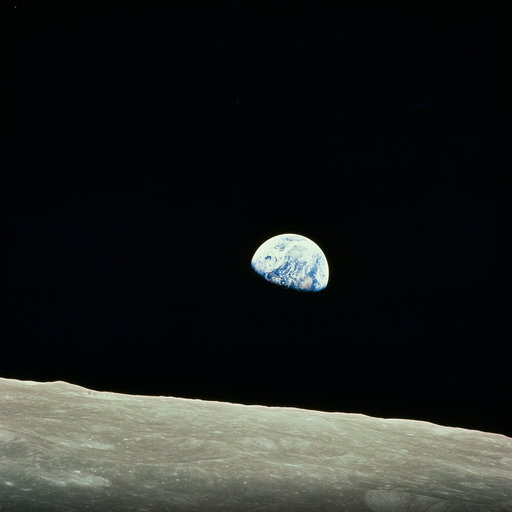
More than 50 years ago, Apollo 8 captured the first Earthrise image. The photograph was one of the most influential pictures of all time, crediting with inspiring the growing global environmental movement. Artemis II astronauts now hope to recapture that magic on their 10-day mission. On the farthest journey humans have ever taken from Earth, they’ll have the chance to produce a new Earthrise photograph using handheld cameras through Orion’s forward windows, with only minutes and unpredictable lighting to get it right.
Learn more about the iconic Earthrise image and how they might produce a new one at the link in bio.
Photograph by NASA
7.57M
303K
689
9mo ago
natgeohistory
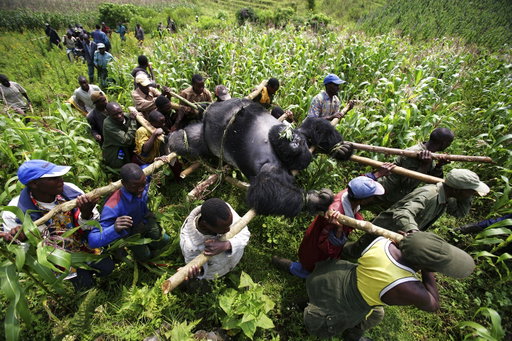
Photography is a powerful tool for documenting the most important breakthroughs, tragedies, and cultural shifts. To remember some of the biggest moments from the past 25 years, Nat Geo's photo editors selected one image from each year of the 21st century so far, each telling its own compelling story.
See more images at the link in bio.
Photo 1: In 2007, seven mountain gorillas were found murdered in the Democratic Republic of the Congo. Nat Geo Explorer and photographer @brentstirton’s photos ignited global outrage.
Photo 2: Last year, Nat Geo Explorer and photographer @amivitale captured a scientist holding the 70-day-old fetus of an IVF-conceived rhino, the first-ever such pregnancy in rhinos.
Photo 3: Quannah Rose Chasinghorse—who is Hän Gwich’in and Sičangu/Oglala Lakota—honors “the resistance and fight of my ancestors who survived genocide and have persevered” in Nat Geo photographer @kiliiiyuyan's photo.
Photo 4: Katie Stubblefield became the 40th known face transplant recipient in 2017. Nat Geo photographer @ljohnphoto photographed surgeons removing the face from organ donor Adrea Schneider.
Photo 5: In 2016, Nat Geo photographer @waynelawrence photographed siblings Julie, Antonio, and India Abron as they collected their daily allowance of bottled water in Flint, Michigan.
Photo 6: Nat Geo photographer @lynseyaddario photographs two women stranded in Afghanistan, one of whom was in labor. Addario later took the family to the hospital in Faizabad.
Photo 7: Nat Geo Explorer and photographer @amytoensing photographed cattle rancher Simon Booth in southeastern Australia in 2008. At the time, the region was experiencing its most devastating dry spell—an early victim of climate change.
Photo 8: Nat Geo Explorer and photographer @prasen.yadav photographed T12, the only male black tiger in India’s Similipal reserve.
Photo 9: Nat Geo photographer @brianskerry photographed a thresher shark fatally caught in a fishing net in the Gulf of California, Mexico, in 2005.
Photo 10: Photographer @robertclarkphoto captured the moment a second plane crashed into the World Trade Center in New York City during the September 11 terrorist attacks.

7.38M
295K
650
1mo ago
natgeohistory
As artists in New York watched the Twin Towers collapse in 2001, they felt an immediate need to help however they could. Within 48 hours, they had created a plan to honor the city's losses by replacing the buildings with beams of light. Twenty-five years later, the @911memorial continues to display the "Tribute in Light" installation, illuminating Manhattan each September 11.
See how the installation is created at the link in bio.
Watch 9/11 Tribute in Light: Live from Lower Manhattan, a one-hour ABC News multiplatform live special tonight from 8:00 to 9:00 p.m. EDT, across @abc, @DisneyPlus, @hulu, and National Geographic.
Photographs by @christopherpaynephoto
6.05M
18.8K
1.44K
4mo ago
natgeohistory
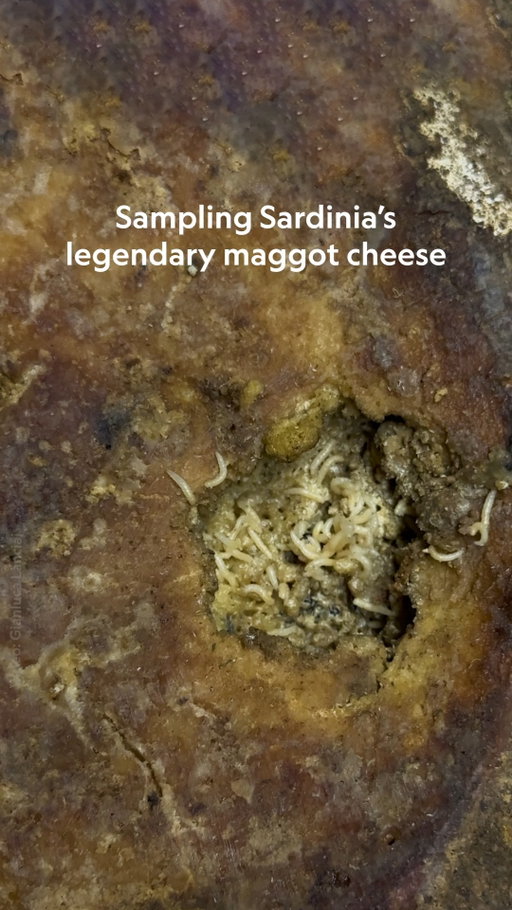
This cheese is banned across Europe, but in Sardinia, it's a local delicacy. Casu marzu is a soft, spreadable cheese with a sharp flavor and smell, and its unusual creation process—which involves maggots eating and excreting the cheese—is believed to go back centuries. Despite being outlawed in the 1960s, the cheese is still in production today and available to those who know where to look.
Learn about this legendary Sardinian cheese at the link in bio.
Video by @gianlucalanciai
5.45M
64.0K
2.02K
1mo ago
natgeohistory
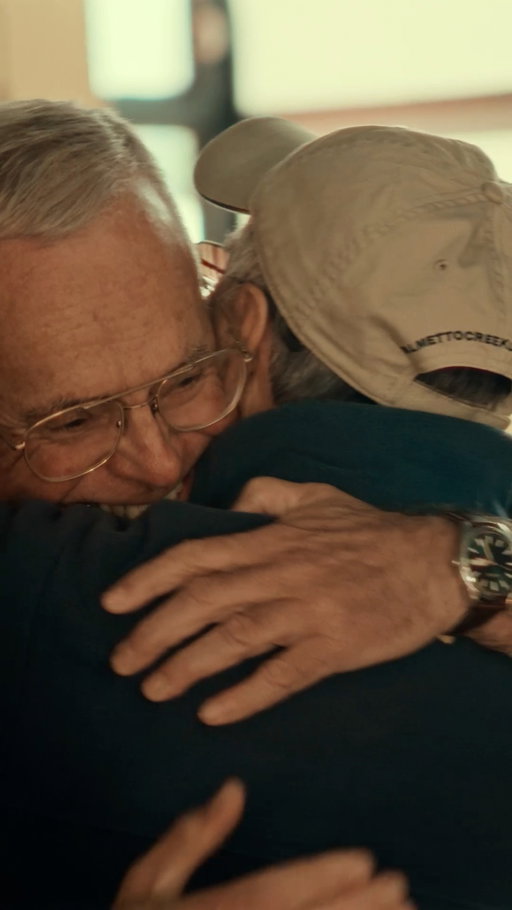
On September 11, 2001, first responders, co-workers, and strangers were brought together through unbelievable acts of bravery and community. Now, 25 years later, they have a chance to reunite for the first time and say thank you.
#911Reunited is now streaming on @DisneyPlus and @hulu.

5.11M
147K
1.36K
4mo ago
natgeohistory
There's more to the story of Pompeii than just destruction. Join Tom Hiddleston as he traces the stories of those who experienced the eruption and those who survived.
#PompeiiOutOfTime with @twhiddleston premieres July 22 on @NatGeoTV. Streaming on @DisneyPlus and @hulu.
4.93M
220K
782
9mo ago
natgeohistory
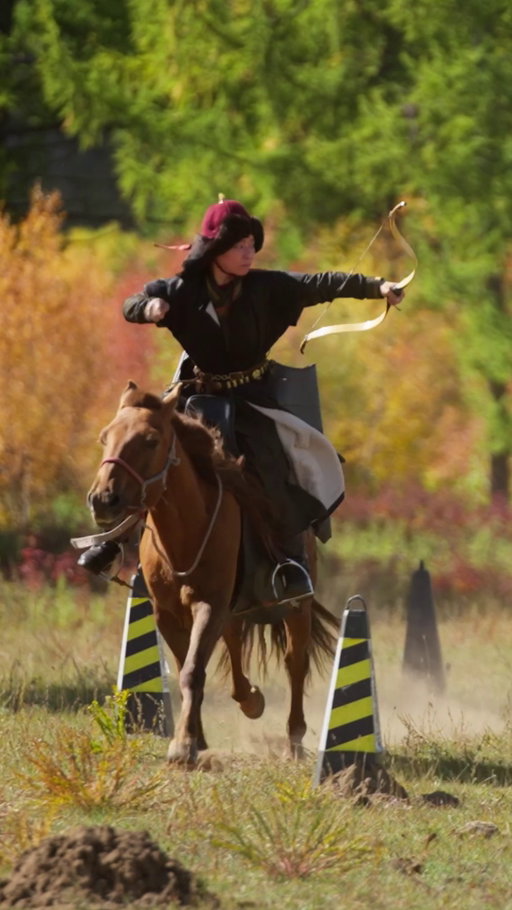
As more and more people move to the cities and lose touch with their cultural roots, some Mongolians are pushing back by learning traditional skills like horseback riding and archery.
Watch #Superskilled with Eva zu Beck, a National Geographic YouTube Original, on the Nat Geo YouTube channel at the link in bio.
4.78M
225K
606
4mo ago
natgeohistory
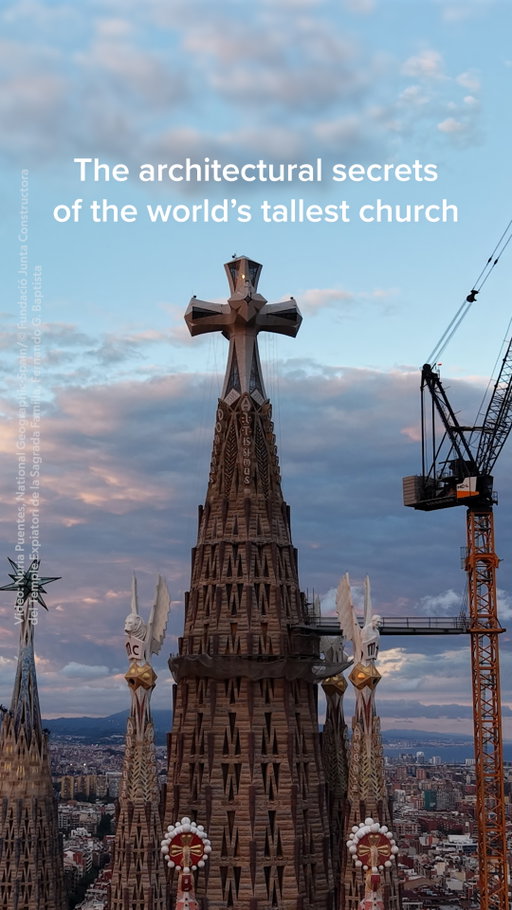
Designed by architect Antoni Gaudí, construction of the Sagrada Família in Barcelona began in late 1883. Now, a century after his death, the basilica is almost complete. To bring Gaudí's intricate plans to life, he and the designers who succeeded him employed a variety of innovative techniques, including 3D models and drawing inspiration from nature.
Learn more about the Sagrada Família at the link in bio.
Video: Nuria Puentes, National Geographic-Spain/© Fundació Junta Constructora del Temple Expiatori de la Sagrada Família, Fernando G. Baptista
4.26M
170K
882
12mo ago
natgeohistory
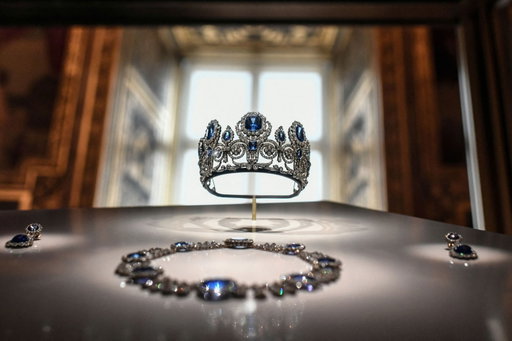
On October 19, a group of thieves stole a collection of Napoleonic-era jewels from the Louvre in Paris while it was open to the public. The collection included a sapphire crown, necklace, and earrings once belonged to Queen Marie-Amelie, and the emerald necklace and earrings that Napoleon gave to his second wife, Empress Marie-Louise, on their wedding.
As audacious as the heist was, it isn't the first such attempt. In fact, the museum has a long history of daring robberies—including the theft of one of its most famous paintings, the Mona Lisa. Discover the Louvre's surprising history of robberies at the link in bio.
Photographs by Stephane de Sakutin, AFP via Getty Images

4.06M
46.0K
759
10mo ago
natgeohistory
Santa Claus is a kind and jolly gift-giver, but across Western Europe, anti-Santas are abound.
Half-goat. Half-demon. Krampus, the mythical beast is said to haul naughty kids down to the underworld.
Learn more about how the frightening presence of Krampus evolved—and other counterparts to St. Nicholas during the holiday season—at the link in bio.
Host: @itshalleybee
3.96M
60.8K
401
7mo ago
natgeohistory
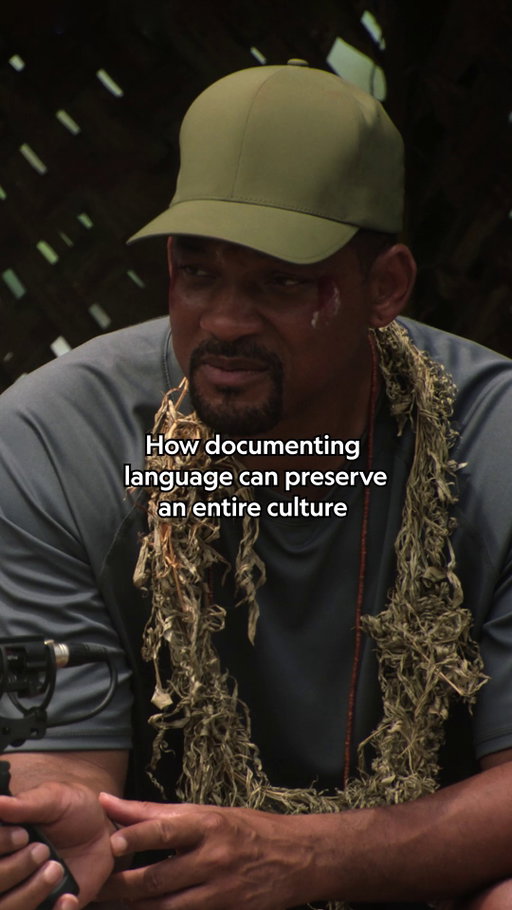
Languages only survive when they're shared, and the people of Enusi have been sharing their language to ensure it's preserved for future generations.
#PoleToPole with Will Smith is now streaming on @DisneyPlus and @hulu.

3.93M
157K
928
7mo ago
natgeohistory
Note: An earlier version of this story's headline misstated the timing of the Sagrada Familia becoming the tallest church in the world. It became the world's tallest in October 2025.
For more than 140 years, the Sagrada Família has risen above the streets of Barcelona. Finally, this year—the centenary of architect Antoni Gaudí’s death—the basilica is nearing completion, and church and city officials have planned a year of celebrations to mark the occasion. The central tower, topped with a cross clad in glass and glazed ceramic that stretches more than 500 feet above the port city, makes the Sagrada Família the tallest church in the world (it surpassed Germany’s Ulm Minster for that title during construction in October), giving the monument a satisfying sense of finality.
Learn how architects completed the 19th-century masterpiece design with 21st-century tools at the link in bio.
Video by Nuria Puentes, National Geographic-España
©Fundació Junta Constructora del Temple Expiatori de la Sagrada Família
3.87M
155K
285
9mo ago
natgeohistory
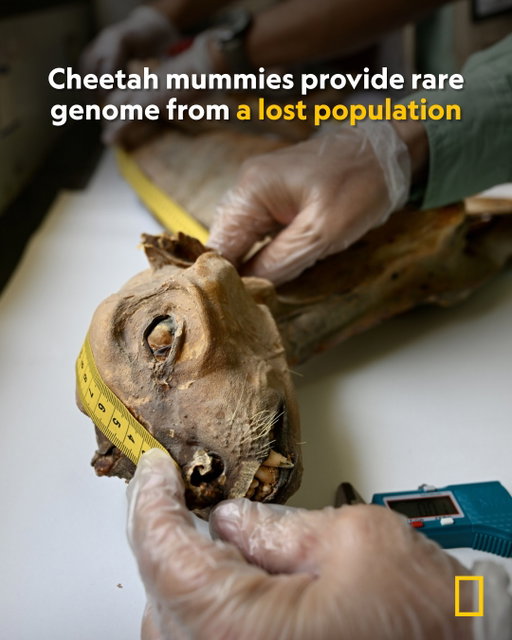
In 2022, researchers entered caves in Saudi Arabia looking for bats and other biodiversity—and found seven mummified cheetahs.
Ranging in age from 130 to nearly 2,000 years old, the mummies were perfectly preserved by the cave's dry climate, allowing scientists to recover and analyze their DNA. The unusual findings have become central to the debate about whether the species—extinct in the region since the 1970s—could one day return.
Learn how the mummies are shaping conservation efforts at the link in bio.
Photographs 1, 5, 6, and 7 by Ahmed Boug et al./Communications Earth & Environment; photographs 2 and 4 by @chancellordavid /Ahmed Boug et al./Communications Earth & Environment; photograph 3 by National Center for Wildlife/Saudi Arabia

3.31M
208K
709
5mo ago
natgeohistory
The Bermuda Triangle isn’t just about disappearing ships—it’s also where you’ll find a surprising number of abandoned ones, left behind with no crews and plenty of unanswered questions.
#AtlasOfCursedPlaces is now streaming on @DisneyPlus.
3.09M
23.7K
224
6mo ago
natgeohistory
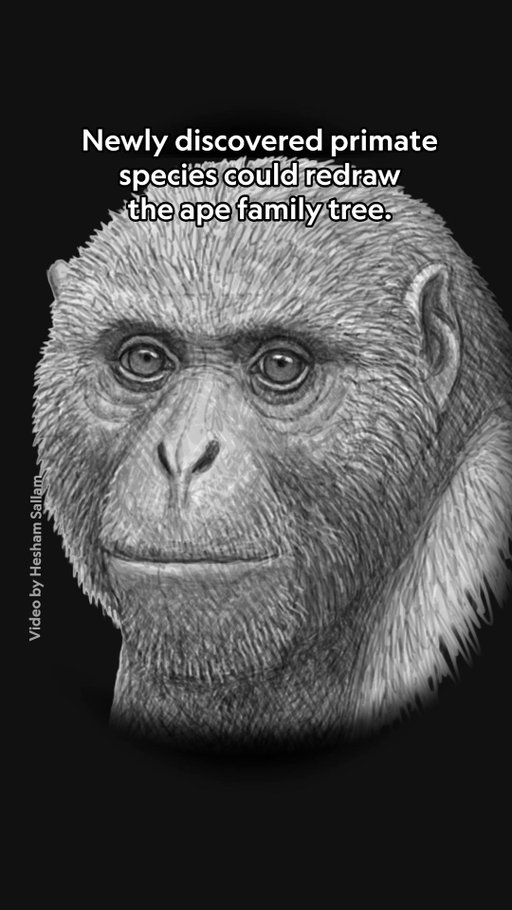
For decades, scientists have traced the origins of modern apes to East Africa. But a newly identified species—Masripithecus moghraensis, discovered in Egypt—may challenge that idea. The 17- to 18-million-year-old fossil suggests that the earliest ancestors of living apes were present farther north.
This 3D reconstruction of the ape is based on the jaw bones researchers found in Egypt. Learn how the discovery could upend our understanding of early ape evolution at the link in bio.
Video by Hesham Sallam
2.86M
115K
416
8mo ago
natgeohistory
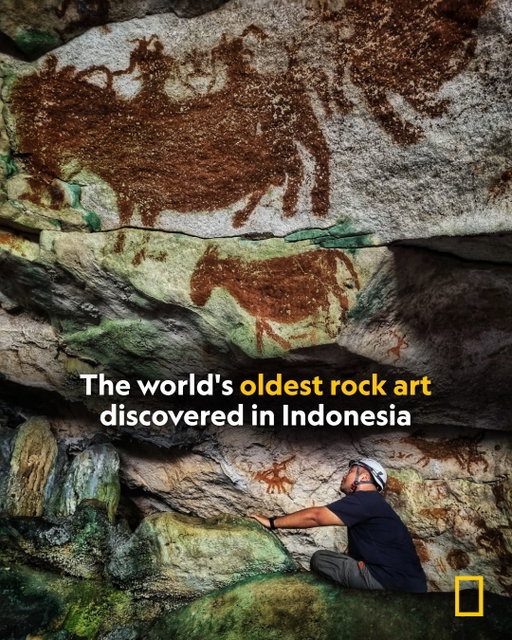
Liang Metanduno cave on Muna, a tropical island off southeastern Sulawesi, Indonesia, is filled with prehistoric paintings, but one stands out in particular—a claw-like hand stencil that's at least 67,800 years old. Archaeologists, including National Geographic Explorer Maxime Aubert, believe the stencil is the oldest rock art attributed to modern humans and doesn't just reveal insights into early human intelligence, but prehistoric life in the Indonesian archipelago, and migration to Australia too.
Discover more about Liang Metanduno's cave paintings and what they mean at the link in bio.
Photograph by Maxime Aubert

2.53M
36.2K
207
1mo ago
natgeohistory
1,947 years ago, ash and pumice darkened the sky as Vesuvius erupted, producing pyroclastic surges that buried Pompeii in just 24 hours. But that's not where the story ends. #PompeiiOutOfTime with Tom Hiddleston is now streaming on @DisneyPlus and @hulu.
2.51M
89.1K
336
5mo ago
natgeohistory
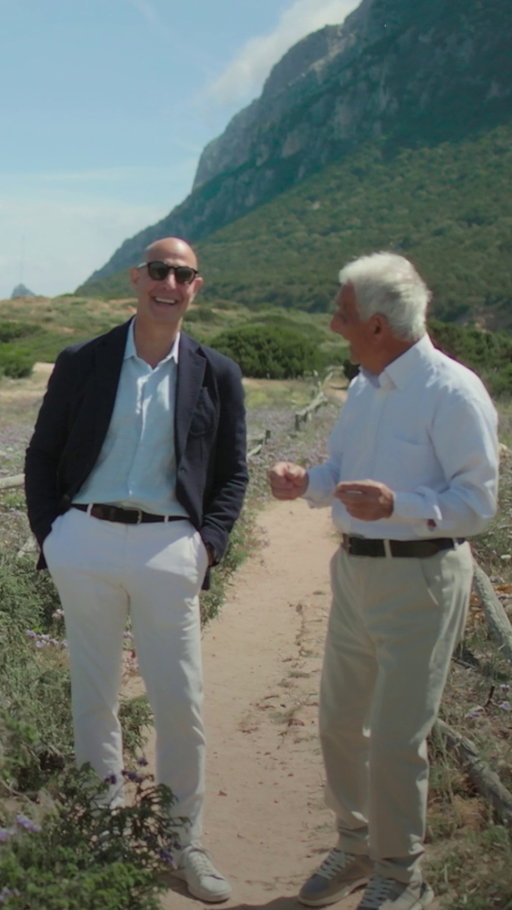
Few get the chance to dine with a king, but on Tavolara, you can eat at his restaurant.
#TucciInItaly is now streaming on @DisneyPlus and @hulu.
2.43M
97.3K
387
6mo ago
natgeohistory
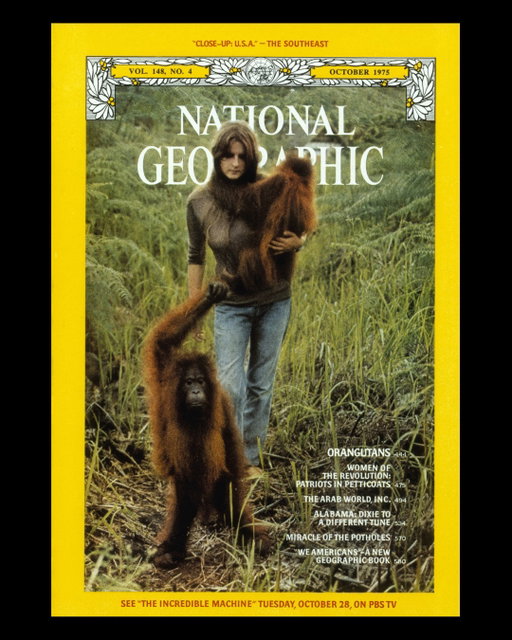
Anthropologist, primatologist, and National Geographic Explorer Dr. Biruté Galdikas has passed away at the age of 79. One of the so-called Trimates, alongside Dian Fossey and Jane Goodall, Galdikas spent thousands of hours in the Tanjung Puting Reserve in Borneo conducting the first long-term study of orangutans.
In an iconic 1975 National Geographic cover story, Galdikas shared her findings and experiences—radically changing how we understand these incredible primates. Photographed by Rod Brindamour, she holds hands and explores the reserve with orphaned orangutans, including Sugito who naps in an improvised nest made from an old dress and a hat that he swiped from Galdikas. "If we didn't provide rags," she reported, "the orangutans would bang around all night looking for nesting material."
Read more about Galdikas's legacy and her work with the National Geographic Society @insidenatgeo at the link in bio.
National Geographic History (@natgeohistory) Instagram Stats & Analytics
National Geographic History (@natgeohistory) has 16.5M Instagram followers with a 2.34% engagement rate over the past 12 months. Across 581 posts, National Geographic History received 7.99M total likes and 259M impressions, averaging 13.8K likes per post. This page tracks National Geographic History's performance metrics, top content, and engagement trends — updated daily. To benchmark @natgeohistory against other accounts, use Socialpruf's Instagram competitor analysis tool.
National Geographic History (@natgeohistory) Instagram Analytics FAQ
How many Instagram followers does National Geographic History have?+
National Geographic History (@natgeohistory) has 16.5M Instagram followers as of October 2026.
What is National Geographic History's Instagram engagement rate?+
National Geographic History's Instagram engagement rate is 2.34% over the last 12 months, based on 581 posts.
How many likes does National Geographic History get on Instagram?+
National Geographic History received 7.99M total likes across 581 posts in the last 12 months, averaging 13.8K likes per post.
How many Instagram impressions does National Geographic History get?+
National Geographic History's Instagram content generated 259M total impressions over the last 12 months.
Can I compare National Geographic History with other Instagram accounts?+
Yes. Add @natgeohistory to a competitor set with Socialpruf's Instagram competitor analysis tool and benchmark it side by side with any other public accounts on views, engagement rate and follower growth, with history back to each account's first post.