NewGet @danielpink's full report

instagram analytics
Similar Accounts:
instagram analytics
Similar Accounts:
followers
326K
impressions
38.1M
likes
1.56M
comments
24.6K
posts
439
engagement
4.23%
emv
$1.18M
Average per post
86.8K
Key Metrics
Impressions
monthly
Distributions
Content
3.14M
217K
304
10mo ago

danielpink
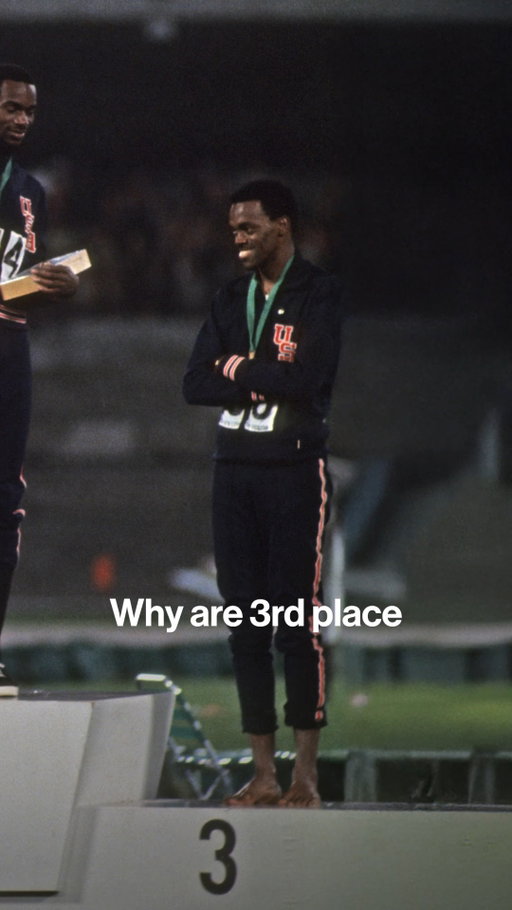
Why does 3rd place sometimes look happier than 2nd place? It comes from something called counterfactual thinking. This is the mind imagining alternative outcomes and comparing them to what actually happened.
Silver medalists usually compare upward.
They think, “I was so close to winning.”
That imagined version of gold makes the real result feel disappointing.
Bronze medalists compare downward.
They think, “I almost didn’t medal at all.”
That imagined outcome makes the real result feel better.
Same podium. Very different emotions.
This is a reminder that our feelings often come from the comparisons we create, not the outcome itself. Understanding that can help us navigate regret, motivation, and meaning with more clarity.

1.86M
74.5K
164
4mo ago

danielpink
In a world where anyone can create anything, taste is becoming the differentiator. And taste abides by three rules.
1. Create more than you consume.
2. Have the spine to say no.
3. Change your taste when you change.
Follow these three rules, and your taste will compound.
1.50M
60.9K
101
3mo ago
danielpink
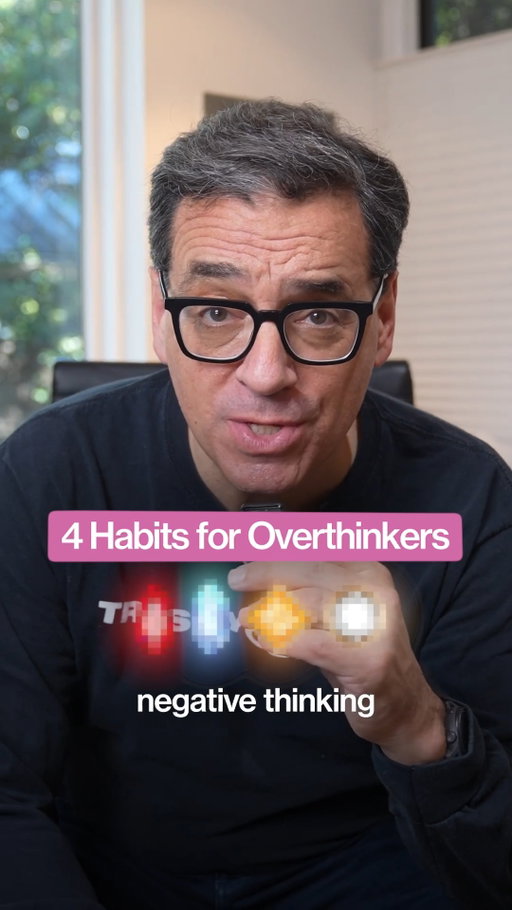
Yale psychologist Susan Nolen-Hoeksema spent decades studying rumination. Her research found it's one of the strongest predictors of anxiety and depression, often a bigger factor than the event that triggered it.
1.50M
60.0K
155
10mo ago
danielpink
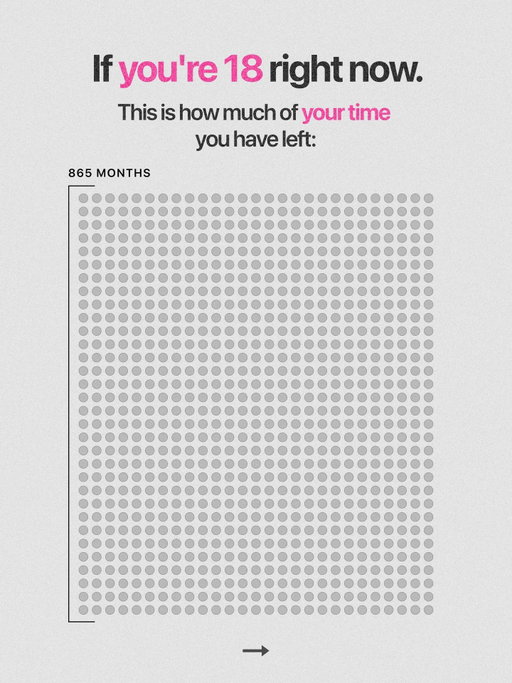
Here’s your reminder to spend your time intentionally.
1.11M
44.4K
213
2mo ago
danielpink
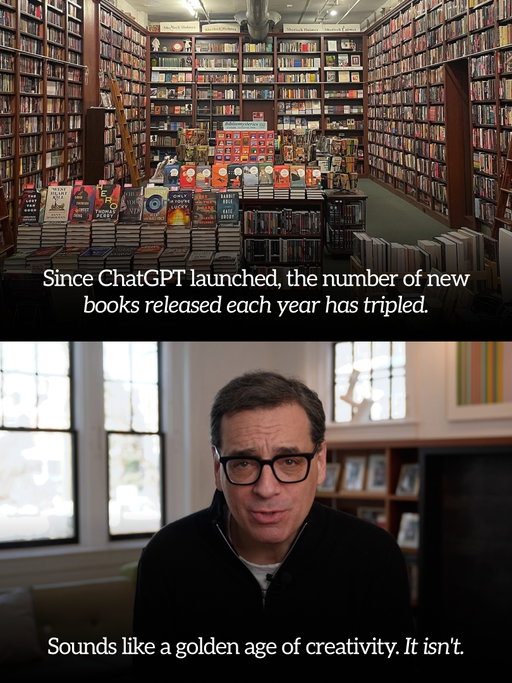
Since ChatGPT launched, the number of new books published each year has tripled. Researchers at Cornell and the University of Minnesota looked at what all that abundance actually produced — and found that as output soared, average quality sank.
Here's the thing: that's not an argument against AI. It's a map of where the value is moving. When producing almost anything becomes nearly free, production stops being the scarce skill. Judgment becomes the scarce skill — knowing what's worth making, what's worth fixing, and what's worth deleting.
And taste isn't something you're born with. It's something you build. Read better stuff. Notice why the good work is good. Be willing to toss your own B-minus drafts before anyone sees them. The machines can generate endlessly. Deciding what deserves to exist is still our job.
Follow @danielpink for more on how work is actually changing — and what to do about it.
#ai #creativity #taste #writing #danielpink
1.05M
42.2K
122
11mo ago
danielpink
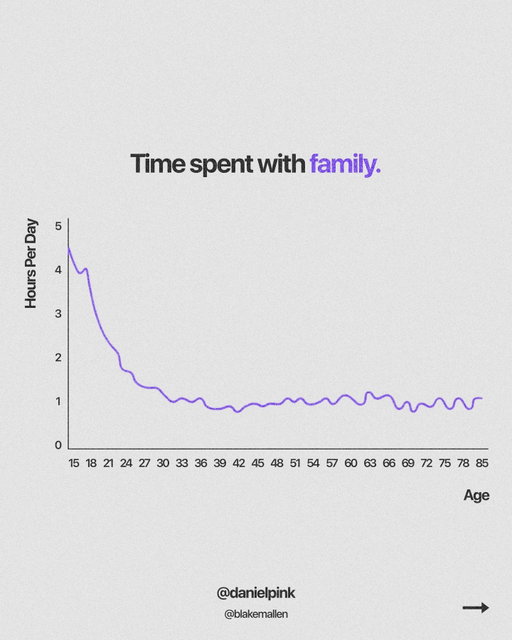
Reminder to be intentional with the time you have.
1.02M
41.0K
170
10mo ago
danielpink
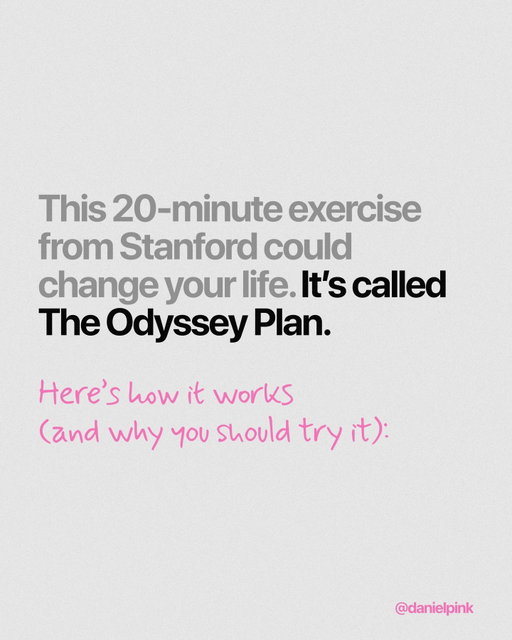
This 20-minute "Odyssey Plan" from Stanford is a brilliant exercise in designing your life, not just letting it happen.
By imagining three different 5-year paths, you gain profound clarity and connect with your intrinsic motivations for a more purpose-driven future.
905K
24.7K
247
3mo ago
danielpink
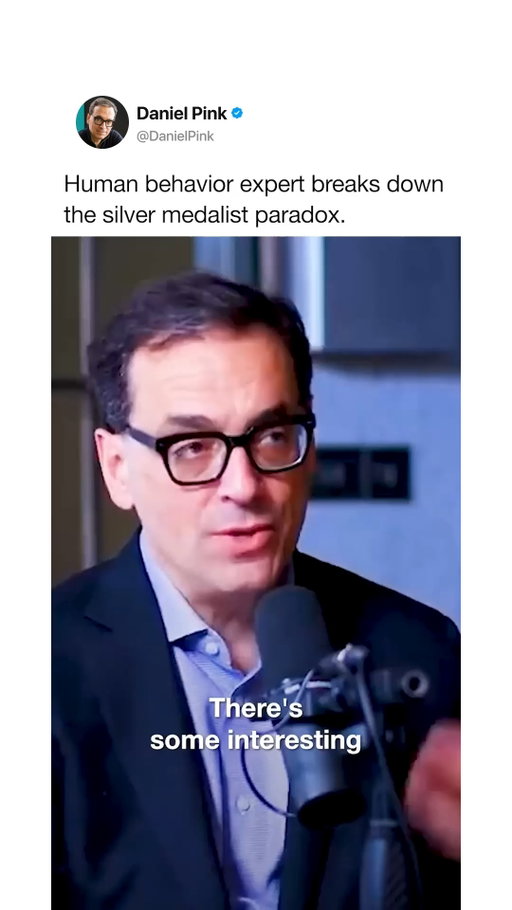
The silver medalist's paradox reveals a fascinating truth about human nature: sometimes feeling worse helps us do better.
Olympic silver medalists often appear less happy than bronze medalists because they're engaged in 'upward counterfactual thinking'—imagining how things could have been better. This same cognitive mechanism powers regret, starting with those haunting words 'if only.' While 'at least' thinking might comfort us temporarily, it's the uncomfortable 'if onlys' that drive growth. Our brains aren't wired for comfort—they're wired for survival and improvement.
This isn't just sports psychology; it's a blueprint for how regret, when properly understood, becomes a powerful catalyst for learning and growth.
581K
23.3K
1.31K
10mo ago
danielpink
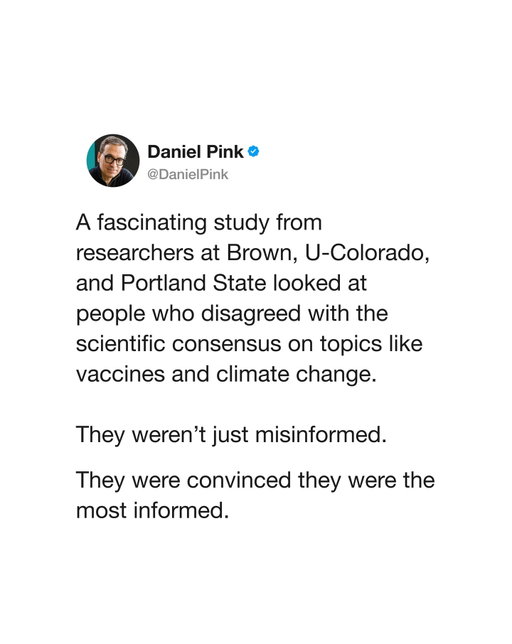
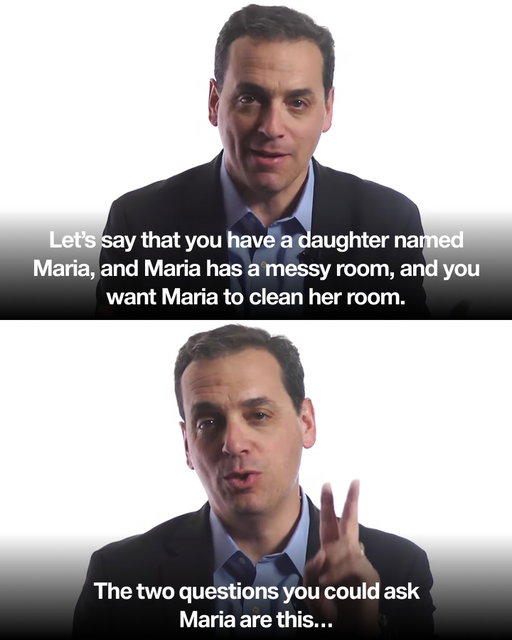
The next time you're trying to persuade someone, remember: It's not about proving you're right.
It's about helping them realize there's more to learn.
That’s when minds start to open.
580K
23.2K
197
8mo ago
danielpink
When people have their own reasons for doing something, they’ll believe it more deeply.
565K
22.6K
2.13K
2mo ago
danielpink
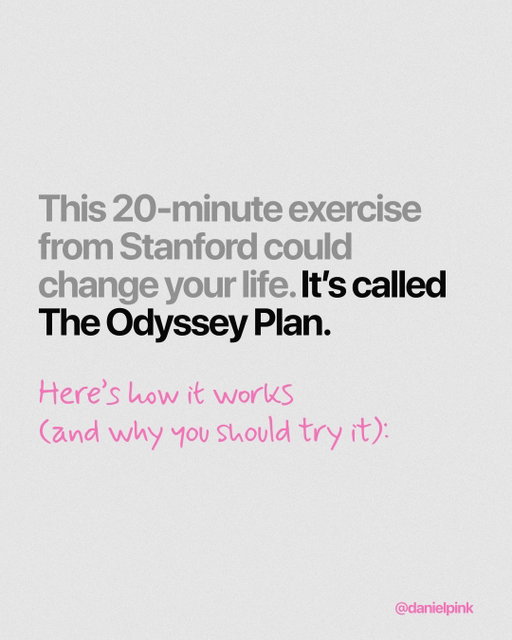
This 20-minute "Odyssey Plan" from Stanford is a brilliant exercise in designing your life, not just letting it happen. By imagining three different 5-year paths, you gain profound clarity and connect with your intrinsic motivations for a more purpose-driven future.

536K
36.5K
326
5mo ago
danielpink
AI can speed up your work.
But it can also weaken your thinking.
When a tool does the work for you, your brain practices less. That is the tradeoff.
Use AI to challenge your thinking, not replace it.
The goal is not faster output. It is a stronger mind.
504K
20.2K
618
2mo ago
danielpink
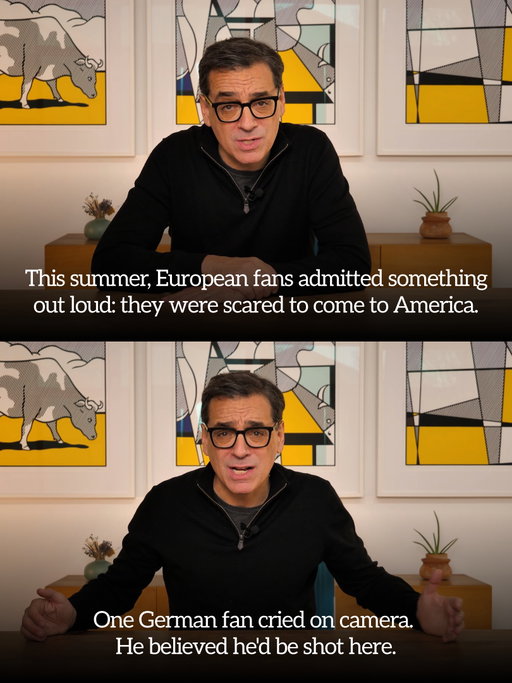
The science under the wholesome clips: Gordon Allport proposed the contact hypothesis at Harvard in 1954 — prejudice runs on distance, and direct contact starves it. Fifty years later, Thomas Pettigrew and Linda Tropp put it to the test across 515 studies, 250,000 people, and 38 countries (Journal of Personality and Social Psychology, 2006). The effect held almost everywhere — and the more rigorous the study, the stronger the result.
Here's the detail I keep thinking about: visitors forget the final score. They remember the stranger who said "welcome."
What was your World Cup moment — the one that had nothing to do with the score? I'm collecting them.
492K
15.1K
155
9mo ago
danielpink
What creates a meaningful life?
Research shows it's surprisingly simple: learning and growing, being generous and kind, and -- most important -- having people you love and who love you.
![The most dangerous time of day isn't what you think. It's 2pm.
Comment [PINK] and we'll DM you the link to watch the full talk on YouTube.
Daniel Pink breaks down why the afternoon trough is costing you more than you realize, and what to do about it.
Watch the full Genius Talk on YouTube. Link in bio.](https://cdn.socialpruf.com/instagram/thumbnails/3870268863456669925_74952427851?optimizer=image&width=512)
468K
18.7K
209
6mo ago
danielpink
The most dangerous time of day isn't what you think. It's 2pm.
Comment [PINK] and we'll DM you the link to watch the full talk on YouTube.
Daniel Pink breaks down why the afternoon trough is costing you more than you realize, and what to do about it.
Watch the full Genius Talk on YouTube. Link in bio.

463K
16.1K
96
10mo ago
danielpink
The power of persuasion lies in the questions you ask, not the commands you give.
Whether it’s parenting, sales, or leadership, remember this: Influence is strongest when it’s self-driven.

451K
14.6K
149
7mo ago
danielpink
Here are 5 books I want you to read.
424K
16.9K
78
6mo ago
danielpink
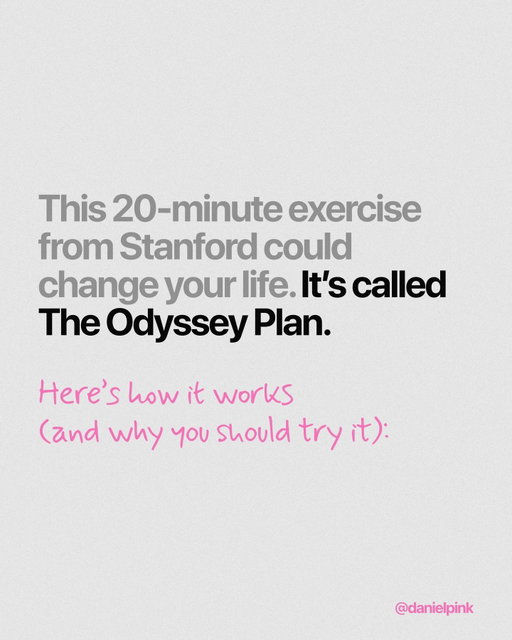
This 20-minute "Odyssey Plan" from Stanford is a brilliant exercise in designing your life, not just letting it happen. By imagining three different 5-year paths, you gain profound clarity and connect with your intrinsic motivations for a more purpose-driven future.
401K
26.1K
39
8mo ago
danielpink
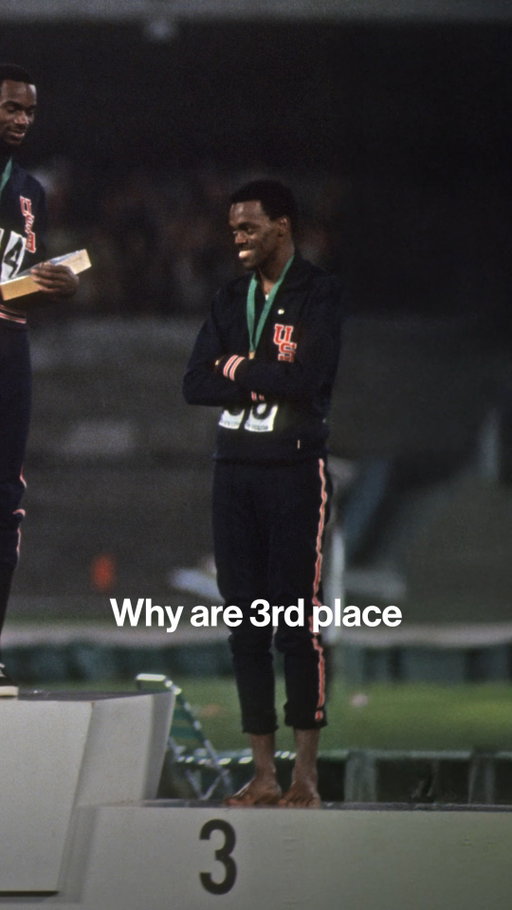
Why does 3rd place sometimes look happier than 2nd place? It comes from something called counterfactual thinking. This is the mind imagining alternative outcomes and comparing them to what actually happened.
Silver medalists usually compare upward.
They think, “I was so close to winning.”
That imagined version of gold makes the real result feel disappointing.
Bronze medalists compare downward.
They think, “I almost didn’t medal at all.”
That imagined outcome makes the real result feel better.
Same podium. Very different emotions.
This is a reminder that our feelings often come from the comparisons we create, not the outcome itself. Understanding that can help us navigate regret, motivation, and meaning with more clarity.
391K
17.2K
154
8mo ago
danielpink
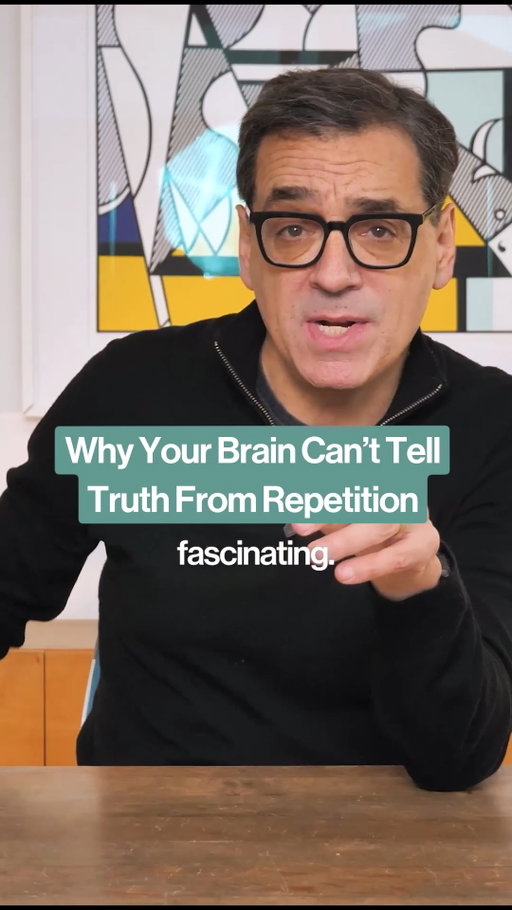
Your brain doesn’t care if a thought is true.
It cares if it’s familiar.
What you repeat becomes believable, and what you rehearse becomes identity.
Your thoughts aren’t background noise. They’re blueprints.
Daniel Pink (@danielpink) Instagram Stats & Analytics
Daniel Pink (@danielpink) has 326K Instagram followers with a 4.23% engagement rate over the past 12 months. Across 439 posts, Daniel Pink received 1.56M total likes and 38.1M impressions, averaging 3.55K likes per post. This page tracks Daniel Pink's performance metrics, top content, and engagement trends — updated daily. To benchmark @danielpink against other accounts, use Socialpruf's Instagram competitor analysis tool.
Daniel Pink (@danielpink) Instagram Analytics FAQ
How many Instagram followers does Daniel Pink have?+
Daniel Pink (@danielpink) has 326K Instagram followers as of October 2026.
What is Daniel Pink's Instagram engagement rate?+
Daniel Pink's Instagram engagement rate is 4.23% over the last 12 months, based on 439 posts.
How many likes does Daniel Pink get on Instagram?+
Daniel Pink received 1.56M total likes across 439 posts in the last 12 months, averaging 3.55K likes per post.
How many Instagram impressions does Daniel Pink get?+
Daniel Pink's Instagram content generated 38.1M total impressions over the last 12 months.
Can I compare Daniel Pink with other Instagram accounts?+
Yes. Add @danielpink to a competitor set with Socialpruf's Instagram competitor analysis tool and benchmark it side by side with any other public accounts on views, engagement rate and follower growth, with history back to each account's first post.