NewGet @hiddenbrainshow's full report

tiktok analytics
Similar Accounts:
tiktok analytics
Similar Accounts:
followers
4.37K
impressions
261K
likes
15.8K
comments
354
posts
60
engagement
6.19%
emv
$9.62K
Average per post
4.35K
Key Metrics
Impressions
monthly
Distributions
Content
54.8K
3.97K
71
1mo ago

hiddenbrainshow
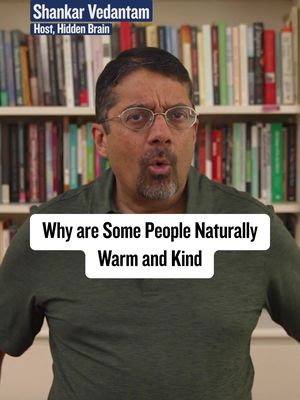
We treat empathy like a fixed trait: you either have it or you don't. But it behaves more like a muscle. Listen a little longer. Ask one more question. Picture the other side. Like any muscle, it grows when you use it.
22.7K
2.03K
31
2mo ago
hiddenbrainshow
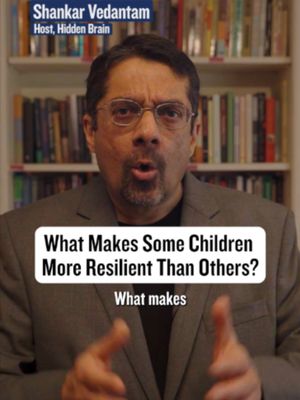
How well do you know the difficult chapters in your family’s story… and not just the happy ones? Psychologists Robyn Fivush and Marshall Duke found that the most resilient children tended to know both: the good moments and the hard ones. It turns out those tougher stories may be just as important.

18.9K
123
15
3w ago
hiddenbrainshow
Almost every parent would give a kidney to save their child, but far fewer of us would give one to a stranger. I talk to a neuroscientist who studies the rare people who don't draw that line, and what the rest of us can learn from them about the limits of our own kindness.
14.6K
260
1
1w ago
hiddenbrainshow
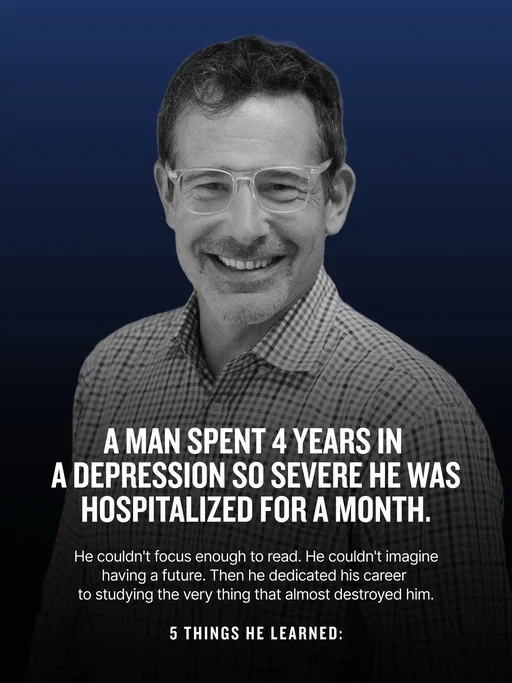
A man spent four years in a depression so severe it landed him in the hospital. He couldn't focus enough to read. He couldn't imagine a future. He spent the next several decades studying the condition that nearly ended his life. Here's what he found on the other side.

12.0K
638
10
1mo ago
hiddenbrainshow
A millionaire uses folding chairs for furniture. A man with two PhDs can't stop racking up debt. Both are following "money scripts," beliefs formed in childhood that quietly steer your spending. Once you name yours, you can start to rewrite it.
11.8K
587
41
1mo ago
hiddenbrainshow
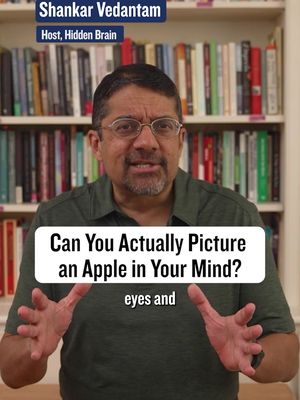
Close your eyes and picture an apple. Most see one. Some see nothing at all. It's called aphantasia, and it's a reminder: the person next to you might be experiencing the world in a way you can't even imagine.
10.8K
999
4
1mo ago
hiddenbrainshow
When a friend fails, you're warm and kind. When you fail, you call yourself stupid. But self-criticism triggers a threat response that keeps you stuck. Self-compassion is what actually helps you change. Try talking to yourself like someone you love.

8.39K
637
11
3mo ago
hiddenbrainshow
Most of us spend years climbing Maslow’s pyramid toward the peak of self-actualization. Stanford’s Dave Evans says that summit is probably out of reach. But there are more paths to fulfillment than you could pursue in multiple lifetimes. How can you fully be who you’re trying to be right now?
8.16K
519
13
2mo ago
hiddenbrainshow
We spend so much energy dreading the years ahead, but older adults consistently report more contentment, not less. A sense of limited time pushes them toward what matters most. You don't have to wait for age to do that math: ask now what you'd keep if your time were shorter.

7.45K
319
9
6d ago
hiddenbrainshow
We reach for neat and tidy explanations because the alternative that terrible things sometimes happen for no reason at all, is so much harder to bear. But when you love someone who's suffering, the best gift you can give them is your presence. Sit with them in their pain.
6.97K
107
3
1w ago
hiddenbrainshow
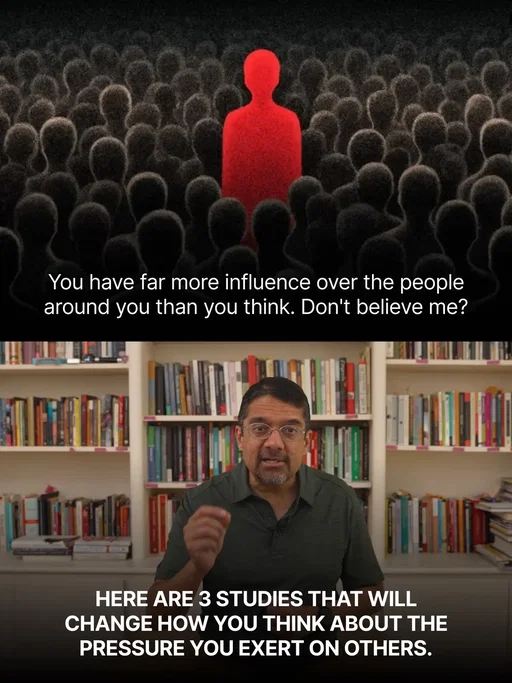
Psychologist Vanessa Bohns once ran a study where she asked volunteers to get a stranger to write the word "pickle" inside a library book. Most of the volunteers assumed almost no one would agree. But nearly two thirds of those asked agreed to deface the books. I explore why you have far more influence over the people around you than you think, even though you can almost never feel this pressure you exert on others.
6.80K
244
6
1w ago
hiddenbrainshow
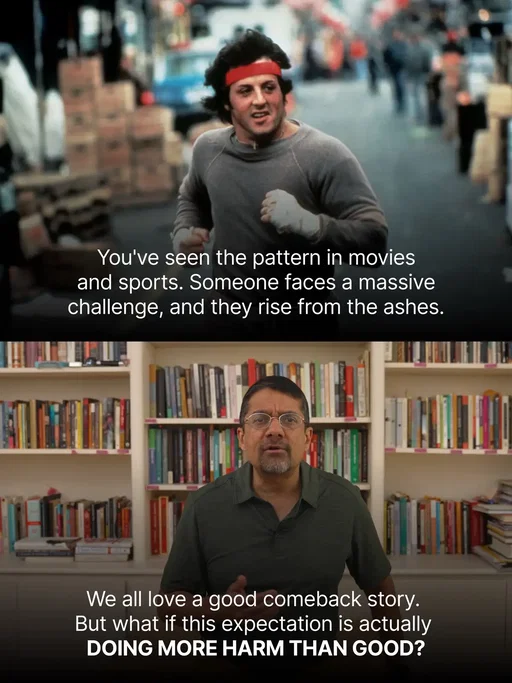
When Simone Biles pulled herself from events at the Tokyo Olympics, the backlash was intense. People called her a quitter. But that anger was never really about gymnastics; it was about her refusing to perform the comeback story we expected from her. I break down the invisible script researchers call a master narrative, and what happens when someone flouts it.

5.72K
372
6
1w ago
hiddenbrainshow
When we're suffering, most of us go silent, sure we'll be a burden to everyone around us. Kate found the opposite. The people who loved her were aching for a way in, and a bag of gummy bears became a way for them to say the thing that's hard to say: I can't fix this, but I'm here.
5.45K
443
6
2mo ago
hiddenbrainshow
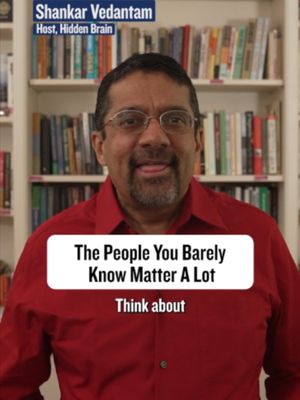
Ever land an opportunity through someone you barely know? Sociologist Mark Granovetter found people were more likely to get jobs through ‘weak ties’ than close friends, who already share your network. Even brief chats with near-strangers can lift mood and belonging almost as much as close friends do.

5.03K
344
10
1w ago
hiddenbrainshow
We reach for "at least" because someone else's pain unsettles us, and making it smaller makes our own world feel steadier. Kate's story is a reminder that the people who help most are often the ones who say very little, and simply stay.
4.70K
353
7
2w ago
hiddenbrainshow
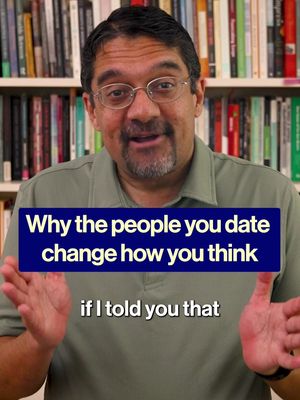
Scientists looked for what predicts creativity. The strongest signal? A serious romantic relationship with someone from a different culture. Not casual contact. The worldview you wrestle with for years is what rewires how you think.
4.24K
379
4
1mo ago
hiddenbrainshow
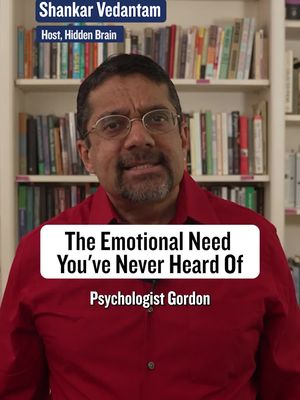
When psychologist Gordon Flett was hospitalized with liver failure, a nurse sat with him for hours in the dark. She didn't just check on him. She talked to him, like he was a person and not just a patient in a bed. That experience shaped Flett's research for years afterward. Now a psychologist at York University, he's spent his career studying what he calls mattering: the felt sense that you're noticed and significant to the people around you. When that feeling is missing, Flett's research links it to depression and loneliness, and in extreme cases, to violence. Some researchers who study school shooters have found loneliness and alienation running through many of their histories, along with a grim pattern: when every ordinary path to feeling significant seemed closed off, a few chose infamy instead. But the need to matter is universal, and meeting it doesn't have to be complicated. Sometimes the simplest thing you can do for another person is let them know you see them.
3.38K
244
5
2mo ago
hiddenbrainshow
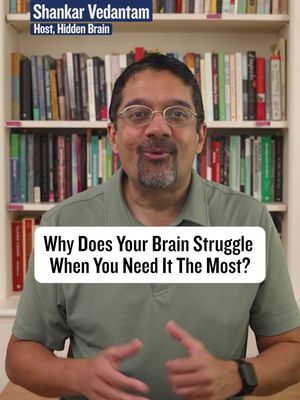
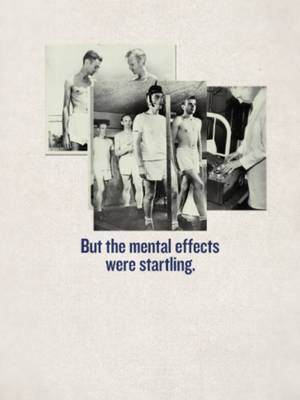
Under pressure, a second voice shows up: "I'm going to mess this up." Now half your focus is on the task, half on the panic. That's choking. The fix is almost too simple: tell yourself you're excited, not nervous. Your brain can't tell the difference.
3.01K
241
6
3mo ago
hiddenbrainshow
The job loss. The car repair that cost a small fortune. The growing credit card balance. Economists Sendhil Mullainathan and Eldar Shafir found that financial scarcity taxes the brain the same way hunger does. It consumes mental bandwidth and leaves less room for everything else.
2.91K
67
4
1mo ago
hiddenbrainshow
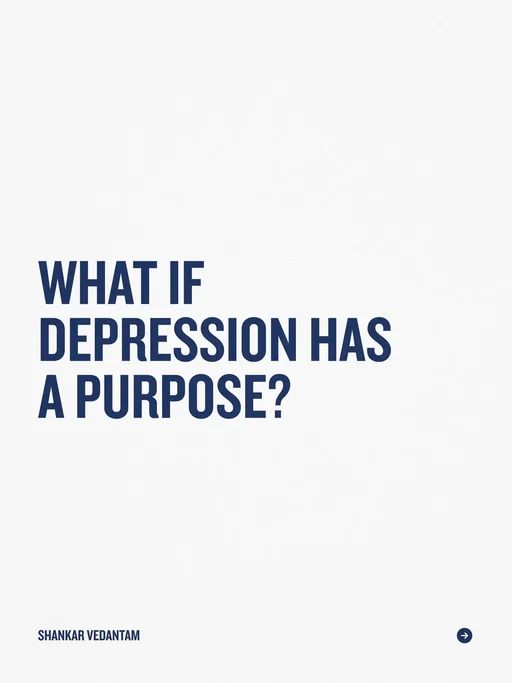
For centuries, doctors fought fever with everything they had. Then they realized it was the body fighting back. A psychologist at Cornell thinks we're making the same mistake with the mind. His research suggests depression isn't a defect. It's one of the oldest signals in human biology. And the story we've told about broken brains and chemical imbalances may be built on a flawed premise.
Hidden Brain (@hiddenbrainshow) TikTok Stats & Analytics
Hidden Brain (@hiddenbrainshow) has 4.37K TikTok followers with a 6.19% engagement rate over the past 12 months. Across 60.0 videos, Hidden Brain received 15.8K total likes and 261K views, averaging 264 likes per video. This page tracks Hidden Brain's performance metrics, top content, and engagement trends — updated daily. To benchmark @hiddenbrainshow against other accounts, use Socialpruf's TikTok competitor analysis tool.
Hidden Brain (@hiddenbrainshow) TikTok Analytics FAQ
How many TikTok followers does Hidden Brain have?+
Hidden Brain (@hiddenbrainshow) has 4.37K TikTok followers as of October 2026.
What is Hidden Brain's TikTok engagement rate?+
Hidden Brain's TikTok engagement rate is 6.19% over the last 12 months, based on 60.0 videos.
How many likes does Hidden Brain get on TikTok?+
Hidden Brain received 15.8K total likes across 60.0 videos in the last 12 months, averaging 264 likes per video.
How many TikTok views does Hidden Brain get?+
Hidden Brain's TikTok content generated 261K total views over the last 12 months.
Can I compare Hidden Brain with other TikTok accounts?+
Yes. Add @hiddenbrainshow to a competitor set with Socialpruf's TikTok competitor analysis tool and benchmark it side by side with any other public accounts on views, engagement rate and follower growth, with history back to each account's first post.