NewGet @ronald_vanloon's full report

instagram analytics
Similar Accounts:
instagram analytics
Similar Accounts:
followers
32.5K
impressions
203K
likes
2.94K
comments
392
posts
362
engagement
1.54%
emv
$5.30K
Average per post
562
Key Metrics
Impressions
monthly
Distributions
Content
13.7K
38
1
9mo ago

ronald_vanloon
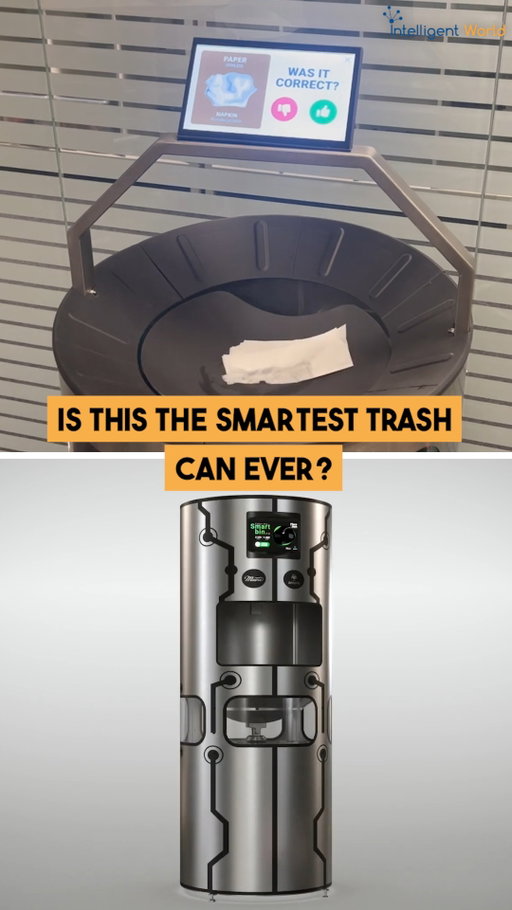
Trash just became a source of data.
What if your office bin could deliver insights on sustainability?
Ameru’s AI-powered trash can uses an 8MP camera and Nvidia AI to identify waste with 95%+ accuracy, then sorts it automatically — no mistakes, no confusion.
But here’s the real game-changer: it doesn’t just dispose of waste, it generates real-time analytics. Leaders can now track disposal patterns across offices, co-working hubs, or public spaces and prove their sustainability impact.
With 90+ categories detected and 230,000+ items scanned already, this isn’t a gimmick — it’s a scalable way to embed zero-waste practices into operations.
For executives, this means:
→ Compliance readiness: measurable ESG reporting.
→ Operational efficiency: reducing human error in sorting.
→ Brand leadership: visible commitment to sustainable innovation.
The takeaway? AI isn’t just automating processes. It’s turning overlooked pain points — like trash — into strategic opportunities.
@ameru.ai, thanks for sharing
Don't miss out on the latest AI advancements! Make sure to follow my channel!
#AI #WasteManagement #Sustainability #Automation #Innovation
9.52K
66
2
1mo ago
ronald_vanloon
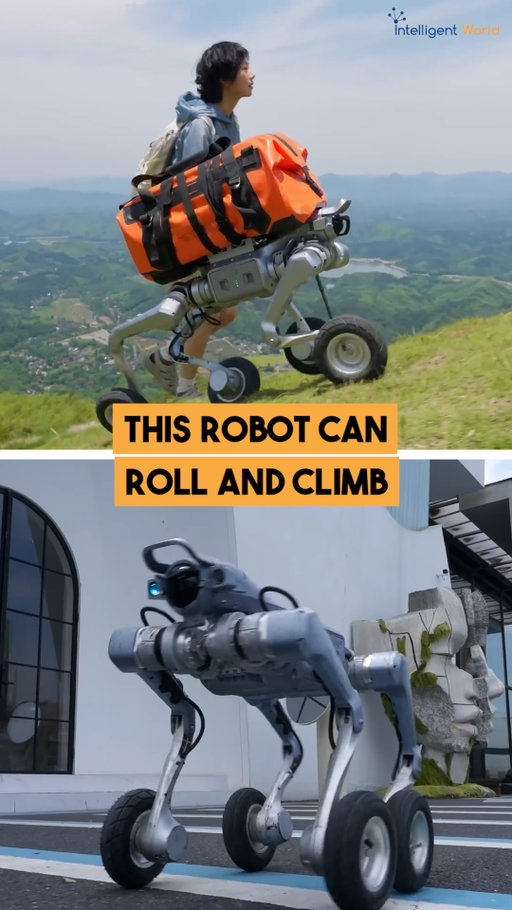
Wheels are cheap in energy terms. Legs are not. Every step burns power, which is why terrain capable robots have historically traded endurance for reach.
@Unitree Robotics's AS2-W Super Athlete refuses that trade. Seven inch wheels carry it above 6 meters per second on flat ground. When the surface turns to gravel, stairs, or a slope of around 45 degrees, the legs take over. Obstacles up to 80 centimeters stop being obstacles.
I went through the specs expecting speed to be the headline. It was not. The number that stood out was range: over 30 kilometers unloaded. That figure only works because the robot is not walking the easy stretches.
The second number matters more for anyone building on top of it. Developers can add up to 150 TOPS of onboard compute, alongside LiDAR, cameras, and an intelligent side follow system that tracks a person and moves alongside them.
That reframes the machine. Less a mobility demo, more a mobile compute platform that happens to reach places wheeled robots cannot.
For industrial inspection, security patrols, and equipment transport, the limiting factor was rarely ambition. It was an endurance and perception budget. Both just moved.
Don't miss out on the latest AI advancements! Make sure to follow my channel!
#AI #Robot #Engineering #MachineLearning #Robotics #Innovation #Automation
7.55K
55
1
1w ago
ronald_vanloon
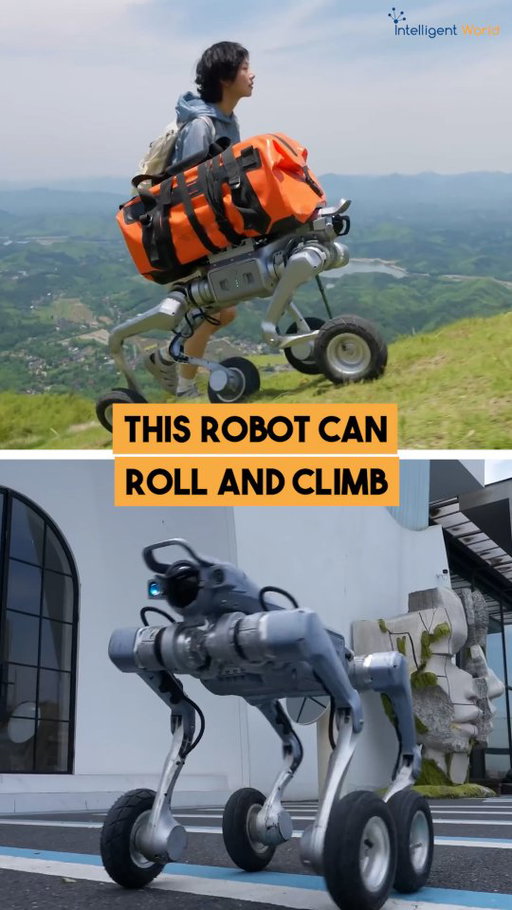
Wheels are cheap in energy terms. Legs are not. Every step burns power, which is why terrain capable robots have historically traded endurance for reach.
Unitree Robotics's AS2-W Super Athlete refuses that trade. Seven inch wheels carry it above 6 meters per second on flat ground. When the surface turns to gravel, stairs, or a slope of around 45 degrees, the legs take over. Obstacles up to 80 centimeters stop being obstacles.
I went through the specs expecting speed to be the headline. It was not. The number that stood out was range: over 30 kilometers unloaded. That figure only works because the robot is not walking the easy stretches.
The second number matters more for anyone building on top of it. Developers can add up to 150 TOPS of onboard compute, alongside LiDAR, cameras, and an intelligent side follow system that tracks a person and moves alongside them.
That reframes the machine. Less a mobility demo, more a mobile compute platform that happens to reach places wheeled robots cannot.
For industrial inspection, security patrols, and equipment transport, the limiting factor was rarely ambition. It was an endurance and perception budget. Both just moved.
Don't miss out on the latest AI advancements! Make sure to follow my channel!
#AI #Robot #Engineering #MachineLearning #Robotics Innovation Automation
3.48K
34
0
3w ago
ronald_vanloon
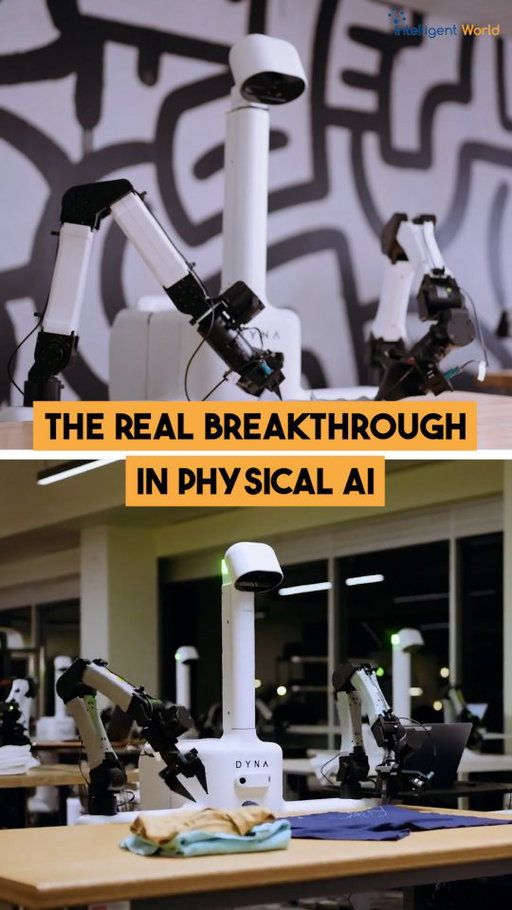
Most robotics demos show a machine completing a task. Almost none show what happens when the task goes wrong.
That gap is the whole problem.
A robot folding laundry in a lab handles one clean item, presented the same way every time. A robot folding laundry in a hotel handles items that are damp, tangled, wrinkled, and never positioned twice the same way.
I went through how the advanced systems actually close that gap, and the answer is architectural rather than one smarter model.
Several layers run at once. One interprets the instruction. Another plans the physical sequence. A separate control layer manages movement roughly one thousand times per second. Vision, touch, and proprioception feed back continuously, so the system notices when something has slipped and corrects mid motion instead of failing and stopping.
That last part matters more than the rest. Adaptation, not execution, is what separates a demo from a deployment.
For leaders evaluating physical AI, the question to put to a vendor changes. Not "can it do the task," but "what happens on attempt two hundred, when conditions have drifted." Repetitive workflows in laundry, hospitality, logistics, food service, and factories are bottlenecked by the same thing: variance.
@dynarobotics is building toward this with DYNA VLM, DYNA 2, and System 0.
Don't miss out on the latest AI advancements! Make sure to follow my channel!
#AI #Robotics #ComputerVision #DeepLearning #Automation Innovation Engineering
2.42K
24
4
11mo ago
ronald_vanloon
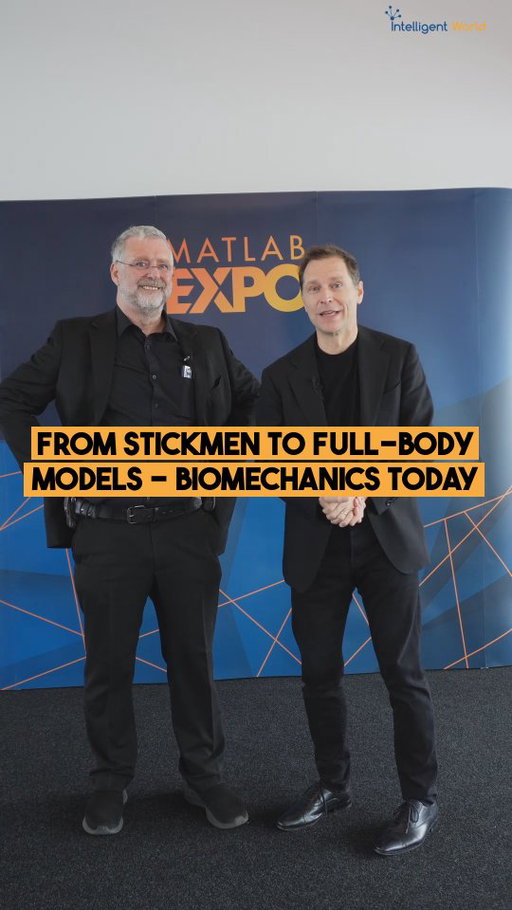
What if the most advanced “machine” we’ve ever studied isn’t made of steel or silicon — but muscle, bone, and brain?
From stick figures on paper to full-body digital twins — biomechanics has come a long way.
At MATLAB EXPO UK I spoke with James Shippen, Director at BoB Biomechanics, who explains, this field applies the same math used in aerospace and automotive engineering to the most complex “machine” of all: us.
Biomechanical modeling now enables quantitative analysis of human movement — transforming industries from sports performance and injury prevention to ergonomics and product design.
For leaders, the implications are massive:
→ Design smarter products that fit real human behavior, not assumptions.
→ Reduce risk and injury across workplaces and industries.
→ Leverage data-driven insight for faster, safer decisions in health, mobility, and manufacturing.
And the next leap?
AI-powered motion capture is replacing £150k lab setups with mobile, accessible solutions — making high-fidelity human modeling democratized.
We’ve gone from stickmen to full-body biomechanical intelligence.
The question now isn’t if your organization will use it — but how fast you’ll adapt.
Did you miss MATLAB EXPO UK and want more technical content? Register for MATLAB EXPO 2025 online! https://www.matlabexpo.com/online/2025.html?s_eid=PSM_26448
#MathWorksPartner @matlab #AI #Engineering #InjuryPrevention #Biomechanics #Innovation #MATLABEXPO
2.18K
34
0
11mo ago
ronald_vanloon
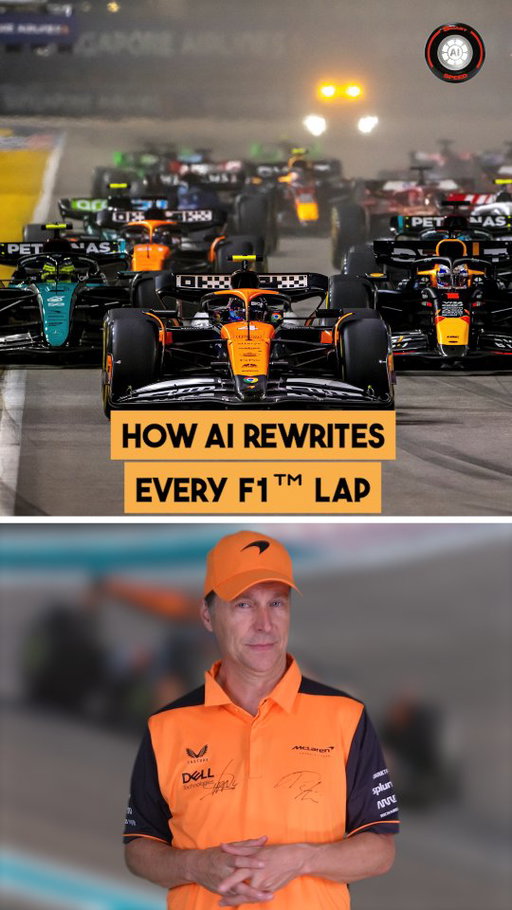
What if your best strategist never slept, never guessed, and never blinked?
The smartest mind in motorsport isn’t human anymore—it’s generative AI.
Before a race even begins, AI runs millions of “what-if” simulations: tire wear, rain forecasts, crashes, safety cars, driver aggression—all modeled in seconds. Strategy is no longer reactive; it’s pre-optimized.
This shift isn’t just about speed. It’s about decision quality at scale.
Imagine applying that same simulation logic to enterprise operations—supply chains, pricing, risk. AI now enables leaders to forecast complex outcomes with near-race precision.
For executives, the message is clear:
AI is moving from an analytical tool to a strategic co-pilot. It transforms intuition into insight, guesswork into simulation, and decisions into competitive advantage.
F1™ is just the case study. The real race?
How fast your organization learns to simulate the future before it happens.
#F1 #Formula1 #SmartSpeed #AI #Motorsport #Racing #MachineLearning #GenerativeAI #Tech
2.15K
19
0
10mo ago
ronald_vanloon
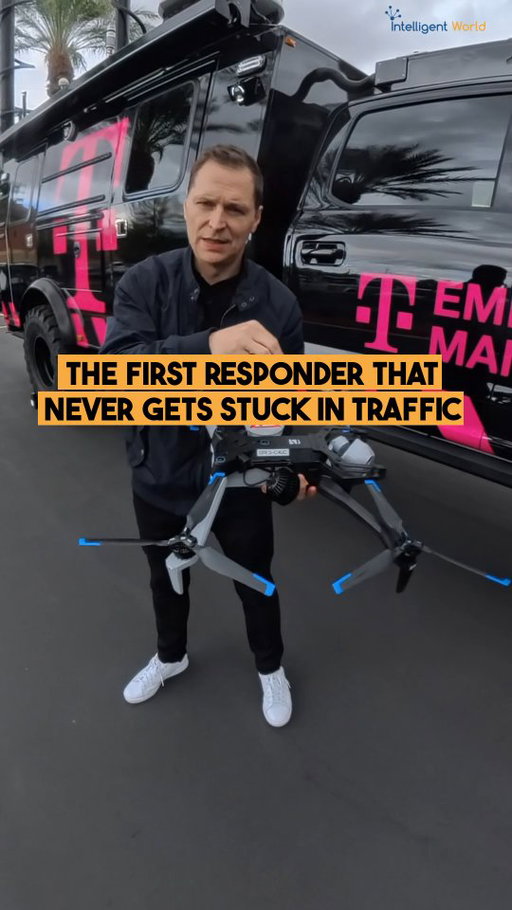
What happens when your first responder never gets stuck in traffic?
I had the chance to explore how the Las Vegas Grand Prix is redefining emergency response, and the innovation is impressive.
At the Las Vegas Grand Prix, a new Skydio drone supported by T-Mobile For Business is acting as a first responder, delivering situational awareness faster than any human team could reach the scene.
This aircraft captures high-definition video, thermal imaging, and audio, and it can operate autonomously or with manual control. It even carries a parachute for fail-safe deployment.
The critical element behind its performance is uninterrupted 5G connectivity. A dedicated network slice ensures the drone remains connected, even in extreme congestion with hundreds of thousands of mobile devices competing for bandwidth.
For executives, this is more than a compelling use case. It is a preview of how intelligent, network-resilient systems will reshape safety, operations, and decision making across industries.
Enterprises that depend on rapid response, distributed teams, or complex environments will increasingly turn to autonomous aerial systems paired with robust connectivity to reduce risk, accelerate insight, and improve outcomes.
This is not a future scenario, it is already happening at one of the world’s most demanding live events. Leaders should be asking where high fidelity aerial intelligence and guaranteed connectivity can unlock the next step change in their own operations.
T-Mobile for Business Partner | #LasVegasGrandPrix #5G #Drone #PublicSafety #Innovation #Connectivity #DigitalTransformation #Technology
2.07K
15
0
9mo ago
ronald_vanloon
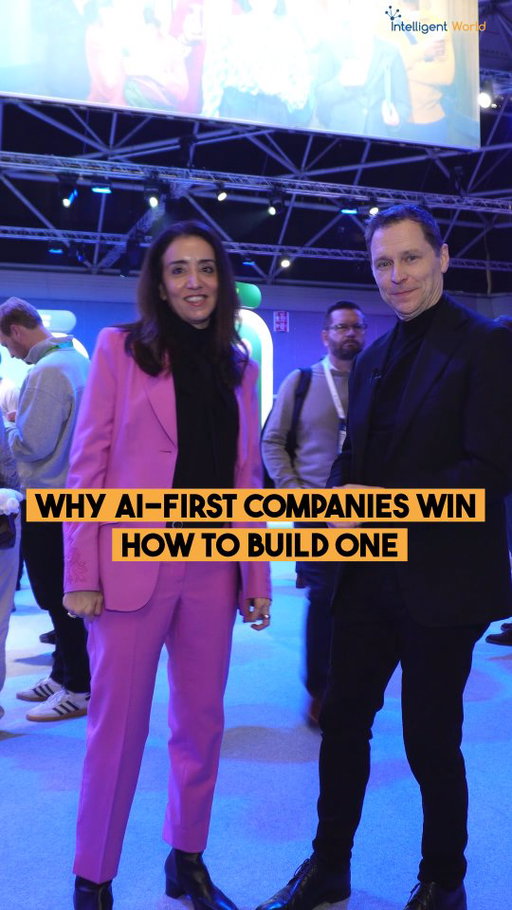
What if your workflows could change themselves in real time to deliver the best business outcome? This is the new competitive edge.
AI first companies are not simply adding new tools. They are redesigning how work happens. In this conversation, I explored with Hala Zeine, Chief Strategy Officer at @servicenow, one message stood out clearly: deterministic workflows are finished. The future is dynamic, outcome driven, and continuously adapting.
Old software relied on static rules. AI unlocks pattern recognition, prediction, and real time decisioning that reshapes how every employee creates value. Leaders who embrace this shift early will outpace those still optimizing yesterday's processes.
The real challenge is not technology. It is leadership. People rarely resist AI, they resist uncertainty. Clear communication, visible wins, and empowered change champions are what drive adoption at scale.
Small companies may gain the most. AI lets them operate with the reach and speed of much larger firms. They can expand markets, increase output, and innovate faster than ever.
As agentic AI accelerates, enterprise architecture must evolve. Systems built for the 20th century cannot keep up. Platforms that separate data, logic, and workflow will define the next decade of enterprise performance.
Executives who reimagine work now will create organizations that grow faster, operate more efficiently, and unlock the creativity people actually come to work for.
#ServiceNowPartner #AI #GenerativeAI #DigitalTransformation #Automation Innovation CloudComputing Tech
1.86K
30
1
3mo ago
ronald_vanloon
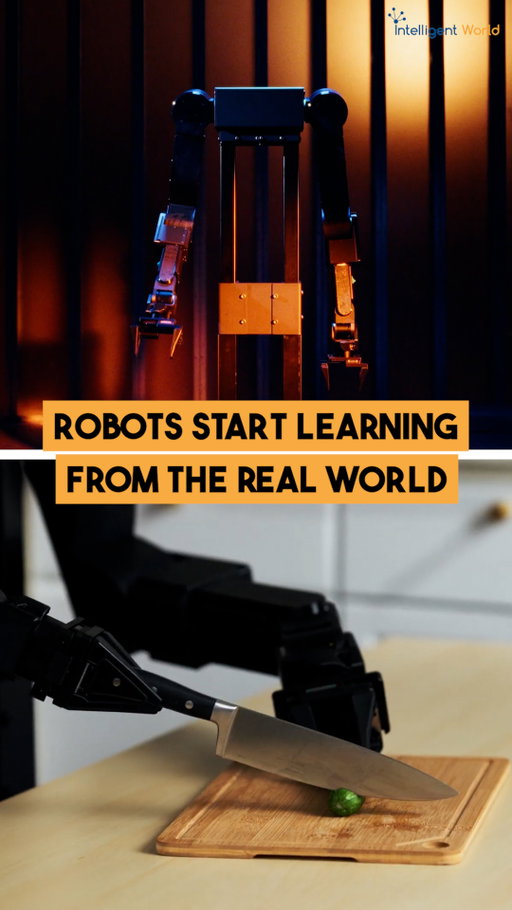
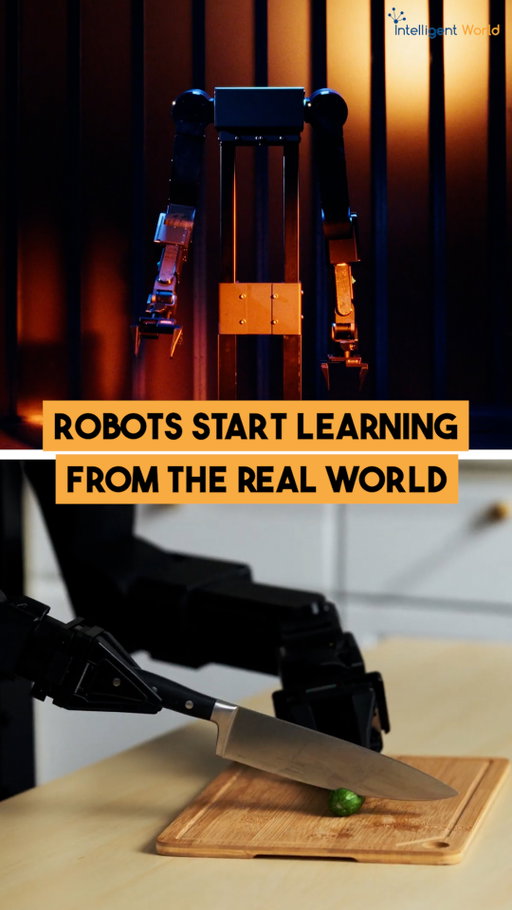
Physical AI won't be built by smarter algorithms alone. It'll be built by robots that can actually touch, grasp, and manipulate the real world.
I've been thinking a lot about what it actually takes to build physical AI, and it's more than a smart model.
A capable robot needs arms, cameras, control systems, software, and (most importantly) real world data to learn from.
That's exactly what I explored in Axol, a dual arm robot built by Almond.
Two 7 DOF arms. 860mm of reach per arm. 6.5kg of peak payload. A 500Hz control rate. Numbers like that translate directly into smoother movement and real manipulation capability, not just demos.
This design opens the door to warehouse picking, lab automation, manufacturing, data collection, VR teleoperation, and robotics research, all from one platform.
What stood out most: the software stack is fully open source, with Python tools, bimanual inverse kinematics, camera streaming, and LeRobot bindings built in. That's a meaningful signal for anyone building on top of it rather than around it.
For leaders evaluating where physical AI investment should go next, hardware and software are no longer separate bottlenecks. They're converging.
Don't miss out on the latest AI advancements! Make sure to follow my channel!
#AI #Robotics #Automation #MachineLearning #Innovation #Engineering #Tech
1.83K
15
1
1mo ago
ronald_vanloon
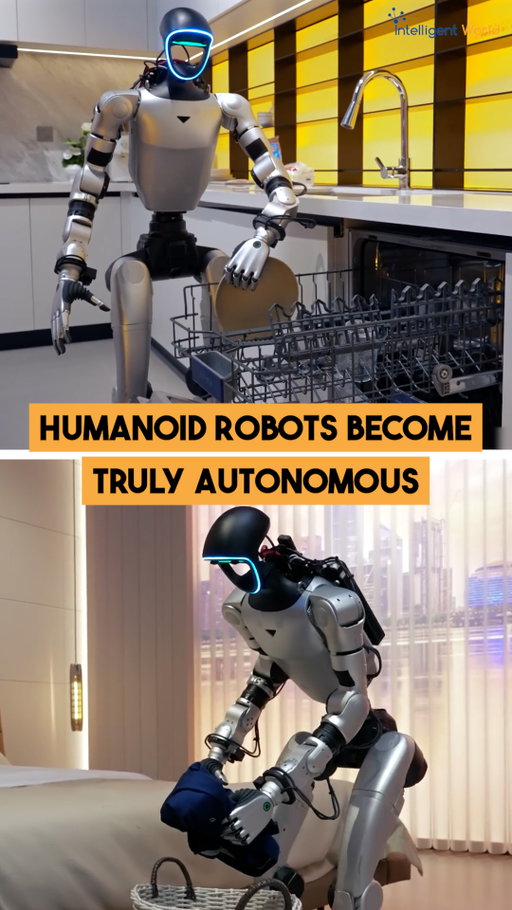
What if a single AI model could see, hear, move, and act, all inside one humanoid robot?
I have been tracking a shift in humanoid robotics that I think leaders across enterprise, healthcare, and home tech should pay attention to.
Most robots today are built around a narrow task. Pick this up. Walk this path. Repeat. Unitree's new UnifoLM OminiA 0.3 model takes a different approach. It fuses language understanding, vision, whole body movement, and manipulation into one system, so the robot can identify and count objects, retrieve medicine, move clothes into a laundry basket, load a dishwasher, and adjust a hospital style bed, all without switching models or routines.
What stood out to me most is that it can respond to spoken instructions while it is already mid task. That is a meaningful step away from scripted automation and toward something closer to adaptive assistance, especially in home care and wellness settings where conditions change by the minute.
I explored what this generalist approach means for the next stage of physical AI in my latest video.
For leaders evaluating robotics investments, this points to a broader shift: value is moving from single purpose machines toward adaptable systems that hold context across an entire environment.
If you want to keep exploring where physical AI and robotics are headed, the link below is a good next stop.
Don't miss out on the latest AI advancements! Make sure to follow my channel!
#AI #Robotics #Robot #Engineering #MachineLearning #Automation #Innovation
1.82K
23
1
2mo ago
ronald_vanloon
Physical AI won't be built by smarter algorithms alone. It'll be built by robots that can actually touch, grasp, and manipulate the real world.
I've been thinking a lot about what it actually takes to build physical AI, and it's more than a smart model.
A capable robot needs arms, cameras, control systems, software, and (most importantly) real world data to learn from.
That's exactly what I explored in Axol, a dual arm robot built by Almond.
Two 7 DOF arms. 860mm of reach per arm. 6.5kg of peak payload. A 500Hz control rate. Numbers like that translate directly into smoother movement and real manipulation capability, not just demos.
This design opens the door to warehouse picking, lab automation, manufacturing, data collection, VR teleoperation, and robotics research, all from one platform.
What stood out most: the software stack is fully open source, with Python tools, bimanual inverse kinematics, camera streaming, and LeRobot bindings built in. That's a meaningful signal for anyone building on top of it rather than around it.
For leaders evaluating where physical AI investment should go next, hardware and software are no longer separate bottlenecks. They're converging.
Don't miss out on the latest AI advancements! Make sure to follow my channel!
#AI #Robotics #Automation #MachineLearning #Innovation #Engineering #Tech

1.78K
71
7
10mo ago

ronald_vanloon
2025 F1 World Champions! 🏆🧡
Huge congratulations to Lando Norris, Zak Brown, and the entire McLaren Racing family!
Witnessing this journey of passion, precision, and relentless dedication has been truly inspiring.
This title wasn’t just won on the track — it was built through innovation, teamwork, and belief.
Here’s to a legendary season and a champion who earned every second of it. 🏁✨
#WorldChampion #LandoNorris #McLaren #F1 #RacingFamily
1.65K
8
1
2mo ago
ronald_vanloon
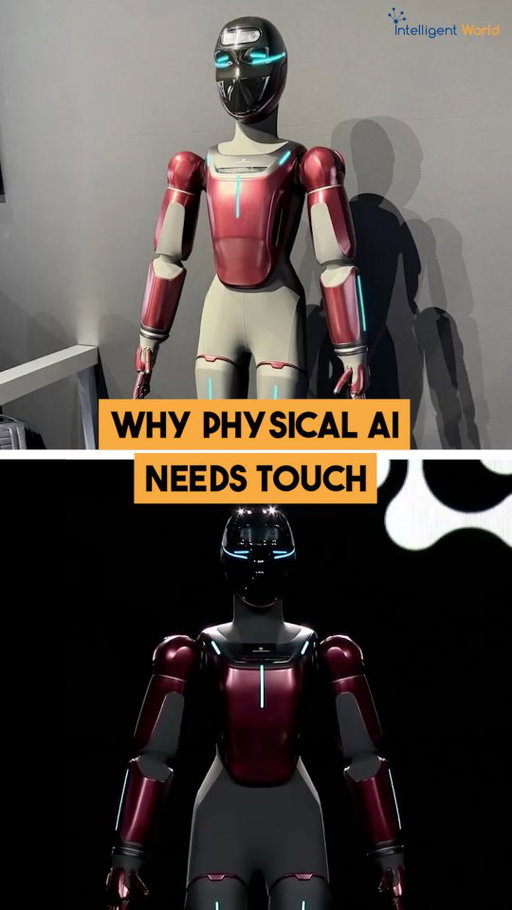
A robot that can see and talk but can't feel a human hand isn't ready for the real world.
I've been exploring why physical AI keeps stalling once it leaves a screen and enters a factory floor or a hospital room.
The answer isn't more compute. It's touching.
Vision and language get an AI most of the way there. But the real world runs on contact, pressure, and intent that only a body can sense.
Generative Design creates structures optimized for movement: efficient, stable, and built for how a machine actually moves, not just how it looks in a render.
Physical AI is what makes those movements responsive. When tactile sensing, force feedback, and vision work together at high frequency, a system can detect contact, interpret it, and respond safely, not just react.
This is why the shift matters for leaders right now. In manufacturing, machines need to adapt to changing tasks on the fly. In healthcare, physical interaction has to be precise, gentle, and reliable every single time. Neither tolerates a system that only sees without truly feeling.
This is the foundation behind GENE.01, the product DNA built by @gbionics, and it's a strong signal for where physical AI is heading next.
If you're tracking where robotics and AI are converging, this is worth exploring.
Don't miss out on the latest AI advancements! Make sure to follow my channel!
#AI #Robotics #Engineering #DataScience #Automation MachineLearning Innovation
1.62K
21
1
2mo ago
ronald_vanloon
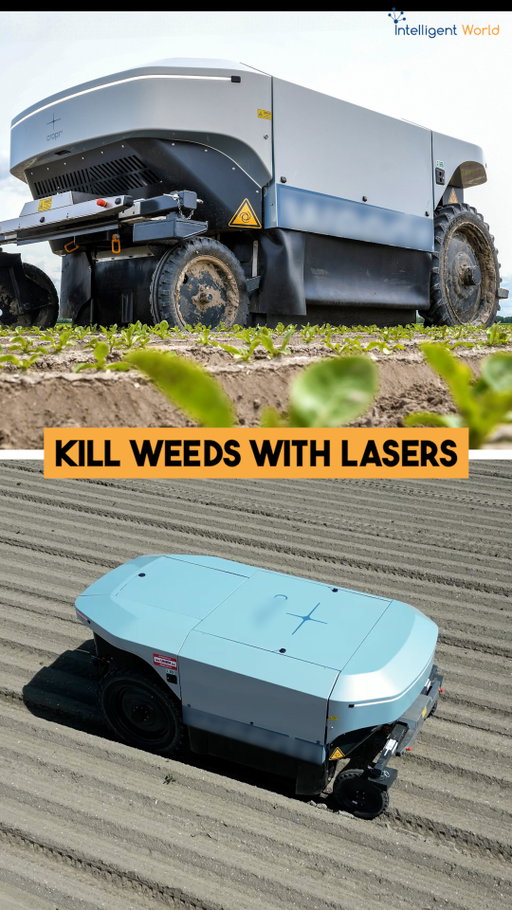
A robot in a Dutch onion field is making 28 irreversible decisions every second, and not one of them involves a human.
Herbicide rules are tightening across Europe. Agricultural labor gets harder to find every season. Most responses to that squeeze have been incremental.
@cropr.ai, a Dutch startup, went the other way. Their autonomous Weedr scans every plant with onboard cameras. AI classifies it as crop or weed in real time. Only then do the lasers fire, burning the weed's chlorophyll with millimeter precision while the crop beside it stays untouched.
No blanket spraying. No chemicals. Far less impact on the soil. The machine navigates itself with GPS RTK, runs 24 hours a day, and fires 28 shots every second across onions, carrots, chicory, and lilies.
I went deep on this one because it clarifies something I think leaders are underweighting. We have spent three years discussing AI that drafts, summarizes, and recommends. This is AI that acts, physically, with no undo button. A misclassification does not produce a weak paragraph. It destroys a crop.
That raises the bar on model accuracy, edge latency, failure modes, and liability. It also raises the ceiling. Once perception gets cheap and reliable enough, entire categories of chemical and manual input become optional.
Agriculture is simply where it surfaced first.
Don't miss out on the latest AI advancements! Make sure to follow my channel!
#AI #AgTech #SmartFarming #Robotics #SustainableAgriculture #Automation #Innovation
1.59K
24
0
10mo ago
ronald_vanloon
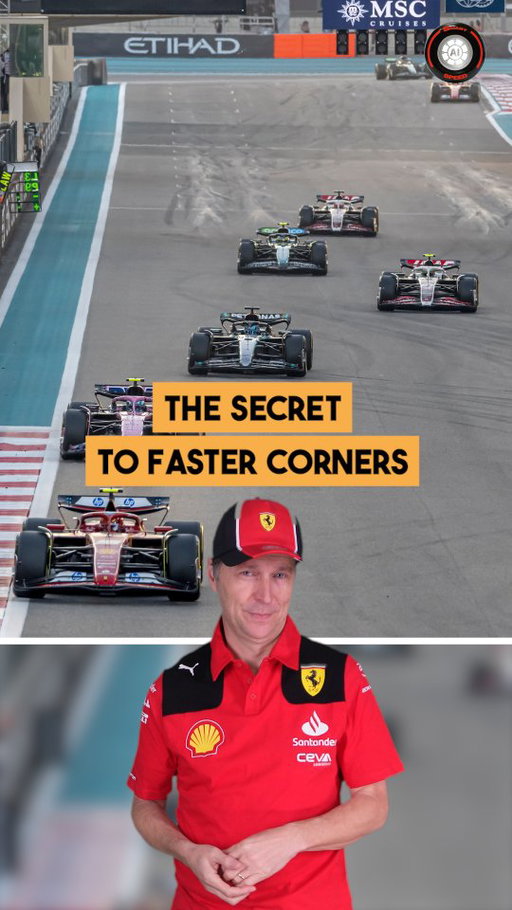
The future of speed isn’t symmetrical.
In motorsport, perfection used to mean balance — until AI proved that controlled imbalance can win races.
AI-powered asymmetrical braking uses real-time data from each wheel — yaw rate, tire temps, even past laps — to adjust braking force per wheel before the driver reacts. One side brakes harder, the other lighter — and the result is faster, smarter cornering.
Here’s the business lesson: AI doesn’t just automate—it anticipates.
The same predictive intelligence that optimizes cornering can optimize enterprise systems, supply chains, and decision-making. When data moves faster than human reflexes, organizations gain agility that feels like intuition.
We’re entering a world where AI redefines balance — in racing, operations, and leadership.
It’s not about even distribution; it’s about intelligent distribution.
F1 meets machine learning.
Performance meets prediction.
Speed meets strategy.
Love technology that bends the rules to go faster?
#F1 #Formula1 #SmartSpeed #AI #MachineLearning #Motorsport #Racing #Engineering #Innovation
1.53K
21
2
9mo ago
ronald_vanloon
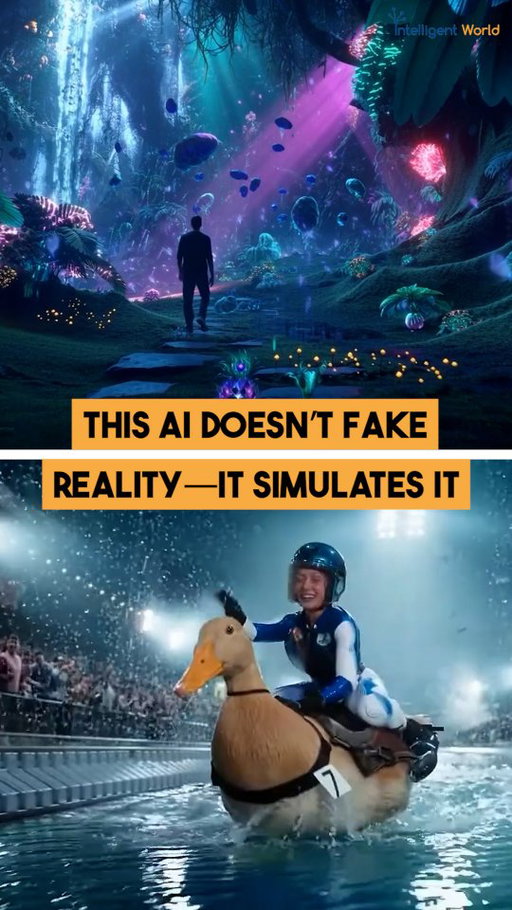
What happens when AI stops faking reality and starts understanding it?
Most AI models generate what looks real. But the real revolution begins when AI understands how the world works—its physics, sound, and continuity.
Sora 2 by @openai marks that shift. It doesn’t guess how objects move, it simulates them. Weight, torque, light, and motion behave as they would in real environments. Dialogue syncs naturally. Scenes stay consistent across multiple shots. It feels less like animation, more like observation.
For leaders, this isn’t about prettier videos. It’s about digital environments that behave like the real world—a foundation for next-generation robotics, immersive training, synthetic data, and enterprise simulation.
Imagine testing a supply chain, training a robot, or prototyping a product—all inside a physics-accurate virtual world.
This is not just creative innovation, it’s operational foresight. The ability to model reality with precision will redefine how organizations train, predict, and design.
AI isn’t just generating pixels anymore. It’s learning how the world works—and letting us explore it safely, infinitely, and intelligently.
Follow for insights on the frontier of synthetic reality and enterprise AI strategy.
Don't miss out on the latest AI advancements! Make sure to follow my channel!
#AI #GenerativeAI #ContentCreation #Creators #Robotics
1.36K
21
2
10mo ago
ronald_vanloon
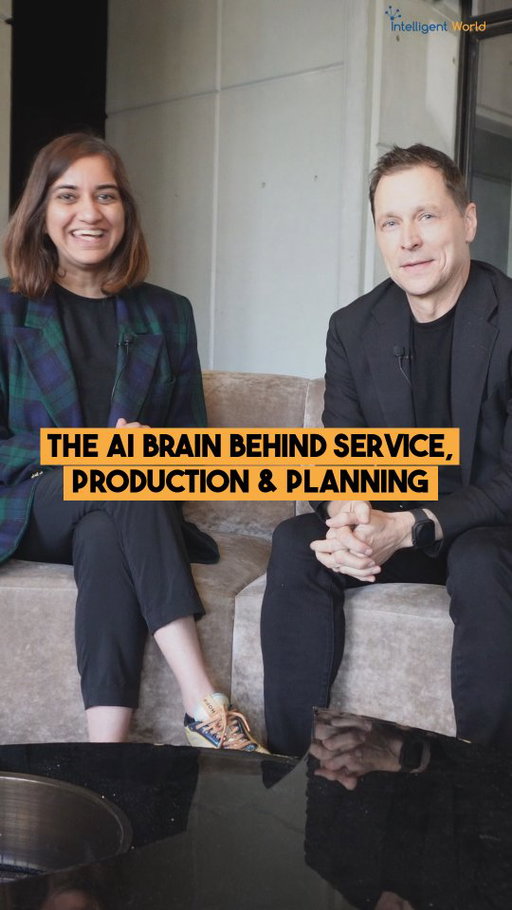
AI is no longer a tool, it is becoming the second brain behind every technician, planner, and frontline worker.
At @ifs.ai Industrial AI X Unleashed, I sat down with Kriti Sharma, CEO of IFS Nexus Black, to explore how industrial AI is reshaping service, production, and planning across every sector. The shift is bigger than most executives realize.
Today, AI is not simply automating tasks, it is elevating the capabilities of human experts. A windshield technician can now diagnose complex ADAS related issues from a single photo, then arrive onsite with the exact tools, parts, and calibration data. Precision becomes standard, not optional.
In Scotland, distillers like William Grant & Sons are moving from emergency repairs to predictive reliability. The result is millions saved, fewer production losses, and knowledge captured before it disappears.
Technicians no longer wait for generic instructions, they receive personalized, visual guidance with route plans, risks, and the exact steps needed to restore critical infrastructure.
For leaders, this matters. AI is shifting from chatbot-style interactions to deep planning, reasoning, and real world orchestration. The companies that embrace this new layer of intelligence will operate safer, faster, and far more resilient than those who wait.
Step by step, problem by problem, this is how industrial AI becomes enterprise ready.
#IFSpartner #IFS #IndustrialAI #IndustrialX #AI #Automation #GenerativeAI #DigitalTransformation #Innovation #Production #Tech
1.36K
13
1
1mo ago
ronald_vanloon
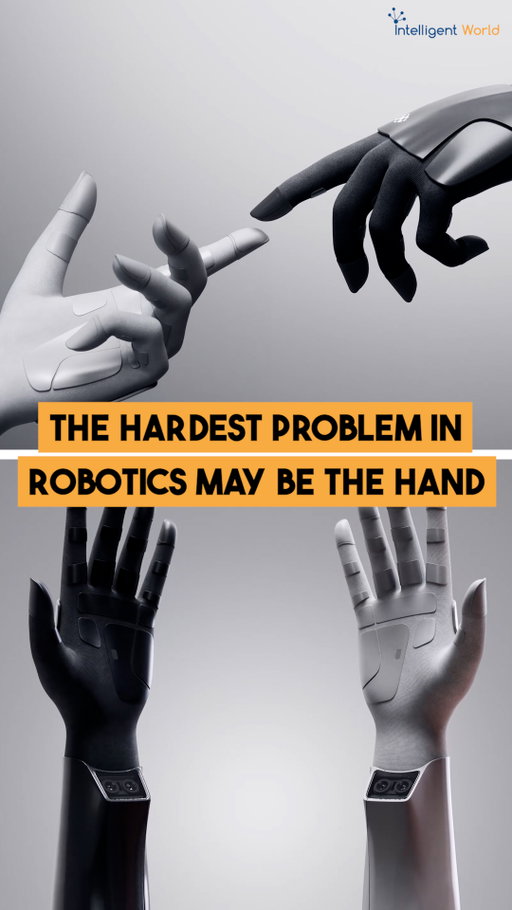
Robotics has solved locomotion, vision, and reasoning. The hand remains unsolved until now.
Most people obsessing over robot intelligence are asking the wrong question.
The real bottleneck is touch.
I explored what it actually takes to build a robotic hand capable of operating in the real world, and the numbers are staggering.
The Xynova Flex 2 has 23 degrees of freedom, weighs just 400 grams, and executes two fist extensions per second. It repeats movements with 0.1 millimeter accuracy and controls force down to 0.05 Newton.
That means the same hand can grip a steel beam and cradle a raw egg.
Why does this matter for leaders and enterprises?
Dexterity is the final hardware frontier in robotics. Every unfulfilled use case in humanoid robots, warehouse automation, surgical assistance, and extreme environment operations traces back to the hand problem.
When that problem is solved at scale, the deployment calculus for robotics changes entirely. The ROI timelines compress. The industries disrupted expand.
We are not at general-purpose robotic dexterity yet. But systems like this close the gap faster than most roadmaps anticipated.
Explore the latest breakthroughs in robotics and next-gen automation here.
Don't miss out on the latest AI advancements! Make sure to follow my channel!
#AI #Robotics #Automation #Engineering #Innovation #MachineLearning #Tech
1.34K
19
2
10mo ago
ronald_vanloon
What happens when machines can grip, move, and endure better than us—without needing a world redesigned for them?
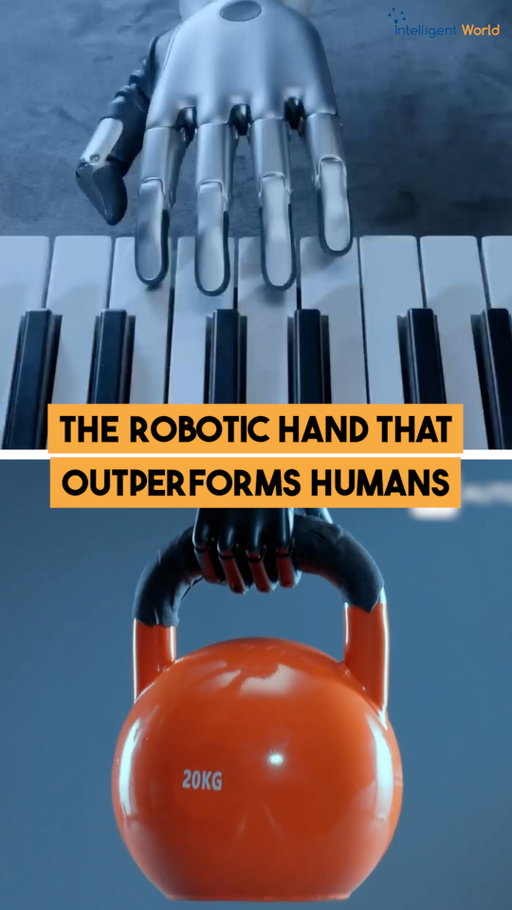
A robotic hand, lighter than a can of soda, now lifts 20 kilos, threads a needle, and never tires. It doesn’t just mimic humans—it outperforms us in strength, precision, and endurance.
Why does this matter? Because adaptability is the barrier that’s held robotics back. Most machines need custom tools, controlled settings, or simplified environments. This hand doesn’t. It works with our existing world—pens, tools, cups, fabrics.
For leaders, this changes the equation:
→ Factories can integrate automation without expensive retooling.
→ Healthcare gains assistants with human dexterity but superhuman stamina.
→ Humanoids step closer to practical everyday use.
This isn’t just a new product—it’s a strategic signal. Robotics is shifting from designed-for-robots environments to designed-for-humans compatibility.
That’s where real scale happens.
@autodiscoveryrobotics’s Revo-2 dexterous hand, built for the Unitree G1 humanoid robot, is a glimpse into that future.
Discover the latest AI innovations! Make sure to follow my channel!
#AI #Robotics #Robots #MachineLearning #Automation #Engineering #Tech
1.29K
25
1
1mo ago
ronald_vanloon
A humanoid robot can be smart, fast, and impressive, and still be useless on a factory floor.
I've been thinking about why so many humanoid robots look impressive in demos but stall out in real operations.
The answer isn't capability. It's uptime.
Factories don't stop. Warehouses don't stop. Logistics and inspection work don't stop either.
So when a robot needs hours to recharge, it isn't solving the problem, it's creating a new one.
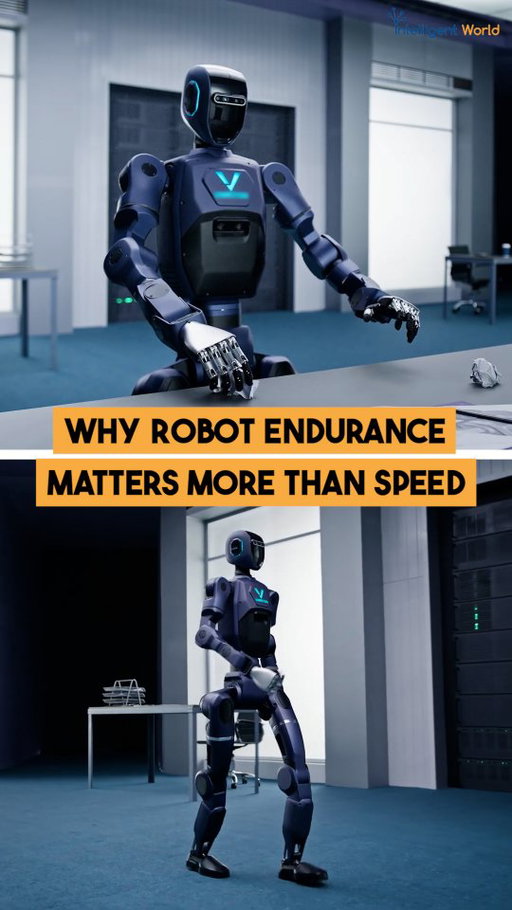
That's what makes Motion 2 worth paying attention to. It combines agility to move through human spaces, durability for repeated tasks, and a one minute automatic battery hot swap that all but eliminates downtime.
Instead of waiting on a charge cycle, the robot swaps power and keeps working, across warehouses, manufacturing lines, inspection routes, and facility operations.
For leaders evaluating physical AI, this is the real benchmark: not how fast a robot moves, but how long it stays useful without human intervention.
I explored what a reliable physical AI agent looks like in practice, and it's built around this exact tradeoff.
If your team is evaluating robotics for continuous operations, it's worth a look.
VinMotion, thanks for sharing
Don't miss out on the latest AI advancements! Make sure to follow my channel!
#AI #Robotics #Manufacturing #Logistics #Engineering Automation Innovation
Ronald Van Loon (@ronald_vanloon) Instagram Stats & Analytics
Ronald Van Loon (@ronald_vanloon) has 32.5K Instagram followers with a 1.54% engagement rate over the past 12 months. Across 362 posts, Ronald Van Loon received 2.94K total likes and 203K impressions, averaging 8.13 likes per post. This page tracks Ronald Van Loon's performance metrics, top content, and engagement trends — updated daily. To benchmark @ronald_vanloon against other accounts, use Socialpruf's Instagram competitor analysis tool.
Ronald Van Loon (@ronald_vanloon) Instagram Analytics FAQ
How many Instagram followers does Ronald Van Loon have?+
Ronald Van Loon (@ronald_vanloon) has 32.5K Instagram followers as of October 2026.
What is Ronald Van Loon's Instagram engagement rate?+
Ronald Van Loon's Instagram engagement rate is 1.54% over the last 12 months, based on 362 posts.
How many likes does Ronald Van Loon get on Instagram?+
Ronald Van Loon received 2.94K total likes across 362 posts in the last 12 months, averaging 8.13 likes per post.
How many Instagram impressions does Ronald Van Loon get?+
Ronald Van Loon's Instagram content generated 203K total impressions over the last 12 months.
Can I compare Ronald Van Loon with other Instagram accounts?+
Yes. Add @ronald_vanloon to a competitor set with Socialpruf's Instagram competitor analysis tool and benchmark it side by side with any other public accounts on views, engagement rate and follower growth, with history back to each account's first post.