instagram analytics
Similar Accounts:
followers
7.82M
impressions
238M
likes
5.65M
comments
228K
posts
170
engagement
2.35%
emv
$6.46M
Average per post
1.40M

Key Metrics

Distributions

Top Content

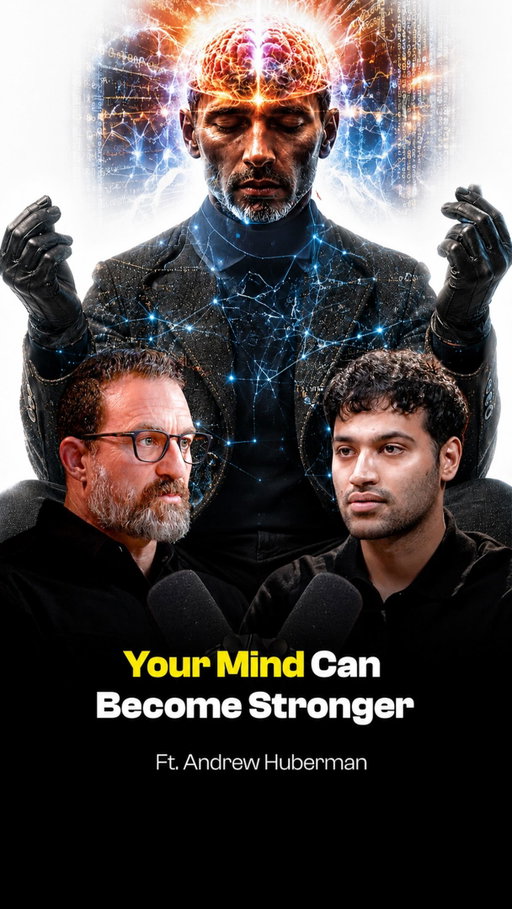
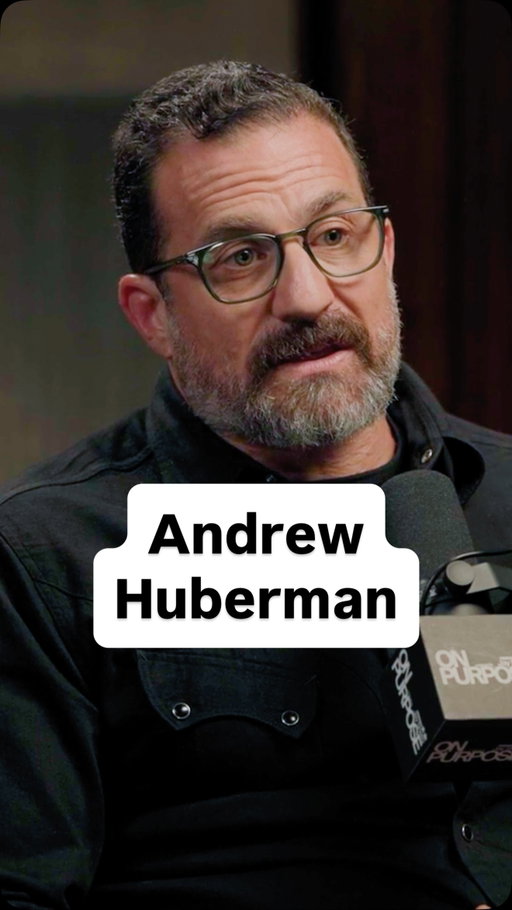
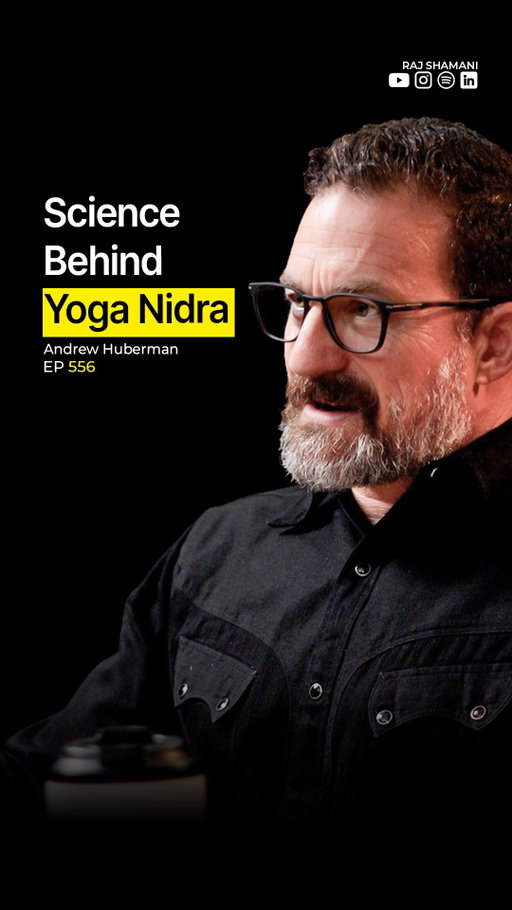
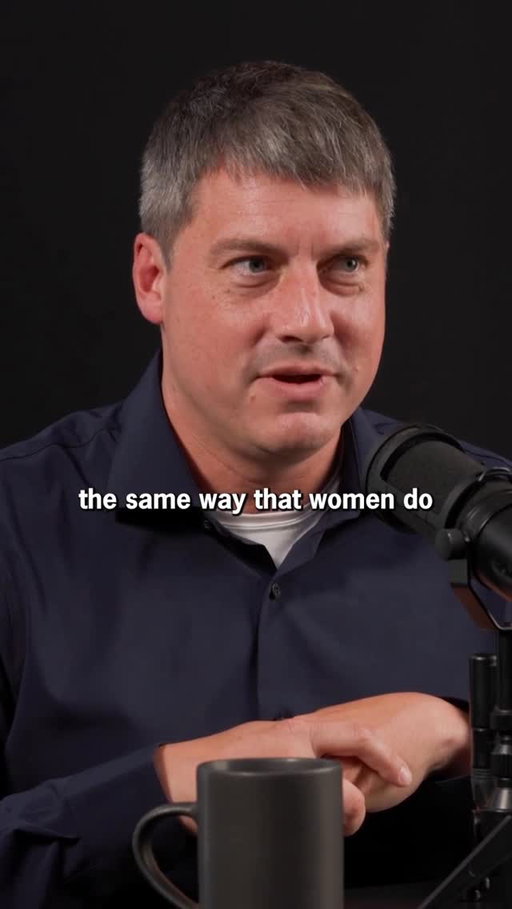
The fastest way to de-stress w/ @hubermanlab on #RealTimeHBO. 

Watch the full conversation with @billmaher on @hbomax. 

#mindbodyconnection #destress #neuroscience #mentalhealth #physicalhealth #physiology
10.1M
342K
1.57K
11mo ago
hubermanlab
The fastest way to de-stress w/ @hubermanlab on #RealTimeHBO. Watch the full conversation with @billmaher on @hbomax. #mindbodyconnection #destress #neuroscience #mentalhealth #physicalhealth #physiology
MOST DOGS NEED FAR MORE EXERCISE THAN THEY CURRENTLY ARE GETTING TO BE HAPPY & HEALTHY •
-
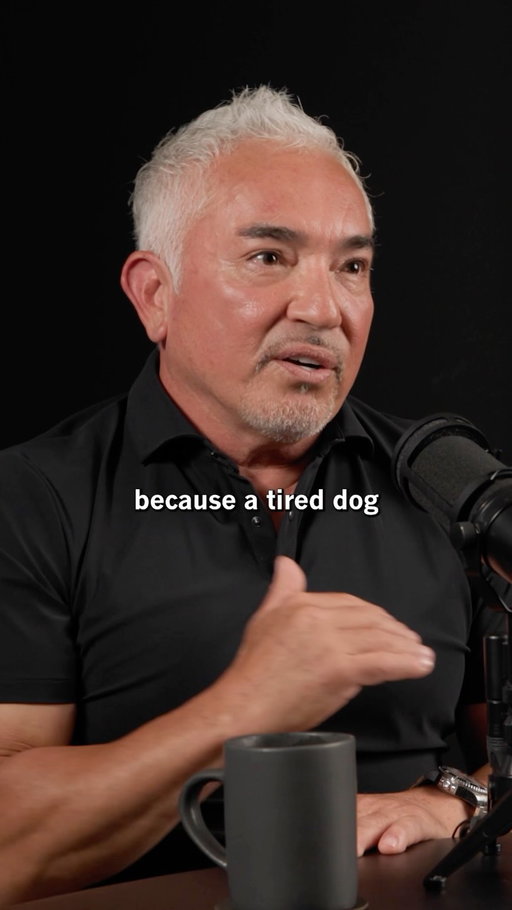
Cesar Milan aka the Dog Whisperer was my guest on the recent Huberman Lab podcast. 

Most people do not walk their dogs enough and it causes their dogs to be anxious and unhealthy much of the time. 
Most dogs need at least 30 min brisk walks (and up to 60 min or more) twice per day every day. Some breeds need far more. 

Tiring out your dog is so crucial to their wellbeing. The daily walks are of course also good for you. People often ask me if the morning sunlight viewing I always talk about for humans pertains to animals too and the short answer is yes: absolutely — same neurons in the eyes and brain govern the improved mood and sleep that morning sun viewing triggers.

I raised both my bulldog-mastiffs (and pit) mutts using Cesar’s methods and they worked terrifically well both times… and that is a stubborn (and in the case of Strummer, my second dog also super energetic) breed.

The 2, 45-60 min structured walks per day were/are what  is needed and often a good 4mike hike on the weekend and mid week too. 

People debate dog training methods but to my knowledge, everyone agrees that dogs need exercise. Also, the vets I consulted (I have one in my family!) confirmed most people just don’t exercise their dogs nearly enough. 

The episode with Cesar covers: selecting the right dog, setting your energy to lead your dog, knowing how much to exercise your dog, fixing behavioral issues, and much more. 

You can find it at Hubermanlab.com 

Please put questions below and thank you for your interest in science!
 
@stanford.med @stanford @cesarsway 
#neuroscience #science #ciencia #neurociencia
5.85M
104K
3.08K
1mo ago
hubermanlab
MOST DOGS NEED FAR MORE EXERCISE THAN THEY CURRENTLY ARE GETTING TO BE HAPPY & HEALTHY • - Cesar Milan aka the Dog Whisperer was my guest on the recent Huberman Lab podcast. Most people do not walk their dogs enough and it causes their dogs to be anxious and unhealthy much of the time. Most dogs need at least 30 min brisk walks (and up to 60 min or more) twice per day every day. Some breeds need far more. Tiring out your dog is so crucial to their wellbeing. The daily walks are of course also good for you. People often ask me if the morning sunlight viewing I always talk about for humans pertains to animals too and the short answer is yes: absolutely — same neurons in the eyes and brain govern the improved mood and sleep that morning sun viewing triggers. I raised both my bulldog-mastiffs (and pit) mutts using Cesar’s methods and they worked terrifically well both times… and that is a stubborn (and in the case of Strummer, my second dog also super energetic) breed. The 2, 45-60 min structured walks per day were/are what is needed and often a good 4mike hike on the weekend and mid week too. People debate dog training methods but to my knowledge, everyone agrees that dogs need exercise. Also, the vets I consulted (I have one in my family!) confirmed most people just don’t exercise their dogs nearly enough. The episode with Cesar covers: selecting the right dog, setting your energy to lead your dog, knowing how much to exercise your dog, fixing behavioral issues, and much more. You can find it at Hubermanlab.com Please put questions below and thank you for your interest in science! @stanford.med @stanford @cesarsway #neuroscience #science #ciencia #neurociencia
GRIP STRENGTH & LONGEVITY: “LIVE HANGS” 

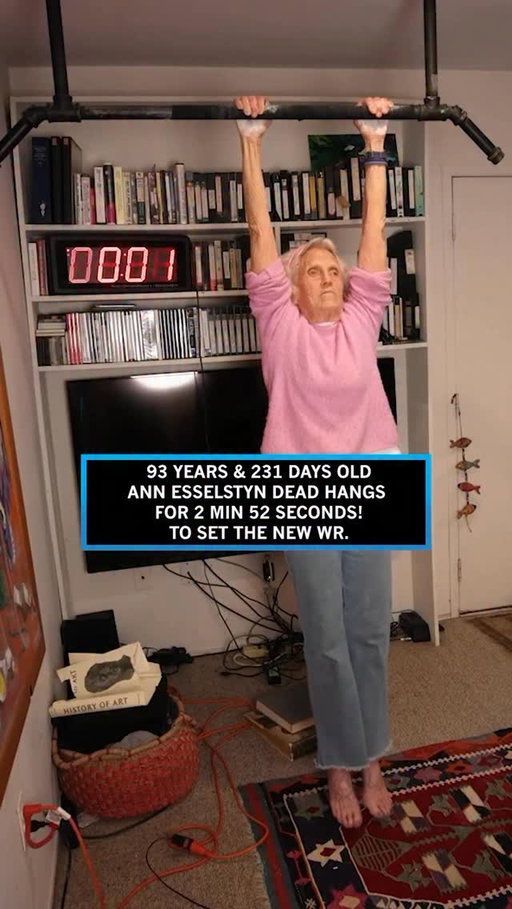
Congratulations Ann Crile Esselstyn, who at *90 years and 231 days* old (title card says 93), did a continual bar grip hang for 2 minutes and 52 seconds. (And set a @guinnessworldrecords WR)

Grip strength and grip endurance (not exactly the same thing) are correlates of longevity. They are great to train for but grip strength alone does not extend life. So what do they reflect?

We often think about the muscle aspect of grip. To me,the really interesting data = the relationship between grip and longevity of *cognitive functioning*.

Why would there be a relationship there?

In neuroscience, we refer to the upper and the lower motor neurons. Upper motor neurons are in the brain and are involved in deliberate action (among other things); lower motor neurons are in the spinal cord and directly connect to the muscles by extending out of the central nervous system into the peripheral nervous system. They directly cause muscles to contract.

We also think about proximal muscles, which are the muscle muscles near the midline and distal muscles like those tips of your calves, forearms, fingers and toes.

Early but compelling evidence suggest that distal strength— the motor neuron control of the parts of your body furthest from your midline, is one of the first things to atrophy as you age. 

You can offset this with strong, gripping, keeping your feet, strong, calves, etc.

So while it’s important to train your core and the muscles of your legs, chest back and arms, don’t forget about feet yes feet! 

And hands and forearms. It’s not just about aesthetics. It’s very likely about maintaining those upper motor brain neurons. 

Once specific sets of neurons in the brain start to die off they often take others with them, the so-called bystander effect.

More on this in a Huberman Lab podcast to come but meanwhile, wherever you’re at in your fitness in longevity training the whole body and keep going! And congrats to Ann. That’s a super impressive timing at any age! 

Please put any questions you have below and thank you for your interest in science!

@stanford @stanford.med 
#neuroscience #science #ciencia #longevity #grip
5.26M
151K
2.36K
4mo ago
hubermanlab
GRIP STRENGTH & LONGEVITY: “LIVE HANGS” Congratulations Ann Crile Esselstyn, who at *90 years and 231 days* old (title card says 93), did a continual bar grip hang for 2 minutes and 52 seconds. (And set a @guinnessworldrecords WR) Grip strength and grip endurance (not exactly the same thing) are correlates of longevity. They are great to train for but grip strength alone does not extend life. So what do they reflect? We often think about the muscle aspect of grip. To me,the really interesting data = the relationship between grip and longevity of *cognitive functioning*. Why would there be a relationship there? In neuroscience, we refer to the upper and the lower motor neurons. Upper motor neurons are in the brain and are involved in deliberate action (among other things); lower motor neurons are in the spinal cord and directly connect to the muscles by extending out of the central nervous system into the peripheral nervous system. They directly cause muscles to contract. We also think about proximal muscles, which are the muscle muscles near the midline and distal muscles like those tips of your calves, forearms, fingers and toes. Early but compelling evidence suggest that distal strength— the motor neuron control of the parts of your body furthest from your midline, is one of the first things to atrophy as you age. You can offset this with strong, gripping, keeping your feet, strong, calves, etc. So while it’s important to train your core and the muscles of your legs, chest back and arms, don’t forget about feet yes feet! And hands and forearms. It’s not just about aesthetics. It’s very likely about maintaining those upper motor brain neurons. Once specific sets of neurons in the brain start to die off they often take others with them, the so-called bystander effect. More on this in a Huberman Lab podcast to come but meanwhile, wherever you’re at in your fitness in longevity training the whole body and keep going! And congrats to Ann. That’s a super impressive timing at any age! Please put any questions you have below and thank you for your interest in science! @stanford @stanford.med #neuroscience #science #ciencia #longevity #grip
Comment FERTILITY & I’ll DM you a link to the episode. 

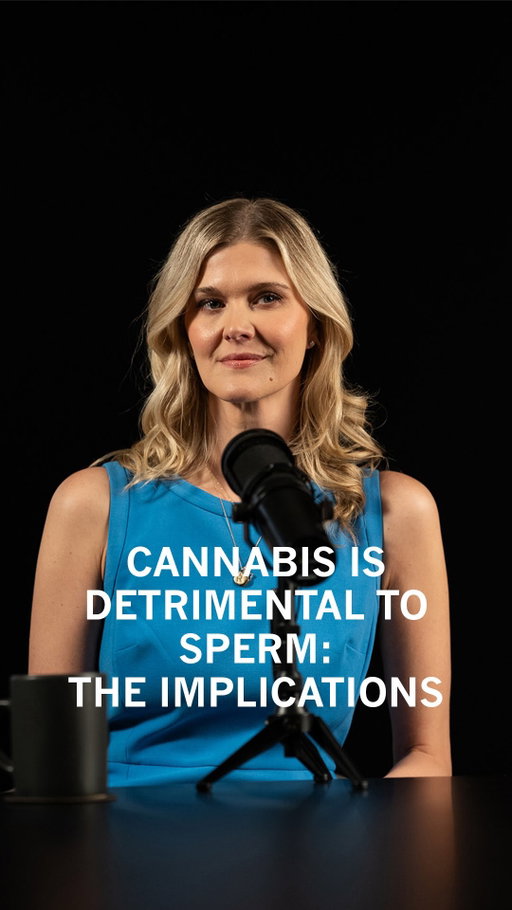
CANNABIS USE IS DETRIMENTAL TO SPERM •

Dr. Natalie Crawford, MD, @nataliecrawfordmd is a double board-certified OB-GYN and reproductive endocrinologist. 
She is my guest on the Huberman Lab podcast out now. 

We discuss how to improve hormone health at any age and the importance of fertility markers not just for pregnancy, but as a powerful window into overall health, vitality and longevity. 

We discuss hormone replacement therapy, egg freezing, IVF, and what biomarkers like AMH really indicate. 

Plus, how anti-inflammatory diets and specific supplements can be beneficial and the impact of microplastics and certain fragrances on hormones. 

We also discuss lesser-known factors that deplete male and female fertility, vitality and health. 

The conversation highlights how better understanding of hormones and your reproductive markers can empower better informed choices at every stage of life. I highly recommend it for women of all ages and also for men. There’s important information in there for you too. About women, but#

A bit more context for the excerpt: 
Even if they can fertilize, cannabis can negatively impact sperm by causing DNA damage. 

Many miscarriages and (in the case of IVF) “day 3 crashes” which is when paternal DNA normally kicks in, are cannabis related. 

Keep in mind that spermatogenesis takes about 90 days so halting use should allow things to improve. It’s unclear if they are permanent effects from cannabis use.

I’m sure many people will say that they conceived healthy children while using. That’s not the point. The point is for people who might be struggling this is an actionable lever.

And of course anyone wishing to have the healthiest possible offspring… that’s for your consideration.

You can also find the episode by going to hubermanlab.com.

Please put any questions or comments below and thank you for your interest in science!

@stanford @stanford.med 
#neuroscience #science #ciencia #neurociencia health
4.91M
70.3K
4.89K
4mo ago
hubermanlab
Comment FERTILITY & I’ll DM you a link to the episode. CANNABIS USE IS DETRIMENTAL TO SPERM • Dr. Natalie Crawford, MD, @nataliecrawfordmd is a double board-certified OB-GYN and reproductive endocrinologist. She is my guest on the Huberman Lab podcast out now. We discuss how to improve hormone health at any age and the importance of fertility markers not just for pregnancy, but as a powerful window into overall health, vitality and longevity. We discuss hormone replacement therapy, egg freezing, IVF, and what biomarkers like AMH really indicate. Plus, how anti-inflammatory diets and specific supplements can be beneficial and the impact of microplastics and certain fragrances on hormones. We also discuss lesser-known factors that deplete male and female fertility, vitality and health. The conversation highlights how better understanding of hormones and your reproductive markers can empower better informed choices at every stage of life. I highly recommend it for women of all ages and also for men. There’s important information in there for you too. About women, but# A bit more context for the excerpt: Even if they can fertilize, cannabis can negatively impact sperm by causing DNA damage. Many miscarriages and (in the case of IVF) “day 3 crashes” which is when paternal DNA normally kicks in, are cannabis related. Keep in mind that spermatogenesis takes about 90 days so halting use should allow things to improve. It’s unclear if they are permanent effects from cannabis use. I’m sure many people will say that they conceived healthy children while using. That’s not the point. The point is for people who might be struggling this is an actionable lever. And of course anyone wishing to have the healthiest possible offspring… that’s for your consideration. You can also find the episode by going to hubermanlab.com. Please put any questions or comments below and thank you for your interest in science! @stanford @stanford.med #neuroscience #science #ciencia #neurociencia health
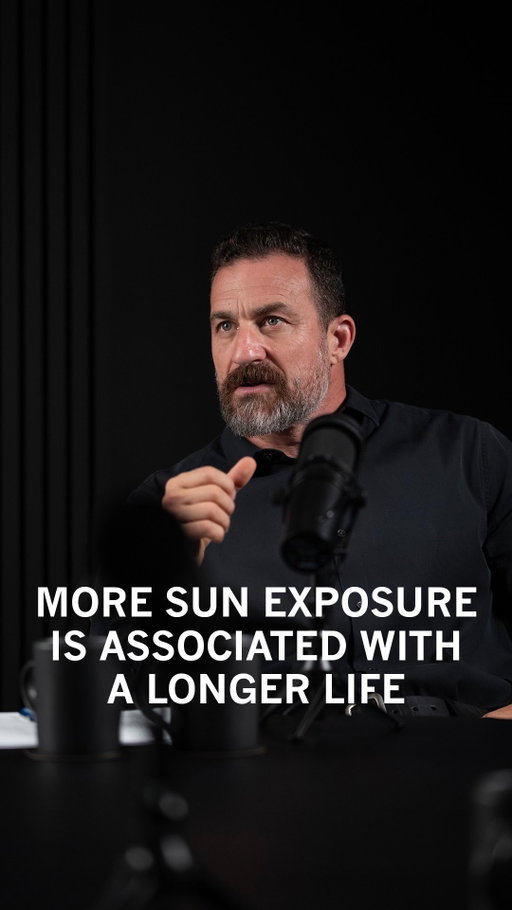
MORE SUN EXPOSURE IS ASSOCIATED WITH A LONGER LIFE •
-
Comment SUN & I’ll DM you a link to the full conversation.
-
First things first. Don’t get sunburned. 

Also, excessive sunlight exposure will accelerate aging of the skin. (again, don’t get sunburned! The sunburn reflects excessive sunlight exposure.)

A physical barrier like a shirt, etc., or mineral based only sunscreen (zinc oxide) is your best bet to avoid excessive UV exposure from a cream. 

People will argue that chemical based sunscreens can be OK but after having spoken to many dermatologists, including Derm ONCOLOGISTS and endocrinologists it’s clear that’s best to avoid the chemical based sunscreens. Also, the mineral based ones are not inferior in any way. 
-
With that now said, it’s very clear that getting more sunlight, especially when the sun is low in the sky (early and later in the day; which is when the UV index is low) is beneficial for mitochondria in every single one of your tissues: eyes, skin, for hormone health, and yes, also for longevity.
-
People argue that being outside usually means people are exercising more, etc. but a number of those variables have been controlled for in the studies referred to here. 

Wildly, one study even concluded that smokers who get a lot of sunlight do better longevity-wise than those that don’t get sunlight. But please don’t smoke (or vape)! Definitely increases your risk of cancer. 
-
Also recovery from illnesses of all kinds can be accelerated with exposure to long wavelength light of the sort from sunlight, red and infrared lights.
-
My guest on the Huberman lab podcast this last week was Dr. Glen Jeffery, from University College London. I’ve known him since the 90s as a premier researcher in vision and neuroscience, but in recent years, his laboratory has led the way in discovering the ways in which different wavelength of light can be used to improve mitochondrial health.
-
You can find the episode by going to hubermanlab.com. It’s there on all platforms.
-
Put any questions or comments you have below and as always, thank you for your interest in science!
-
@stanford @stanford.med 
-
#science
4.08M
54.7K
2.01K
8mo ago
hubermanlab
MORE SUN EXPOSURE IS ASSOCIATED WITH A LONGER LIFE • - Comment SUN & I’ll DM you a link to the full conversation. - First things first. Don’t get sunburned. Also, excessive sunlight exposure will accelerate aging of the skin. (again, don’t get sunburned! The sunburn reflects excessive sunlight exposure.) A physical barrier like a shirt, etc., or mineral based only sunscreen (zinc oxide) is your best bet to avoid excessive UV exposure from a cream. People will argue that chemical based sunscreens can be OK but after having spoken to many dermatologists, including Derm ONCOLOGISTS and endocrinologists it’s clear that’s best to avoid the chemical based sunscreens. Also, the mineral based ones are not inferior in any way. - With that now said, it’s very clear that getting more sunlight, especially when the sun is low in the sky (early and later in the day; which is when the UV index is low) is beneficial for mitochondria in every single one of your tissues: eyes, skin, for hormone health, and yes, also for longevity. - People argue that being outside usually means people are exercising more, etc. but a number of those variables have been controlled for in the studies referred to here. Wildly, one study even concluded that smokers who get a lot of sunlight do better longevity-wise than those that don’t get sunlight. But please don’t smoke (or vape)! Definitely increases your risk of cancer. - Also recovery from illnesses of all kinds can be accelerated with exposure to long wavelength light of the sort from sunlight, red and infrared lights. - My guest on the Huberman lab podcast this last week was Dr. Glen Jeffery, from University College London. I’ve known him since the 90s as a premier researcher in vision and neuroscience, but in recent years, his laboratory has led the way in discovering the ways in which different wavelength of light can be used to improve mitochondrial health. - You can find the episode by going to hubermanlab.com. It’s there on all platforms. - Put any questions or comments you have below and as always, thank you for your interest in science! - @stanford @stanford.med - #science
VIEWING MORNING SUNLIGHT GETS YOU THE BIGGEST HEALTH PAYOFF FOR THE AMOUNT OF TIME INVESTED: 5-10 MINUTES POSITIVELY CHANGES YOUR BIOLOGY & PSYCHOLOGY FOR 24 HOURS (!) •
-
No other activities create the kind of positive shifts in health that viewing morning sunlight does *for the time invested*. Viewing bright light, ideally from sunlight for just a few minutes each morning, shifts your hormones and neurotransmitters in ways that significantly improve your daytime mood, focus, and alertness, and immune system function, and improve your nighttime sleep. That’s a huge payoff for just a couple of minutes of time! Also, it costs nothing and is pleasant.
-
You do need to get outside to do it, meaning through a window won’t work, and you want to take your sunglasses off. Eye eyeglasses & contacts are fine. Blink as needed to protect your eyes.
-
Keep in mind that you especially want to get morning sunlight viewing on overcast days because those days tend to be correlated with colder weather and being inside more and even though artificial lights might seem bright they’re not going to give you the kind of photon levels that you need. 
-
NOTE: when you don’t get enough bright light during the day, it sets you up for disrupted sleep from even a small amount of bright light at night, such as from screens. 
-
And of course, exercise is critical and powerful, nutrition is critical, hydration is critical,. All of those things still matter. But you’re far more likely to do those things correctly if you’ve got your circadian biology correct. And the best way to do that is to get that morning sunlight, ideally in the first hour or two after waking.
-
You don’t need to see the sunrise but # if you do, it’s great. 
-
Most people’s circadian biology is out of whack, but it’s easy and zero cost to fix. So get that morning sunlight!
-
And as always, thank you for your interest in science! 

@stanford @stanford.med 

#neuroscience #science #ciencia #neurociência #sun #health #mentalhealth #sleep
4.03M
164K
2.40K
11mo ago
hubermanlab
VIEWING MORNING SUNLIGHT GETS YOU THE BIGGEST HEALTH PAYOFF FOR THE AMOUNT OF TIME INVESTED: 5-10 MINUTES POSITIVELY CHANGES YOUR BIOLOGY & PSYCHOLOGY FOR 24 HOURS (!) • - No other activities create the kind of positive shifts in health that viewing morning sunlight does *for the time invested*. Viewing bright light, ideally from sunlight for just a few minutes each morning, shifts your hormones and neurotransmitters in ways that significantly improve your daytime mood, focus, and alertness, and immune system function, and improve your nighttime sleep. That’s a huge payoff for just a couple of minutes of time! Also, it costs nothing and is pleasant. - You do need to get outside to do it, meaning through a window won’t work, and you want to take your sunglasses off. Eye eyeglasses & contacts are fine. Blink as needed to protect your eyes. - Keep in mind that you especially want to get morning sunlight viewing on overcast days because those days tend to be correlated with colder weather and being inside more and even though artificial lights might seem bright they’re not going to give you the kind of photon levels that you need. - NOTE: when you don’t get enough bright light during the day, it sets you up for disrupted sleep from even a small amount of bright light at night, such as from screens. - And of course, exercise is critical and powerful, nutrition is critical, hydration is critical,. All of those things still matter. But you’re far more likely to do those things correctly if you’ve got your circadian biology correct. And the best way to do that is to get that morning sunlight, ideally in the first hour or two after waking. - You don’t need to see the sunrise but # if you do, it’s great. - Most people’s circadian biology is out of whack, but it’s easy and zero cost to fix. So get that morning sunlight! - And as always, thank you for your interest in science! @stanford @stanford.med #neuroscience #science #ciencia #neurociência #sun #health #mentalhealth #sleep
PROTEIN REQUIREMENTS DON’T HAVE TO DIVIDE US •
-
The data are clear: women and men both should aim to consume approximately 1gram of quality (complete) protein for every pound of lean body mass, per day. Perhaps even a little bit more. 
-
It’s a myth that you can’t assimilate more than 30g of protein per meal. That’s been disproven. Especially if you resistance train, which we now know, everyone should regardless of age. 
-
That means you don’t have to eat 4-6 meals a day which should be relief for those of you that don’t want to eat too many times per day. 
-
And as difficult as this video was to watch (always hard to see couples quarrel), I do hope it works out in the end… we’re all rooting for you @willydennis @chloe_troast 
-
Part 2 coming soon… 
-
And as always, thank you for your interest in science!
-
@stanford.med @stanford 
-
#neuroscience #science #ciencia #neurociencia #protein #brains #romance #repair #macros #whey #health
4.01M
81.5K
1.79K
10mo ago
hubermanlab
PROTEIN REQUIREMENTS DON’T HAVE TO DIVIDE US • - The data are clear: women and men both should aim to consume approximately 1gram of quality (complete) protein for every pound of lean body mass, per day. Perhaps even a little bit more. - It’s a myth that you can’t assimilate more than 30g of protein per meal. That’s been disproven. Especially if you resistance train, which we now know, everyone should regardless of age. - That means you don’t have to eat 4-6 meals a day which should be relief for those of you that don’t want to eat too many times per day. - And as difficult as this video was to watch (always hard to see couples quarrel), I do hope it works out in the end… we’re all rooting for you @willydennis @chloe_troast - Part 2 coming soon… - And as always, thank you for your interest in science! - @stanford.med @stanford - #neuroscience #science #ciencia #neurociencia #protein #brains #romance #repair #macros #whey #health
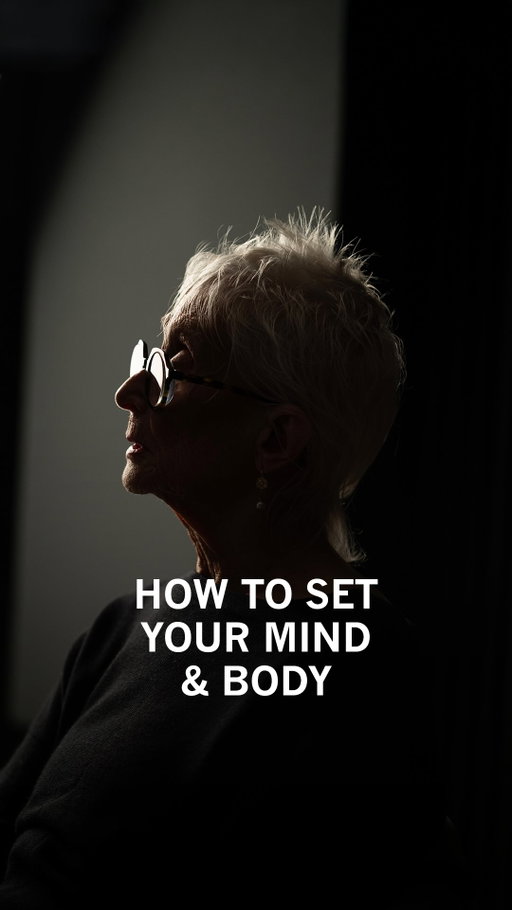
HOW TO SET YOUR MIND & BODY RIGHT AT START OF EACH DAY •
-
Comment CREATE and I’ll DM you a link to the full episode with Twyla Tharp. 
-
Twyla Tharp is a world-renowned dancer, choreographer and expert on the creative process. She explains how to achieve creative success in any endeavor by building and keeping a highly disciplined routine that allows you to bring your creative visions to life. 
-
She explains how to establish and hold to a central message for each project, how to think about your audience, navigate criticism and continually elevate your standards with specific daily actions. 
-
We discuss how your view of hard work, competition and even your first name can shape what you think you’re capable of and ultimately achieve. 
-
This episode offers direct, practical advice from a world-class creator on how to access your inner vision, build a strong body and mind, and do your best work.
-
To hear the full episode comment CREATE and I’ll send it to you by direct message. You can also access it by going to hubermanlab.com It’s linked there in all formats.
-
Meanwhile, if you have any questions about the creative process, fitness schedules, or other topics, please put them in the comment section below this post .
-
And as always, thank you for your interest in science!
-
@stanford.med @stanford 
-
#neuroscience #science #ciencia #neurociencias #create #creative #center #routine #discipline #longevity #mindset
3.58M
85.5K
4.75K
8mo ago
hubermanlab
HOW TO SET YOUR MIND & BODY RIGHT AT START OF EACH DAY • - Comment CREATE and I’ll DM you a link to the full episode with Twyla Tharp. - Twyla Tharp is a world-renowned dancer, choreographer and expert on the creative process. She explains how to achieve creative success in any endeavor by building and keeping a highly disciplined routine that allows you to bring your creative visions to life. - She explains how to establish and hold to a central message for each project, how to think about your audience, navigate criticism and continually elevate your standards with specific daily actions. - We discuss how your view of hard work, competition and even your first name can shape what you think you’re capable of and ultimately achieve. - This episode offers direct, practical advice from a world-class creator on how to access your inner vision, build a strong body and mind, and do your best work. - To hear the full episode comment CREATE and I’ll send it to you by direct message. You can also access it by going to hubermanlab.com It’s linked there in all formats. - Meanwhile, if you have any questions about the creative process, fitness schedules, or other topics, please put them in the comment section below this post . - And as always, thank you for your interest in science! - @stanford.med @stanford - #neuroscience #science #ciencia #neurociencias #create #creative #center #routine #discipline #longevity #mindset
ENGAGING IN FAITH BASED PRACTICES SUCH AS PRAYER, RELIGIOUS RITUALS, ETC. (NOT JUST SAYING “I BELIEVE IN GOD”) EXPERIENCE SIGNIFICANT IMPROVEMENTS IN PHYSICAL & MENTAL HEALTH •
-
On the Huberman Lab podcast out this week Dr David Desteno, a professor and researcher at Northeastern University, shares findings from experiments in his laboratory which show that people who believe in God and who engage in faith based practices, derive tremendous health benefits.
-
He describes experiments that found increased compassion and honesty, as well reduced levels of stress, etc., in people that pray. Praying also seems to increase longevity and reduce illness. This is independent of social connection (which too is healthy).
-
We also discussed the big themes related to science and religion. For instance, whether a belief in the scientific method is contradicted or supported by a belief in God and vice versa. 
-
We also discussed the big questions about afterlife, life’s purpose, and much more in the context of scientific data and how these questions are answered by religion. 
-
Dr Desteno is unique in how he approaches these issues because he relies on experimental data, not speculation. Many of the results of his lab studies will surprise you and our discussion ought to be of interest to those who are religious, agnostic, atheists or those who are still living in the questions and exploration. 
-
And we also discuss the difference between religions and cults, and why so few new religions last longer than 12 months despite the fact that many new ones crop up each year.
-
To find the episode in all formats, you can go to hubermanlab.com. It is time stamped so you can navigate quickly to the topics most of interest to you. 

Meanwhile, if you have any questions or comments about this episode or other topics or guests you’d like me to host on the Huberman lab podcast, please put them in the comments section below.

And as always, thank you for your interest in science! 

@stanford @stanford.med @howgodworkspod 

#neuroscience #science #ciencia #neurociência #longevity #action #prayer #community #health
3.47M
88.5K
1.80K
11mo ago
hubermanlab
ENGAGING IN FAITH BASED PRACTICES SUCH AS PRAYER, RELIGIOUS RITUALS, ETC. (NOT JUST SAYING “I BELIEVE IN GOD”) EXPERIENCE SIGNIFICANT IMPROVEMENTS IN PHYSICAL & MENTAL HEALTH • - On the Huberman Lab podcast out this week Dr David Desteno, a professor and researcher at Northeastern University, shares findings from experiments in his laboratory which show that people who believe in God and who engage in faith based practices, derive tremendous health benefits. - He describes experiments that found increased compassion and honesty, as well reduced levels of stress, etc., in people that pray. Praying also seems to increase longevity and reduce illness. This is independent of social connection (which too is healthy). - We also discussed the big themes related to science and religion. For instance, whether a belief in the scientific method is contradicted or supported by a belief in God and vice versa. - We also discussed the big questions about afterlife, life’s purpose, and much more in the context of scientific data and how these questions are answered by religion. - Dr Desteno is unique in how he approaches these issues because he relies on experimental data, not speculation. Many of the results of his lab studies will surprise you and our discussion ought to be of interest to those who are religious, agnostic, atheists or those who are still living in the questions and exploration. - And we also discuss the difference between religions and cults, and why so few new religions last longer than 12 months despite the fact that many new ones crop up each year. - To find the episode in all formats, you can go to hubermanlab.com. It is time stamped so you can navigate quickly to the topics most of interest to you. Meanwhile, if you have any questions or comments about this episode or other topics or guests you’d like me to host on the Huberman lab podcast, please put them in the comments section below. And as always, thank you for your interest in science! @stanford @stanford.med @howgodworkspod #neuroscience #science #ciencia #neurociência #longevity #action #prayer #community #health
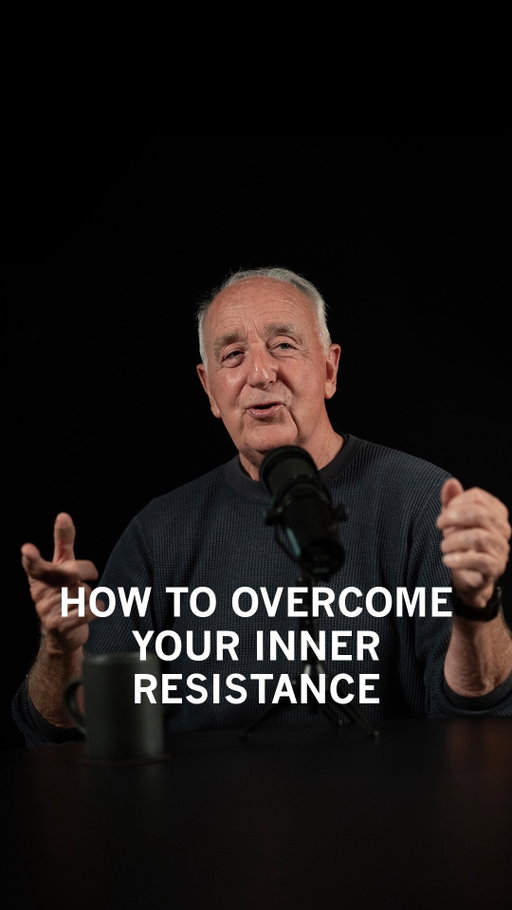
HOW TO OVERCOME INNER RESISTANCE & FEAR OF FAILURE •
-
The first step is to identify what is the most important project for you to be working on. Turns out, there’s a simple answer to that. @steven_pressfield explains here and on the Huberman Lab podcast out now.
-
Comment OVERCOME in the comments section below if you would like me to DM you direct link to the podcast (in all formats). 
-
Steven Pressfield is the author of The War of Art and seasoned expert in how to overcome the inner force of “resistance”—the self-sabotaging tendency to procrastinate on your life’s most important work that keeps you from realizing your professional and creative potential. 
-
As the author of numerous best selling books and screenplays, Steven understands resistance, first hand, and how to overcome it. 
-
Instead of giving inspirational stories or quotes, he shares actionable tools for defeating inner resistance that work. His approach is concrete, and can teach you how to work like a pro even if you’ve never been published or are entering a new field. 
-
Steven’s routines for cultivating discipline and focus, including his physical training regimen (he is incredibly mentally and physically vigorous at 82), are applicable for anyone. 
-
He gives you effective practical strategies for how to structure your day, overcome procrastination and self-doubt and do your best, most meaningful work.
-
The episode can be found on all platforms: YouTube, Apple Podcasts, Spotify, etc.

Questions are also welcome; please put them in the comments section below.

And as always, thank you for your interest in science!

@stanford.med @stanford @steven_pressfield 

#neuroscience #science #ciencia #neurociencia #work #procrastination #calling #inspiration #professional #dothework #inner #neuroplasticity
3.46M
140K
2.80K
9mo ago
hubermanlab
HOW TO OVERCOME INNER RESISTANCE & FEAR OF FAILURE • - The first step is to identify what is the most important project for you to be working on. Turns out, there’s a simple answer to that. @steven_pressfield explains here and on the Huberman Lab podcast out now. - Comment OVERCOME in the comments section below if you would like me to DM you direct link to the podcast (in all formats). - Steven Pressfield is the author of The War of Art and seasoned expert in how to overcome the inner force of “resistance”—the self-sabotaging tendency to procrastinate on your life’s most important work that keeps you from realizing your professional and creative potential. - As the author of numerous best selling books and screenplays, Steven understands resistance, first hand, and how to overcome it. - Instead of giving inspirational stories or quotes, he shares actionable tools for defeating inner resistance that work. His approach is concrete, and can teach you how to work like a pro even if you’ve never been published or are entering a new field. - Steven’s routines for cultivating discipline and focus, including his physical training regimen (he is incredibly mentally and physically vigorous at 82), are applicable for anyone. - He gives you effective practical strategies for how to structure your day, overcome procrastination and self-doubt and do your best, most meaningful work. - The episode can be found on all platforms: YouTube, Apple Podcasts, Spotify, etc. Questions are also welcome; please put them in the comments section below. And as always, thank you for your interest in science! @stanford.med @stanford @steven_pressfield #neuroscience #science #ciencia #neurociencia #work #procrastination #calling #inspiration #professional #dothework #inner #neuroplasticity
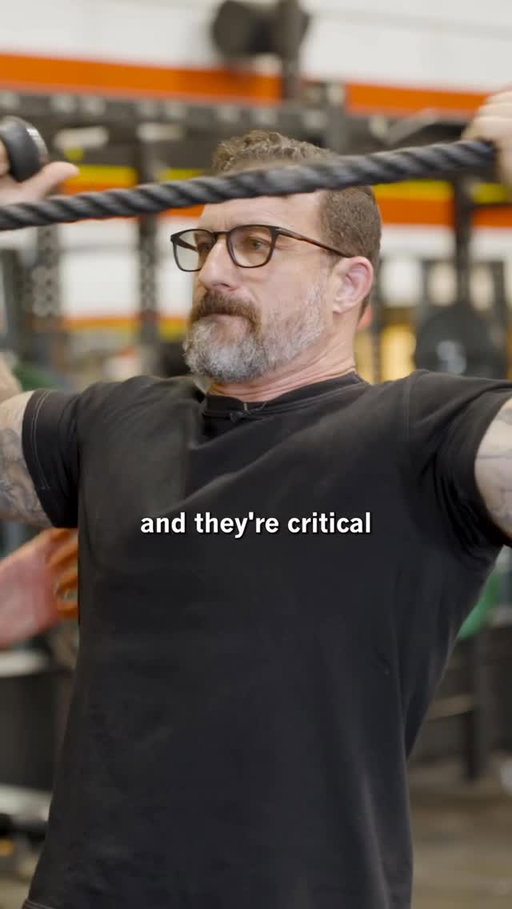
“FACE PULLS”: SET YOUR DEFAULT POSTURE UPRIGHT, MAKE YOUR SHOULDERS AND NECK STABLE •

This week’s Huberman Lab podcast features Jeff Cavalier of  @athleanx — he’s a licensed physical therapist, strength and conditioning coach known for helping people reach their fitness goals, overcoming pain and injury with specific movements and getting tremendous longevity from their fitness training. 

We sat down and talked about “the little things that allow you to do the big important things for your entire life” on the podcast. 

Yes it’s true: You need to do the basics. Men and women should do basic compound movements of pressing and pulling and for their legs …and do so with progressive resistance. Every week. 

But the issue people tend to run into is pain or injuries or challenges with imbalanced mechanics. Doing certain little things for just a few minutes per week can be the difference between lifelong pain-free training, great posture (at default— without having to think about it!) better breathing, better mobility, and on and on.

One of the key movements that every man and woman should do a few times a week at least are “face pulls” which is where you pull a rope from slightly above high-level on a cable machine (or you could use bands if you don’t have access to a cable machine) starting from a position where your hands are almost touching directly in front of you (arms straight) to what sort of looks like a “double biceps flexed pose”, but with your thumbs pointed back and  bit out & away from your ears. That’s the correct “external rotation” you want, which is essential… you can learn more about on the podcast. 

All the texting and sitting that we do nowadays has most people defaulting to internal rotation, chin down and C shaped… not good (for many reasons!).

A video of how to do face pulls correctly as well as train your arms correctly are available at the “Huberman lab clips” channel on You Tube. There is a short excerpt of it here as well.

Thank you, Jeff for being such a tremendous coach in public educator helping people get and stay super fit. We appreciate you!

All relevant links at: hubermanlab.com

Thank you for your interest in science!
3.24M
54.3K
847
2mo ago
hubermanlab
“FACE PULLS”: SET YOUR DEFAULT POSTURE UPRIGHT, MAKE YOUR SHOULDERS AND NECK STABLE • This week’s Huberman Lab podcast features Jeff Cavalier of @athleanx — he’s a licensed physical therapist, strength and conditioning coach known for helping people reach their fitness goals, overcoming pain and injury with specific movements and getting tremendous longevity from their fitness training. We sat down and talked about “the little things that allow you to do the big important things for your entire life” on the podcast. Yes it’s true: You need to do the basics. Men and women should do basic compound movements of pressing and pulling and for their legs …and do so with progressive resistance. Every week. But the issue people tend to run into is pain or injuries or challenges with imbalanced mechanics. Doing certain little things for just a few minutes per week can be the difference between lifelong pain-free training, great posture (at default— without having to think about it!) better breathing, better mobility, and on and on. One of the key movements that every man and woman should do a few times a week at least are “face pulls” which is where you pull a rope from slightly above high-level on a cable machine (or you could use bands if you don’t have access to a cable machine) starting from a position where your hands are almost touching directly in front of you (arms straight) to what sort of looks like a “double biceps flexed pose”, but with your thumbs pointed back and bit out & away from your ears. That’s the correct “external rotation” you want, which is essential… you can learn more about on the podcast. All the texting and sitting that we do nowadays has most people defaulting to internal rotation, chin down and C shaped… not good (for many reasons!). A video of how to do face pulls correctly as well as train your arms correctly are available at the “Huberman lab clips” channel on You Tube. There is a short excerpt of it here as well. Thank you, Jeff for being such a tremendous coach in public educator helping people get and stay super fit. We appreciate you! All relevant links at: hubermanlab.com Thank you for your interest in science!
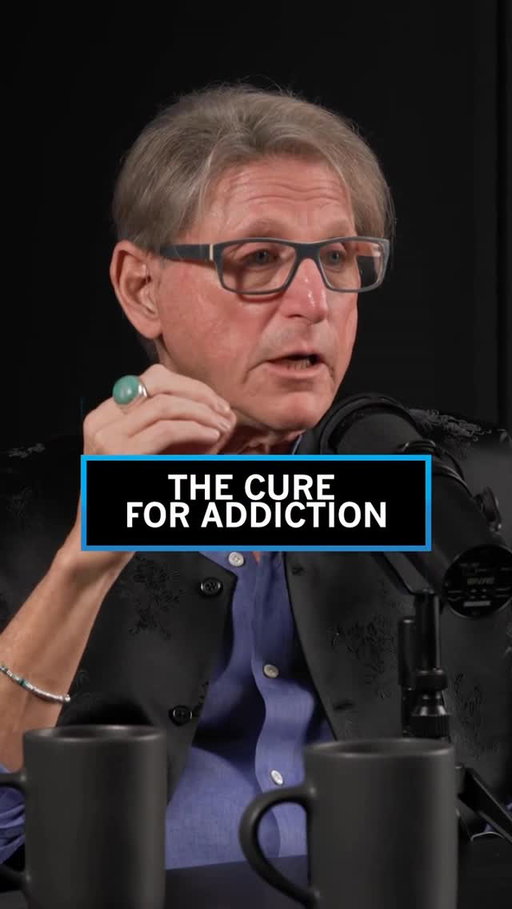
THE CURE FOR ADDICTION •
-
Comment MALE and I’ll DM you a link to the full episode.
-
My guest on the Huberman Lab podcast out now is @realterryreal — therapist, best-selling author and expert on male emotional health and how men can build the skills for healthy relating to others: in relationships, work, friendships and to themselves. 
-
We discuss how the conflicting and ever-changing messages about what masculinity is, are impacting the mental and physical health of men and boys. 
-
Terry explains how learning the skill of “relationality” leads to improvements in all aspects of boys’ and men’s lives and shares practical tools for how to do that. 
-
We also discuss the essential role of having a trusted male community to build confidence and self-esteem. 
-
It’s a very direct conversation. We explore things by generation and also ask for instance, why a lot of guys who are in romantic relationships struggle with other kinds of relationships and to make forward progress in work and why they still experience a lot of depression… (there is a broad misconception that the only origin of the male mental health crisis is lack of romantic relationship relationships but that’s actually not what the data show). Although of course, that may play a role in some cases.
-
This conversation offers actionable guidance for boys, men and women seeking to build healthier relationships with themselves and others.
-
Please comment MALE if you would like me to direct message you a link to the episode in all formats.
-
Meanwhile, please put any questions or comments in the comment section below, and thank you for your interest in science! 
-
@stanford @stanford.med @realterryreal 
-
#neuroscience #science #neurociencia #ciencia #health
3.17M
71.1K
2.74K
7mo ago
hubermanlab
THE CURE FOR ADDICTION • - Comment MALE and I’ll DM you a link to the full episode. - My guest on the Huberman Lab podcast out now is @realterryreal — therapist, best-selling author and expert on male emotional health and how men can build the skills for healthy relating to others: in relationships, work, friendships and to themselves. - We discuss how the conflicting and ever-changing messages about what masculinity is, are impacting the mental and physical health of men and boys. - Terry explains how learning the skill of “relationality” leads to improvements in all aspects of boys’ and men’s lives and shares practical tools for how to do that. - We also discuss the essential role of having a trusted male community to build confidence and self-esteem. - It’s a very direct conversation. We explore things by generation and also ask for instance, why a lot of guys who are in romantic relationships struggle with other kinds of relationships and to make forward progress in work and why they still experience a lot of depression… (there is a broad misconception that the only origin of the male mental health crisis is lack of romantic relationship relationships but that’s actually not what the data show). Although of course, that may play a role in some cases. - This conversation offers actionable guidance for boys, men and women seeking to build healthier relationships with themselves and others. - Please comment MALE if you would like me to direct message you a link to the episode in all formats. - Meanwhile, please put any questions or comments in the comment section below, and thank you for your interest in science! - @stanford @stanford.med @realterryreal - #neuroscience #science #neurociencia #ciencia #health
HOW TO BE FULLY PRESENT FOR YOUR RELATIONSHIPS: E.G., LEAVE YOUR WORK BAGGAGE AT WORK • 
-
These days we hear a lot about protocols. Morning routines, and other things to do to prepare for better sleep, get exercise, etc. Sometimes the routine aspect can come across as robotic or overly regimented. 
-
**But the whole purpose of protocols is to allow you to lean into life with more vigor and presence and that include includes your relationships: family, friends, romantic, relationships, etc.**
-
My guest on the Huberman Lab podcast out now is @dj_shipley85 and we discuss the protocols he follows from waking until bedtime to maximize his relationships with his family and coworkers and his mental and physical health. 
-
They are straightforward, clearly explained tools that anyone can apply.
-
It’s important to note that being very regimented about how you return home at the end of the day, or show up to a social gathering etc is about presence, not control. It’s about eliminating the things that don’t belong there so the people in your life can feel more at ease, more spontaneous and so those relationships can grow.
-
DJ is a former DEVGRU Tier 1 SEAL, and one of the top public educators nowadays about how to build and maintain mental and physical health and live life with more depth of connection. 
-
He aptly refers to himself as a “knowledge transfer specialist” and indeed that’s what you’ll get if you listen to our conversation: Lots and lots and lots of highly applicable knowledge to make your life better. Concrete information. No fluff.
-
To find the episode, go to hubermanlab.com
It’s time stamped there so you can navigate quickly to the topics most of interest to you.
-
Meanwhile, if you have any questions for me or for DJ, please put them in the comment section below this post. And as always, thank you for your interest in science! 
-
@stanford.med @stanford @gbrsgroup 
-
#neuroscience #science #ciencia #neurociencia #dinner #returninghome #family #presence #taskswitching
3.16M
125K
1.22K
10mo ago
hubermanlab
HOW TO BE FULLY PRESENT FOR YOUR RELATIONSHIPS: E.G., LEAVE YOUR WORK BAGGAGE AT WORK • - These days we hear a lot about protocols. Morning routines, and other things to do to prepare for better sleep, get exercise, etc. Sometimes the routine aspect can come across as robotic or overly regimented. - **But the whole purpose of protocols is to allow you to lean into life with more vigor and presence and that include includes your relationships: family, friends, romantic, relationships, etc.** - My guest on the Huberman Lab podcast out now is @dj_shipley85 and we discuss the protocols he follows from waking until bedtime to maximize his relationships with his family and coworkers and his mental and physical health. - They are straightforward, clearly explained tools that anyone can apply. - It’s important to note that being very regimented about how you return home at the end of the day, or show up to a social gathering etc is about presence, not control. It’s about eliminating the things that don’t belong there so the people in your life can feel more at ease, more spontaneous and so those relationships can grow. - DJ is a former DEVGRU Tier 1 SEAL, and one of the top public educators nowadays about how to build and maintain mental and physical health and live life with more depth of connection. - He aptly refers to himself as a “knowledge transfer specialist” and indeed that’s what you’ll get if you listen to our conversation: Lots and lots and lots of highly applicable knowledge to make your life better. Concrete information. No fluff. - To find the episode, go to hubermanlab.com It’s time stamped there so you can navigate quickly to the topics most of interest to you. - Meanwhile, if you have any questions for me or for DJ, please put them in the comment section below this post. And as always, thank you for your interest in science! - @stanford.med @stanford @gbrsgroup - #neuroscience #science #ciencia #neurociencia #dinner #returninghome #family #presence #taskswitching
STIMULATE MUSCLE GROWTH PROPERLY: 
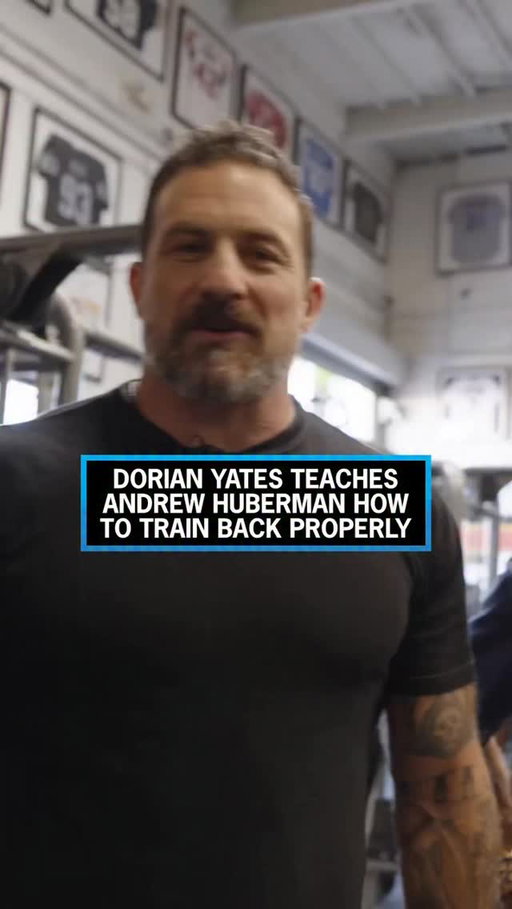
BACK DAY WITH @thedorianyates (6 time Mr. Olympia) •

Comment BACK & I’ll DM you a link to a video of the full workout @goldsgym.venice 

There are a lot of studies and examples of different ways to train with weights for muscle growth and strength. Which is best? 

Everyone has different opinions on that but what works best for me has been low volume high intensity training. (And when I say “best”, I mean getting the results of directed muscle growth and strength improvements and not having my nervous system feel so fried that I can’t do other things after training… after all, we have lives to live!)

It involves training 3 days per week & each muscle directly 1X per week. Yes only once. You do 1 light set & 1 moderate set just to get the mechanics and blood flow going, then 1 (maybe 2) all out sets to failure *in excellent form* which means controlling the weight all the way up, contracting it hard and lowering it slowly. Depending on the muscle group, you do anywhere from 2 to 4 exercises per muscle group total. 

6 time Mr. Olympia @thedorianyates is my guest on the Huberman Lab podcast out now and we discussed this style of training and the types of training that work best for the everyday person. That means men & women of all ages. He gives a wealth of info.

Dorian was also kind enough to take me through his version of low volume high intensity training. I got to feel what it is to target the back and rear delt muscles properly with true high intensity.

We did:

1) lat pullovers: one light set, one medium set, and then one all outset to failure (w/ a few assisted repetitions).

2) reverse grip cable pull downs (also one set to failure)

3) one arm dumbbell rows (one set to failure for each side)

4) seated wide grip cable rows (one set to failure with a couple of assisted reps)

5) rear delt bent over dumbbell raises (one warm-up and one works set to failure).

Comment BACK and I’ll DM you a link to a video of the full workout. 
-
Please put any questions or comments you have below and thank you for your interest in science!
-
@stanford @stanford.med @thedorianyates 
-
#science #neuroscience #train
2.98M
108K
3.70K
6mo ago
hubermanlab
STIMULATE MUSCLE GROWTH PROPERLY: BACK DAY WITH @thedorianyates (6 time Mr. Olympia) • Comment BACK & I’ll DM you a link to a video of the full workout @goldsgym.venice There are a lot of studies and examples of different ways to train with weights for muscle growth and strength. Which is best? Everyone has different opinions on that but what works best for me has been low volume high intensity training. (And when I say “best”, I mean getting the results of directed muscle growth and strength improvements and not having my nervous system feel so fried that I can’t do other things after training… after all, we have lives to live!) It involves training 3 days per week & each muscle directly 1X per week. Yes only once. You do 1 light set & 1 moderate set just to get the mechanics and blood flow going, then 1 (maybe 2) all out sets to failure *in excellent form* which means controlling the weight all the way up, contracting it hard and lowering it slowly. Depending on the muscle group, you do anywhere from 2 to 4 exercises per muscle group total. 6 time Mr. Olympia @thedorianyates is my guest on the Huberman Lab podcast out now and we discussed this style of training and the types of training that work best for the everyday person. That means men & women of all ages. He gives a wealth of info. Dorian was also kind enough to take me through his version of low volume high intensity training. I got to feel what it is to target the back and rear delt muscles properly with true high intensity. We did: 1) lat pullovers: one light set, one medium set, and then one all outset to failure (w/ a few assisted repetitions). 2) reverse grip cable pull downs (also one set to failure) 3) one arm dumbbell rows (one set to failure for each side) 4) seated wide grip cable rows (one set to failure with a couple of assisted reps) 5) rear delt bent over dumbbell raises (one warm-up and one works set to failure). Comment BACK and I’ll DM you a link to a video of the full workout. - Please put any questions or comments you have below and thank you for your interest in science! - @stanford @stanford.med @thedorianyates - #science #neuroscience #train
GET YOUR CORTISOL RHYTHM CORRECT: THE KEY TO ENERGY, SLEEP & HORMONE HEALTH •
-
It’s impossible to overstate the importance of getting your cortisol rhythm correct. Many people get this wrong, especially nowadays in the age of cortisol elevating artificial LED lights, late shifted schedules and the rest. 
-
In fact, most people qualify as shift workers which is known to have severe mental and physical health impacts. Obviously, we need shift workers and be grateful to them(!), but most people don’t have to do shift work, but are imposing that schedule on themselves. 
-
The key is to spike your morning cortisol within the first hour or two after waking. I explain how to do that in this post. 
-
It’s also important to have your cortisol low as you head toward bedtime and if you need to exercise or do intense activities or you have some stress later in the day you need to do things to bring that stress level down. 
-
Even if you can fall asleep, people who tend to wake up agter 3-4 hours of sleep feeling wide awake are generally struggling with their cortisol rhythm.
-
There are many zero cost practices to spike your morning cortisol & reduce your evening cortisol. I discussed those on the Huberman La podcast episode about cortisol. 
-
This post focuses mostly on the morning aspect. But things like NSDR, sauna, hot baths, hot shower prior to bedtime can help in the pm.
-
There are also a lot of misconceptions about cortisol. For instance, that caffeine increases cortisol. That’s not true for regular caffeine users. Same goes for deliberate cold exposure. It does not increase cortisol if you do it a couple times a week or more. If anything has the opposite effect!
-
To find the podcast go to hubermanlab.com and put cortisol into the search function. It’s time stamped so you can navigate quickly to the topics most of interest to you. We’re now video on all formats. YouTube, Spotify, and X and audio only on Apple. 
-
Put any questions you have in the comments section below this post and as always, thank you for your interest in science! 
-
@stanford.med @stanford 
-
#neuroscience #science #ciencia #neurociencia #cortisol #key #rhythm #menopause #energy #health
2.90M
96.3K
1.57K
12mo ago
hubermanlab
GET YOUR CORTISOL RHYTHM CORRECT: THE KEY TO ENERGY, SLEEP & HORMONE HEALTH • - It’s impossible to overstate the importance of getting your cortisol rhythm correct. Many people get this wrong, especially nowadays in the age of cortisol elevating artificial LED lights, late shifted schedules and the rest. - In fact, most people qualify as shift workers which is known to have severe mental and physical health impacts. Obviously, we need shift workers and be grateful to them(!), but most people don’t have to do shift work, but are imposing that schedule on themselves. - The key is to spike your morning cortisol within the first hour or two after waking. I explain how to do that in this post. - It’s also important to have your cortisol low as you head toward bedtime and if you need to exercise or do intense activities or you have some stress later in the day you need to do things to bring that stress level down. - Even if you can fall asleep, people who tend to wake up agter 3-4 hours of sleep feeling wide awake are generally struggling with their cortisol rhythm. - There are many zero cost practices to spike your morning cortisol & reduce your evening cortisol. I discussed those on the Huberman La podcast episode about cortisol. - This post focuses mostly on the morning aspect. But things like NSDR, sauna, hot baths, hot shower prior to bedtime can help in the pm. - There are also a lot of misconceptions about cortisol. For instance, that caffeine increases cortisol. That’s not true for regular caffeine users. Same goes for deliberate cold exposure. It does not increase cortisol if you do it a couple times a week or more. If anything has the opposite effect! - To find the podcast go to hubermanlab.com and put cortisol into the search function. It’s time stamped so you can navigate quickly to the topics most of interest to you. We’re now video on all formats. YouTube, Spotify, and X and audio only on Apple. - Put any questions you have in the comments section below this post and as always, thank you for your interest in science! - @stanford.med @stanford - #neuroscience #science #ciencia #neurociencia #cortisol #key #rhythm #menopause #energy #health
MORNING SUNLIGHT VIEWING IS POWERFUL WAY TO IMPROVE YOUR MENTAL & PHYSICAL HEALTH •
-
Recently I appeared on @realtimers hosted by @billmaher to discuss zero cost behavioral practices to improve mental health and physical health. I put morning sunlight viewing (especially on overcast days) right up there with proper nutrition (eating mostly non-processed or minimally processed foods) and exercise (cardiovascular exercise and resistance training each 2-4x per week depending on your needs and schedule), as the key pillars of building and maintaining your mental and physical health, every age. Obviously getting great sleep is important too.
-
Bill has been talking about the importance of getting sunlight exposure for a number of years. Of course you don’t want to get a sunburn and you don’t want excessive UV exposure but as I point out this clip UV levels are pretty low early in the day and late in the day when the sun is low in the sky.
-
We also discussed zero cost science supported tools to reduce your stress and improve sleep, and emerging changes in scientific funding and public health discourse more generally.
-
Thank you Bill and team for hosting me! It was a pleasure and I look forward to more discussions in the future. 
-
Clips from this episode can be found on social media and YouTube and the full episode is available @hbomax 
-
Episodes of the Huberman Lab podcast come out every Monday and we also have shorter episodes on Thursdays, which are just the essential takeaways from the other episodes. These are easily found on all podcast platforms under “Huberman Lab”.
-
Meanwhile, if anyone has any questions or comments or topics or suggestions for future Huberman Lab podcasts please put those in the comment section below this post. 
And as always, thank you for your interest in science! 

@stanford @stanford.med @billmaher @realtimers 

#neuroscience #science #ciencia #neurociência #sun #circadian #mentalhealth #physicalhealth
2.78M
67.1K
817
11mo ago
hubermanlab
MORNING SUNLIGHT VIEWING IS POWERFUL WAY TO IMPROVE YOUR MENTAL & PHYSICAL HEALTH • - Recently I appeared on @realtimers hosted by @billmaher to discuss zero cost behavioral practices to improve mental health and physical health. I put morning sunlight viewing (especially on overcast days) right up there with proper nutrition (eating mostly non-processed or minimally processed foods) and exercise (cardiovascular exercise and resistance training each 2-4x per week depending on your needs and schedule), as the key pillars of building and maintaining your mental and physical health, every age. Obviously getting great sleep is important too. - Bill has been talking about the importance of getting sunlight exposure for a number of years. Of course you don’t want to get a sunburn and you don’t want excessive UV exposure but as I point out this clip UV levels are pretty low early in the day and late in the day when the sun is low in the sky. - We also discussed zero cost science supported tools to reduce your stress and improve sleep, and emerging changes in scientific funding and public health discourse more generally. - Thank you Bill and team for hosting me! It was a pleasure and I look forward to more discussions in the future. - Clips from this episode can be found on social media and YouTube and the full episode is available @hbomax - Episodes of the Huberman Lab podcast come out every Monday and we also have shorter episodes on Thursdays, which are just the essential takeaways from the other episodes. These are easily found on all podcast platforms under “Huberman Lab”. - Meanwhile, if anyone has any questions or comments or topics or suggestions for future Huberman Lab podcasts please put those in the comment section below this post. And as always, thank you for your interest in science! @stanford @stanford.med @billmaher @realtimers #neuroscience #science #ciencia #neurociência #sun #circadian #mentalhealth #physicalhealth
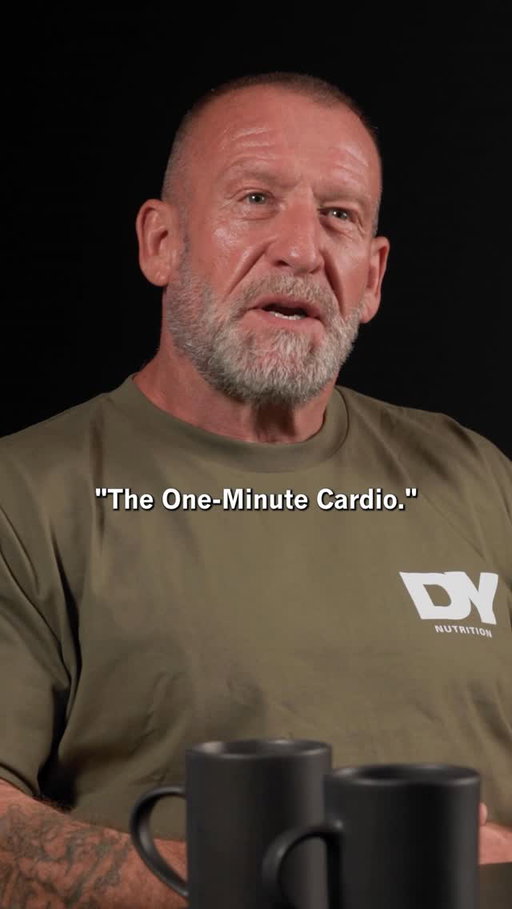
I do this type of cardio roughly twice a week, and believe me it’s tough!

It’s all out effort, everything you got for just 20 seconds… but that 20 seconds feels like 20 minutes!

I usually get to 1200-1300 watt output, try it out.

#MrOlympia #Bodybuilding #Cardio #Training
2.76M
66.8K
518
5mo ago
hubermanlab
I do this type of cardio roughly twice a week, and believe me it’s tough! It’s all out effort, everything you got for just 20 seconds… but that 20 seconds feels like 20 minutes! I usually get to 1200-1300 watt output, try it out. #MrOlympia #Bodybuilding #Cardio #Training
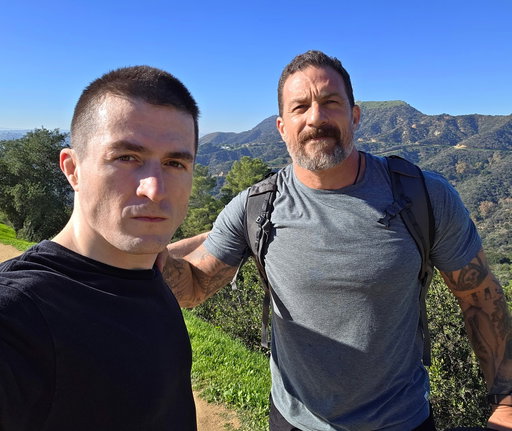
Long hike in LA hills with @hubermanlab, one of my favorite humans (& best friends) on Earth.

I enjoy hikes where you can be in nature and still, at some high-elevation points, see the city in the distance below. In those moments, it all seems so surreal. How did we clever humans build all of that? We went from hunter-gatherers to a civilization that can space travel and has a chance to colonize other planets and reach out toward the stars 🤯
2.70M
108K
3.07K
8mo ago
hubermanlab
Long hike in LA hills with @hubermanlab, one of my favorite humans (& best friends) on Earth. I enjoy hikes where you can be in nature and still, at some high-elevation points, see the city in the distance below. In those moments, it all seems so surreal. How did we clever humans build all of that? We went from hunter-gatherers to a civilization that can space travel and has a chance to colonize other planets and reach out toward the stars 🤯
HOW TO SIGNIFICANTLY IMPROVE YOUR ENERGY & HEALTH (AT THE CELLULAR LEVEL) WITH THE SPECIFIC BEHAVIORS, THOUGHTS, PEOPLE & PURPOSE YOU EMBRACE IN YOUR LIFE •
-
Comment ENERGY & I’ll DM you a link to the episode
-
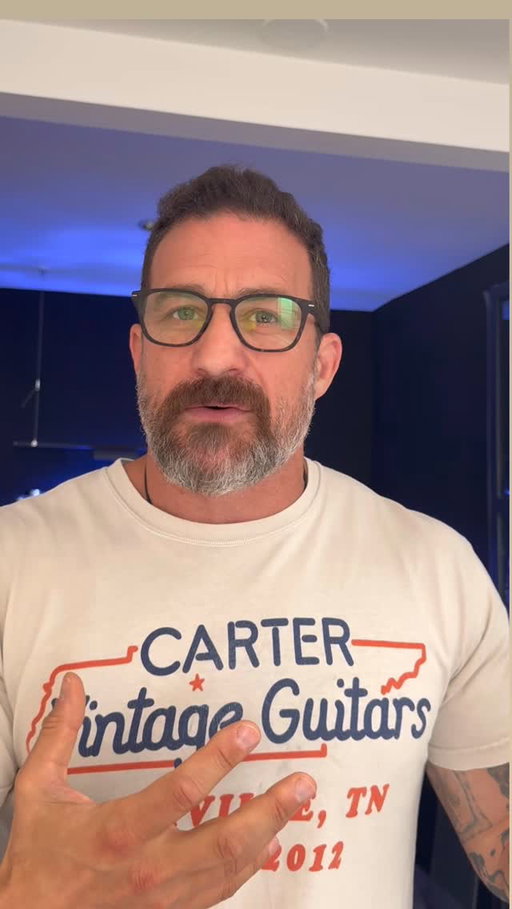
I think we’re all familiar with the fact that things we enjoy and people we enjoy give us energy and that the opposite is also true. My guest on the Huberman lab podcast out today is a biologist Dr Martin Picard, who explains how the biophysics of your cells and mitochondrial function are impacted by of course sleep, nutrition, exercise, sunlight, stress, etc., but also buy the specific types of exercise, the specific quality of relationships, and direction that you take your life.
-
He explains the cellular biology and bridges it to psychology and life choices in an actionable way. His lab also discovered that graying of hair is related to local stress and inflammation, and how to reverse that. 
-
Thanks to him it is a true masterclass in energy that bridges multiple levels of analysis. It’s critical information for anyone interested in health. It’s also highly relevant to teachers, parents, therapist, as well as trainers and everyday people. 
-
Energy is after all, the fuel of life, so how you can build and direct yours is of the utmost importance..
-
It’s spectacular to see biology linked to psychology in such a rigorous way and it also raises very interesting questions about selecting your life path, friendships, romantic relationships, family, and even spirituality & relationship to other energies in the world- human and otherwise. 
-
It’s a somewhat long episode, but if you take the time to digest it, I know it will change your life for the better. I’ve already adopted several new simple practices that have really enhanced my overall levels of energy. 
-
Comment ENERGY below, and I’ll send you a DM to the episode.
-
Questions also welcome in the comments and as always, thank you for your interest in science!
-
@stanford @stanford.med 
-
#neuroscience #science #energy #mitochondria #metabolism #health #mindset #atp #purpose
2.67M
80.3K
20.6K
8mo ago
hubermanlab
HOW TO SIGNIFICANTLY IMPROVE YOUR ENERGY & HEALTH (AT THE CELLULAR LEVEL) WITH THE SPECIFIC BEHAVIORS, THOUGHTS, PEOPLE & PURPOSE YOU EMBRACE IN YOUR LIFE • - Comment ENERGY & I’ll DM you a link to the episode - I think we’re all familiar with the fact that things we enjoy and people we enjoy give us energy and that the opposite is also true. My guest on the Huberman lab podcast out today is a biologist Dr Martin Picard, who explains how the biophysics of your cells and mitochondrial function are impacted by of course sleep, nutrition, exercise, sunlight, stress, etc., but also buy the specific types of exercise, the specific quality of relationships, and direction that you take your life. - He explains the cellular biology and bridges it to psychology and life choices in an actionable way. His lab also discovered that graying of hair is related to local stress and inflammation, and how to reverse that. - Thanks to him it is a true masterclass in energy that bridges multiple levels of analysis. It’s critical information for anyone interested in health. It’s also highly relevant to teachers, parents, therapist, as well as trainers and everyday people. - Energy is after all, the fuel of life, so how you can build and direct yours is of the utmost importance.. - It’s spectacular to see biology linked to psychology in such a rigorous way and it also raises very interesting questions about selecting your life path, friendships, romantic relationships, family, and even spirituality & relationship to other energies in the world- human and otherwise. - It’s a somewhat long episode, but if you take the time to digest it, I know it will change your life for the better. I’ve already adopted several new simple practices that have really enhanced my overall levels of energy. - Comment ENERGY below, and I’ll send you a DM to the episode. - Questions also welcome in the comments and as always, thank you for your interest in science! - @stanford @stanford.med - #neuroscience #science #energy #mitochondria #metabolism #health #mindset #atp #purpose
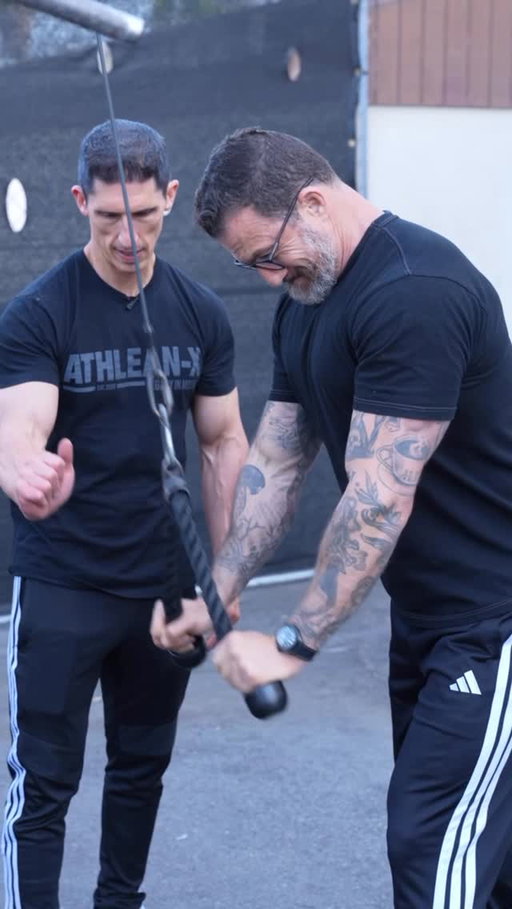
COMING SOON: I got a chance to meet with my good friend Dr. Andrew Huberman @hubermanlab at the legendary Gold’s Gym in Venice Beach where so many legends trained with high intensity and incredible effort. Andrew and I talked shop and went through an arm workout together where applied science, anatomy, and biomechanics…and some plain old fashioned effort! As you know, I preach smart training at all times and putting the science back in strength so what better workout partner could there be to get our swole on?!

Keep an eye out for the full workout and Humberman Lab podcast! #athleanx #hubermanlab #train #workout #getafterit
2.62M
53.2K
683
3mo ago
hubermanlab
COMING SOON: I got a chance to meet with my good friend Dr. Andrew Huberman @hubermanlab at the legendary Gold’s Gym in Venice Beach where so many legends trained with high intensity and incredible effort. Andrew and I talked shop and went through an arm workout together where applied science, anatomy, and biomechanics…and some plain old fashioned effort! As you know, I preach smart training at all times and putting the science back in strength so what better workout partner could there be to get our swole on?! Keep an eye out for the full workout and Humberman Lab podcast! #athleanx #hubermanlab #train #workout #getafterit

Andrew Huberman, Ph.D. (@hubermanlab) Instagram Stats & Analytics

Andrew Huberman, Ph.D. (@hubermanlab) has 7.82M Instagram followers with a 2.35% engagement rate over the past 12 months. Across 170 posts, Andrew Huberman, Ph.D. received 5.65M total likes and 224M impressions, averaging 33.2K likes per post. This page tracks Andrew Huberman, Ph.D.'s performance metrics, top content, and engagement trends — updated daily.

Andrew Huberman, Ph.D. (@hubermanlab) Instagram Analytics FAQ

How many Instagram followers does Andrew Huberman, Ph.D. have?+
Andrew Huberman, Ph.D. (@hubermanlab) has 7.82M Instagram followers as of August 2026.
What is Andrew Huberman, Ph.D.'s Instagram engagement rate?+
Andrew Huberman, Ph.D.'s Instagram engagement rate is 2.35% over the last 12 months, based on 170 posts.
How many likes does Andrew Huberman, Ph.D. get on Instagram?+
Andrew Huberman, Ph.D. received 5.65M total likes across 170 posts in the last 12 months, averaging 33.2K likes per post.
How many Instagram impressions does Andrew Huberman, Ph.D. get?+
Andrew Huberman, Ph.D.'s Instagram content generated 224M total impressions over the last 12 months.