
Key Metrics
Distributions
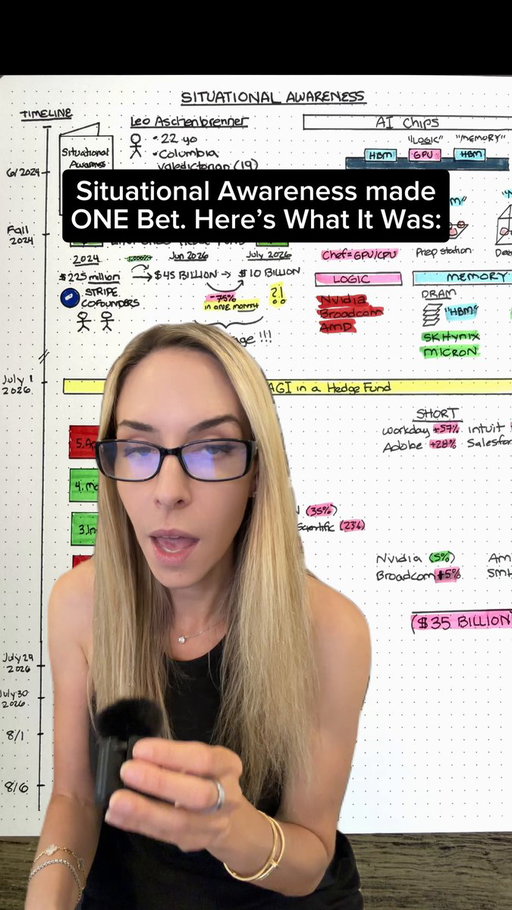

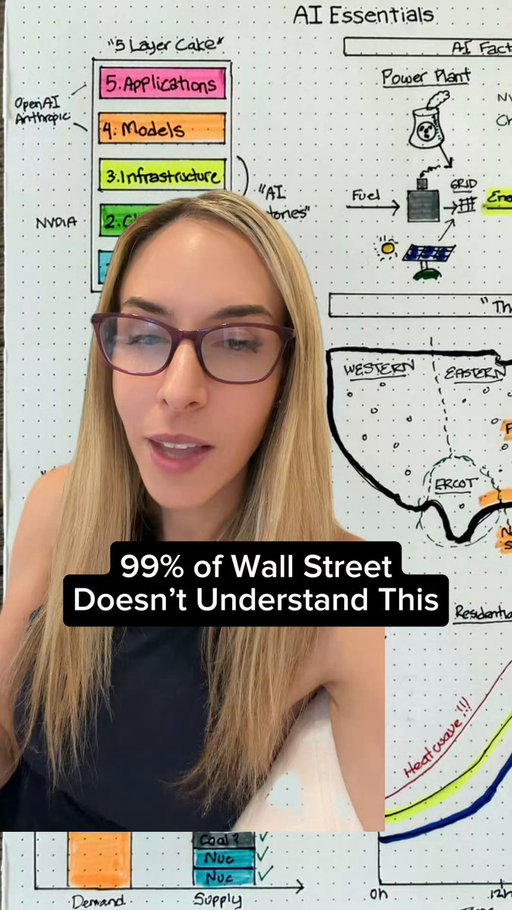
Everyone is talking about parallels to 1999 in terms of the stock market, but my dad — a 50+ year veteran of the power industry — pointed out another one. Back then, the EIA projected America needed over 300 GW of new generation. NRG, Calpine, Mirant, and Enron raced to build it, adding roughly 175 GW in five years. Then the dot-com bubble burst, the demand didn’t materialize, and all four went bankrupt. He was at Calpine at the time. Today, NERC projects we’ll need ~220 GW of new peak demand by 2035. Eerie…it's almost the exact same number of gigawatts too.
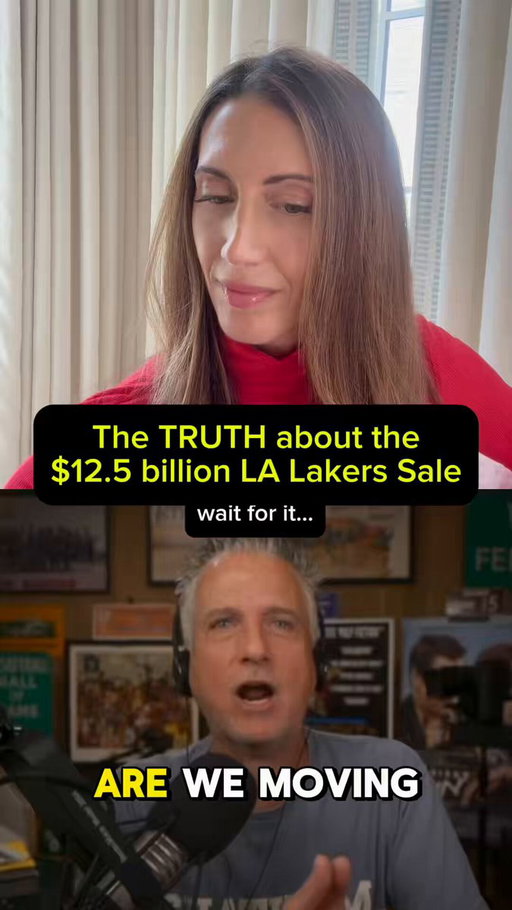
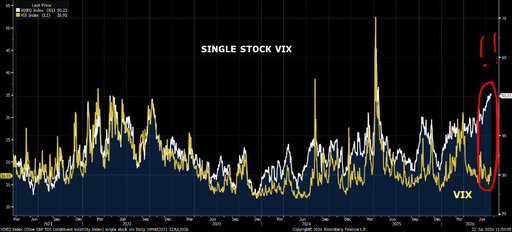
NVDIA’s 5Y CDS have doubled in the past few weeks. They’re now at 80 bps. 😳 Translation: the market is now pricing in a 6.4% chance they go BANKRUPT in the next 5 years. Does anyone REALLY believe NVDIA, the most valuable company in the world, has a 6.4% chance of going bankrupt in the next FIVE YEARS? Although given I’m the dumb*ss who took a job offer at Lehman Brothers over JPMorgan in 2006, what do I know.
Enron broke the rules. What fascinated us was how much the rules allowed in the first place. People keep comparing the AI boom to Enron, so we revisited the story. Not to say history is repeating itself, but to understand what comparisons people should take seriously. When I first read "The Smartest Guys in the Room", I was in college trying to get a job on Wall Street, and without the accounting expertise, much of it went over my head. Twenty years later, when I re-read it prepping for this episode, despite experience working at Morgan Stanley in project finance, CDO structuring, converts and financial sponsors in investment banking PLUS over a decade teaching valuation and accounting, many of the structures STILL went over my head. The complexity was the point. Enron used special purpose vehicles to hide losses and debt and manufacture earnings. What started for them as legitimate ways to push the edge of the envelope (within the rules of accounting) quickly turned into outright fraud. Cue Joey Tribbiani from Friends "you're so far past the line, the line is a dot to you!" However, there doesn't need to be fraud for there to be financial risk that headline numbers don't capture. And that's exactly what we dive into in our latest episode: Why Is Wall Street Talking About Enron? youtu.be/DyKg2Ls0vdo

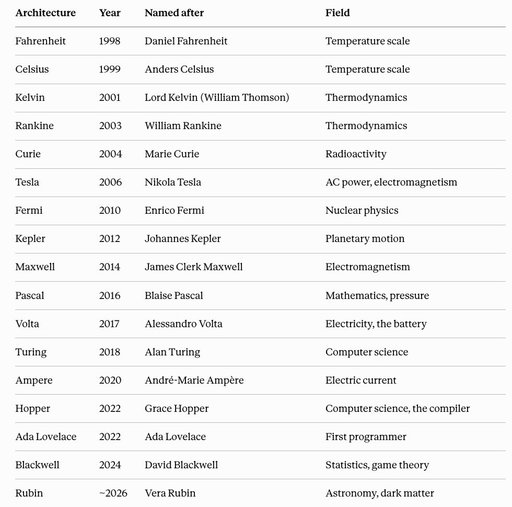
Working on a reel about energy and AI data centers. I still find it so wild that when it comes to electricity, it’s mostly the red states that are socialist while blue states (plus Texas) have free markets.

Ever since we incorporated hand drawn diagrams into our content, we've heard it all: "Your videos are AI" "You're ripping off another creator" "Slow down, this is moving too fast" The truth is it's this instead. We love finding new ways to share information with you in a way that jives with the way our brains work. We've been drawing together since we were 7 years old…over 35 years (don’t do the math), taking obsessive notes in engineering & organic chemistry classes in college, diagramming yield curves on the back of napkins for new analysts since before the Global Financial Crisis, and doodling on projector screens while teaching new hire analysts & associates at Blackstone and Goldman Sachs since before Instagram was invented. If you're new here, welcome! We love making complex concepts across finance, business, and tech easier to understand. Drawing is just one of those ways. And we do it all ourselves. 🥂
Listened to the @elonmusk @TheEconomist interview…he’s the second CEO who’s recommended “The Culture Series” by Iain M. Banks for a potentially optimistic (aka, non-Terminator) vision of the post-AI future. Guess that’s next on our summer reading list! Side note: one of the reasons we’ve held off on this one previously is the heated disagreement on which order to read them in. Until now, it’s been too much of a hassle to parse through Reddit threads and figure out what order to tackle them in. Clearly gotta do some research now --- send us your recommendations!


Up to 50 followers on X!! Have officially beat the impersonator account. I mean was either an impersonator or I set it up two years ago, posted a handful of times, and have zero recollection.

The Wall Street Skinny (@thewallstskinny) X Stats & Analytics
The Wall Street Skinny (@thewallstskinny) has 219 X followers with a 1.11% engagement rate over the past 12 months. Across 36.0 posts, The Wall Street Skinny received 110 total likes and 11.2K impressions, averaging 3.06 likes per post. This page tracks The Wall Street Skinny's performance metrics, top content, and engagement trends — updated daily. To benchmark @thewallstskinny against other accounts, use Socialpruf's X competitor analysis tool.