NewGet @portfoliobreakdown's full report

instagram analytics
Similar Accounts:
instagram analytics
Similar Accounts:
followers
3.61K
impressions
8.18M
likes
327K
comments
3.43K
posts
40
engagement
4.04%
emv
$250K
Average per post
204K
Key Metrics
Impressions
monthly
Distributions
Content
1.69M
67.5K
253
9mo ago

portfoliobreakdown
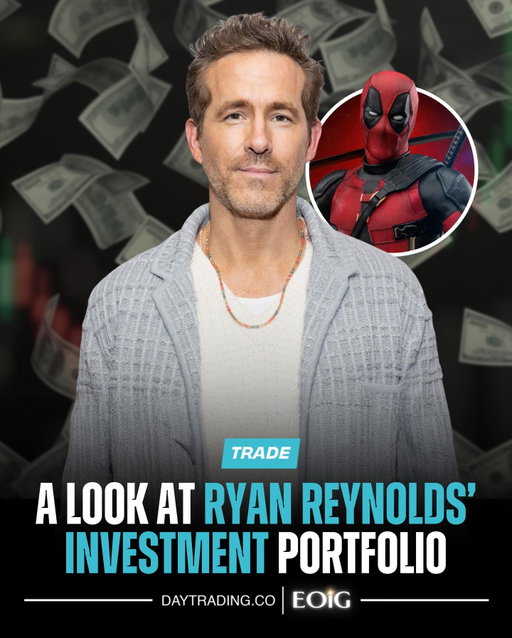
Ryan Reynolds has built a reputation as a disciplined investor, using minority stakes, brand involvement, and long-term positioning rather than passive celebrity endorsements.
One of his most visible wins came from Mint Mobile, where a minority stake was sold to T-Mobile for $1.35 billion, reportedly generating around $300 million in personal returns for Reynolds.
Beyond telecom, Reynolds co-owns Wrexham AFC with Rob McElhenney, acquiring the club for roughly $2.5 million in 2021 before its valuation surged to an estimated $475 million by 2025, driven by promotion success, media exposure, and commercial growth.
Comment “GROUP” and we’ll send you the link to join our exclusive Telegram group, where over 45,000 members are getting free real-time updates on stocks, crypto, tech, and memecoins.
953K
38.1K
410
10mo ago
portfoliobreakdown
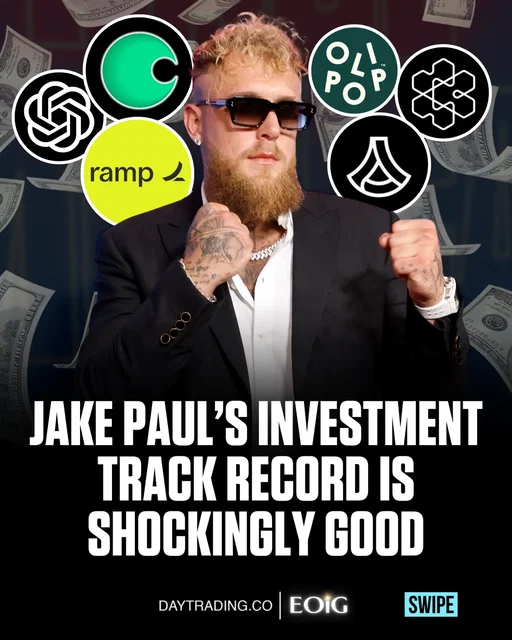
Jake Paul may be known for YouTube and boxing, but behind the scenes his portfolio looks like something built by a full time VC.
He has invested in various startups through Anti Fund, the venture capital firm he co-founded in 2021 with Geoffrey Woo.
Anti Fund's portfolio targets early-stage AI, robotics, and software companies, including high-profile names like OpenAI, Anduril (defense tech and drones), Ramp (fintech), Cognition (AI coding with Devin), and Polymarket (prediction markets).
The firm recently closed a $30 million oversubscribed Fund I in December 2025, bringing total assets under management above $65 million, with Logan Paul joining as a general partner.
875K
35.0K
631
10mo ago
portfoliobreakdown
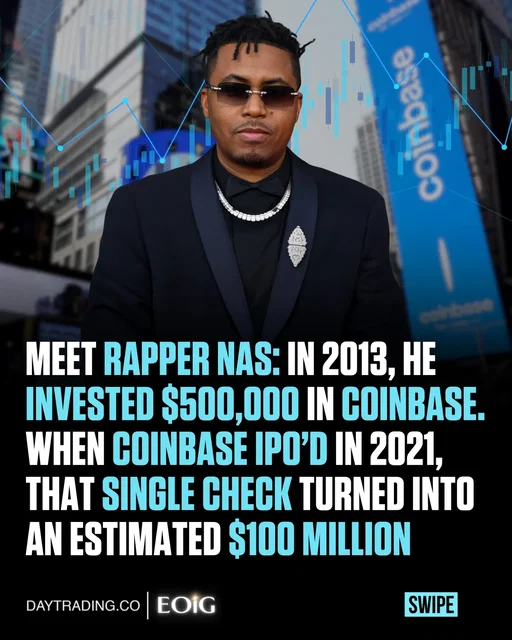
Nas’s role in early stage investing developed gradually, shaped by his interest in how technology was changing culture, money, and access rather than by a single headline deal or trend driven move.
Through QueensBridge Venture Partners, he became involved in evaluating founders, understanding product market fit, and backing companies at stages where uncertainty was high and outcomes depended more on vision and execution than short term metrics, which required patience and a long view of value creation.
His portfolio reflects a focus on platforms that reshape everyday behavior, such as how people move, pay, communicate, or secure their homes, showing an understanding that lasting companies often sit quietly behind daily routines rather than chasing constant visibility.
This approach helped reposition Nas from celebrity investor to disciplined operator in venture circles, illustrating how artists with the right mindset can transition from brand driven income to ownership based wealth built over many years.
Follow us (@entrepreneursonig) for everything related to entrepreneurs
580K
23.2K
181
9mo ago
portfoliobreakdown
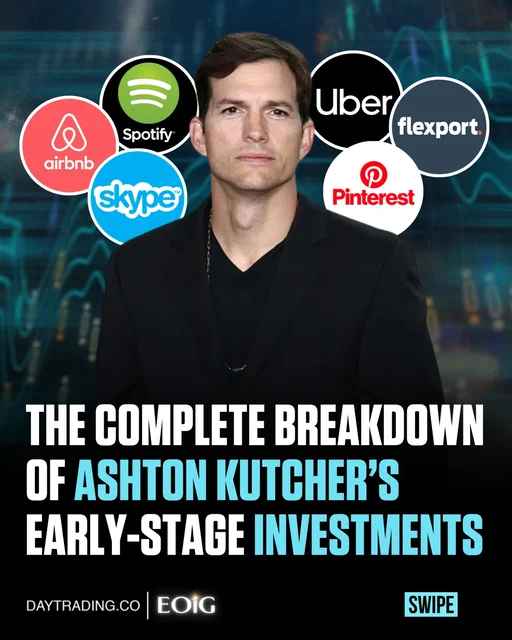
Ashton Kutcher’s reputation as an investor was built quietly, not through flashy calls or short term bets, but through an ability to spot shifts in consumer behavior before they became obvious to the broader market.
Rather than chasing trends, his focus stayed on products that felt intuitive to everyday users and businesses that could scale naturally as more people joined, creating long term value through habit and utility.
Behind the scenes, this approach relied heavily on trusting founders, understanding timing, and accepting that real returns often come years after the initial decision, not months or quarters.
Over time, his track record reshaped how people viewed celebrity investors, showing that disciplined thinking, patience, and consistency can matter far more than fame when it comes to building lasting wealth.
Follow us (@entrepreneursonig) for everything related to entrepreneurs
545K
21.8K
104
10mo ago
portfoliobreakdown
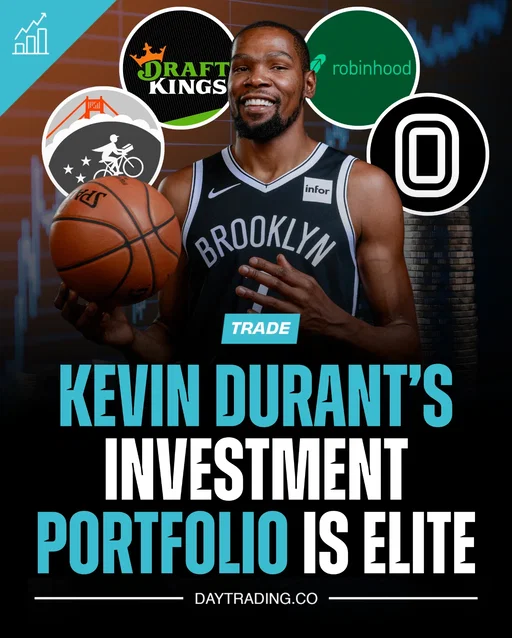
Kevin Durant is one of the few athletes who scaled wealth far beyond salary by treating startup investing like a long game. Instead of chasing hype, he placed early bets in fintech, consumer apps and sports tech, spreading capital across categories that aligned with long term cultural adoption.
His biggest wins came from entering companies before the boom, when risk was high but upside was massive, showing how timing often matters more than ticket size. Across his portfolio you can see a pattern of backing products used daily by millions which later became mainstream platforms.
KD’s strategy proves that athlete investors can outperform traditional funds when they understand where behavior is moving and are willing to sit patiently on positions.
It also highlights why private market exposure can multiply wealth faster than brand endorsements or league contracts ever could.
Comment "GROUP" and we’ll send you the link to join our exclusive Telegram group, where over 30,000 members are getting free real-time updates on stocks, crypto, tech, and memecoins.
337K
13.5K
128
10mo ago
portfoliobreakdown
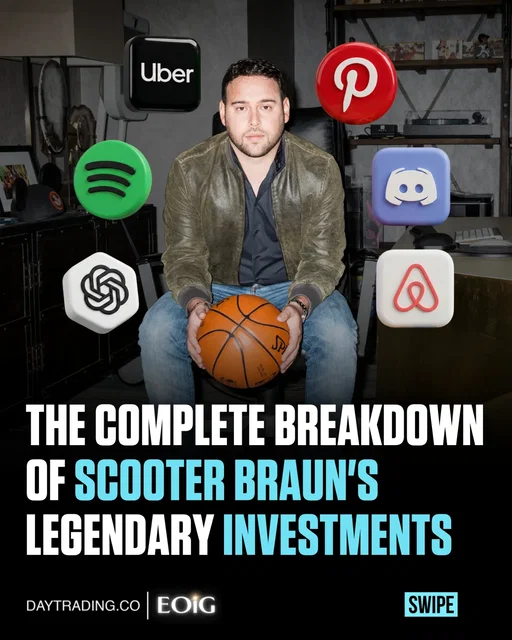
Swipe ⬅️ to see how Scooter Braun turned early instincts into one of the strongest angel portfolios in tech.
He wasn’t just writing celebrity checks, he was spotting breakout companies long before the world noticed.
Over the years he backed founders building new tools, platforms, and products that ended up shaping entire industries. His portfolio stretches across mobility, creator tools, AI, marketplaces, and consumer brands.
What makes his story interesting is the consistency. He kept betting early, stayed patient, and let time do the heavy lifting. Most people know him for music, but his investment track record shows a completely different level of vision.
310K
12.4K
57
3mo ago
portfoliobreakdown
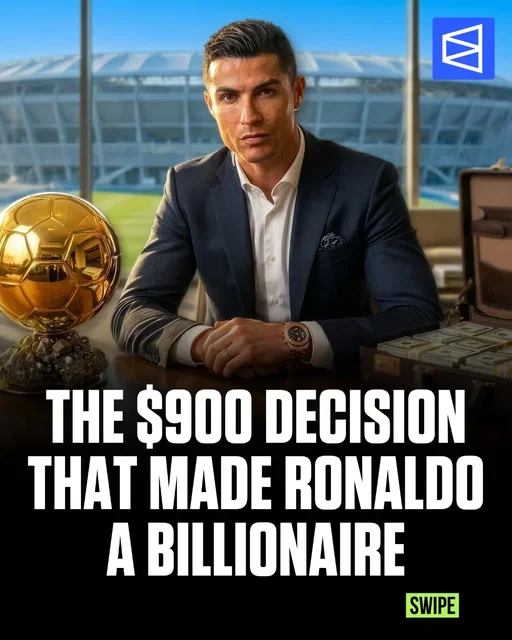
In a recent episode, @PortfolioBreakdown explained how Cristiano Ronaldo became football's first billionaire.
The video highlights that one of his smartest moves wasn't on the pitch.
It was registering the "CR7" trademark for around €900, a decision that later became the foundation of a global business empire spanning sponsorships, licensing, hotels, fashion, and more.
This episode is presented by @Polymarket
268K
10.7K
75
2mo ago
portfoliobreakdown
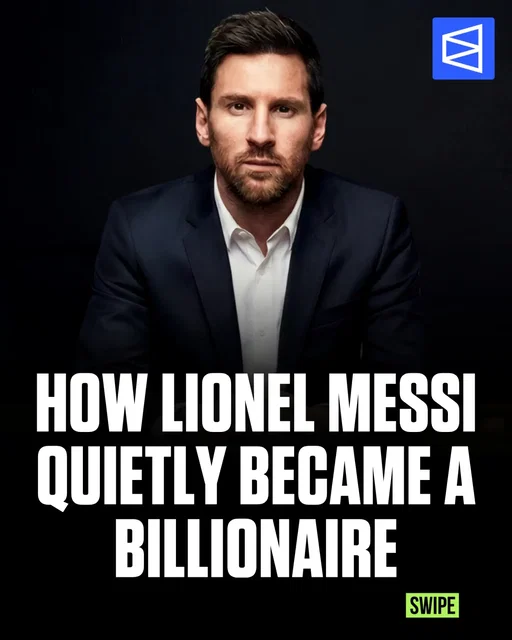
In a recent episode, @PortfolioBreakdown broke down how Lionel Messi quietly built a billion-dollar empire beyond football.
From turning down a reported $1.5 billion offer to choosing a deal focused on ownership and long-term value, Messi's biggest financial wins came off the pitch.
The episode also looks at how his investments and businesses could continue growing long after he retires.
This episode is presented by @Polymarket
178K
7.14K
87
7mo ago
portfoliobreakdown
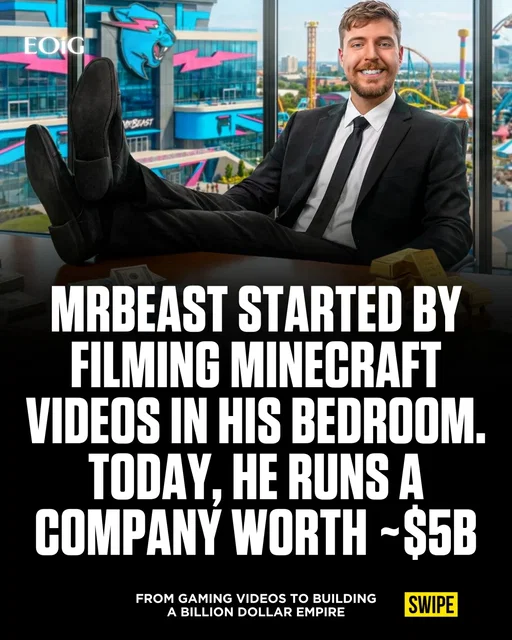
In a recent episode, @portfoliobreakdown explained how @mrbeast turned early YouTube experiments into a business empire.
By creating viral content, he built massive attention and then converted those viewers into long-term customers and brand followers.
His strategy focuses on scale and reinvestment. He spends heavily on videos to expand reach while building products and businesses around the audience he has created.
The model shows how online attention can turn into lasting business value when content becomes the engine behind a larger ecosystem.
Follow @portfoliobreakdown for more.
176K
7.05K
47
3mo ago
portfoliobreakdown
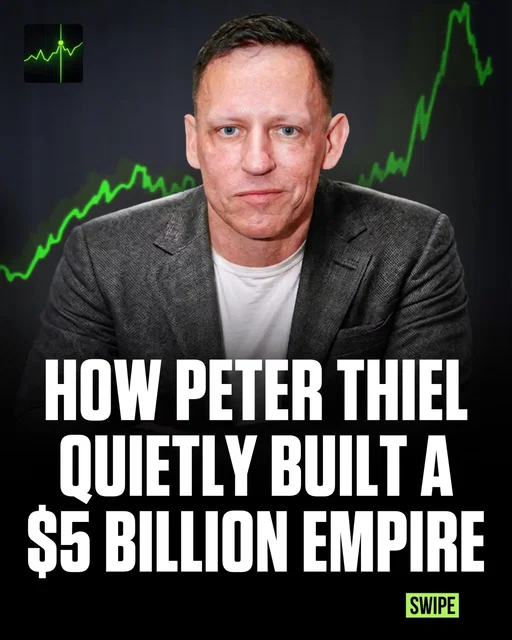
In a recent episode @portfoliobreakdown explained how Peter Thiel’s success is less about individual deals and more about long-term systems
From Stanford to PayPal early relationships became a lasting network that later shaped major companies like Facebook and Palantir
Instead of stopping at exits he kept building Founders Fund the Thiel Fellowship and political connections that reinforced his ecosystem
The core idea is simple he focuses on networks and structures that compound over decades not one time wins
165K
6.62K
23
4mo ago
portfoliobreakdown
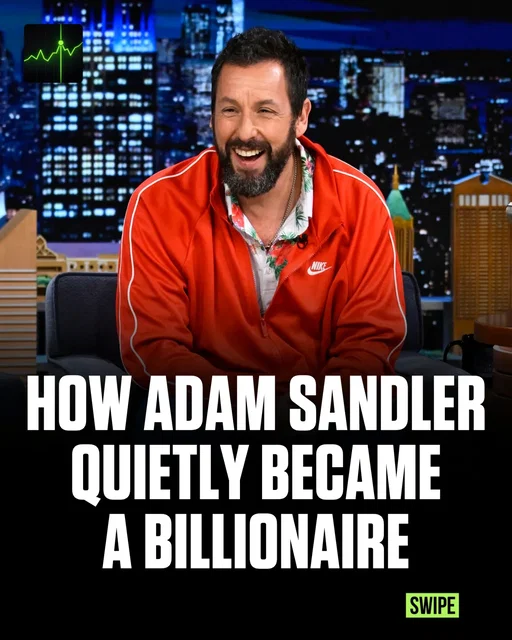
In a recent episode, @portfoliobreakdown explained that Adam Sandler's billionaire fortune was built through ownership and long-term business deals, not just his work in front of the camera.
After founding Happy Madison Productions, Sandler began earning from multiple roles across his projects, giving him a larger share of the revenue generated by films and shows.
Even when some releases received poor reviews and weaker box office results, he continued producing content and adapted as streaming platforms became a dominant force in entertainment.
That strategy paid off through a major Netflix partnership that expanded over several years, helping grow his net worth to an estimated $1 billion.
162K
6.46K
35
4mo ago
portfoliobreakdown
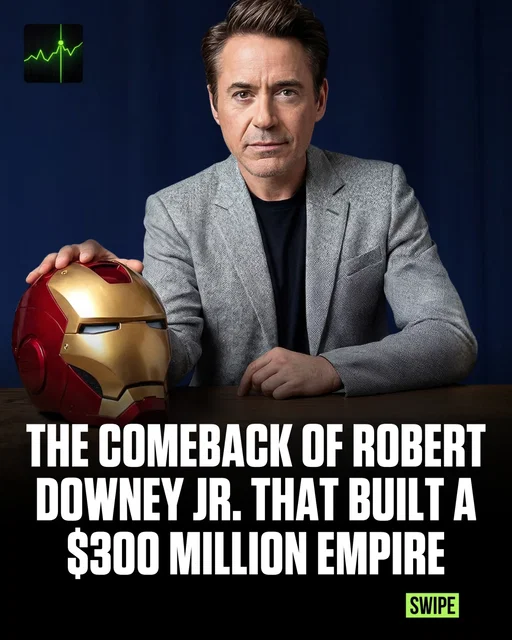
In a recent episode, @portfoliobreakdown explained that Robert Downey Jr.’s success was not just a comeback story, but a case study in how leverage and timing can reshape a career.
Instead of relying only on fixed acting fees, he positioned himself differently during the early Marvel negotiations.
As the Marvel Cinematic Universe expanded through films like The Avengers and later Avengers: Endgame, his compensation model scaled with it.
Outside of acting, he also began building parallel systems. Through tech-focused investments like Footprint Coalition, he entered early-stage clean technology, while also allocating capital into real estate for more stable long-term growth.
157K
6.27K
233
6mo ago
portfoliobreakdown
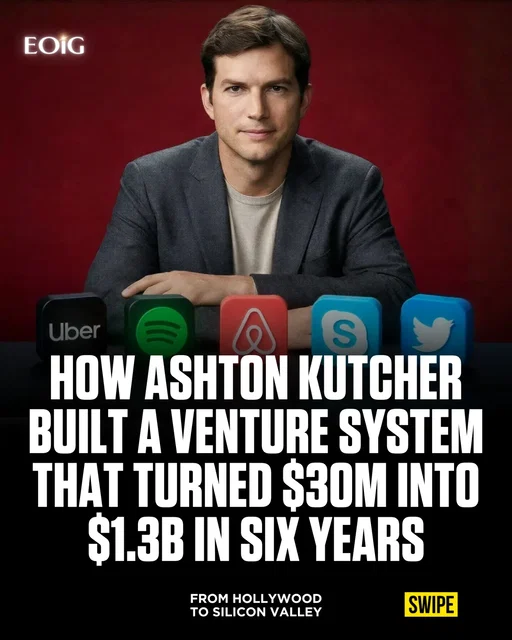
In a recent episode, @portfoliobreakdown explained how Ashton Kutcher turned $30M into $250M by following a simple but powerful system.
He started with discipline early in life, later used Hollywood income from That '70s Show and Two and a Half Men as investment capital, and built a strong advantage through his audience on Twitter.
Instead of just investing money, he combined capital with distribution and focused only on products he personally used, like Uber and Airbnb.
The core idea is simple. Cash flow gives patience, audience gives leverage, and real product experience leads to better bets.
Comment “system” and I’ll send you the full video.
138K
5.51K
34
2mo ago
portfoliobreakdown
Follow @PortfolioBreakdown for more breakdowns of how the world's biggest names build wealth!
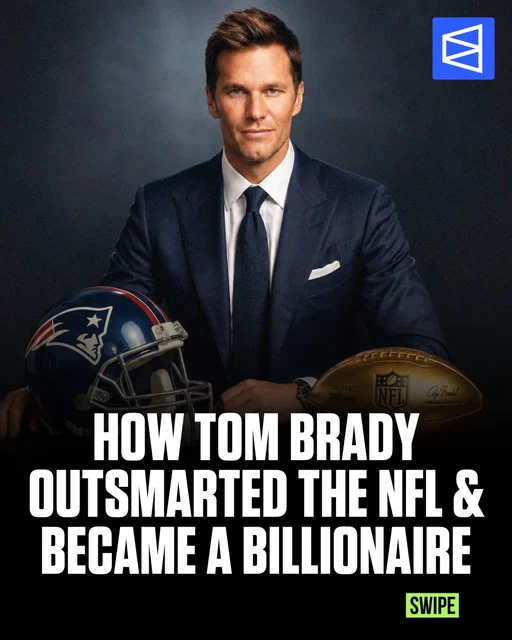
In a recent episode, @PortfolioBreakdown explored how Tom Brady built a business empire that became far more valuable than his NFL salary.
Instead of chasing the biggest contracts, he focused on creating long-term value.
Throughout his career, Brady strengthened his personal brand and often chose ownership over guaranteed cash.
That approach helped him build valuable stakes in businesses and sports franchises after retiring.
This episode is presented by @Polymarket
133K
5.32K
74
2mo ago
portfoliobreakdown
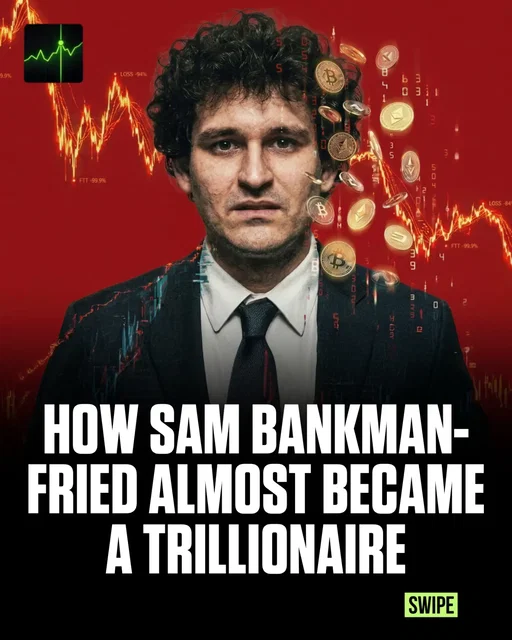
In a recent episode, @portfoliobreakdown explained how Sam Bankman-Fried turned an early crypto trading edge into a company trusted by millions.
Before FTX, he worked at Jane Street, earned around $300,000 yearly, and followed effective altruism after meeting philosopher William MacAskill.
Gary Wang later testified that Alameda received a secret $65 billion credit line and protection from FTX’s normal liquidation controls.
The bankruptcy covered over 130 companies, trapped more than 1 million customers, and ended with an $8 billion shortfall and 25-year sentence.
109K
4.38K
181
4mo ago
portfoliobreakdown
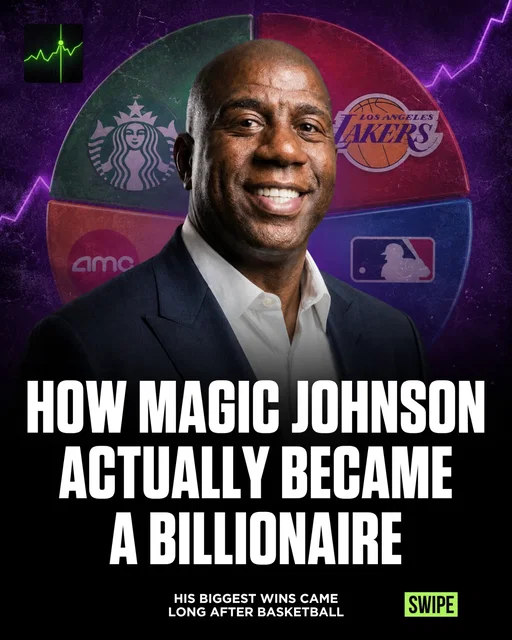
In a recent episode, @portfoliobreakdown explained that Magic Johnson became a billionaire by focusing on ownership, partnerships, and long-term business deals instead of relying only on NBA money and endorsements.
Through Magic Johnson Enterprises, he invested across restaurants, real estate, healthcare, and infrastructure while targeting markets many major companies underestimated.
One of his biggest moves was helping expand Starbucks into underserved urban communities, proving those locations could become highly profitable businesses.
Over time, partnerships with companies like Sodexo and large-scale investments helped turn Magic Johnson into one of the wealthiest athletes in history.
109K
4.36K
17
1w ago
portfoliobreakdown
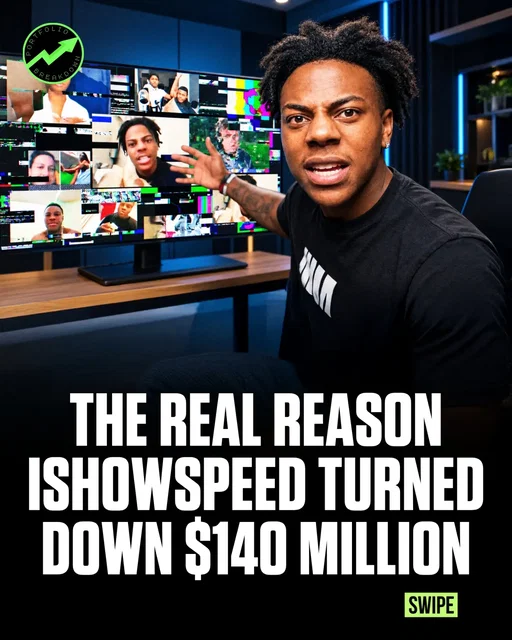
In a recent episode, @portfoliobreakdown went through the business behind IShowSpeed and how big his career has actually become.
Darren started posting when he was 11, spent years getting almost no attention, then one NBA 2K reaction helped everything take off. At one point, his channel went from around 100,000 subscribers to 1 million in roughly 60 days.
Since then, Speed has taken his streams around the world, landed major sponsors and built an audience worth millions. Forbes estimated he was making around $20 million a year by 2025.
And when a streaming platform reportedly came with an offer worth tens of millions, Speed said no and kept doing things his way.
He bet on owning the audience instead of taking the big check.
Follow us (@entrepreneursonig) for everything related to entrepreneurs
103K
4.12K
32
1mo ago
portfoliobreakdown
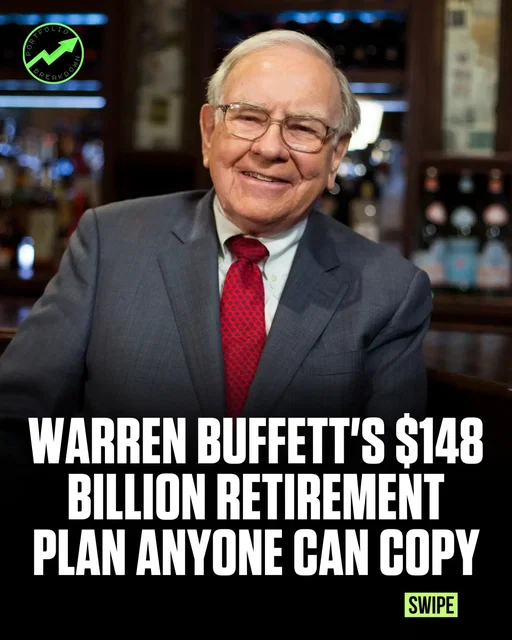
In a recent episode, @portfoliobreakdown explained how Warren Buffett turned a small investing partnership into one of the most valuable business empires ever built.
Buffett learned under Benjamin Graham, but Charlie Munger later pushed him toward buying great businesses at fair prices instead of simply hunting for bargains.
That shift shaped deals like See’s Candies and Coca-Cola, where strong brands, pricing power, and long holding periods became central to Berkshire’s playbook.
Buffett also kept his lifestyle unusually simple, took a modest Berkshire salary, and let ownership in the company do most of the wealth building.
95.0K
3.80K
21
3w ago
portfoliobreakdown
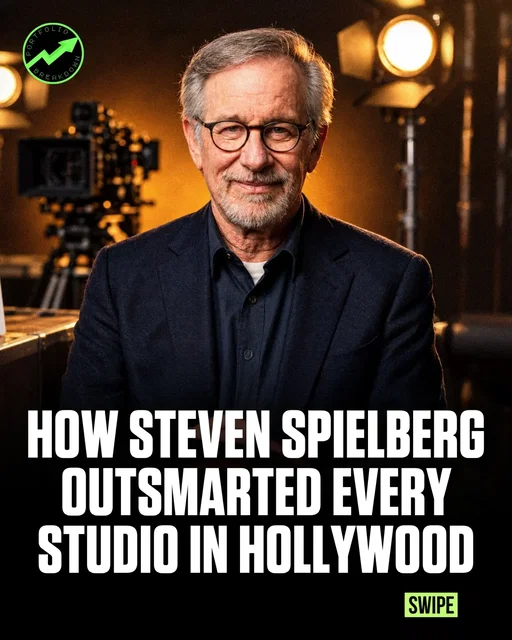
In a recent episode, @portfoliobreakdown broke down how Steven Spielberg built a fortune that went far beyond directing movies.
A lot of it came from negotiating percentages instead of just taking bigger upfront checks, which meant successful films could keep paying him long after release.
Some of those deals were almost ridiculous in hindsight, from swapping a piece of Close Encounters for 2.5% of Star Wars to landing a long-term cut tied to Universal theme parks.
That’s a big reason Spielberg’s story is less about Hollywood salaries and more about ownership, backend points and making sure the upside kept working even when he was no longer on set.
94.1K
3.76K
31
2mo ago
portfoliobreakdown
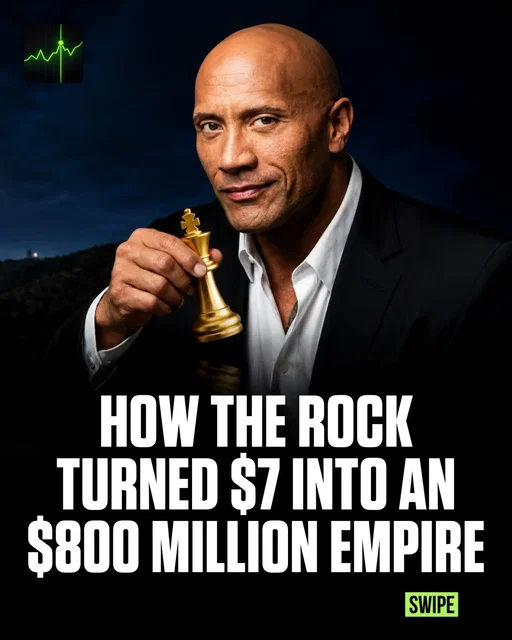
In a recent episode, @portfoliobreakdown explained how The Rock moved from earning paychecks to owning the companies behind his success.
Dany Garcia became a key business partner, helping build Seven Bucks Productions and turn his screen popularity into long-term ownership.
His portfolio now reaches beyond entertainment through Teremana, the United Football League, and a board seat at WWE parent company TKO.
The pattern across every move is clear: use fame to gain leverage, then exchange that leverage for equity, control, and lasting value.
portfoliobreakdown (@portfoliobreakdown) Instagram Stats & Analytics
portfoliobreakdown (@portfoliobreakdown) has 3.61K Instagram followers with a 4.04% engagement rate over the past 12 months. Across 40.0 posts, portfoliobreakdown received 327K total likes and 8.18M impressions, averaging 8.17K likes per post. This page tracks portfoliobreakdown's performance metrics, top content, and engagement trends — updated daily. To benchmark @portfoliobreakdown against other accounts, use Socialpruf's Instagram competitor analysis tool.
portfoliobreakdown (@portfoliobreakdown) Instagram Analytics FAQ
How many Instagram followers does portfoliobreakdown have?+
portfoliobreakdown (@portfoliobreakdown) has 3.61K Instagram followers as of October 2026.
What is portfoliobreakdown's Instagram engagement rate?+
portfoliobreakdown's Instagram engagement rate is 4.04% over the last 12 months, based on 40.0 posts.
How many likes does portfoliobreakdown get on Instagram?+
portfoliobreakdown received 327K total likes across 40.0 posts in the last 12 months, averaging 8.17K likes per post.
How many Instagram impressions does portfoliobreakdown get?+
portfoliobreakdown's Instagram content generated 8.18M total impressions over the last 12 months.
Can I compare portfoliobreakdown with other Instagram accounts?+
Yes. Add @portfoliobreakdown to a competitor set with Socialpruf's Instagram competitor analysis tool and benchmark it side by side with any other public accounts on views, engagement rate and follower growth, with history back to each account's first post.