NewClaim a free social report
instagram analytics
Similar Accounts:
followers
4.38K
impressions
2.05M
likes
27.4K
comments
1.22K
posts
121
engagement
1.39%
emv
$49.5K
Average per post
17.0K

Key Metrics

Distributions

Top Content

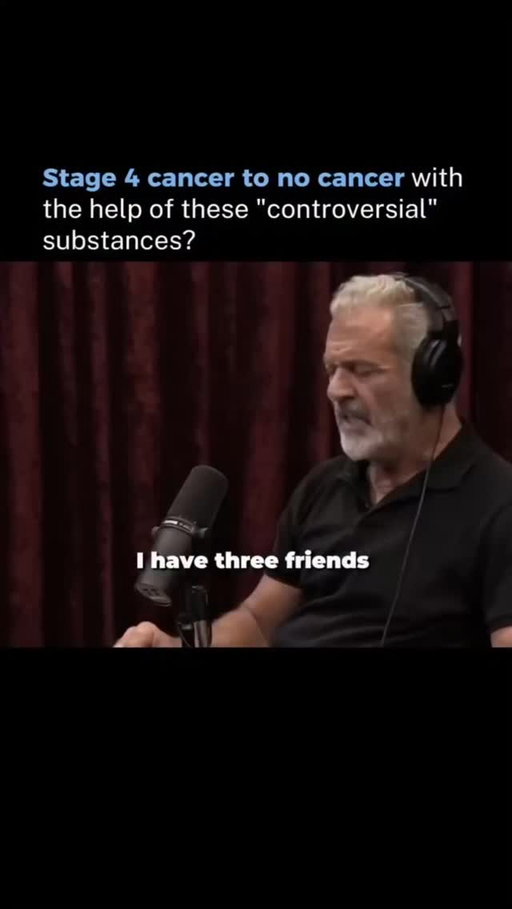
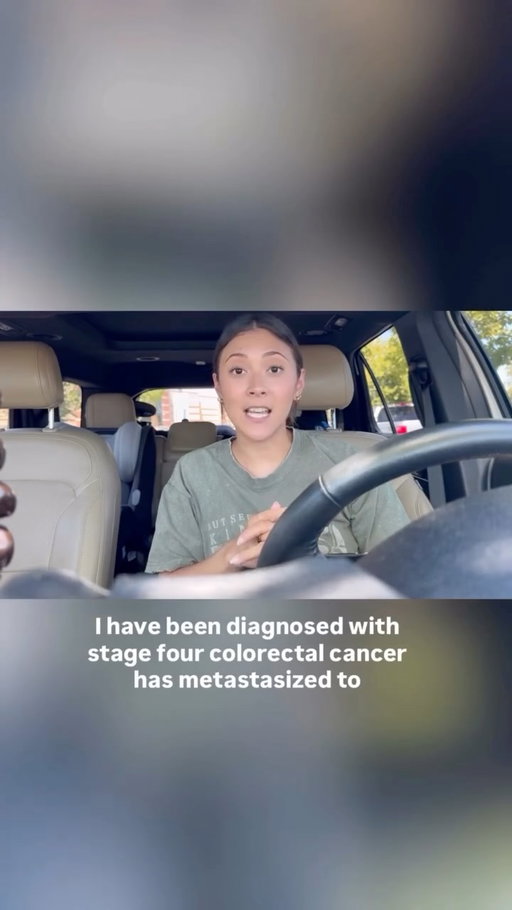
Can “controversial” substances cure stage 4 cancer?

As an integrative oncologist, I understand why these stories gain so much attention. When patients are facing a life-changing diagnosis, they’re looking for hope, answers, and options.

The challenge is that personal stories and scientific evidence are not the same thing.

Some compounds being discussed online have emerging research behind them and deserve further study. Others are much farther from clinical application. The key is knowing the difference.

My approach has always been to stay open to new possibilities while remaining grounded in evidence, safety, and what is best for the patient.

Patients deserve more options, better communication, and care that looks at the whole person—not just the diagnosis.

What’s your take on alternative cancer therapies?

#Cancer #CancerDoctor #CancerTreatment #IntegrativeOncology #CancerEducation”
722K
8.00K
459
3w ago
drjonathanstegall
Can “controversial” substances cure stage 4 cancer? As an integrative oncologist, I understand why these stories gain so much attention. When patients are facing a life-changing diagnosis, they’re looking for hope, answers, and options. The challenge is that personal stories and scientific evidence are not the same thing. Some compounds being discussed online have emerging research behind them and deserve further study. Others are much farther from clinical application. The key is knowing the difference. My approach has always been to stay open to new possibilities while remaining grounded in evidence, safety, and what is best for the patient. Patients deserve more options, better communication, and care that looks at the whole person—not just the diagnosis. What’s your take on alternative cancer therapies? #Cancer #CancerDoctor #CancerTreatment #IntegrativeOncology #CancerEducation”
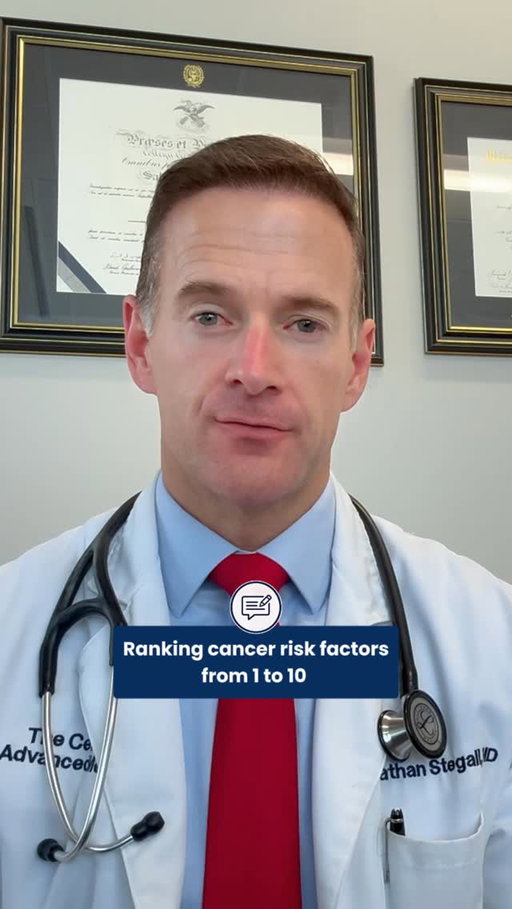
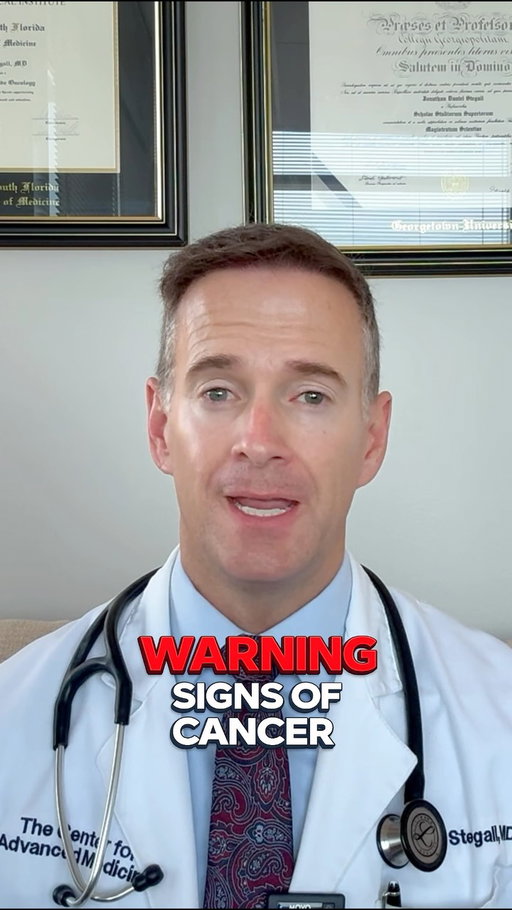
Ranking cancer risk factors from 1 to 10.

When people think about cancer risk, they often focus on one thing. The reality is that risk is influenced by many different factors, some of which are discussed far less than they should be.

In this video, I rank several common risk factors based on what we currently know from the research and what I’ve observed in clinical practice.

Some of the highest-impact factors may not be the ones most people expect.

The good news? Many of these risks are modifiable, which means there are practical steps you can take to support your long-term health.

Which ranking surprised you the most?
148K
2.14K
33
3w ago
drjonathanstegall
Ranking cancer risk factors from 1 to 10. When people think about cancer risk, they often focus on one thing. The reality is that risk is influenced by many different factors, some of which are discussed far less than they should be. In this video, I rank several common risk factors based on what we currently know from the research and what I’ve observed in clinical practice. Some of the highest-impact factors may not be the ones most people expect. The good news? Many of these risks are modifiable, which means there are practical steps you can take to support your long-term health. Which ranking surprised you the most?
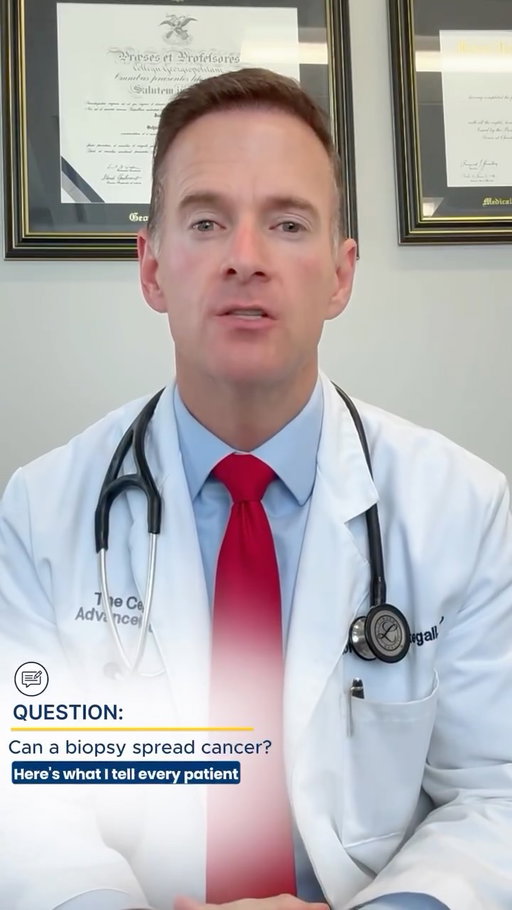
Can a biopsy spread cancer?

It’s one of the most common concerns patients have before a biopsy.

The reality is that while there is a theoretical risk, biopsies remain an important diagnostic tool and are often necessary to guide treatment decisions.

What matters is helping the body stay resilient before and after any procedure through a comprehensive, patient-centered approach.

The goal isn’t to avoid important testing—it’s to be informed and prepared.

Had you heard this concern about biopsies before? Let me know in the comments.
127K
1.98K
150
3w ago
drjonathanstegall
Can a biopsy spread cancer? It’s one of the most common concerns patients have before a biopsy. The reality is that while there is a theoretical risk, biopsies remain an important diagnostic tool and are often necessary to guide treatment decisions. What matters is helping the body stay resilient before and after any procedure through a comprehensive, patient-centered approach. The goal isn’t to avoid important testing—it’s to be informed and prepared. Had you heard this concern about biopsies before? Let me know in the comments.
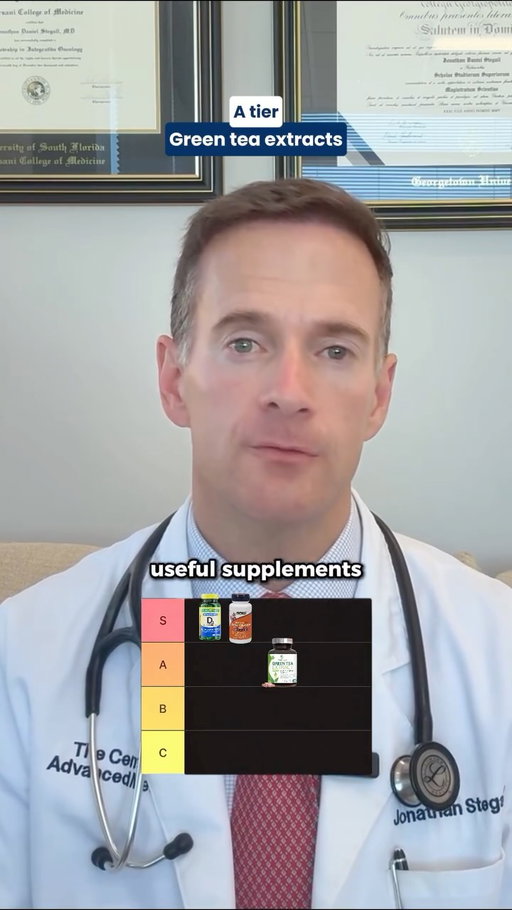
Cancer supplement tier list, ranked by evidence.

One of the most common questions I get is: “What supplements are actually worth taking?”

The answer is that not all supplements are created equal.

Some have strong research supporting their role in immune function, inflammation management, and overall health. Others are promising but need more evidence. And some are simply overhyped.

In this video, I rank several of the supplements I get asked about most often based on the current evidence, clinical experience, and how frequently I use them in practice.

The goal isn’t to take more supplements.

The goal is to focus on the ones that may actually make a meaningful difference.

Which supplement should I review next?
114K
912
47
1w ago
drjonathanstegall
Cancer supplement tier list, ranked by evidence. One of the most common questions I get is: “What supplements are actually worth taking?” The answer is that not all supplements are created equal. Some have strong research supporting their role in immune function, inflammation management, and overall health. Others are promising but need more evidence. And some are simply overhyped. In this video, I rank several of the supplements I get asked about most often based on the current evidence, clinical experience, and how frequently I use them in practice. The goal isn’t to take more supplements. The goal is to focus on the ones that may actually make a meaningful difference. Which supplement should I review next?
Standard oncology and integrative oncology are not opposites.

The way I see it, they work best together.

In this video, I explain the difference between a treatment plan that focuses primarily on the disease and one that also focuses on supporting the patient throughout the process.

That includes things like nutrition, immune function, sleep, stress management, recovery, and the factors that influence how well the body tolerates treatment.

The goal is never to replace evidence-based cancer treatment.

The goal is to bring more tools to the table and treat the whole person, not just the diagnosis.

Cancer care should be comprehensive because patients are more than their tumors.
53.5K
611
38
2w ago
drjonathanstegall
Standard oncology and integrative oncology are not opposites. The way I see it, they work best together. In this video, I explain the difference between a treatment plan that focuses primarily on the disease and one that also focuses on supporting the patient throughout the process. That includes things like nutrition, immune function, sleep, stress management, recovery, and the factors that influence how well the body tolerates treatment. The goal is never to replace evidence-based cancer treatment. The goal is to bring more tools to the table and treat the whole person, not just the diagnosis. Cancer care should be comprehensive because patients are more than their tumors.
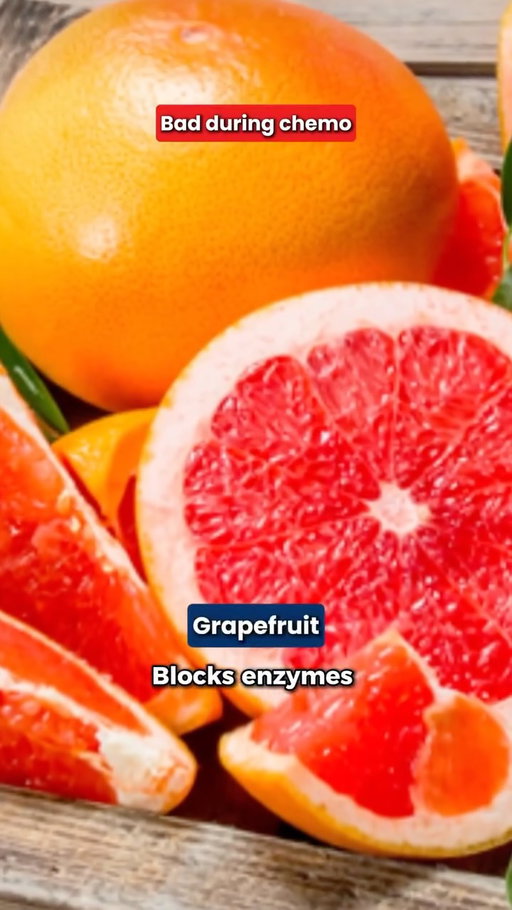
What you eat during chemotherapy matters more than most people realize.

One of the biggest misconceptions is that nutrition becomes less important during treatment. In reality, the right foods can help support energy levels, maintain muscle mass, support gut health, and help the body tolerate treatment more effectively.

At the same time, certain foods, supplements, and ingredients may create unnecessary challenges depending on the treatment being used.

That’s why I encourage patients to think of nutrition as part of the treatment plan, not something separate from it.

The goal isn’t a perfect diet.

The goal is giving your body the support it needs during one of the most demanding times it will ever face.

What topic around nutrition during treatment would you like me to cover next?
51.6K
628
8
2w ago
drjonathanstegall
What you eat during chemotherapy matters more than most people realize. One of the biggest misconceptions is that nutrition becomes less important during treatment. In reality, the right foods can help support energy levels, maintain muscle mass, support gut health, and help the body tolerate treatment more effectively. At the same time, certain foods, supplements, and ingredients may create unnecessary challenges depending on the treatment being used. That’s why I encourage patients to think of nutrition as part of the treatment plan, not something separate from it. The goal isn’t a perfect diet. The goal is giving your body the support it needs during one of the most demanding times it will ever face. What topic around nutrition during treatment would you like me to cover next?
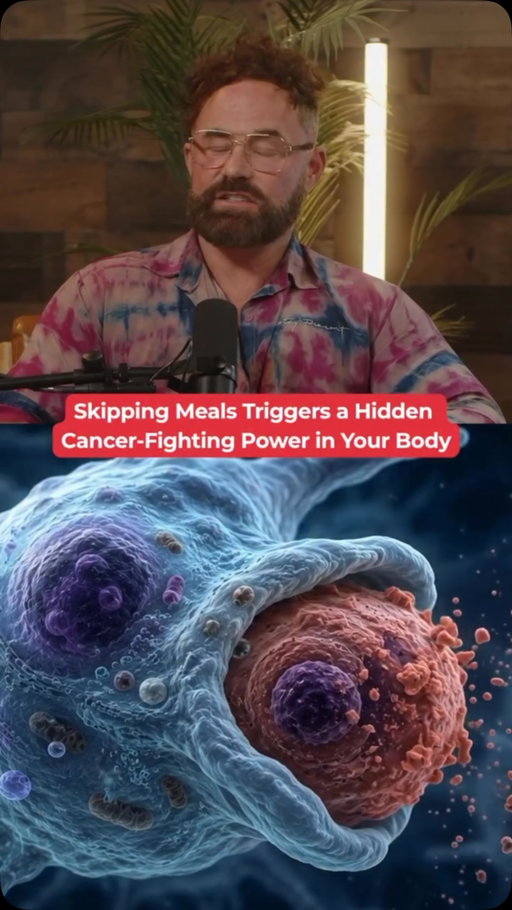
Baking soda and cancer is one of the most debated topics online right now.

In this video, Dr. Stegall reacts to a viral claim and breaks down what the research actually shows.

The reality is more nuanced than most social media posts make it seem. Scientists have known for years that the environment around cancer cells can be different from healthy tissue, and researchers continue to study how factors like metabolism, inflammation, and cellular environment may influence cancer behavior.

But promising research is not the same as proven treatment.

That’s why it’s important to separate early scientific findings from conclusions that go beyond the evidence.

Good medicine isn’t about chasing headlines. It’s about understanding the science and applying it carefully to the individual patient.

What are your thoughts on this topic?
51.3K
960
37
2w ago
drjonathanstegall
Baking soda and cancer is one of the most debated topics online right now. In this video, Dr. Stegall reacts to a viral claim and breaks down what the research actually shows. The reality is more nuanced than most social media posts make it seem. Scientists have known for years that the environment around cancer cells can be different from healthy tissue, and researchers continue to study how factors like metabolism, inflammation, and cellular environment may influence cancer behavior. But promising research is not the same as proven treatment. That’s why it’s important to separate early scientific findings from conclusions that go beyond the evidence. Good medicine isn’t about chasing headlines. It’s about understanding the science and applying it carefully to the individual patient. What are your thoughts on this topic?
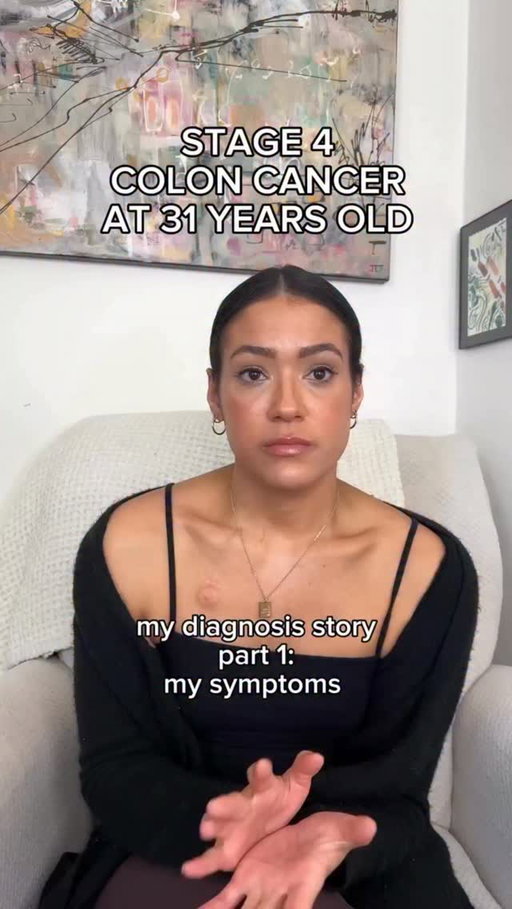
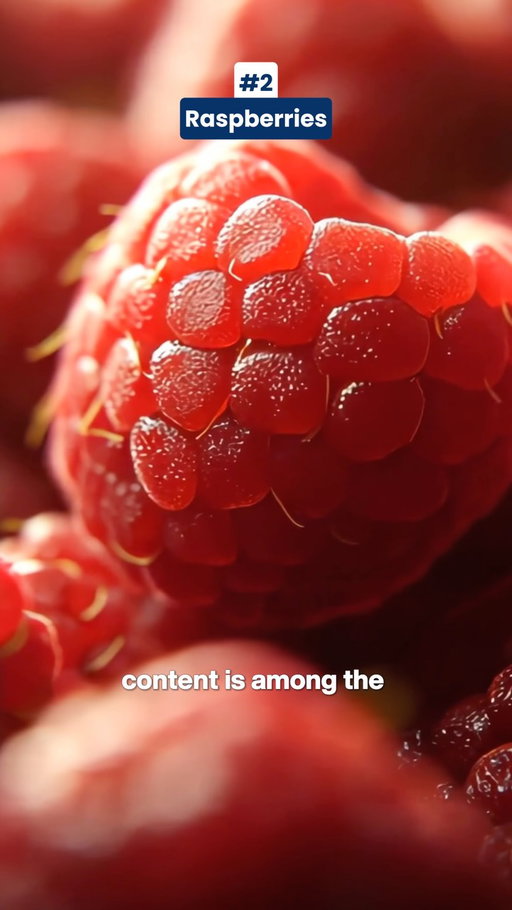
These are 4 fruits consistently linked to lower colon cancer risk.

Colon cancer rates are rising, especially in younger adults, which is why conversations about prevention matter more than ever.

No single food can prevent cancer, but some foods have stronger research behind them than others. In this video, I break down four fruits that have been associated with better colon health and a lower risk of colorectal cancer.

What makes them stand out isn’t just their vitamins. It’s their impact on fiber intake, gut microbiome health, antioxidant status, and inflammation—all factors that play a role in long-term colon health.

The best part? These aren’t exotic superfoods.

They’re simple, accessible foods that most people can add to their routine without changing everything else about their diet.

Which one of these fruits do you eat most often?
46.3K
1.42K
26
1w ago
drjonathanstegall
These are 4 fruits consistently linked to lower colon cancer risk. Colon cancer rates are rising, especially in younger adults, which is why conversations about prevention matter more than ever. No single food can prevent cancer, but some foods have stronger research behind them than others. In this video, I break down four fruits that have been associated with better colon health and a lower risk of colorectal cancer. What makes them stand out isn’t just their vitamins. It’s their impact on fiber intake, gut microbiome health, antioxidant status, and inflammation—all factors that play a role in long-term colon health. The best part? These aren’t exotic superfoods. They’re simple, accessible foods that most people can add to their routine without changing everything else about their diet. Which one of these fruits do you eat most often?
These are the questions every cancer patient should be asking.

One of the biggest mistakes patients make is assuming they shouldn’t ask too many questions.

The reality is that understanding your treatment, your labs, your options, and your overall health can help you become a more informed participant in your care.

In this video, I share some of the questions I wish more patients would bring to their oncology appointments—from immune function and inflammation to nutrition, vitamin D, treatment response, and quality of life.

The goal isn’t to challenge your doctor.

The goal is to better understand your treatment plan and make sure every aspect of your health is being considered.

If you could ask your oncologist one question and get a completely honest answer, what would it be?
44.7K
699
21
1w ago
drjonathanstegall
These are the questions every cancer patient should be asking. One of the biggest mistakes patients make is assuming they shouldn’t ask too many questions. The reality is that understanding your treatment, your labs, your options, and your overall health can help you become a more informed participant in your care. In this video, I share some of the questions I wish more patients would bring to their oncology appointments—from immune function and inflammation to nutrition, vitamin D, treatment response, and quality of life. The goal isn’t to challenge your doctor. The goal is to better understand your treatment plan and make sure every aspect of your health is being considered. If you could ask your oncologist one question and get a completely honest answer, what would it be?
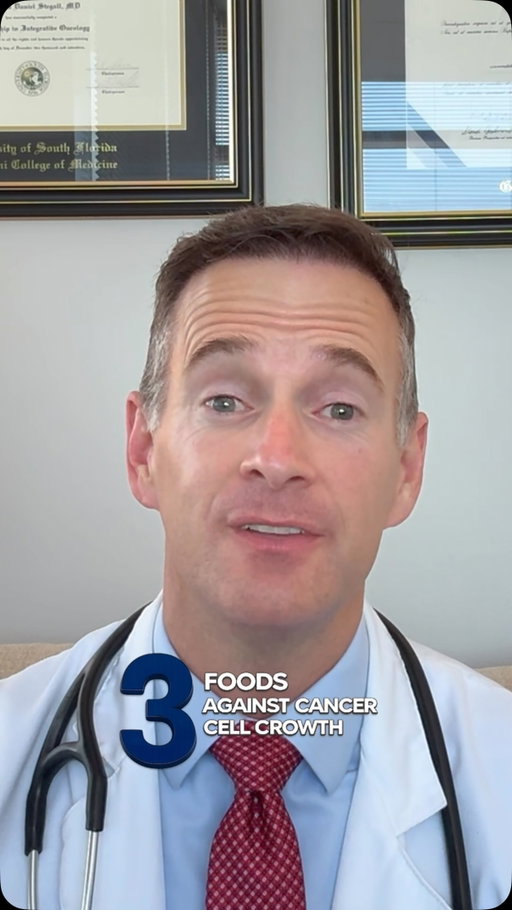
There are 3 daily habits I recommend to nearly every cancer patient I work with.

They’re simple, accessible, and backed by research.

In this video, I share why I often recommend broccoli sprouts, modified citrus pectin, and vitamin D as part of a comprehensive approach to supporting health during cancer treatment.

Cancer care is never one-size-fits-all, but I’ve found that small, consistent habits can make a meaningful difference over time.

Have you heard of any of these before?
29.2K
591
52
3w ago
drjonathanstegall
There are 3 daily habits I recommend to nearly every cancer patient I work with. They’re simple, accessible, and backed by research. In this video, I share why I often recommend broccoli sprouts, modified citrus pectin, and vitamin D as part of a comprehensive approach to supporting health during cancer treatment. Cancer care is never one-size-fits-all, but I’ve found that small, consistent habits can make a meaningful difference over time. Have you heard of any of these before?
Top 10 Tips on Cancer & Nutrition ✨

In integrative oncology, I’m constantly reminded how powerful everyday habits can be. Here are 10 key takeaways from the video:

• What you eat matters
• Focus on highly nutritious foods
• Prioritize whole, minimally processed ingredients
• You don’t need to count calories when you eat nutrient-dense meals
• Nutrition isn’t about “starving” cancer
• Smoothies are an easy way to pack in nutrients
• Consistency matters. What you eat most of the time counts
• Stay hydrated
• Timing your meals makes a difference
• Nutrition is important, but it’s not a substitute for recommended medical treatments

🎥 Watch full video: https://www.youtube.com/watch?v=rKE2OvU2zS0

A balanced lifestyle, evidence-based care, and supportive habits work together.
Always talk with your oncology team before making changes to your treatment plan.

Schedule a consultation:
☎️ (470) 296-2186
📱 tcfam.com

#stayinformed #cancertreatment #cancerawareness #cancertalk #cancer #oncology #oncologist #cancerdoc #cancerexpert #integrativeoncology #theoncdoc #oncdoctor #prostatecancer #cancernutrition #nutritionmatters
27.9K
627
9
6mo ago
drjonathanstegall
Top 10 Tips on Cancer & Nutrition ✨ In integrative oncology, I’m constantly reminded how powerful everyday habits can be. Here are 10 key takeaways from the video: • What you eat matters • Focus on highly nutritious foods • Prioritize whole, minimally processed ingredients • You don’t need to count calories when you eat nutrient-dense meals • Nutrition isn’t about “starving” cancer • Smoothies are an easy way to pack in nutrients • Consistency matters. What you eat most of the time counts • Stay hydrated • Timing your meals makes a difference • Nutrition is important, but it’s not a substitute for recommended medical treatments 🎥 Watch full video: https://www.youtube.com/watch?v=rKE2OvU2zS0 A balanced lifestyle, evidence-based care, and supportive habits work together. Always talk with your oncology team before making changes to your treatment plan. Schedule a consultation: ☎️ (470) 296-2186 📱 tcfam.com #stayinformed #cancertreatment #cancerawareness #cancertalk #cancer #oncology #oncologist #cancerdoc #cancerexpert #integrativeoncology #theoncdoc #oncdoctor #prostatecancer #cancernutrition #nutritionmatters
This is the side of chemotherapy most people never see.

The fatigue. The nausea. The loss of appetite. The feeling that your body is working overtime just to get through the day.

In this video, Dr. Stegall reacts to a patient sharing the reality of life after chemotherapy and explains why cancer care should involve more than simply administering treatment and hoping patients tolerate it.

Integrative oncology focuses on supporting both the treatment and the person receiving it—helping reduce side effects, support the immune system, maintain strength, and improve quality of life throughout the process.

Cancer treatment is hard enough.

The goal should be treating the cancer while supporting the body every step of the way.

What do you think is most overlooked in cancer care today?
19.6K
250
17
1w ago
drjonathanstegall
This is the side of chemotherapy most people never see. The fatigue. The nausea. The loss of appetite. The feeling that your body is working overtime just to get through the day. In this video, Dr. Stegall reacts to a patient sharing the reality of life after chemotherapy and explains why cancer care should involve more than simply administering treatment and hoping patients tolerate it. Integrative oncology focuses on supporting both the treatment and the person receiving it—helping reduce side effects, support the immune system, maintain strength, and improve quality of life throughout the process. Cancer treatment is hard enough. The goal should be treating the cancer while supporting the body every step of the way. What do you think is most overlooked in cancer care today?
Rapid-fire cancer and diet questions, answered fast.

These are some of the questions I hear most often from patients: Does dairy increase cancer risk? Is fasting worth considering? Does gut health really matter? What’s more important—supplements or exercise?

The truth is that cancer prevention and treatment outcomes are influenced by everyday habits far more than most people realize.

In this video, I share my perspective on movement, ultra-processed foods, tea, fasting, magnesium, gut health, red meat, and some of the biggest misconceptions surrounding nutrition and cancer.

There’s no single food, supplement, or protocol that determines your health.

But there are patterns that matter.

Which answer surprised you the most?
18.7K
290
12
1w ago
drjonathanstegall
Rapid-fire cancer and diet questions, answered fast. These are some of the questions I hear most often from patients: Does dairy increase cancer risk? Is fasting worth considering? Does gut health really matter? What’s more important—supplements or exercise? The truth is that cancer prevention and treatment outcomes are influenced by everyday habits far more than most people realize. In this video, I share my perspective on movement, ultra-processed foods, tea, fasting, magnesium, gut health, red meat, and some of the biggest misconceptions surrounding nutrition and cancer. There’s no single food, supplement, or protocol that determines your health. But there are patterns that matter. Which answer surprised you the most?
Natural cancer-fighting compounds backed by research.

I’m often asked about supplements and natural compounds that have actual science behind them. In this video, I highlight a few that have been studied extensively, including EGCG, curcumin, sulforaphane, modified citrus pectin, and resveratrol.

What interests me most isn’t the hype—it’s the research. These compounds have been studied for their potential effects on inflammation, oxidative stress, immune function, and the biological environment that cancer cells depend on.

That said, I want to be clear: these are not substitutes for treatment.

I view them as tools that may help support the body alongside a comprehensive, evidence-based cancer care plan.

Which of these would you like me to do a deeper dive on?
18.4K
231
11
1w ago
drjonathanstegall
Natural cancer-fighting compounds backed by research. I’m often asked about supplements and natural compounds that have actual science behind them. In this video, I highlight a few that have been studied extensively, including EGCG, curcumin, sulforaphane, modified citrus pectin, and resveratrol. What interests me most isn’t the hype—it’s the research. These compounds have been studied for their potential effects on inflammation, oxidative stress, immune function, and the biological environment that cancer cells depend on. That said, I want to be clear: these are not substitutes for treatment. I view them as tools that may help support the body alongside a comprehensive, evidence-based cancer care plan. Which of these would you like me to do a deeper dive on?
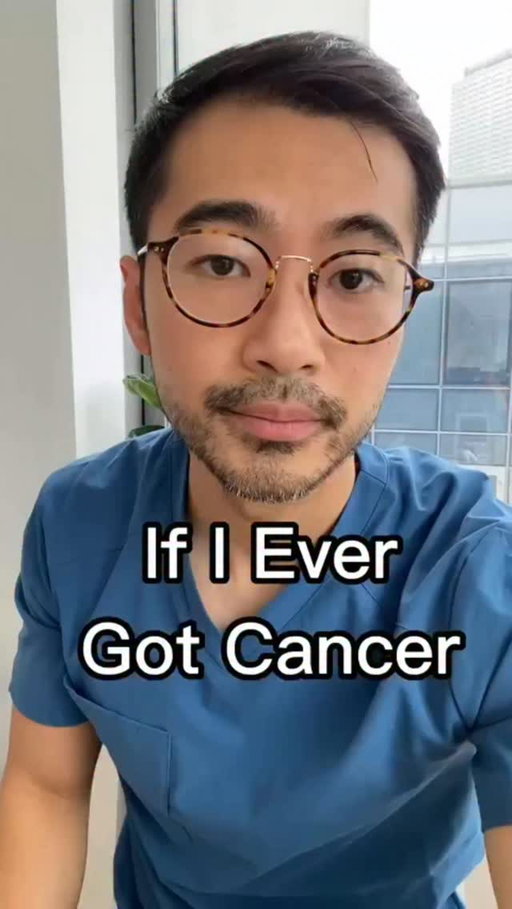
If I ever got cancer, here’s exactly what I would do first.

After caring for cancer patients for more than a decade, I’ve learned that some of the most powerful tools are often the simplest.

Prioritizing nutrition and staying physically active can make a meaningful difference during treatment. Not because they’re a cure, but because they help support the body’s strength, resilience, and recovery.

I’m not talking about extreme diets or intense workouts. I’m talking about eating nourishing food and moving your body every day, even when it’s difficult.

A cancer diagnosis can make you feel like you’ve lost control. But your daily habits are still something you can influence—and they matter more than many people realize.

Save this for future reference, and share it with someone who may need this reminder.
18.0K
365
11
3w ago
drjonathanstegall
If I ever got cancer, here’s exactly what I would do first. After caring for cancer patients for more than a decade, I’ve learned that some of the most powerful tools are often the simplest. Prioritizing nutrition and staying physically active can make a meaningful difference during treatment. Not because they’re a cure, but because they help support the body’s strength, resilience, and recovery. I’m not talking about extreme diets or intense workouts. I’m talking about eating nourishing food and moving your body every day, even when it’s difficult. A cancer diagnosis can make you feel like you’ve lost control. But your daily habits are still something you can influence—and they matter more than many people realize. Save this for future reference, and share it with someone who may need this reminder.
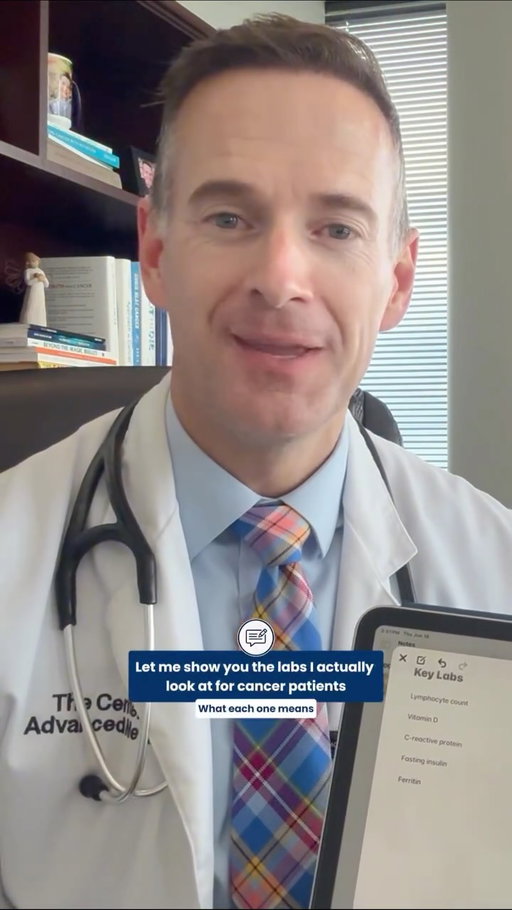
There’s a number on your standard blood tests that many cancer patients never think to ask about.

Your lymphocyte count may provide important insight into how your immune system is functioning during treatment.

While most people focus on red blood cells, platelets, and other markers, Dr. Stegall believes understanding immune health is an important part of the bigger picture.

That’s why he encourages patients to ask questions, understand their lab work, and take an active role in their care.

Do you know your lymphocyte count?
17.3K
273
8
3w ago
drjonathanstegall
There’s a number on your standard blood tests that many cancer patients never think to ask about. Your lymphocyte count may provide important insight into how your immune system is functioning during treatment. While most people focus on red blood cells, platelets, and other markers, Dr. Stegall believes understanding immune health is an important part of the bigger picture. That’s why he encourages patients to ask questions, understand their lab work, and take an active role in their care. Do you know your lymphocyte count?
My takes on the most talked-about cancer topics right now:

• Seed oils: Not the first thing I worry about. Overall diet quality matters far more than obsessing over a single ingredient.

• Intermittent fasting: Promising for metabolic health and may have benefits in certain patients, but it’s not appropriate for everyone, especially during active treatment.

• Vitamin D3 + K2: One of the most common deficiencies I see. Vitamin D status matters, but testing is more important than guessing.

• Stress and cancer: Chronic stress affects hormones, inflammation, sleep, and immune function. It’s not the sole cause of cancer, but it absolutely deserves attention.

Cancer prevention and treatment are rarely about one magic bullet.

The biggest wins usually come from improving the fundamentals consistently over time.

Which topic should I break down next?
14.5K
113
3
2w ago
drjonathanstegall
My takes on the most talked-about cancer topics right now: • Seed oils: Not the first thing I worry about. Overall diet quality matters far more than obsessing over a single ingredient. • Intermittent fasting: Promising for metabolic health and may have benefits in certain patients, but it’s not appropriate for everyone, especially during active treatment. • Vitamin D3 + K2: One of the most common deficiencies I see. Vitamin D status matters, but testing is more important than guessing. • Stress and cancer: Chronic stress affects hormones, inflammation, sleep, and immune function. It’s not the sole cause of cancer, but it absolutely deserves attention. Cancer prevention and treatment are rarely about one magic bullet. The biggest wins usually come from improving the fundamentals consistently over time. Which topic should I break down next?
Smash or pass: cancer health edition.

Some health topics are controversial. Others are surprisingly straightforward.

In this video, I give my quick take on some of the most common questions I get about cancer prevention, treatment support, and overall health—from green tea and broccoli sprouts to vitamin D, intermittent fasting, stress management, and more.

My opinions aren’t based on trends.

They’re based on what I’ve seen in practice and what the research continues to show.

The goal isn’t to make every health decision perfectly.

It’s to focus on the things that have the biggest impact and stop wasting energy on the things that don’t.

Which topic deserves its own deep dive?
14.5K
263
2
2w ago
drjonathanstegall
Smash or pass: cancer health edition. Some health topics are controversial. Others are surprisingly straightforward. In this video, I give my quick take on some of the most common questions I get about cancer prevention, treatment support, and overall health—from green tea and broccoli sprouts to vitamin D, intermittent fasting, stress management, and more. My opinions aren’t based on trends. They’re based on what I’ve seen in practice and what the research continues to show. The goal isn’t to make every health decision perfectly. It’s to focus on the things that have the biggest impact and stop wasting energy on the things that don’t. Which topic deserves its own deep dive?
Cancer myths: fact or fiction?

I hear a lot of claims about cancer, treatment, nutrition, and prevention—and the truth is that the answers are rarely as simple as a headline or social media post makes them seem.

In this video, I break down some of the most common cancer myths and misconceptions, separating what the evidence shows from what many people have been led to believe.

My approach has always been the same: follow the science, stay open-minded, and avoid oversimplified answers.

When it comes to cancer, nuance matters.

Which myth do you hear most often?
14.4K
233
6
3w ago
drjonathanstegall
Cancer myths: fact or fiction? I hear a lot of claims about cancer, treatment, nutrition, and prevention—and the truth is that the answers are rarely as simple as a headline or social media post makes them seem. In this video, I break down some of the most common cancer myths and misconceptions, separating what the evidence shows from what many people have been led to believe. My approach has always been the same: follow the science, stay open-minded, and avoid oversimplified answers. When it comes to cancer, nuance matters. Which myth do you hear most often?
Cancer fatigue is different from ordinary tiredness.

One of the most frustrating things patients hear is, “Just get more rest.”

But cancer-related fatigue often isn’t solved by sleeping longer.

In many cases, treatment, inflammation, nutritional deficiencies, hormone imbalances, and changes in cellular energy production all play a role.

That’s why I look deeper.

I want to know what’s happening with iron levels, B vitamins, thyroid function, hormones, immune health, and mitochondrial function. I also encourage gentle movement whenever possible because complete inactivity can actually make fatigue worse.

Most importantly, I want patients to know this:

The exhaustion you’re feeling is not a character flaw.

It’s biology.

And biology can be supported.

What has helped you most when dealing with fatigue?
13.7K
188
2
1w ago
drjonathanstegall
Cancer fatigue is different from ordinary tiredness. One of the most frustrating things patients hear is, “Just get more rest.” But cancer-related fatigue often isn’t solved by sleeping longer. In many cases, treatment, inflammation, nutritional deficiencies, hormone imbalances, and changes in cellular energy production all play a role. That’s why I look deeper. I want to know what’s happening with iron levels, B vitamins, thyroid function, hormones, immune health, and mitochondrial function. I also encourage gentle movement whenever possible because complete inactivity can actually make fatigue worse. Most importantly, I want patients to know this: The exhaustion you’re feeling is not a character flaw. It’s biology. And biology can be supported. What has helped you most when dealing with fatigue?

Jonathan Stegall, MD (@drjonathanstegall) Instagram Stats & Analytics

Jonathan Stegall, MD (@drjonathanstegall) has 4.38K Instagram followers with a 1.39% engagement rate over the past 12 months. Across 121 posts, Jonathan Stegall, MD received 27.4K total likes and 2.05M impressions, averaging 227 likes per post. This page tracks Jonathan Stegall, MD's performance metrics, top content, and engagement trends — updated daily.

Jonathan Stegall, MD (@drjonathanstegall) Instagram Analytics FAQ

How many Instagram followers does Jonathan Stegall, MD have?+
Jonathan Stegall, MD (@drjonathanstegall) has 4.38K Instagram followers as of June 2026.
What is Jonathan Stegall, MD's Instagram engagement rate?+
Jonathan Stegall, MD's Instagram engagement rate is 1.39% over the last 12 months, based on 121 posts.
How many likes does Jonathan Stegall, MD get on Instagram?+
Jonathan Stegall, MD received 27.4K total likes across 121 posts in the last 12 months, averaging 227 likes per post.
How many Instagram impressions does Jonathan Stegall, MD get?+
Jonathan Stegall, MD's Instagram content generated 2.05M total impressions over the last 12 months.