NewClaim a free social report
instagram analytics
Similar Accounts:
followers
40
impressions
8.64K
likes
105
comments
4
posts
76
engagement
1.26%
emv
$204
Average per post
114

Key Metrics

Distributions

Top Content

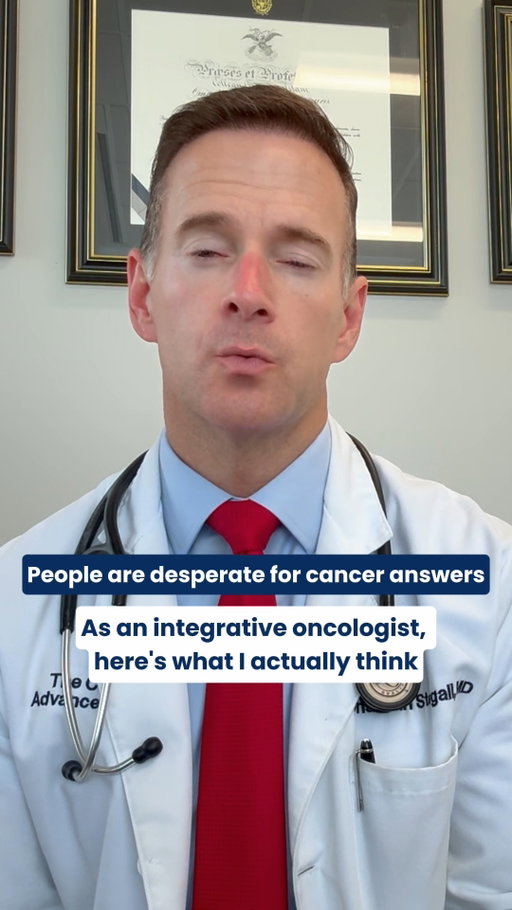
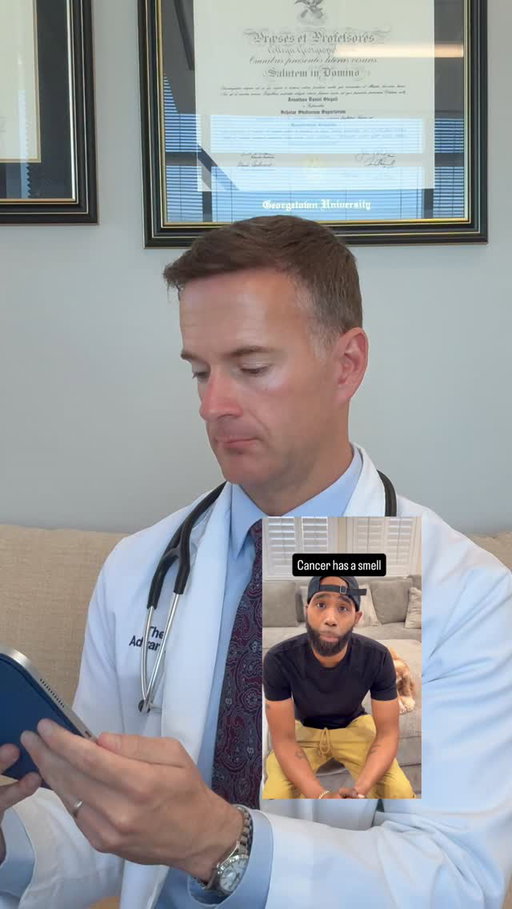
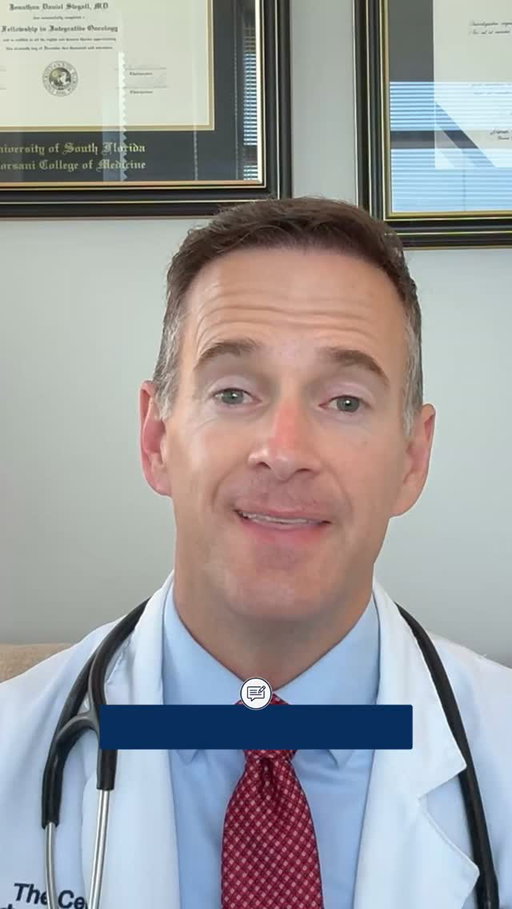
Can “controversial” substances really help treat cancer?

In this video, Dr. Stegall reacts to a conversation  and shares his perspective as an integrative oncologist.

While some compounds being discussed online have emerging research behind them, others are supported primarily by personal stories rather than clinical evidence.

Dr. Stegall’s approach is neither blind acceptance nor outright dismissal—it’s careful evaluation of the science, the risks, and the potential benefits.

As he explains, patients deserve more options, better communication, and a treatment approach that considers the whole person.

What’s your perspective on alternative cancer therapies?
982
15
0
3w ago
drstegallreels
Can “controversial” substances really help treat cancer? In this video, Dr. Stegall reacts to a conversation and shares his perspective as an integrative oncologist. While some compounds being discussed online have emerging research behind them, others are supported primarily by personal stories rather than clinical evidence. Dr. Stegall’s approach is neither blind acceptance nor outright dismissal—it’s careful evaluation of the science, the risks, and the potential benefits. As he explains, patients deserve more options, better communication, and a treatment approach that considers the whole person. What’s your perspective on alternative cancer therapies?
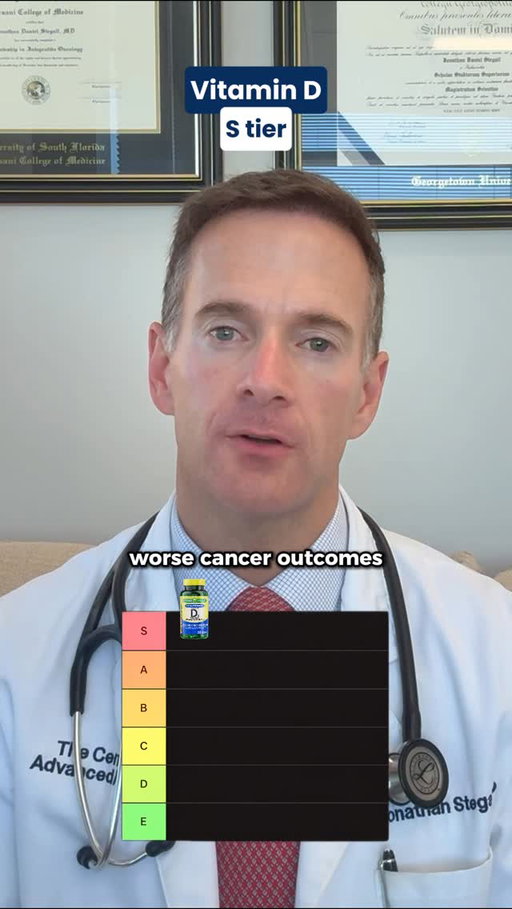
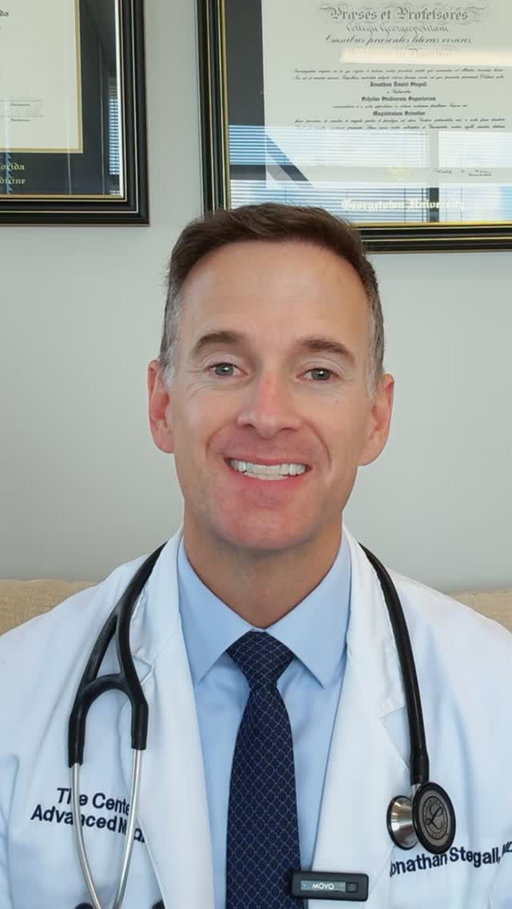
I rank the most talked-about cancer supplements from S tier to C tier. No fluff.

Vitamin D. Curcumin. Green tea extract. Probiotics. Melatonin. Resveratrol.

Some supplements have strong evidence behind them. Others are promising but still developing. And some get far more attention than the research supports.

In this video, I break down where these supplements rank based on the evidence, clinical experience, and how useful they tend to be in real-world cancer care.

The goal isn’t to take everything.

It’s to focus on what actually moves the needle.

Which supplement do you hear people talking about most often?
390
4
0
1w ago
drstegallreels
I rank the most talked-about cancer supplements from S tier to C tier. No fluff. Vitamin D. Curcumin. Green tea extract. Probiotics. Melatonin. Resveratrol. Some supplements have strong evidence behind them. Others are promising but still developing. And some get far more attention than the research supports. In this video, I break down where these supplements rank based on the evidence, clinical experience, and how useful they tend to be in real-world cancer care. The goal isn’t to take everything. It’s to focus on what actually moves the needle. Which supplement do you hear people talking about most often?
“I want every cancer patient to see this.”

Not because it’s a story about cancer.

Because it’s a story about resilience.

In this video, Dr. Stegall reacts to a cancer survivor navigating something many people take for granted: sitting down and enjoying a meal.

Cancer treatment isn’t just about eliminating disease. It’s also about preserving quality of life, rebuilding confidence, adapting to change, and finding joy in everyday moments again.

Recovery is rarely perfect.

More often, it’s a series of small victories that don’t seem small to the person living them.

What’s something you’ve learned from a cancer survivor that stayed with you?
167
3
0
2w ago
drstegallreels
“I want every cancer patient to see this.” Not because it’s a story about cancer. Because it’s a story about resilience. In this video, Dr. Stegall reacts to a cancer survivor navigating something many people take for granted: sitting down and enjoying a meal. Cancer treatment isn’t just about eliminating disease. It’s also about preserving quality of life, rebuilding confidence, adapting to change, and finding joy in everyday moments again. Recovery is rarely perfect. More often, it’s a series of small victories that don’t seem small to the person living them. What’s something you’ve learned from a cancer survivor that stayed with you?
WHO classifies these everyday items as confirmed carcinogens.

When people hear the word “carcinogen,” they usually think of smoking.

But several exposures that are part of everyday life have also been classified based on evidence linking them to cancer risk.

In this video, Dr. Stegall reviews some of the lesser-known items on those lists and explains why understanding them matters.

This isn’t about fear or eliminating every risk.

It’s about knowing where the evidence stands so you can make informed decisions over time.

Which one of these surprised you the most?
166
0
0
1w ago
drstegallreels
WHO classifies these everyday items as confirmed carcinogens. When people hear the word “carcinogen,” they usually think of smoking. But several exposures that are part of everyday life have also been classified based on evidence linking them to cancer risk. In this video, Dr. Stegall reviews some of the lesser-known items on those lists and explains why understanding them matters. This isn’t about fear or eliminating every risk. It’s about knowing where the evidence stands so you can make informed decisions over time. Which one of these surprised you the most?
Some of these cancer beliefs could actually be hurting you.

From “there’s one cure for cancer” to misconceptions about sugar, chemotherapy, and natural remedies, misinformation spreads fast—especially online.

In this video, Dr. Stegall breaks down several common cancer beliefs and explains where the science supports them, where it doesn’t, and where the answer is more nuanced than most people realize.

One of the core principles of integrative oncology is looking beyond headlines and evaluating claims based on evidence, safety, and context.

Because when it comes to cancer, simple answers are rarely the whole story.

Which myth do you hear most often?
164
2
0
3w ago
drstegallreels
Some of these cancer beliefs could actually be hurting you. From “there’s one cure for cancer” to misconceptions about sugar, chemotherapy, and natural remedies, misinformation spreads fast—especially online. In this video, Dr. Stegall breaks down several common cancer beliefs and explains where the science supports them, where it doesn’t, and where the answer is more nuanced than most people realize. One of the core principles of integrative oncology is looking beyond headlines and evaluating claims based on evidence, safety, and context. Because when it comes to cancer, simple answers are rarely the whole story. Which myth do you hear most often?
The sugar feeds cancer rule is half right and half wrong.

One of the most common misconceptions I see is the belief that eliminating all sugar will somehow “starve” cancer.

The reality is more nuanced.

Cancer cells do use glucose, but so do your brain, muscles, immune cells, and virtually every healthy tissue in your body. The goal isn’t to eliminate carbohydrates entirely. The goal is to avoid the constant blood sugar and insulin spikes that come from a diet built around ultra-processed foods, sugary drinks, and refined carbohydrates.

I want my patients focused on metabolic health, not food fear.

Whole foods, adequate protein, fiber, and a balanced approach will take you much further than obsessing over every gram of sugar.

What’s the biggest nutrition myth you’ve heard about cancer?
149
2
0
1w ago
drstegallreels
The sugar feeds cancer rule is half right and half wrong. One of the most common misconceptions I see is the belief that eliminating all sugar will somehow “starve” cancer. The reality is more nuanced. Cancer cells do use glucose, but so do your brain, muscles, immune cells, and virtually every healthy tissue in your body. The goal isn’t to eliminate carbohydrates entirely. The goal is to avoid the constant blood sugar and insulin spikes that come from a diet built around ultra-processed foods, sugary drinks, and refined carbohydrates. I want my patients focused on metabolic health, not food fear. Whole foods, adequate protein, fiber, and a balanced approach will take you much further than obsessing over every gram of sugar. What’s the biggest nutrition myth you’ve heard about cancer?
This visual explains a problem most people never think about.

In this video, Dr. Stegall reacts to a simple demonstration that highlights the gap between what the body is designed to handle and what many people consume every day.

The conversation isn’t about fear or blaming a single ingredient. It’s about understanding how excess sugar intake can contribute to inflammation, insulin resistance, and metabolic dysfunction over time.

These are factors that can affect overall health and create conditions the body has to work harder to overcome.

That’s why nutrition is such an important part of the bigger health picture.

What was your reaction when you saw the visual?
143
0
0
2w ago
drstegallreels
This visual explains a problem most people never think about. In this video, Dr. Stegall reacts to a simple demonstration that highlights the gap between what the body is designed to handle and what many people consume every day. The conversation isn’t about fear or blaming a single ingredient. It’s about understanding how excess sugar intake can contribute to inflammation, insulin resistance, and metabolic dysfunction over time. These are factors that can affect overall health and create conditions the body has to work harder to overcome. That’s why nutrition is such an important part of the bigger health picture. What was your reaction when you saw the visual?
If Dr. Stegall were going through cancer treatment, these are the 3 things he says he would take every day.

In this video, Dr. Stegall shares three recommendations he frequently discusses with patients: broccoli sprouts, modified citrus pectin, and vitamin D.

Each one has been studied for its potential role in supporting overall health and wellness during cancer treatment.

While every patient's situation is unique, Dr. Stegall believes understanding the research behind these strategies can help patients have more informed conversations about their care.

Which of these have you heard about before?
143
4
0
3w ago
drstegallreels
If Dr. Stegall were going through cancer treatment, these are the 3 things he says he would take every day. In this video, Dr. Stegall shares three recommendations he frequently discusses with patients: broccoli sprouts, modified citrus pectin, and vitamin D. Each one has been studied for its potential role in supporting overall health and wellness during cancer treatment. While every patient's situation is unique, Dr. Stegall believes understanding the research behind these strategies can help patients have more informed conversations about their care. Which of these have you heard about before?
How risky is it really?

In this video, Dr. Stegall ranks some of the most common cancer risk factors based on their potential impact and what the research shows.

While some risks are widely discussed, others are often overlooked despite their significant influence on long-term health.

The most important takeaway? Many cancer risk factors are modifiable, meaning there are steps people can take to reduce their risk over time.

Understanding where the biggest risks come from is the first step toward making informed health decisions.

Which ranking surprised you the most?
142
4
0
3w ago
drstegallreels
How risky is it really? In this video, Dr. Stegall ranks some of the most common cancer risk factors based on their potential impact and what the research shows. While some risks are widely discussed, others are often overlooked despite their significant influence on long-term health. The most important takeaway? Many cancer risk factors are modifiable, meaning there are steps people can take to reduce their risk over time. Understanding where the biggest risks come from is the first step toward making informed health decisions. Which ranking surprised you the most?
Most oncologists don't prepare patients for a biopsy. Dr. Stegall explains why he does.

Many patients have heard the concern that a biopsy can spread cancer. While the risk is considered very small, Dr. Stegall believes preparation before and after a procedure is an important part of comprehensive cancer care.

In this video, he discusses how supporting the body's natural defenses and managing inflammation may help patients feel more prepared going into a biopsy.

A biopsy is often a necessary step in diagnosis and treatment planning—but preparation matters, too.

Had you ever heard this perspective on biopsies before? Share your thoughts below.
139
0
0
3w ago
drstegallreels
Most oncologists don't prepare patients for a biopsy. Dr. Stegall explains why he does. Many patients have heard the concern that a biopsy can spread cancer. While the risk is considered very small, Dr. Stegall believes preparation before and after a procedure is an important part of comprehensive cancer care. In this video, he discusses how supporting the body's natural defenses and managing inflammation may help patients feel more prepared going into a biopsy. A biopsy is often a necessary step in diagnosis and treatment planning—but preparation matters, too. Had you ever heard this perspective on biopsies before? Share your thoughts below.
The “take nothing during chemo” rule misses the point.

The concern about supplement interactions is real, but that doesn’t mean every supplement should automatically be avoided.

The more important question is which supplements, at what dose, and at what point during treatment.

In this video, Dr. Stegall explains why blanket recommendations often ignore important nuances and why supportive care should be personalized to the patient and treatment plan.

Good cancer care isn’t just about avoiding problems.

It’s about supporting the body intelligently throughout treatment.

What supplement question do you hear most often?
138
1
0
1w ago
drstegallreels
The “take nothing during chemo” rule misses the point. The concern about supplement interactions is real, but that doesn’t mean every supplement should automatically be avoided. The more important question is which supplements, at what dose, and at what point during treatment. In this video, Dr. Stegall explains why blanket recommendations often ignore important nuances and why supportive care should be personalized to the patient and treatment plan. Good cancer care isn’t just about avoiding problems. It’s about supporting the body intelligently throughout treatment. What supplement question do you hear most often?
These symptoms don’t always mean cancer. They always mean see a doctor.

Many early warning signs of cancer are easy to dismiss because they’re also common symptoms of less serious conditions.

Persistent fatigue. A lingering cough. A skin lesion that won’t heal. Unexplained changes that seem minor at first.

Most of the time, these symptoms won’t turn out to be cancer.

But when they persist, worsen, or don’t have a clear explanation, they deserve attention.

In this video, Dr. Stegall reviews some of the symptoms that should never be ignored and why early evaluation matters.

How long do you usually wait before getting a persistent symptom checked out?
137
1
0
2w ago
drstegallreels
These symptoms don’t always mean cancer. They always mean see a doctor. Many early warning signs of cancer are easy to dismiss because they’re also common symptoms of less serious conditions. Persistent fatigue. A lingering cough. A skin lesion that won’t heal. Unexplained changes that seem minor at first. Most of the time, these symptoms won’t turn out to be cancer. But when they persist, worsen, or don’t have a clear explanation, they deserve attention. In this video, Dr. Stegall reviews some of the symptoms that should never be ignored and why early evaluation matters. How long do you usually wait before getting a persistent symptom checked out?
Inflammation may be one of the most overlooked cancer risk factors.

The challenge is that chronic inflammation is often silent. Many people feel perfectly fine while underlying inflammation continues to affect their health behind the scenes.

In this video, Dr. Stegall explains why inflammation matters, what can contribute to it, and why factors like nutrition, sleep, stress, and environmental exposures deserve more attention.

Cancer is complex, but one thing is clear: the environment inside the body matters.

That’s why understanding and addressing inflammation is an important part of a comprehensive approach to long-term health.

Were you surprised by any of the drivers of chronic inflammation mentioned in this video?
137
0
0
2w ago
drstegallreels
Inflammation may be one of the most overlooked cancer risk factors. The challenge is that chronic inflammation is often silent. Many people feel perfectly fine while underlying inflammation continues to affect their health behind the scenes. In this video, Dr. Stegall explains why inflammation matters, what can contribute to it, and why factors like nutrition, sleep, stress, and environmental exposures deserve more attention. Cancer is complex, but one thing is clear: the environment inside the body matters. That’s why understanding and addressing inflammation is an important part of a comprehensive approach to long-term health. Were you surprised by any of the drivers of chronic inflammation mentioned in this video?
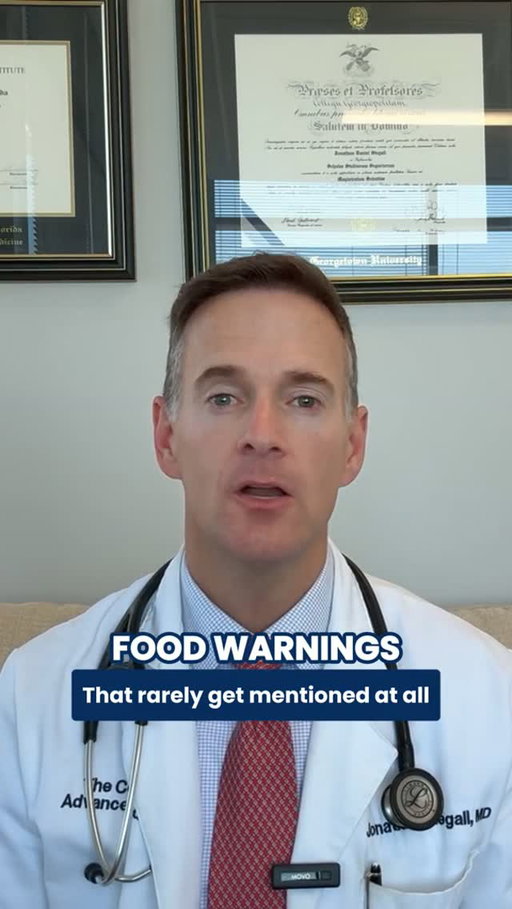
Trending health topics, rated by an integrative oncologist.

A lot of health advice online falls into one of two extremes: “This is a miracle” or “This does absolutely nothing.”

The reality is usually somewhere in the middle.

📍 Seed oils: One of the most controversial topics online. The bigger concern isn’t a single ingredient—it’s the overall quality of the diet and the amount of ultra-processed food being consumed.

📍 Intermittent fasting: Promising research continues to emerge, particularly around metabolic health and inflammation. However, it’s not appropriate for every person or every situation.

📍 Vitamin D3 + K2: Vitamin D deficiency is incredibly common. Maintaining optimal levels may be important for immune function and overall health, but supplementation should ideally be guided by testing.

📍 Stress and cancer: Stress alone is not the sole cause of cancer. However, chronic stress can influence sleep, immune function, inflammation, and hormone balance, all of which affect health outcomes.

The takeaway?

Most health decisions shouldn’t be based on trends, headlines, or fear.

They should be based on evidence, context, and a long-term strategy that supports the whole body.

Which topic deserves a deeper dive next?
136
2
0
2w ago
drstegallreels
Trending health topics, rated by an integrative oncologist. A lot of health advice online falls into one of two extremes: “This is a miracle” or “This does absolutely nothing.” The reality is usually somewhere in the middle. 📍 Seed oils: One of the most controversial topics online. The bigger concern isn’t a single ingredient—it’s the overall quality of the diet and the amount of ultra-processed food being consumed. 📍 Intermittent fasting: Promising research continues to emerge, particularly around metabolic health and inflammation. However, it’s not appropriate for every person or every situation. 📍 Vitamin D3 + K2: Vitamin D deficiency is incredibly common. Maintaining optimal levels may be important for immune function and overall health, but supplementation should ideally be guided by testing. 📍 Stress and cancer: Stress alone is not the sole cause of cancer. However, chronic stress can influence sleep, immune function, inflammation, and hormone balance, all of which affect health outcomes. The takeaway? Most health decisions shouldn’t be based on trends, headlines, or fear. They should be based on evidence, context, and a long-term strategy that supports the whole body. Which topic deserves a deeper dive next?
Your blood test may be telling you more than you realize.

Most people know their cholesterol, blood sugar, or blood pressure numbers. Far fewer know their lymphocyte count.

In this video, Dr. Stegall explains why this often-overlooked marker can provide important insight into immune system function and why he pays close attention to it in clinical practice.

Understanding your lab work isn’t about becoming your own doctor. It’s about asking better questions and being more informed about your health.

Sometimes the most valuable information is already sitting on a test you’ve had for years.

Have you ever looked at your lymphocyte count?
136
2
0
3w ago
drstegallreels
Your blood test may be telling you more than you realize. Most people know their cholesterol, blood sugar, or blood pressure numbers. Far fewer know their lymphocyte count. In this video, Dr. Stegall explains why this often-overlooked marker can provide important insight into immune system function and why he pays close attention to it in clinical practice. Understanding your lab work isn’t about becoming your own doctor. It’s about asking better questions and being more informed about your health. Sometimes the most valuable information is already sitting on a test you’ve had for years. Have you ever looked at your lymphocyte count?
“Diet is rarely the only factor behind cancer, but certain patterns show up again and again.

In this video, Dr. Stegall reviews foods that are consistently associated with inflammation, metabolic dysfunction, poor gut health, and increased cancer risk when consumed regularly over time.

The takeaway isn’t that these foods can never be eaten.

It’s that daily habits matter more than occasional choices.

Understanding which foods may contribute to long-term risk is one of the first steps toward making informed decisions about health and prevention.

Which food on this list do you think people underestimate the most?
133
2
0
1w ago
drstegallreels
“Diet is rarely the only factor behind cancer, but certain patterns show up again and again. In this video, Dr. Stegall reviews foods that are consistently associated with inflammation, metabolic dysfunction, poor gut health, and increased cancer risk when consumed regularly over time. The takeaway isn’t that these foods can never be eaten. It’s that daily habits matter more than occasional choices. Understanding which foods may contribute to long-term risk is one of the first steps toward making informed decisions about health and prevention. Which food on this list do you think people underestimate the most?
These symptoms don’t always mean cancer, but they always mean see a doctor.

It’s easy to dismiss changes in your body when life gets busy. The problem is that some symptoms are worth investigating, especially when they’re persistent, unexplained, or worsening over time.

In this video, Dr. Stegall ranks common warning signs by urgency and explains why early evaluation matters.

The key takeaway is simple: these symptoms are not a diagnosis. Many have causes unrelated to cancer.

But they are signals that deserve attention.

When it comes to serious illness, early detection can change everything. The sooner you get answers, the more options you may have.

Don’t ignore what your body is trying to tell you.
132
2
0
2w ago
drstegallreels
These symptoms don’t always mean cancer, but they always mean see a doctor. It’s easy to dismiss changes in your body when life gets busy. The problem is that some symptoms are worth investigating, especially when they’re persistent, unexplained, or worsening over time. In this video, Dr. Stegall ranks common warning signs by urgency and explains why early evaluation matters. The key takeaway is simple: these symptoms are not a diagnosis. Many have causes unrelated to cancer. But they are signals that deserve attention. When it comes to serious illness, early detection can change everything. The sooner you get answers, the more options you may have. Don’t ignore what your body is trying to tell you.
Quick verdicts on the cancer questions that come up every week.

In this video, Dr. Stegall shares his take on some of the most common topics patients ask about, from broccoli sprouts and intermittent fasting to vitamin D, coffee, stress, exercise, and supplements.

The biggest takeaway is that health is rarely black and white. Some strategies have strong evidence behind them, some show promise in specific situations, and others depend entirely on the individual patient and their treatment plan.

That’s why context matters.

Rather than focusing on one miracle food, supplement, or habit, the goal should be building a lifestyle that supports immune function, reduces inflammation, and improves overall health over time.

The best outcomes usually come from getting the fundamentals right consistently.

Which topic would you like Dr. Stegall to cover in more detail next?
131
5
0
2w ago
drstegallreels
Quick verdicts on the cancer questions that come up every week. In this video, Dr. Stegall shares his take on some of the most common topics patients ask about, from broccoli sprouts and intermittent fasting to vitamin D, coffee, stress, exercise, and supplements. The biggest takeaway is that health is rarely black and white. Some strategies have strong evidence behind them, some show promise in specific situations, and others depend entirely on the individual patient and their treatment plan. That’s why context matters. Rather than focusing on one miracle food, supplement, or habit, the goal should be building a lifestyle that supports immune function, reduces inflammation, and improves overall health over time. The best outcomes usually come from getting the fundamentals right consistently. Which topic would you like Dr. Stegall to cover in more detail next?
Baking soda and cancer: what does the research actually say?

This topic gets a lot of attention online, but the science is more nuanced than most headlines make it seem.

In this video, Dr. Stegall breaks down what researchers know about the tumor microenvironment, why acidity has become a topic of interest, and where the evidence currently stands.

The important takeaway isn’t whether one ingredient is a cure. It’s understanding that the environment surrounding cancer cells matters, and that complex health decisions should be guided by evidence, not viral clips.

Good science asks questions. Good medicine looks at the whole picture.

What’s your take on this topic?
131
0
1
2w ago
drstegallreels
Baking soda and cancer: what does the research actually say? This topic gets a lot of attention online, but the science is more nuanced than most headlines make it seem. In this video, Dr. Stegall breaks down what researchers know about the tumor microenvironment, why acidity has become a topic of interest, and where the evidence currently stands. The important takeaway isn’t whether one ingredient is a cure. It’s understanding that the environment surrounding cancer cells matters, and that complex health decisions should be guided by evidence, not viral clips. Good science asks questions. Good medicine looks at the whole picture. What’s your take on this topic?
You keep seeing posts about boosting immunity to beat cancer.

The reality is more complicated.

Your immune system isn’t an on/off switch or a dial you can simply crank higher. It’s a highly coordinated network that functions best when it’s properly supported.

In this video, Dr. Stegall explains why nutrition, sleep, movement, blood sugar balance, and inflammation management are often more important than the latest trending supplement.

The goal isn’t to “boost” immunity.

The goal is to help it work properly.

What’s the most surprising thing you’ve learned about immune health?
130
0
0
6d ago
drstegallreels
You keep seeing posts about boosting immunity to beat cancer. The reality is more complicated. Your immune system isn’t an on/off switch or a dial you can simply crank higher. It’s a highly coordinated network that functions best when it’s properly supported. In this video, Dr. Stegall explains why nutrition, sleep, movement, blood sugar balance, and inflammation management are often more important than the latest trending supplement. The goal isn’t to “boost” immunity. The goal is to help it work properly. What’s the most surprising thing you’ve learned about immune health?

Jonathan Stegall (@drstegallreels) Instagram Stats & Analytics

Jonathan Stegall (@drstegallreels) has 40.0 Instagram followers with a 1.26% engagement rate over the past 12 months. Across 76.0 posts, Jonathan Stegall received 105 total likes and 8.64K impressions, averaging 1.38 likes per post. This page tracks Jonathan Stegall's performance metrics, top content, and engagement trends — updated daily.

Jonathan Stegall (@drstegallreels) Instagram Analytics FAQ

How many Instagram followers does Jonathan Stegall have?+
Jonathan Stegall (@drstegallreels) has 40.0 Instagram followers as of June 2026.
What is Jonathan Stegall's Instagram engagement rate?+
Jonathan Stegall's Instagram engagement rate is 1.26% over the last 12 months, based on 76.0 posts.
How many likes does Jonathan Stegall get on Instagram?+
Jonathan Stegall received 105 total likes across 76.0 posts in the last 12 months, averaging 1.38 likes per post.
How many Instagram impressions does Jonathan Stegall get?+
Jonathan Stegall's Instagram content generated 8.64K total impressions over the last 12 months.