NewGet @hiddenbrain's full report

instagram analytics
Similar Accounts:
instagram analytics
Similar Accounts:
followers
89.4K
impressions
2.15M
likes
99.3K
comments
1.42K
posts
129
engagement
4.93%
emv
$69.6K
Average per post
16.7K
Key Metrics
Impressions
monthly
Distributions
Content
476K
19.0K
92
2mo ago

hiddenbrain
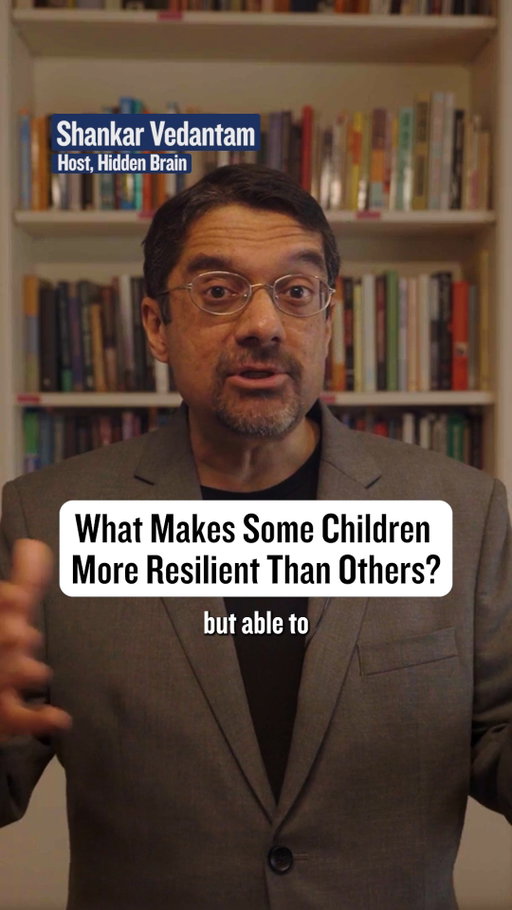
How well do you know the difficult chapters in your family’s story… and not just the happy ones?
Psychologists Robyn Fivush and Marshall Duke found that the most resilient children tended to know both: the good moments and the hard ones. It turns out those tougher stories may be just as important.
158K
7.19K
52
2mo ago
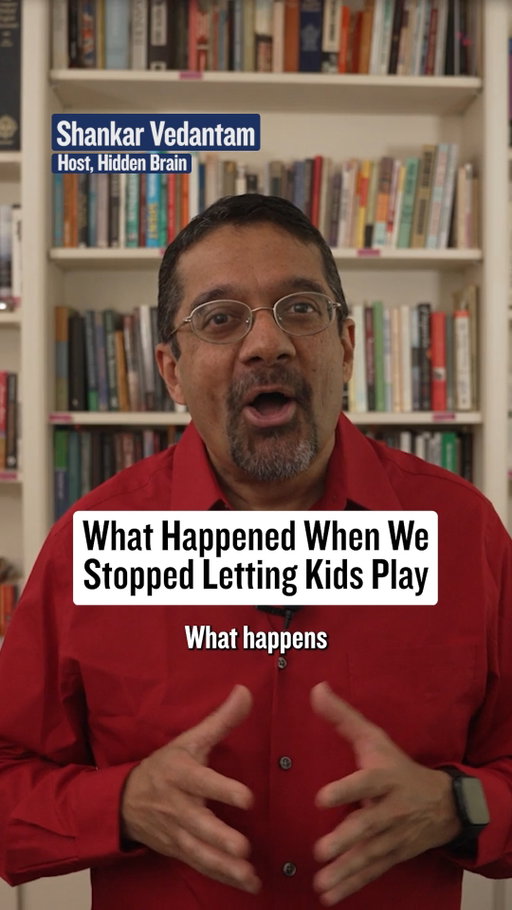
hiddenbrain
Two six-year-olds turned a pile of boards into a bridge over imaginary crocodiles, negotiating rules and taking turns. Then an adult stepped in to show them the ‘right way’ to use the boards, with hammers and nails. Within minutes, psychologist Peter Gray says they went from absorbed to bored.
152K
7.73K
119
1mo ago
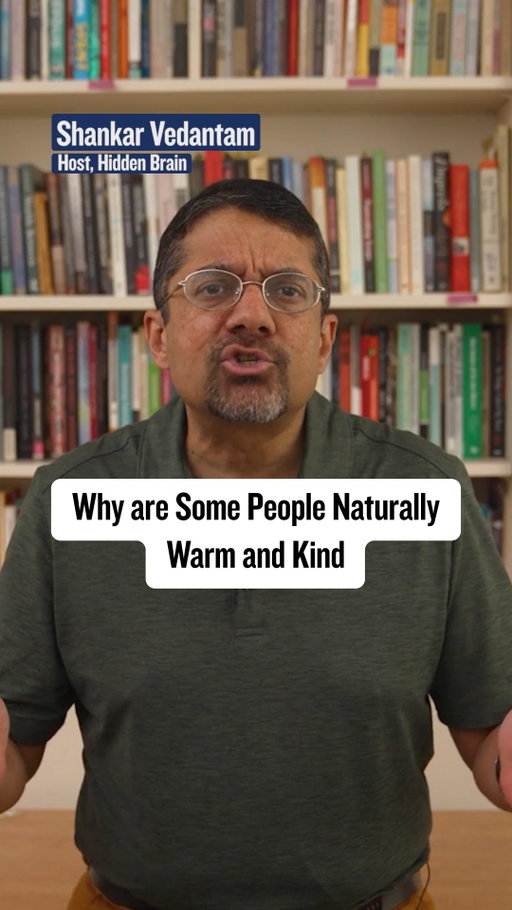
hiddenbrain
Want to train your empathy? Comment BRAIN and I'll DM you the full Hidden Brain episode.
We treat empathy like a fixed trait: you either have it or you don't. But it behaves more like a muscle. Listen a little longer. Ask one more question. Picture the other side. Like any muscle, it grows when you use it.
120K
6.96K
41
3mo ago
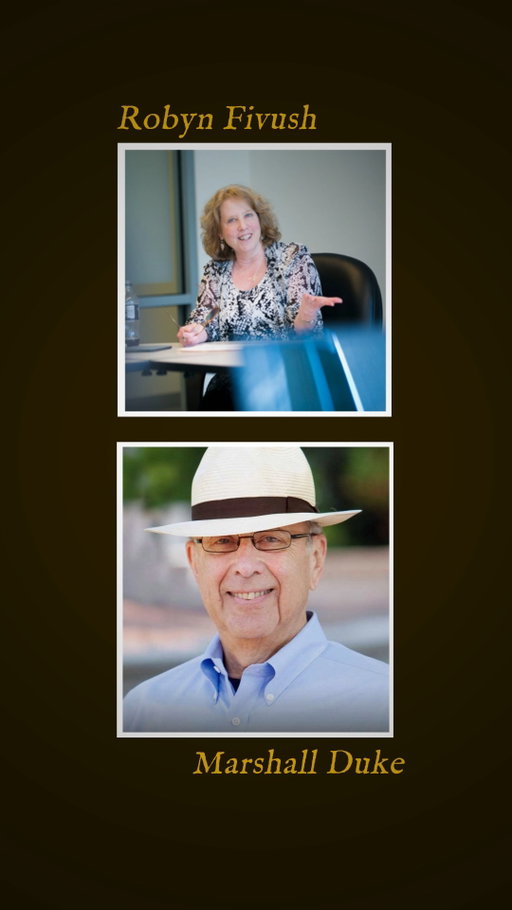
hiddenbrain
How much do you know about your family’s hard times, not just the happy ones? Psychologists Robyn Fivush and Marshall Duke found the most resilient kids could answer that question. The hard stories might matter as much as the good ones.
81.9K
3.27K
55
1mo ago

hiddenbrain
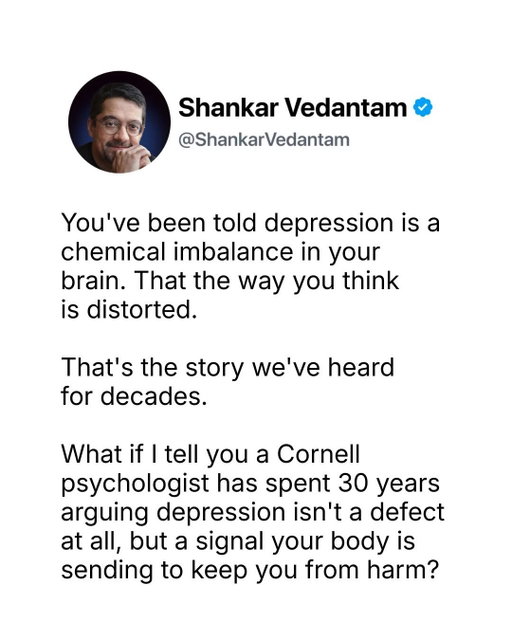
What if depression isn't a malfunction, but a signal your body is sending on purpose?
Most of us have been told it's a chemical imbalance, a sign our thinking has gone wrong. Jonathan Rottenberg, a psychologist at Cornell, has spent 30 years building the case for something different.
Rottenberg nearly lost his own life to depression: four years of pain, failed medications, a month in the hospital. Trying to understand what he couldn't escape, he came to see low mood as a signal, not a defect. Its question is simple: keep going, or stop? We already accept this logic for grief. It slows the body down and shrinks the world after a loss, and we call that natural, not broken.
Depression doesn't always mean something in you is broken. Sometimes your body is trying to redirect you, the way it redirected Rottenberg away from a career as a historian and into the work he was built for.
62.6K
2.50K
9
3w ago
hiddenbrain
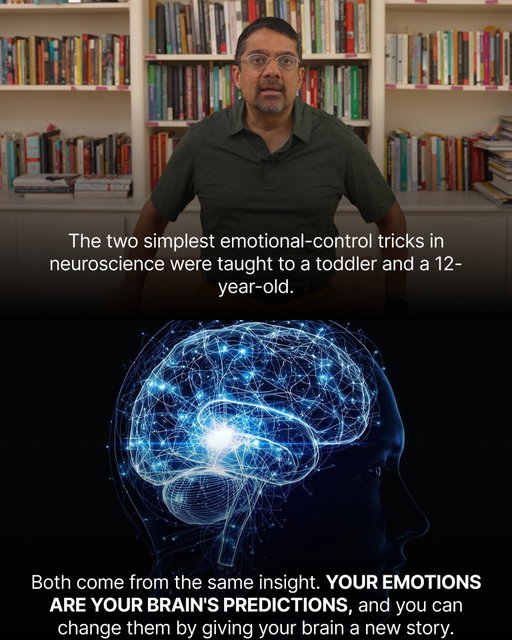
A neuroscientist calmed her toddler's tantrums with a fairy and helped her daughter win karate matches with a butterfly metaphor, and both tricks work for the exact same reason. I break down how your emotions are just predictions your brain makes, and how changing the story changes the feeling.
54.2K
2.90K
28
2mo ago
hiddenbrain
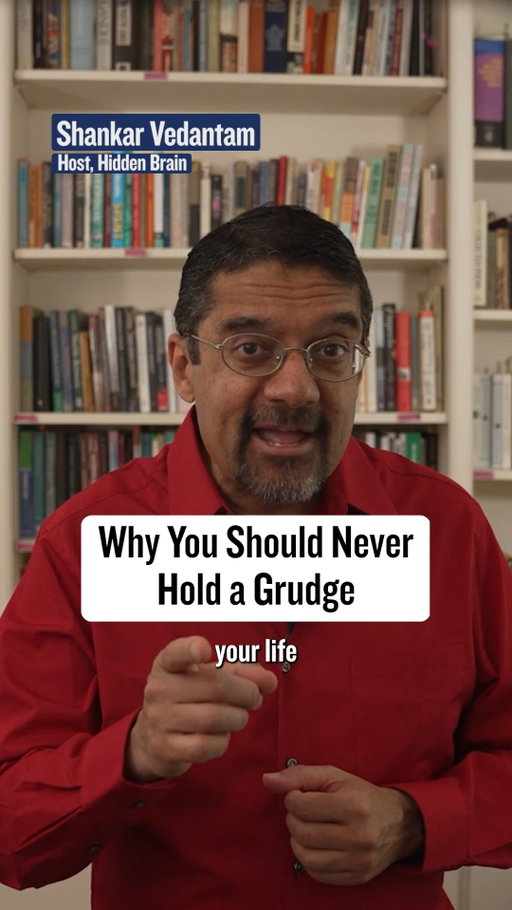
The hopeful part of Fred's research is that forgiveness is a trainable skill. When people practiced it in his studies, their stress and anger dropped, and the improvements held months later.
43.1K
1.72K
22
1mo ago
hiddenbrain
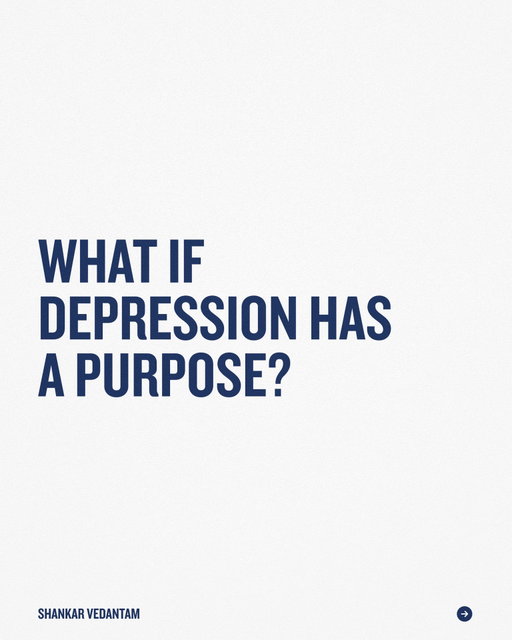
For centuries, doctors fought fever with everything they had. Then they realized it was the body fighting back. A psychologist at Cornell thinks we're making the same mistake with the mind. His research suggests depression isn't a defect. It's one of the oldest signals in human biology. And the story we've told about broken brains and chemical imbalances may be built on a flawed premise.
32.4K
1.30K
19
1mo ago
hiddenbrain
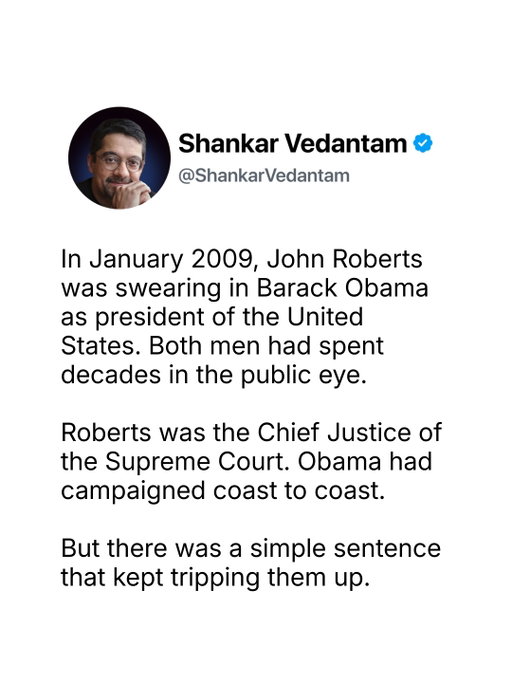
In 2009, two of the most prepared people in the country stood in front of the world and blew a sentence a third grader could read.
John Roberts had spent his career studying the Constitution. Barack Obama had just run a two-year campaign built on public speaking. And yet, during the presidential oath, both men stumbled.
Here's what was actually happening: their brains were choking, a well-documented phenomenon where high pressure disrupts working memory. It's not a failure of intelligence. It's a predictable cognitive response, one researchers like Sian Beilock have spent years studying.
The takeaway isn't really about presidents. It's about what happens to any of us when the stakes suddenly feel too high.
29.5K
1.18K
29
2w ago
hiddenbrain
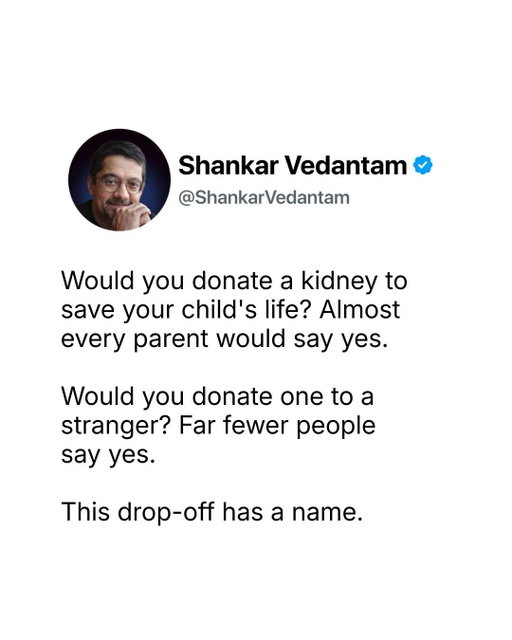
Almost every parent would give a kidney to save their child, but far fewer of us would give one to a stranger. I talk to a neuroscientist who studies the rare people who don't draw that line, and what the rest of us can learn from them about the limits of our own kindness.
29.3K
1.64K
10
2mo ago
hiddenbrain
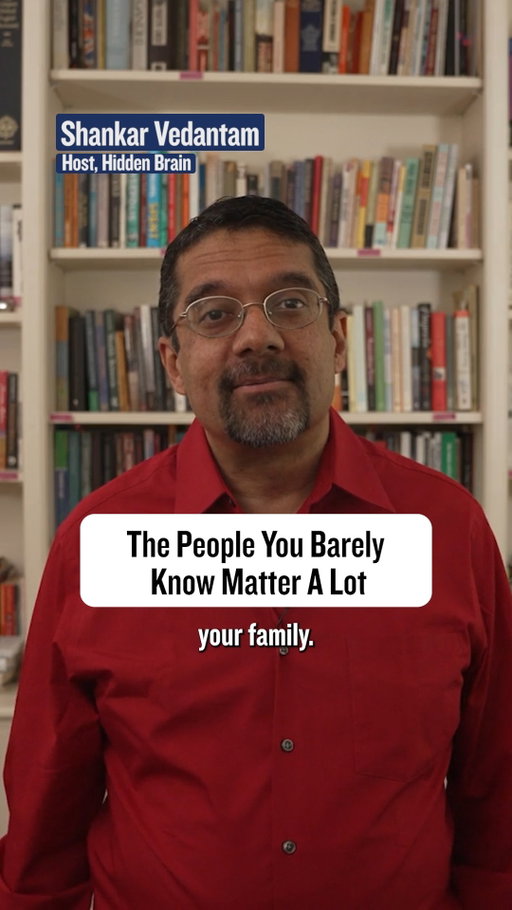
Ever land an opportunity through someone you barely know? Sociologist Mark Granovetter found people were more likely to get jobs through ‘weak ties’ than close friends, who already share your network. Even brief chats with near-strangers can lift mood and belonging almost as much as close friends do.
29.0K
1.55K
11
1mo ago
hiddenbrain
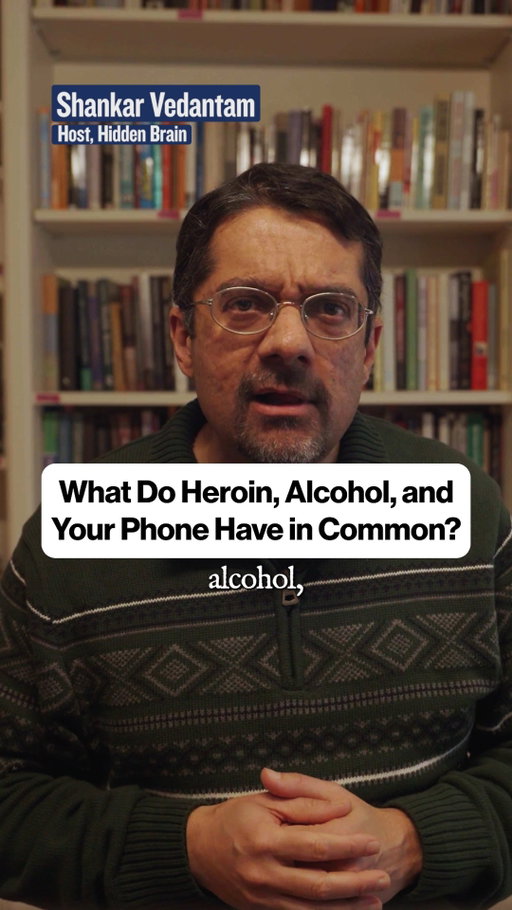
What do heroin, alcohol, and your phone have in common? Psychiatrist Anna Lembke calls your phone the modern hypodermic needle. Every scroll delivers a dopamine hit, and your brain pushes back each time you chase it.
25.7K
2.10K
117
1mo ago
hiddenbrain
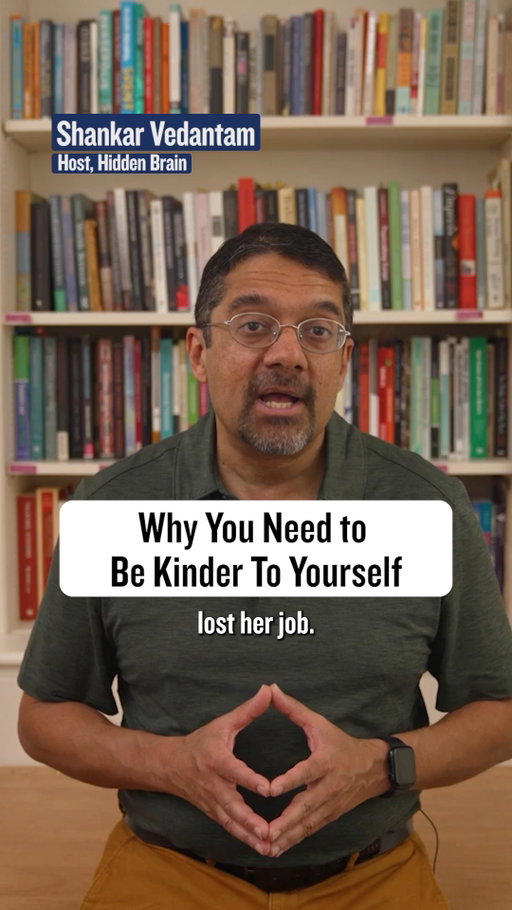
Want the science of self-compassion? Comment BRAIN and I'll send the full episode to your DMs.
When a friend fails, you're warm and kind. When you fail, you call yourself stupid. But self-criticism triggers a threat response that keeps you stuck. Self-compassion is what actually helps you change. Try talking to yourself like someone you love.
24.2K
969
54
1mo ago
hiddenbrain
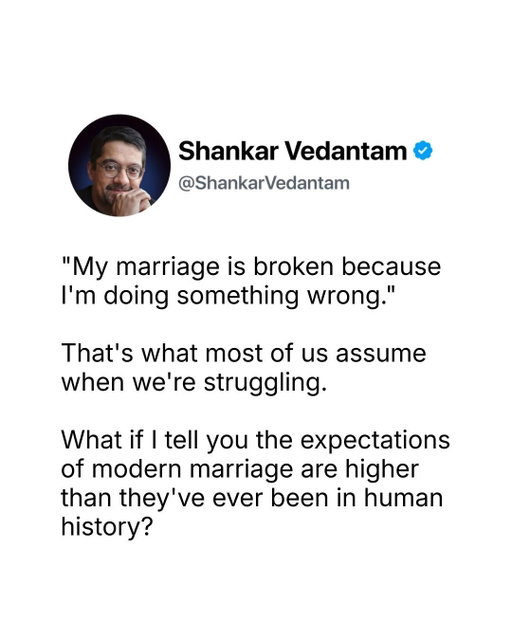
Elizabeth Gilbert walked out on a good husband, a man who treated her well, and wrote a memoir about it that sold millions of copies.
She wasn't unhappy because anything was wrong. She felt stagnant, and she wasn't willing to spend the next 40 years feeling stuck. So she left.
Psychologist Eli Finkel at Northwestern has spent his career studying why stories like hers have become so common. His doctoral adviser called it the Michelangelo phenomenon: we now expect a partner to help sculpt us into our ideal selves, on top of everything marriage used to promise. It's not that more marriages are failing. It's that marriage is being asked to do more than it ever has.
The happiest marriages today are probably happier than they've ever been. But the higher the bar, the worse it feels to fall short, and a marriage that would have felt perfectly fine 50 years ago can feel like it's failing now.
24.0K
961
5
6d ago
hiddenbrain
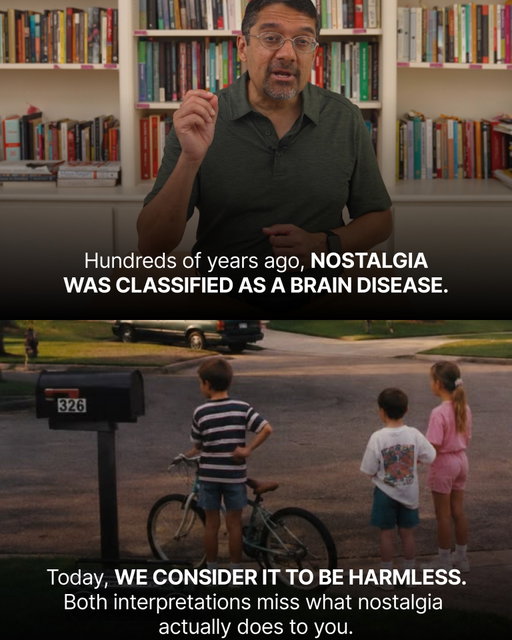
Hundreds of years ago, doctors thought of nostalgia as a disease. Modern research suggests that nostalgia is an emotional state that can serve a useful purpose. It shows up when you're at your lowest, and it can make you more hopeful about the future.
23.7K
1.57K
21
1mo ago
hiddenbrain
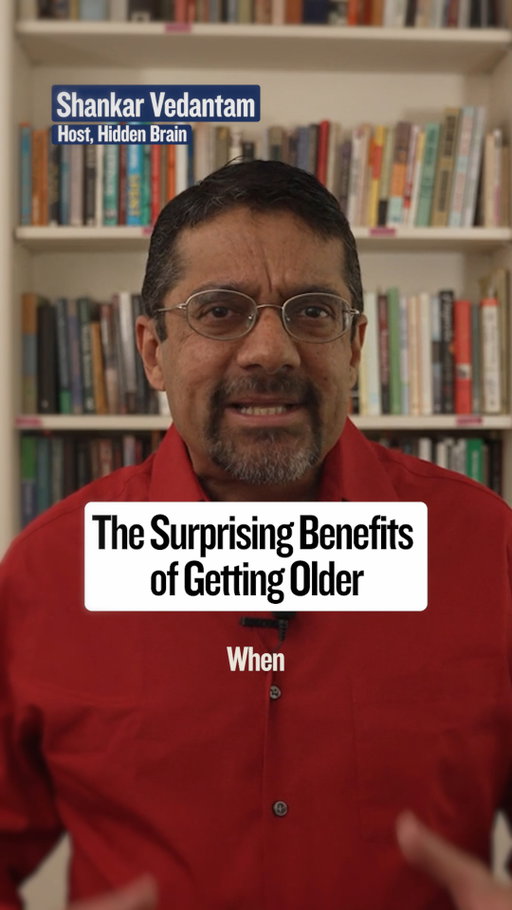
We spend so much energy dreading the years ahead, but older adults consistently report more contentment, not less. A sense of limited time pushes them toward what matters most. You don't have to wait for age to do that math: ask now what you'd keep if your time were shorter.
22.0K
1.12K
99
1mo ago
hiddenbrain
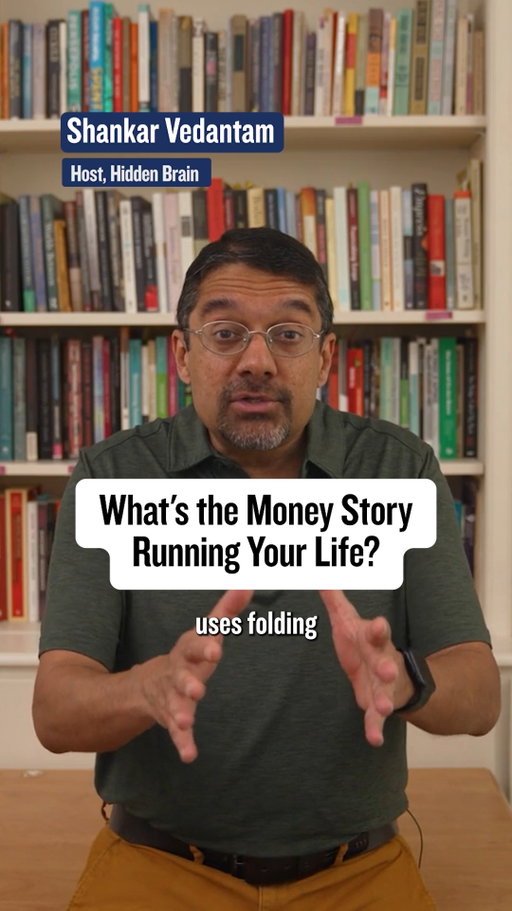
Want to spot your own money script? Comment BRAIN and I'll send you the full episode.
A millionaire uses folding chairs for furniture. A man with two PhDs can't stop racking up debt. Both are following "money scripts," beliefs formed in childhood that quietly steer your spending. Once you name yours, you can start to rewrite it.
21.8K
1.40K
8
3w ago
hiddenbrain
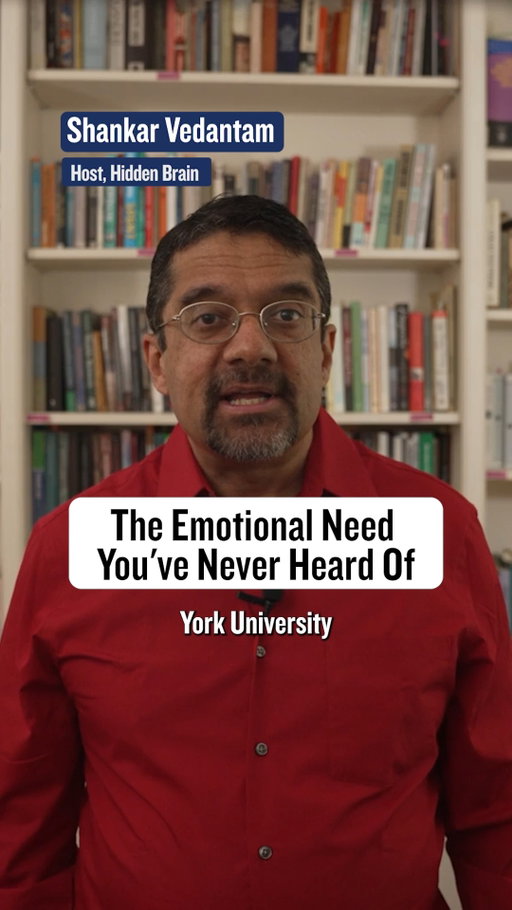
When psychologist Gordon Flett was hospitalized with liver failure, a nurse sat with him for hours in the dark. She didn't just check on him. She talked to him, like he was a person and not just a patient in a bed.
That experience shaped Flett's research for years afterward. Now a psychologist at York University, he's spent his career studying what he calls mattering: the felt sense that you're noticed and significant to the people around you.
When that feeling is missing, Flett's research links it to depression and loneliness, and in extreme cases, to violence. Some researchers who study school shooters have found loneliness and alienation running through many of their histories, along with a grim pattern: when every ordinary path to feeling significant seemed closed off, a few chose infamy instead.
But the need to matter is universal, and meeting it doesn't have to be complicated. Sometimes the simplest thing you can do for another person is let them know you see them.
20.7K
819
23
1w ago
hiddenbrain
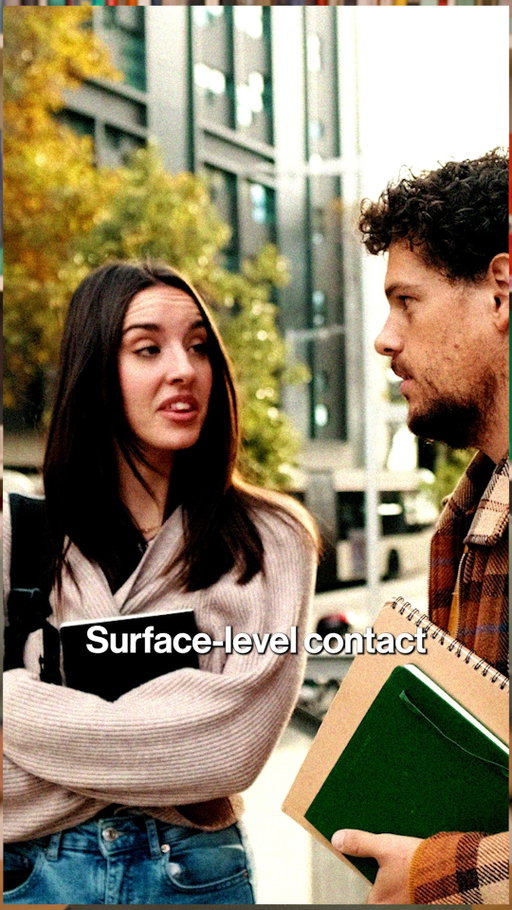
Curious how relationships reshape your mind? Comment BRAIN and I'll send the full episode to your DMs.
Scientists looked for what predicts creativity. The strongest signal? A serious romantic relationship with someone from a different culture. Not casual contact. The worldview you wrestle with for years is what rewires how you think.
20.3K
812
8
19h ago
hiddenbrain
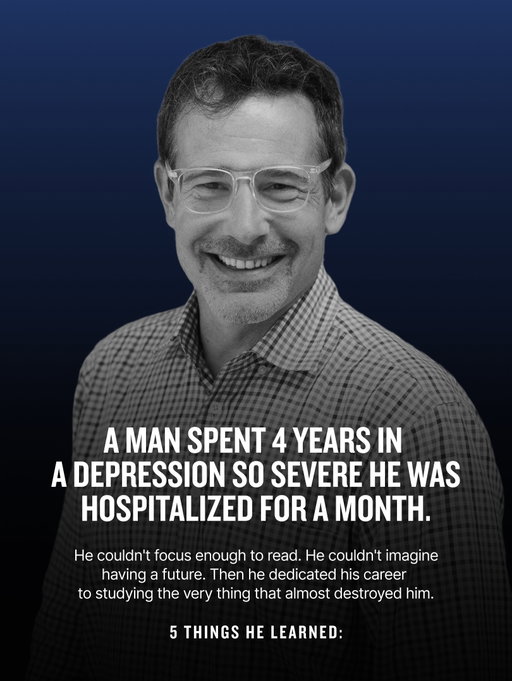
A man spent four years in a depression so severe it landed him in the hospital. He couldn’t focus enough to read. He couldn’t imagine a future. He spent the next several decades studying the condition that nearly ended his life. Here’s what he found on the other side.
Hidden Brain (@hiddenbrain) Instagram Stats & Analytics
Hidden Brain (@hiddenbrain) has 89.4K Instagram followers with a 4.93% engagement rate over the past 12 months. Across 129 posts, Hidden Brain received 99.3K total likes and 2.15M impressions, averaging 770 likes per post. This page tracks Hidden Brain's performance metrics, top content, and engagement trends — updated daily. To benchmark @hiddenbrain against other accounts, use Socialpruf's Instagram competitor analysis tool.
Hidden Brain (@hiddenbrain) Instagram Analytics FAQ
How many Instagram followers does Hidden Brain have?+
Hidden Brain (@hiddenbrain) has 89.4K Instagram followers as of October 2026.
What is Hidden Brain's Instagram engagement rate?+
Hidden Brain's Instagram engagement rate is 4.93% over the last 12 months, based on 129 posts.
How many likes does Hidden Brain get on Instagram?+
Hidden Brain received 99.3K total likes across 129 posts in the last 12 months, averaging 770 likes per post.
How many Instagram impressions does Hidden Brain get?+
Hidden Brain's Instagram content generated 2.15M total impressions over the last 12 months.
Can I compare Hidden Brain with other Instagram accounts?+
Yes. Add @hiddenbrain to a competitor set with Socialpruf's Instagram competitor analysis tool and benchmark it side by side with any other public accounts on views, engagement rate and follower growth, with history back to each account's first post.