NewGet @theventure's full report

instagram analytics
Similar Accounts:
instagram analytics
Similar Accounts:
followers
181K
impressions
27.6M
likes
861K
comments
8.53K
posts
376
engagement
3.14%
emv
$778K
Average per post
73.4K
Key Metrics
Impressions
monthly
Distributions
Content
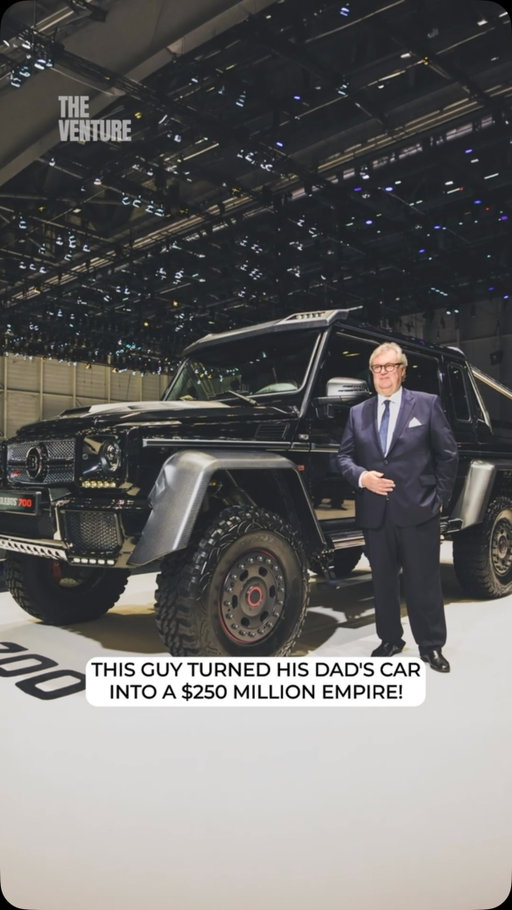
1.58M
70.0K
164
1mo ago

theventure
This guy turned his dad’s car into a $250 million empire!
In 1977, Bodo Buschmann is 22 and working at his father’s Mercedes dealership in Germany.
Bodo loves Porsches, but his father hates them, so he has to drive a Benz to keep his job.
So he starts taking it apart, swapping the engine and reworking the suspension until his S-Class is faster than any Porsche on the lot.
A customer spots it and wants one built exactly the same.
So Bodo registers the company, names it BRABUS, and starts taking orders.
By 1984 rental giant Sixt orders 200 BRABUS-tuned cars in a single deal, and he builds a factory straight off the autobahn.
Then in 1999 Mercedes buys AMG, and every independent tuner in Germany loses their edge.
✓ Sees what everyone misses while AMG sticks to a few specs picked by management
✓ Becomes the only shop on earth where customers build a truly custom Mercedes with zero limits
✓ Hits 330 km/h that same year with their E V12
✓ Enters the Guinness Book of Records as the fastest production sedan on the planet
Forced to drive a Benz → tears it apart to beat Porsches → a customer wants one → 200-car Sixt order → AMG kills off the tuners → he goes fully custom instead → 100 countries and $250 million a year.
Sometimes you win by offering the one thing the giant refuses to: no limits.
#Business #BRABUS #Automotive #Success #Entrepreneur
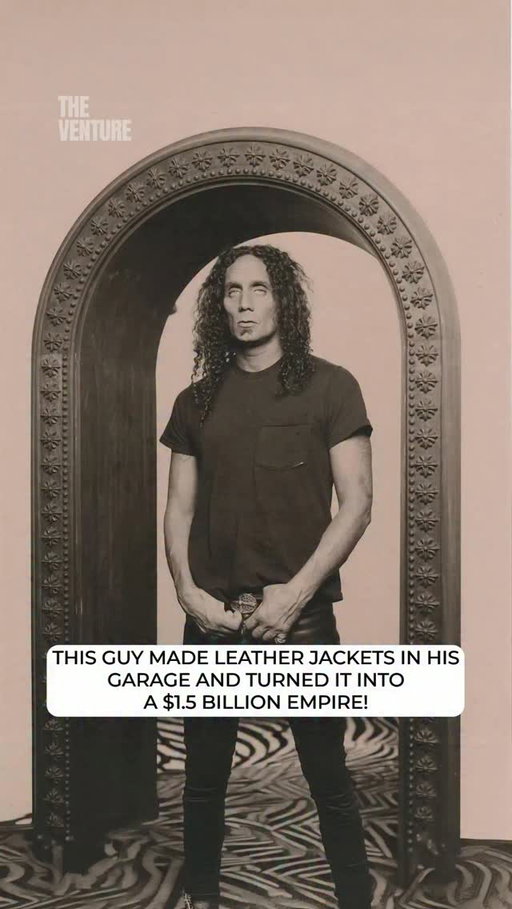
1.50M
72.1K
511
2mo ago
theventure
This guy made leather jackets in his garage and turned it into a $1.5 billion empire!
In 1988, Richard Stark is a leather dealer who makes his own biker jackets in his Hollywood garage by night.
Then a producer friend calls, needing costumes for a movie, and Richard takes the job.
One of the actresses is dating Sex Pistols guitarist Steve Jones.
Jones tries on the jacket, loves it, and starts wearing it on stage. Then Mötley Crüe. Then Guns N’ Roses.
Suddenly Richard is riding his Harley around LA, dropping gear off at recording studios and rock shows.
He walks into Cher’s studio to sell her a $5,000 guitar strap, and she turns him down, but calls him back when she needs a leather jacket for her next music video.
✓ Hires his wife, Laurie Lynn, in 1994 to take over everything he hates, from the stores to the marketing to the sunglasses line
✓ Makes one rule: Chrome Hearts only sells in their own stores
✓ Keeps it out of every other retailer entirely
✓ Grows it into 36 boutiques across the world
Biker jackets in a garage → a movie costume gig → rockstars wear it on stage → Cher becomes a customer → wife takes over the business → sells nowhere but their own stores → a $1.5 billion empire.
Sometimes the power is in refusing to sell your product anywhere but your own doors.
#Business #ChromeHearts #Fashion #Success #Entrepreneur
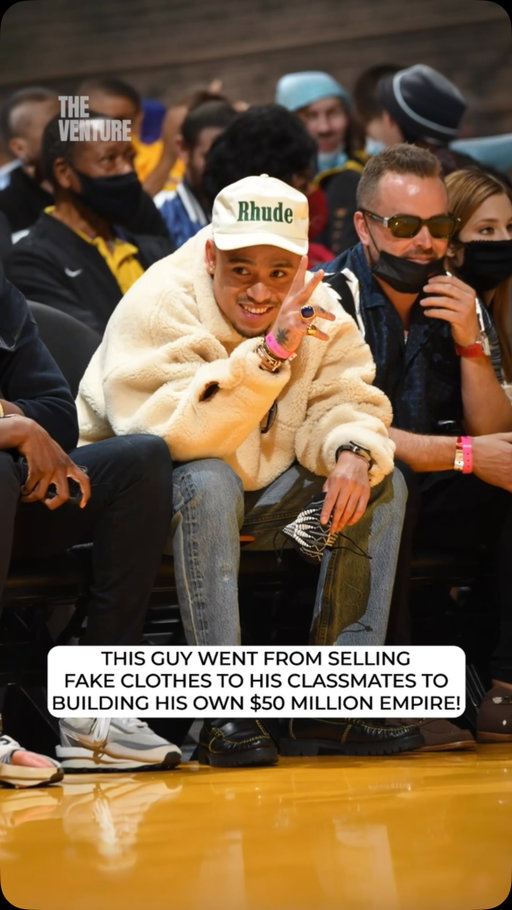
1.29M
39.9K
318
2mo ago
theventure
This guy went from selling fake clothes to his classmates to building his own $50 million empire!
In 2001, Rhuigi Villaseñor’s family moves from Manila to the San Fernando Valley.
He’s nine and speaks no English, so he learns the language watching Kobe Bryant interviews on repeat.
He can’t afford the clothes he wants, so he steals them and resells them at school.
Growing up in the Valley, surrounded by LA’s bandana culture, he realizes nobody has built a brand around it.
So he designs a T-shirt with a blown-out bandana print and puts it online. He doesn’t get a single sale for three months.
Then Kendrick Lamar wears it at the BET Awards. Rhuigi opens his PayPal in a beat-up Ford Runner with his sister, sees $150,000, and starts crying.
But he blows it all on cars and jewelry, the second collection flops, and he’s back to zero, sleeping on a mattress and almost moving back in with his parents.
✓ Flies to Paris instead and walks into a Barneys buying meeting with the clothes on his back, landing an order
✓ Gets Jay-Z wearing it offstage
✓ Has LeBron James show up in a Rhude T-shirt courtside
✓ Collaborates with McLaren and Lamborghini in 2021
Reselling stolen clothes at school → spots bandana culture nobody’s branded → three months of no sales → Kendrick wears it → $150K overnight → blows it all → nearly quits → flies to Paris on his last shot → $50 million a year.
Sometimes rock bottom is exactly where you find the nerve to bet on yourself one more time.
#Business #Rhude #Fashion #Success #Entrepreneur
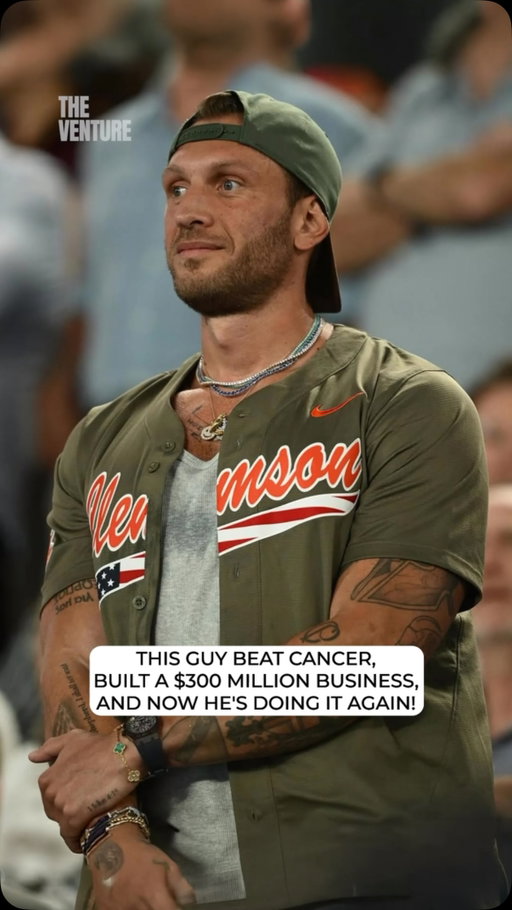
1.13M
22.2K
176
1mo ago
theventure
Check them out: @thegride
This guy beat cancer, built a $300 million business, and now he’s doing it again!
In 2016, Georgios Frangulis is living in Los Angeles, broke, no credit score, with a wild idea: sell açaí bowls to Americans.
But nobody will rent a shop to a guy with no money selling a fruit they’ve never heard of.
So Georgios flips the script, flies home to Brazil, and bets his last money on one tiny store in São Paulo.
Then life hits harder when doctors find a tumor in his neck.
He beats the cancer, and an unexpected insurance payout lands right when the business needs cash.
He pours every cent into açaí, and the bet works.
✓ Explodes Oakberry to more than 1,000 stores in over 50 countries
✓ Grows it to around $300 million a year
✓ Keeps hearing one question flood his DMs every time he posts: where did you get that?
✓ Realizes people don’t just want his açaí, they want his clothes
Broke in LA with a fruit nobody knows → bets his last money on one Brazil store → beats cancer mid-launch → an insurance payout saves it → 1,000 stores and $300 million → his own outfits become the next demand.
So he’s doing it again with The Gride, “Greek” plus “Pride,” made in Portugal and printed with the exact tattoos inked on his body. Just launched.
#Business #Oakberry #TheGride #Success #Entrepreneur
967K
31.0K
178
1mo ago
theventure
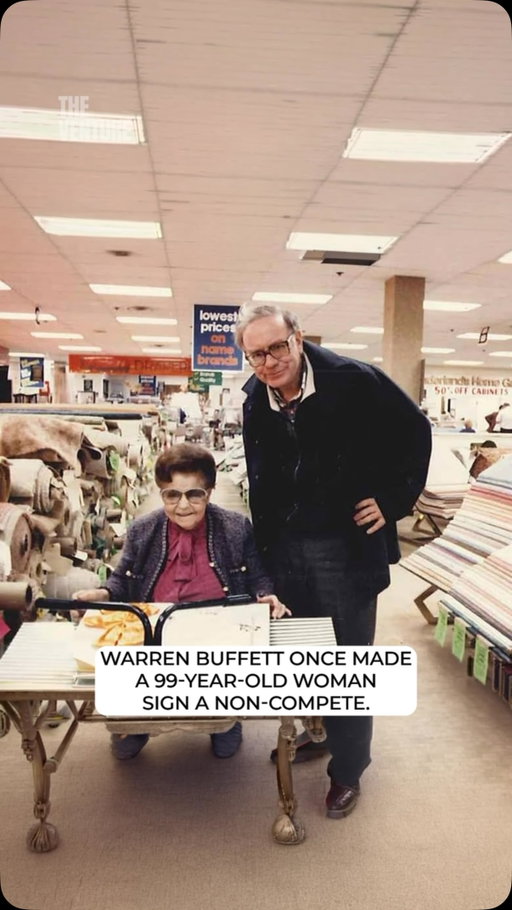
Buffett bought Nebraska Furniture Mart after asking one question. Do you owe any money? Her answer is the whole business.
Blumkin sold at $3.98 where the big Omaha stores charged $6.98, and they sued her four times for it. She won every case, and the price was never really the point. A shop carrying debt has to cover its interest out of margin, so it needs prices to stay high, which is why the big stores fought so hard to keep them there. Blumkin owed nobody anything, so she could trade at a margin that would have killed her competitors and keep doing it forever.
The second thing Buffett learned cost him more. At 95 she fell out with the grandsons running the shop and quit, opened a rival store across the street, and her customers walked over with her. He had bought the building and she had kept the business, so he bought her out a second time and made a 99 year old sign a non-compete.
She went back to work until she was 103. She had arrived from Russia with $500 and never learned to write, so she signed that $60 million contract with a scrawl. Nebraska Furniture Mart now sells more than a billion dollars a year.
Follow @theventure for the greatest founder stories ever told.
708K
46.8K
529
8mo ago
theventure
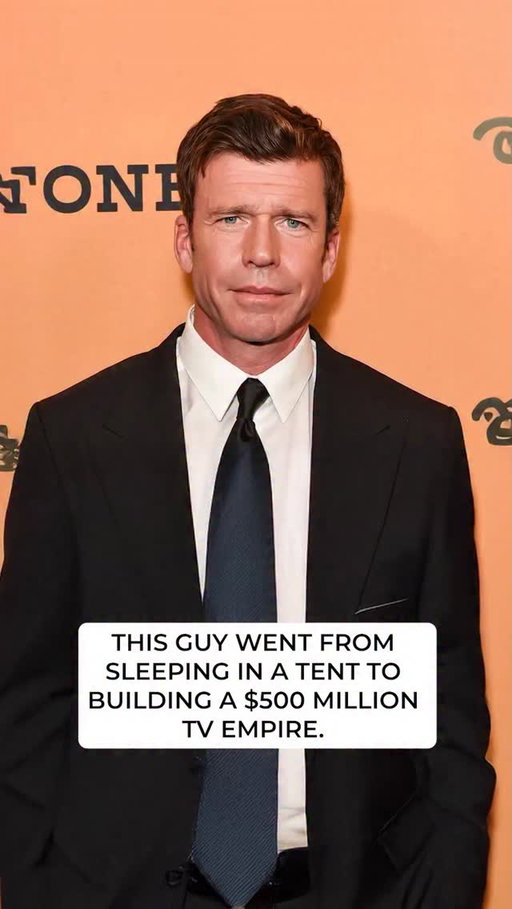
Meet the real-life cowboy behind Yellowstone - Taylor Sheridan. In 2015, after two decades as a struggling actor living in his car, he switched to screenwriting at age 40 and created a neo-Western TV empire.
After watching traditional Westerns disappear from screens, Sheridan convinced Paramount to take a chance on "Yellowstone," a series about a powerful rancher fighting to protect his land from developers, politicians, and a neighboring Native American reservation. When the show exploded to 15 million viewers, he leveraged his success by creating spinoffs like "1883" and "1923," bringing Hollywood legends like Harrison Ford into his world.
The breakthrough came when Sheridan purchased the historic 6666 Ranch for $320 million with investors. He now films his own shows on his own property, charging Paramount $50,000 weekly for location use, plus fees for his cattle and "cowboy camp" training.
Today, the Yellowstone franchise is worth $500 million, with spinoffs continuing to expand his empire.
What transformed a struggling actor into a half-billion dollar showrunner?
Authentic Storytelling: By drawing from his real ranching experience, Sheridan created a world that resonated with audiences overlooked by Hollywood.
Complete Creative Control: Unlike most showrunners, Sheridan writes every episode himself, maintaining a singular vision that connects with viewers.
Business Integration: Rather than separating his creative and business ventures, Sheridan built a vertically integrated empire where his shows promote his ranches and vice versa.
Sheridan's story demonstrates that sometimes the biggest opportunities come from personal experience. By turning his childhood ranch background into television's most successful franchise, he created an empire that transformed the modern Western genre.
#taylorSheridan #yellowstone #paramount #KevinCostner #1883
680K
27.9K
336
2w ago
theventure
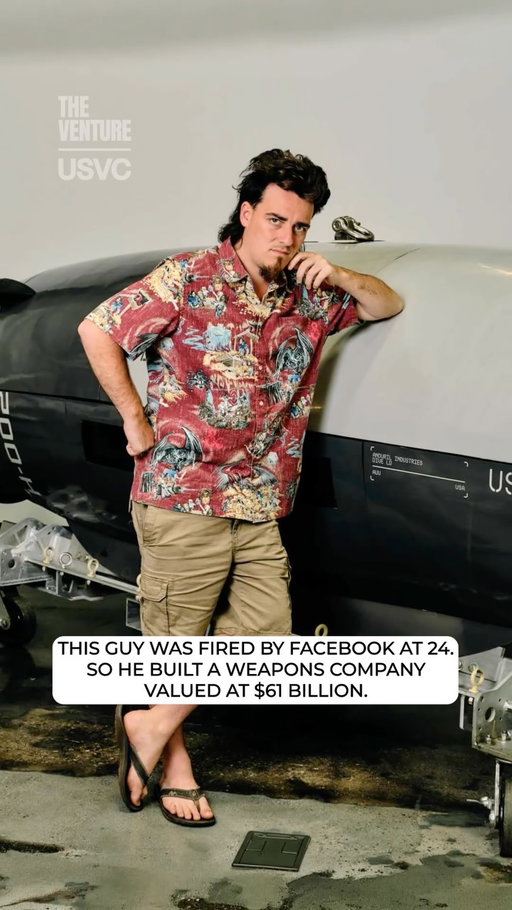
Anduril put nearly $1 billion of its own money into one factory.
The factory is called Arsenal-1, in Ohio, and Anduril announced it in January 2025 to build its weapons at scale, starting with a combat drone called Fury. Production started in March 2026, ahead of the July date Anduril had first set, and the first Ohio-built Fury came off the line that July.
That is how Anduril has worked from the start: spend its own money first, then sell something finished. Its border surveillance towers were tested with US Customs and Border Protection in 2019. In 2020 the agency made them an official program, and in June 2026 Anduril announced a $363 million order for more than 200 more.
Presented by @usvcfund which helps broaden access to venture capital for U.S. investors starting at $500.
Follow @theventure for the greatest founder stories ever told!
529K
13.3K
77
1mo ago
theventure
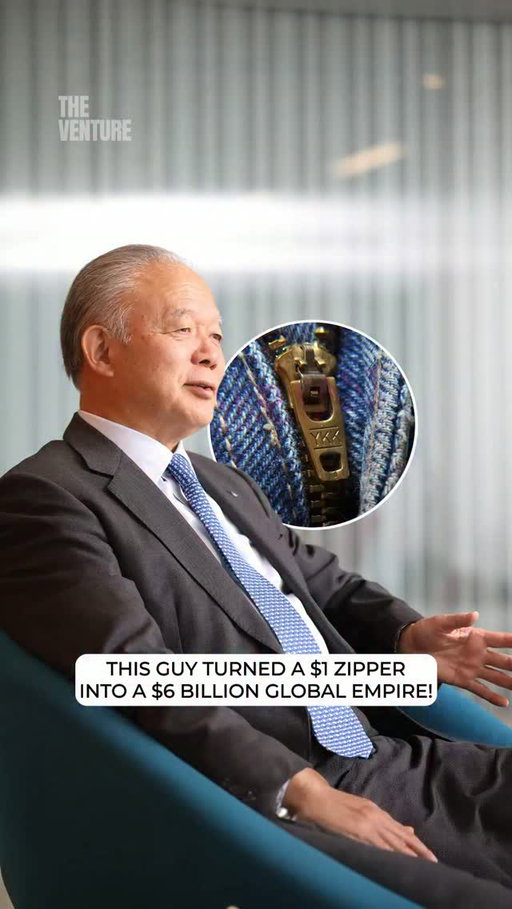
This guy turned a $1 zipper into a $6 billion global empire!
In 1934, Tadao Yoshida starts a zipper company in Tokyo with leftover inventory from a store that just went bankrupt.
His crew makes every zipper by hand, twelve women at a table pressing each metal tooth into fabric one at a time.
Then in 1950 an American buyer walks in and pulls out a US-made zipper: machine-produced, half the price, and far better quality.
Yoshida realizes his whole business is already obsolete.
So he goes to the Ministry of International Trade alone and gets permission to import an American chain machine, which earns YKK their first patent in 1953.
Then he starts building his own machines from scratch.
✓ Owns the best zipper machine on earth by 1964, guarding the design like a state secret
✓ Makes everything that goes into the product: the brass, the thread, the tape
✓ Builds the machines that produce all of it, while every competitor outsources parts
✓ Overtakes Talon, the American company that invented the modern zipper, by the 1970s
Hand-pressing zippers at a table → an American zipper makes him obsolete → imports one machine → builds his own instead → owns the entire chain end to end → 10 billion zippers a year and $6 billion.
Sometimes owning every piece of how it’s made is the edge no competitor can copy.
#Business #YKK #Manufacturing #Success #Entrepreneur
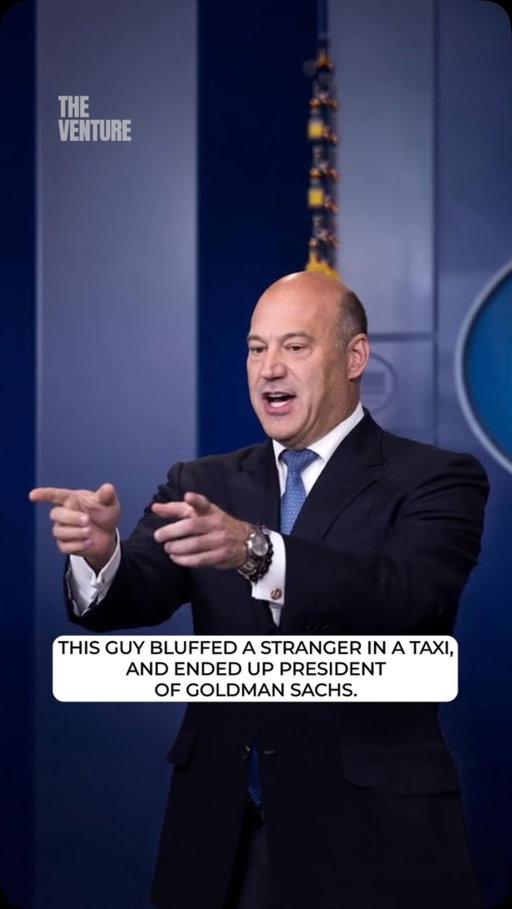
519K
17.3K
67
6d ago
theventure
We only post about the world’s greatest entrepreneurs!
Gary Cohn’s grandfather told his parents he’d be fine.
His parents had run out of patience. He had been through four schools, they thought he was lazy, and they wanted to send him to military school. His grandfather stopped it.
His grandfather had come from Poland alone at 13 with $8, and built an electrical contracting firm. Its warehouse held two to three thousand different parts. Gary worked there after school, at weekends and through the summers, filling the orders electricians phoned in each afternoon.
Sometimes he couldn’t read the order slip. He would ask someone what it said, then go and get it.
His grandfather told people Gary could fill an order faster and better than men who had worked there for twenty or thirty years. He knew where every part was, and what could stand in for one that was missing.
So when he bluffed his way into a job in 1982, he had already been the best at something once, and one person had been saying so for years.
Follow @theventure for the greatest founder stories ever told!
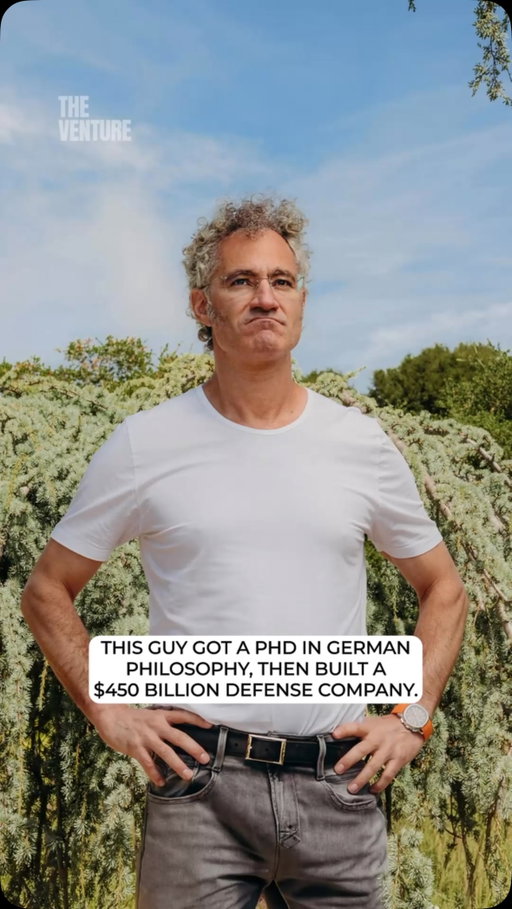
504K
20.5K
237
2w ago
theventure
OpenAI and Anthropic are copying one Palantir job.
Palantir calls them forward deployed engineers. Instead of selling software and walking away, it puts its engineers inside the customer, the way its team once sat beside CIA analysts, and keeps them there until the software does the job.
In the last few years the big AI labs have started hiring for the same role. OpenAI’s forward deployed engineers turn “research breakthroughs into production systems,” and Anthropic’s build custom AI systems for large companies. In July 2025, Semafor called it “the new hot job in AI.”
Follow @theventure for the greatest founder stories ever told!
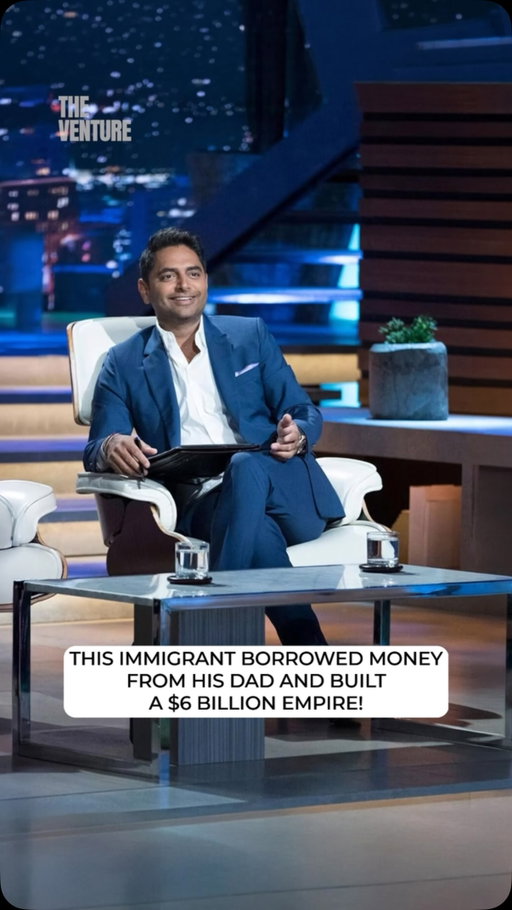
503K
9.30K
70
1mo ago
theventure
This immigrant borrowed money from his dad and built a $6 billion empire!
Rohan Oza grows up in an Indian family in Zambia and moves to England to study engineering.
He lands a job at an M&M’s factory but doesn’t want to be on the floor, so he asks for a transfer to marketing, gets shut down, and leaves.
He joins Coca-Cola in Atlanta, takes over Powerade, a brand shrinking for years, and flips it in his first year.
Then in 2002 he walks away from his corporate salary to join a tiny water startup in Queens called Glacéau, makers of Vitaminwater, so broke he borrows from his own father just to buy shares.
Then he gets 50 Cent on the phone and, instead of a check, tells him flat out he doesn’t have the money to pay him.
✓ Gets 50 Cent to take equity instead, and promote Vitaminwater everywhere
✓ Watches Coca-Cola buy the company in 2007 for $4.1 billion, with 50’s stake reportedly worth $100 million
✓ Bets $400,000 on a soda called Poppi on Shark Tank in 2025
✓ Sees Poppi close with PepsiCo for $1.95 billion
Turned down for marketing → flips Powerade in a year → borrows from his dad to buy into Vitaminwater → offers 50 Cent equity, not cash → a $4.1 billion sale → then Poppi for $1.95 billion → Hollywood calls him the Brandfather.
Sometimes offering a piece instead of a paycheck is what makes everyone rich.
#Business #Vitaminwater #Branding #Success #Entrepreneur
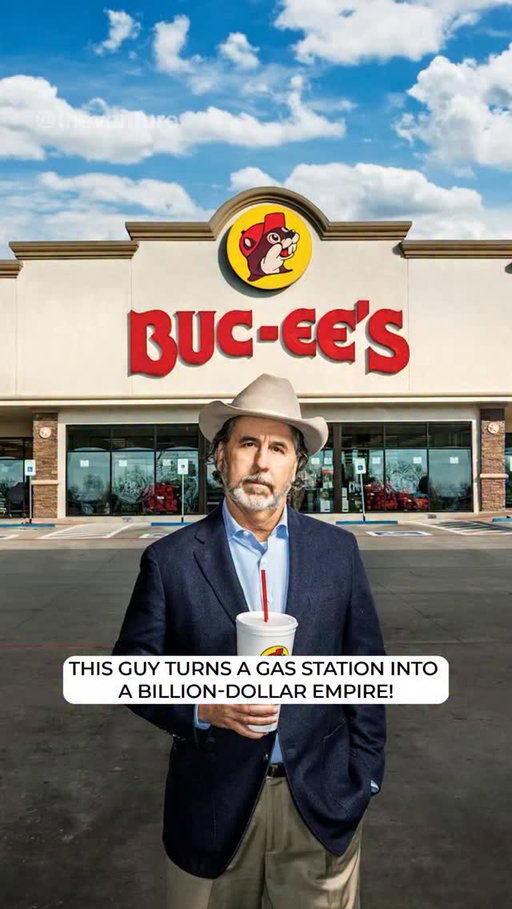
411K
15.1K
285
8mo ago
theventure
This guy turns a gas station into a $2B road-trip empire! ⛽🐻
Arch Aplin III grows up in Texas, the son of a construction worker. In 1980, he sees what everyone else ignores: every gas station is dirty and forgettable. So he takes out a loan and opens the first Buc-ee’s in Lake Jackson, naming it after his childhood nickname, Beaver.
✓ He does the opposite—spotless bathrooms, high pay, Texas BBQ, fudge, and fun merch ✓ Opens a mega-store in Luling: 66 pumps, 5,000 sq ft, $28M in year one ✓ Refuses to franchise—keeps full control, handpicks every location ✓ Builds Buc-ee’s into a cult road-trip destination, not just a gas stop
One store → 54 locations in 9 states → world’s largest convenience store → $2B+ family-owned empire.
Sometimes, the best way to win is to obsess over the details everyone else ignores.
What boring business would you turn into a cult by doing the opposite? 🤔
#Business #Retail #Texas #Success #Entrepreneur
410K
10.6K
137
3w ago
theventure
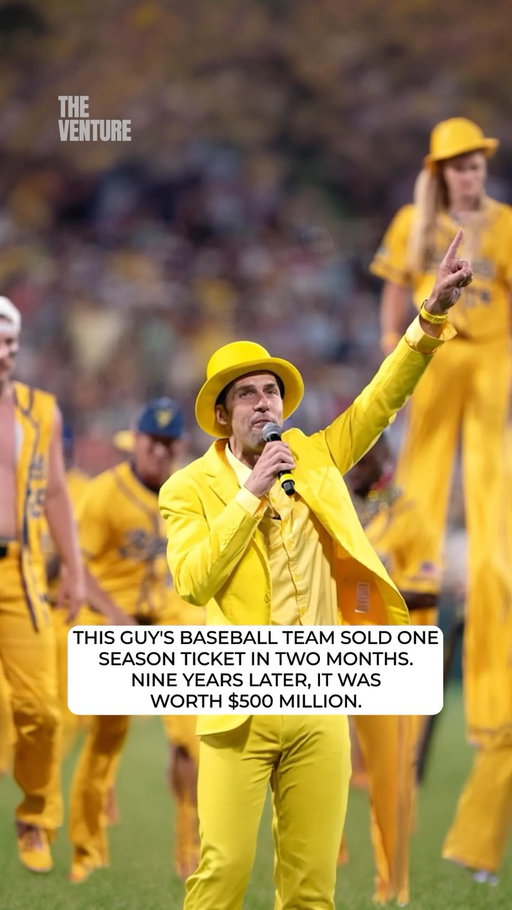
A Bananas ticket includes all the food you can eat.
Tickets run between about $35 and $60, and the price covers the food and drink inside the ballpark. Nothing gets added at the checkout either, no booking fee and no tax on top. Jesse Cole also took every advertisement off the walls, which he has said threw away hundreds of thousands of dollars a year.
Merchandise is what pays instead. In 2025 about 787,000 fans bought roughly 1.96 million items, which Forbes put at around $50 million, inside a business taking more than $100 million a year.
Cole owns all of that with his wife Emily, through their company Fans First Entertainment. There are no outside investors to answer to, which is why he can turn down the offers the video mentions.
Forbes valued the team at $500 million in September 2025. Nine years earlier the Coles sold their house, emptied their savings and slept on an air mattress to keep it going.
Follow @theventure for the greatest founder stories ever told!
410K
15.6K
117
1mo ago
theventure
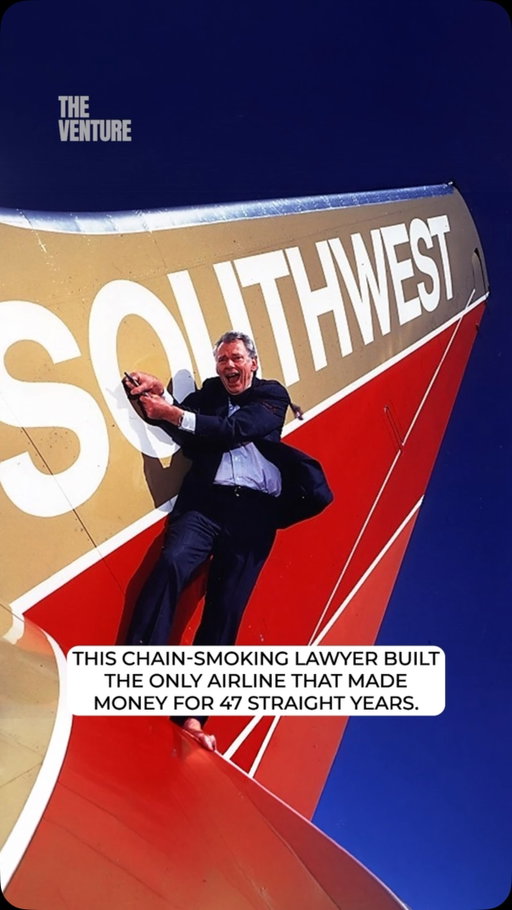
Southwest sold a quarter of its fleet to make payroll, and that is how it found the thing that made money for the next 47 years.
Being poor forced a question nobody else had to ask. Every other airline owned enough aircraft, so an hour parked between flights was normal and nobody examined it. Southwest had three planes and a four plane schedule, so they had to work out how fast a jet could be emptied, refilled and sent back up. The answer was ten minutes. A plane only earns money in the air, and Southwest was getting close to a third more flying out of every aircraft it owned.
Several big airlines tried to copy it and none of them managed. A ten minute turn only works if everything else bends around it: one type of aircraft, no assigned seats, no meals, no bags handed to other airlines, and no hub to feed. Copying Southwest meant dismantling the system they had built their entire business on.
Southwest made money for 47 straight years and never laid off an employee. Herb also once settled a trademark dispute by arm wrestling the other chairman with a cigarette in his teeth. He lost, and the man handed over the slogan anyway.
Follow @theventure for the greatest founder stories ever told.
396K
11.4K
57
3w ago
theventure
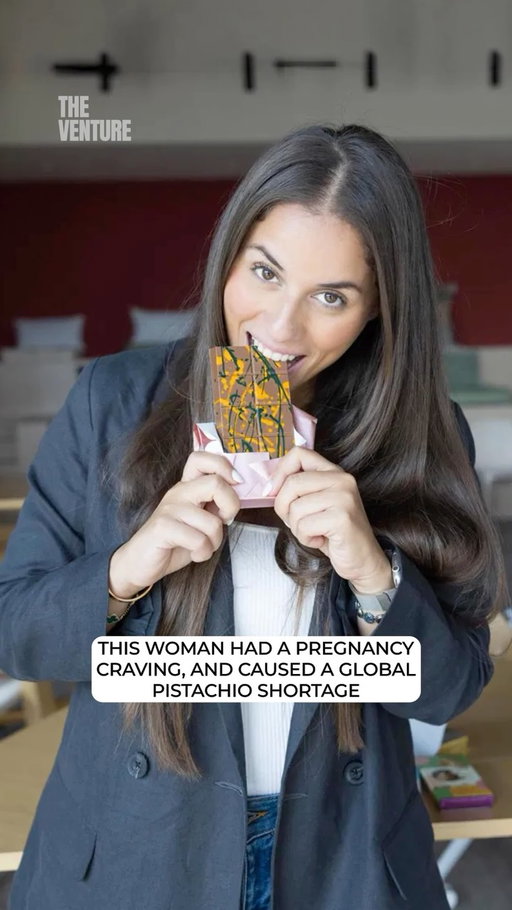
Fix still sells its bars in two drops a day.
You can’t order one whenever you feel like it. Orders open at 2pm and 5pm on Careem, a delivery app in the UAE, and a bar costs about 68 dirhams, which is roughly $19. Fix moved to Careem from Deliveroo at the end of 2025, and the drops still go in minutes.
Sarah Hamouda has kept that while the brand went worldwide. Fix ships from its Dubai kitchen to more than 100 countries, and there are two places you can walk in and buy one: Dubai airport, in Terminals 1 and 3, and Harrods in London, which started selling them in June 2026.
Pistachios got more expensive while all this was going on. Prices hit about $4.57 a pound in March 2026, the highest in eight years, with war in Iran, drought, the crop’s natural cycle and the pistachio dessert craze all pulling at once.
Hamouda was making the bars herself at night four years ago, after work, wrapping each one by hand.
Follow @theventure for the greatest founder stories ever told!
356K
11.9K
72
3w ago
theventure
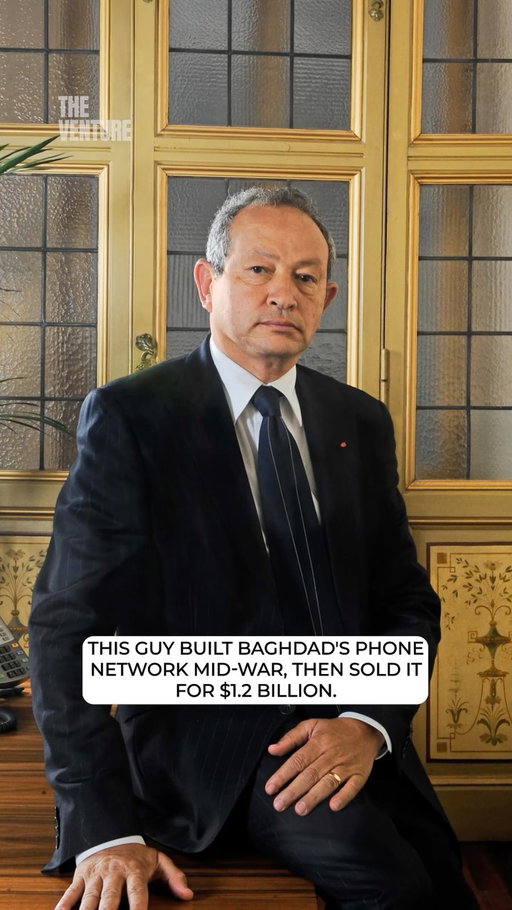
North Korea built a rival to Sawiris’ phone network.
Naguib Sawiris’ Egyptian company Orascom built Koryolink, the first mobile network North Koreans could use, and by 2015 about three million people were on it. It made money. Orascom could not take any of it home, because it was paid in North Korean won and the government would not let it convert the money or move it out.
Then the state set up a second operator, called Byol. Orascom tried to merge the two so it could keep running the business, and North Korea wanted to be the majority partner in whatever came out of it. The talks went nowhere.
In November 2015 Orascom told its shareholders it had lost control of Koryolink and would stop counting it as a subsidiary. Its auditors described any further negotiation as futile.
Sawiris has put his money into gold since. His investment company, La Mancha, took a 30% stake in the West African miner Endeavour Mining in 2015, and gold’s rise through 2026 lifted his fortune to a reported record of about $12 billion.
Follow @theventure for the greatest founder stories ever told!
310K
13.5K
39
1mo ago
theventure
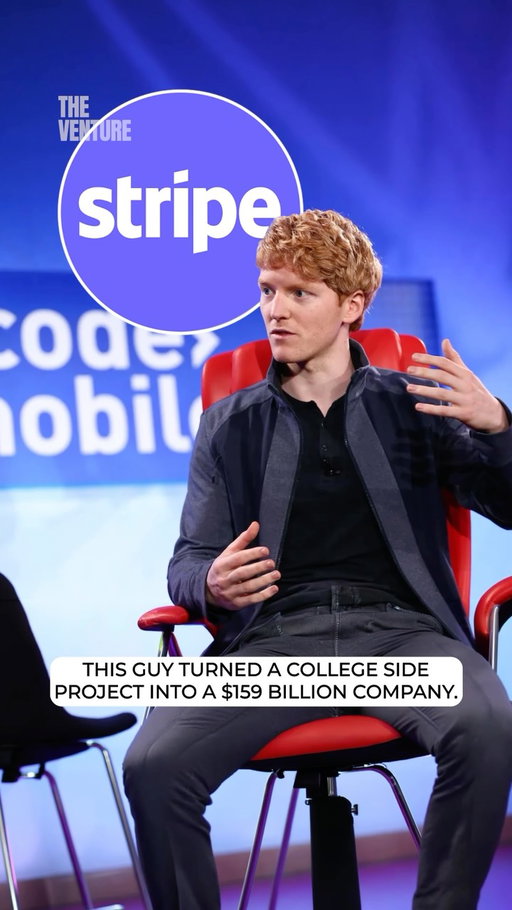
Stripe’s real product was never the code.
Seven lines is what the customer sees. What they are actually buying is the two years Patrick spent with banks, card networks and regulators, so that they never have to. Before Stripe, taking a card online meant registering a merchant account, negotiating a gateway, handling compliance paperwork and stitching together half a dozen systems built for shop tills.
Every competitor left that work with the developer. Collison took it off them and kept it.
He did the same thing in person. When a founder wanted Stripe, he did not send documentation, he asked for their laptop and installed it himself. The Irish banks turned him down, he joked they were three squirrels in a trenchcoat, and he kept going until an American one said yes rather than handing the problem back to his customers.
The direction has not changed since. Seven lines is now zero lines. Stripe processed $1.9 trillion last year, runs payments for 90 percent of the Fortune 500, and is worth $159 billion. The brothers still have not sold it.
Follow @theventure for the greatest founder stories ever told.
295K
8.65K
228
1mo ago
theventure
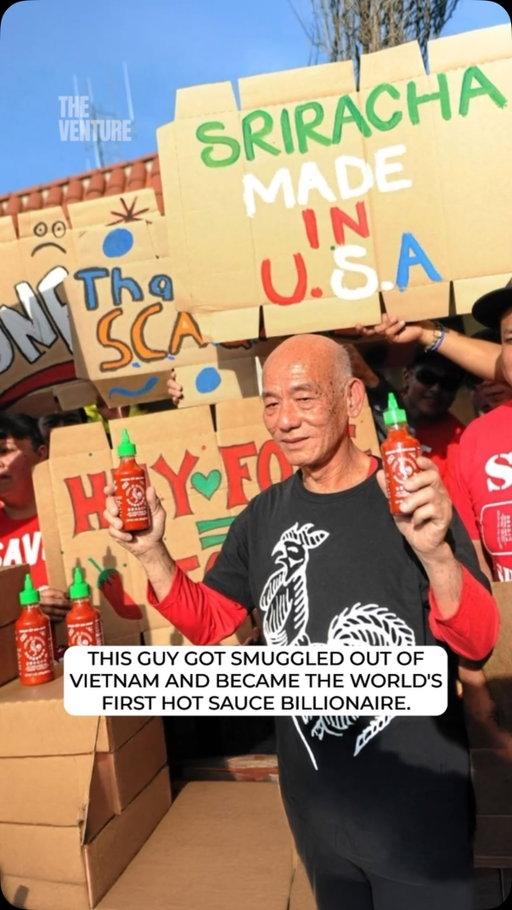
David Tran never trademarked the word Sriracha, and it made him more money than owning it would have.
Because the name was free, Heinz and Tabasco could put Sriracha on their own bottles. They also had to spend real money teaching Americans to want the stuff. Tran had never bought a single advertisement and he did not need to start, because most of the people those campaigns created went looking for the sauce they had already seen on restaurant tables. That bottle had a rooster on it, and the rooster was the part nobody could copy.
Holding the price down was the other half of it. A restaurant only leaves a bottle on every table if the sauce is cheap enough to treat as a condiment. Raise the price and it moves behind the counter, and the free advertising stops. Tran held his price for decades, so the bottles stayed out where everyone could see them.
Huy Fong now sells tens of millions of bottles a year and has still never run an advertisement. In 2023 Forbes named him the world’s first hot sauce billionaire, from a company he named after the freighter that carried him out of Vietnam.
Follow @theventure for the greatest founder stories ever told.
290K
5.75K
63
1w ago
theventure
We only post about the world’s greatest entrepreneurs.
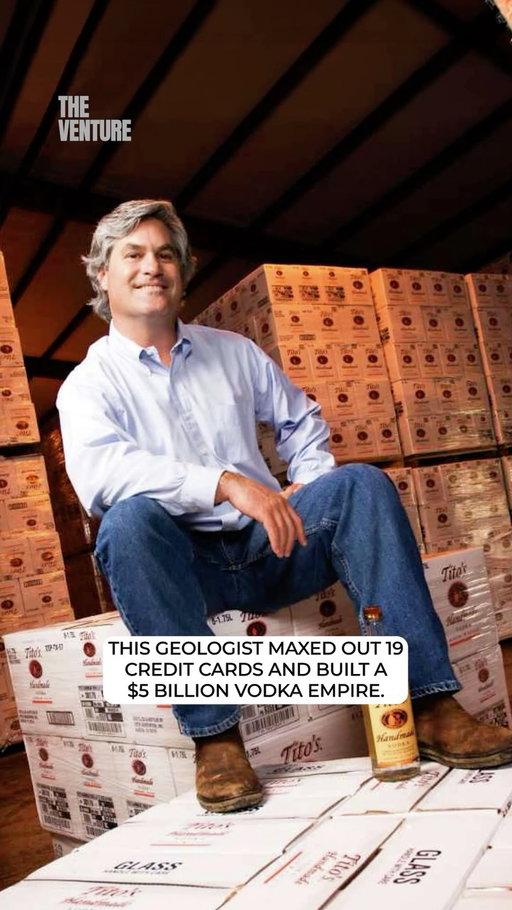
Tito Beveridge sent out 186 resumes and got no interviews.
He graduated in geology in 1984, straight into an oil bust. He started a one-man oil company and traded stocks until Black Monday, in October 1987, wiped him out. He has said he ran 11 miles that night.
He has also said the vodka business ended up using every one of the careers that failed him. Geology gave him the science. Years as an environmental engineer on toxic waste sites meant he knew how to deal with regulators, and he went on to win Texas’s first distilling permit. Selling mortgages taught him how credit works, and he kept the company alive on credit cards for years.
“Every time, every one of your failures, you just wrap your arms around it and accept all the responsibility,” he said.
281K
6.83K
86
2mo ago
theventure
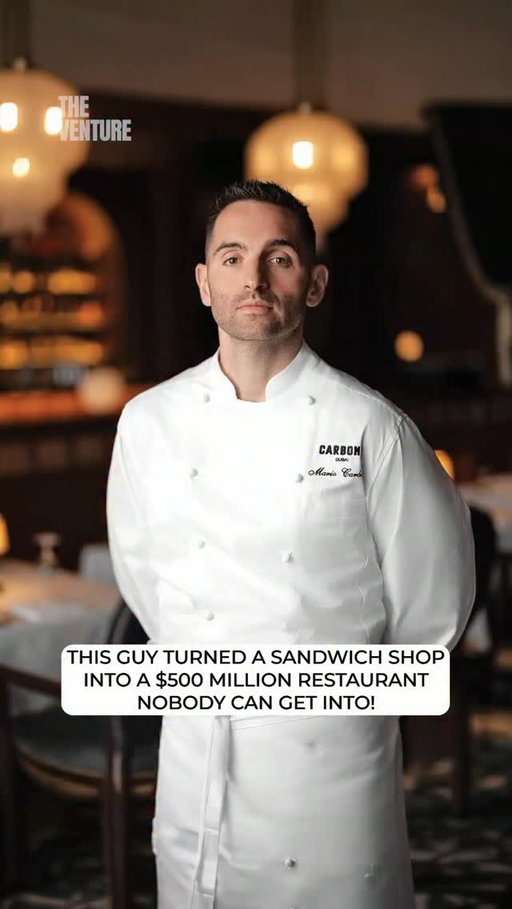
This guy turned a sandwich shop into a $500 million restaurant nobody can get into 🍝💰
In 2008, Mario Carbone is second in command at the fanciest Italian restaurant in New York, but he wants to build something of his own.
He convinces his roommate Rich Torrisi to pool their families’ savings and rent a tiny sandwich shop in Little Italy, with six tables and a chalkboard menu.
New York Magazine writes them a glowing review, and people start lining up outside. Jeff Zalaznick, a regular, becomes their third partner.
In 2013 they take over a 90-year-old restaurant and decide to build something completely different.
While every chef in New York does 20-course tasting menus and decides what the guest will eat, Mario goes the opposite way.
✓ Prints a menu the size of a flat-screen TV and lets guests order anything they want
✓ Makes it for them even if it’s not on the menu
✓ Sets out to make every guest feel like Henry Hill walking into the Copa
✓ Earns three stars from the New York Times, with Drake name-dropping it and Obama visiting in office
Second-in-command wants his own → a six-table sandwich shop → one review draws a line out the door → takes over an old restaurant → hands guests control while everyone else takes it away → Drake and Obama → 40 locations and $500M a year.
Sometimes you stand out by handing people control that everyone else is busy taking away.
What would you let your customers control that your whole industry insists on deciding for them? 🤔
#Business #Carbone #Restaurants #Success #Entrepreneur
The Venture (@theventure) Instagram Stats & Analytics
The Venture (@theventure) has 181K Instagram followers with a 3.14% engagement rate over the past 12 months. Across 376 posts, The Venture received 861K total likes and 27.6M impressions, averaging 2.29K likes per post. This page tracks The Venture's performance metrics, top content, and engagement trends — updated daily. To benchmark @theventure against other accounts, use Socialpruf's Instagram competitor analysis tool.
The Venture (@theventure) Instagram Analytics FAQ
How many Instagram followers does The Venture have?+
The Venture (@theventure) has 181K Instagram followers as of October 2026.
What is The Venture's Instagram engagement rate?+
The Venture's Instagram engagement rate is 3.14% over the last 12 months, based on 376 posts.
How many likes does The Venture get on Instagram?+
The Venture received 861K total likes across 376 posts in the last 12 months, averaging 2.29K likes per post.
How many Instagram impressions does The Venture get?+
The Venture's Instagram content generated 27.6M total impressions over the last 12 months.
Can I compare The Venture with other Instagram accounts?+
Yes. Add @theventure to a competitor set with Socialpruf's Instagram competitor analysis tool and benchmark it side by side with any other public accounts on views, engagement rate and follower growth, with history back to each account's first post.