
Key Metrics
Distributions
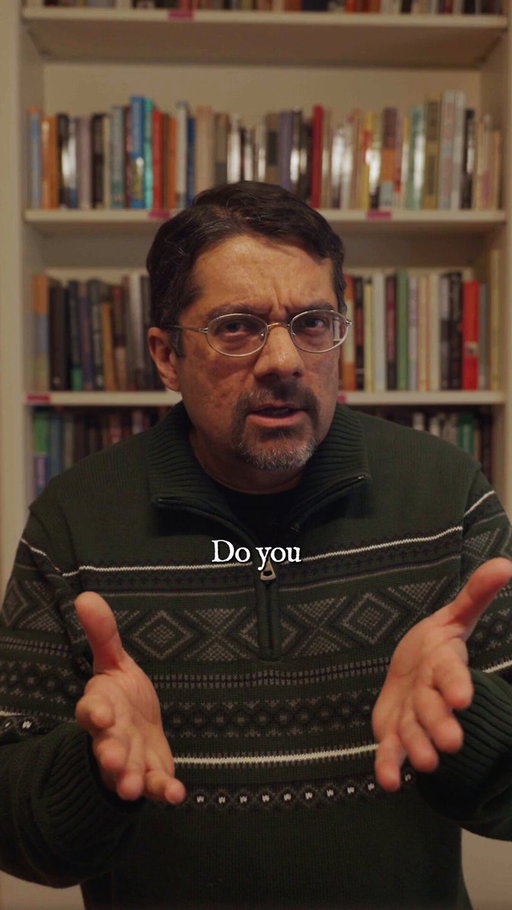

You've been told depression is a chemical imbalance in your brain. That the way you think is distorted. That's the story we've heard for decades. What if I tell you a Cornell psychologist has spent 30 years arguing depression isn't a defect at all, but a signal your body is sending to keep you from harm?. 🧵
“A lot of these assumptions we have about human potential are really outdated and just wrong.” Measures like IQ tests tend to categorize our abilities. But as @sbkaufman explains, these tests only tell us so much. open.spotify.com/episode/…
You get a phone call in the middle of the night. Someone you love has died. What percentage of people would you assume end up psychologically broken by a loss like that? Most people guess 50%. Or 70%. Or higher. The real percentage is under 10%. 🧵
"My marriage is broken because I'm doing something wrong." That's what most of us assume when we're struggling. What if I tell you the expectations of modern marriage are higher than they've ever been in human history?🧵
Attention spans have dropped dramatically over the past 20 years. How dramatically? 2004: Researchers find that workers can focus for 2.5 minutes before distractions break through. 2012: Undistracted work time shrinks to 75 seconds. Today: We spend 47 seconds, on average, on a task before we're distracted by something else. It's not because your brain is broken. And there are ways to claw back your ability to focus. 🧵
Researchers asked 90 people to improve a five-ingredient dish. Two of them removed an ingredient. The other 88 added.
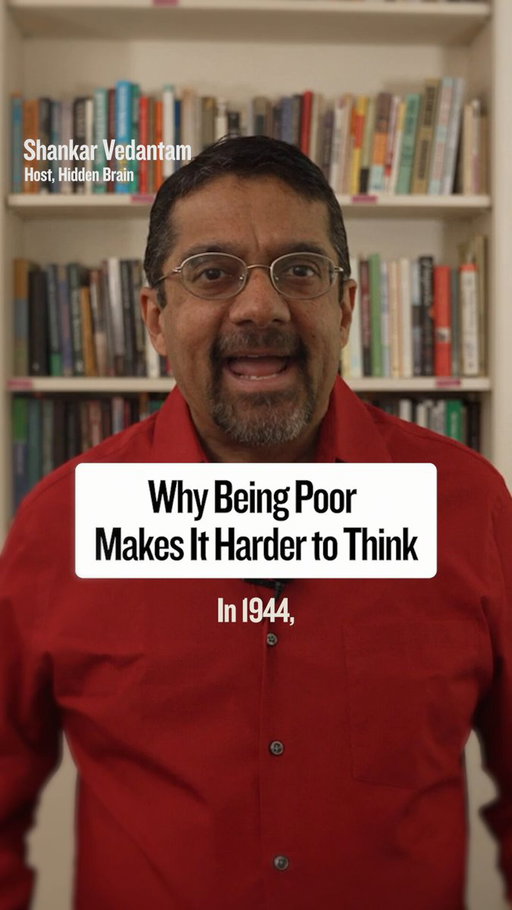

Modern marriage is like trying to climb the tallest mountain in the world without an oxygen tank. Psychologist Eli Finkel says many of us have committed ourselves to what he calls the "All-Or-Nothing Marriage." The good news is that there are ways to scale this seemingly impossible peak. 🧵
Grief should look a certain way. That's the message many of us subtly receive, from our families or from the cultures in which we live.
A father was so focused on achievement that he had trained himself to work seventy-five-hour weeks and run on three or four hours of sleep. He was sure he was doing it all for his family. Then he overheard his three-year-old ask a question that stopped him cold. 🧵
Would you rather make $50,000 in a city where everyone else makes $10,000, or $100,000 in a city where everyone else makes $500,000? An economist would say the choice is obvious: you'd pick the second city, where you make $100,000. You make more money. But plenty of people pick the first city. 🧵
If you struggle with math, this finding from cognitive scientist Sian Beilock might feel relatable. She had people come into the lab for a brain scan. While they were in the MRI machine, the volunteers watched a screen. 🧵
Left brain vs. right brain. Right-brained people are creative. Left-brained people are analytical. But the truth is... our brains work nothing like this. 🧵
It’s almost time for our next Hidden Brain live show! Join Shankar at the Orpheum in Los Angeles on November 22. He’ll be sharing seven key insights from Hidden Brain’s first decade. More info and tickets at hiddenbrain.org/tour/
If I were rich, the stress would finally go away. We've all thought that at some point. A financial psychologist says this belief is one of the most common in America. It's powerful, and it's often a mirage. 🧵
Air rage happens because passengers are stressed and tired. That's what most of us assume. But it turns out that one of the biggest predictors of a passenger meltdown isn't the delay or the long flight. It's whether people had to walk past first class to reach their seat. 🧵
In January 2009, John Roberts was swearing in Barack Obama as president of the United States. Both men had spent decades in the public eye. Roberts was the Chief Justice of the Supreme Court. Obama had campaigned coast to coast. But there was a simple sentence that kept tripping them up.🧵
Hidden Brain (@hiddenbrain) X Stats & Analytics
Hidden Brain (@hiddenbrain) has 123K X followers with a 0.52% engagement rate over the past 12 months. Across 514 posts, Hidden Brain received 3.76K total likes and 798K impressions, averaging 7.32 likes per post. This page tracks Hidden Brain's performance metrics, top content, and engagement trends — updated daily. To benchmark @hiddenbrain against other accounts, use Socialpruf's X competitor analysis tool.