





tiktok analytics
Similar Accounts:
tiktok analytics
Similar Accounts:
followers
3
impressions
12.4K
likes
223
comments
--
posts
81
engagement
1.80%
emv
$304
Average per post
153
Key Metrics
Impressions
monthly
Distributions
Content
751
10
0
2mo ago

gliderecruits
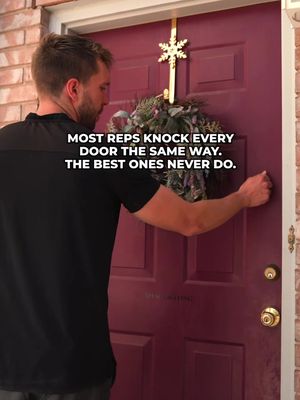
Same script. Same energy. Same opener at every door. That’s the fastest way to plateau in door-to-door sales, and most reps never figure out why their numbers stop growing. The best window cleaning reps adapt before they ever knock. Here’s the framework they use: - Read the property first. Curb appeal, vehicle condition, and landscaping tell you whether this homeowner invests in their home. If they do, your service already fits their lifestyle, so open with confidence. - Read the entry second. Decor, lighting, and door condition tell you a lot about personality and pride of ownership. Match your energy to what you see. Warm entry, warm opener. Minimal entry, get to the value fast. - Read the signals third. A “No Soliciting” sign, a doorbell camera, or a storm door left open all tell you something. A camera means they’re cautious; acknowledge it. A storm door left open means they’re comfortable—use that. Adjust your opener before you speak. By the time your hand hits the door, you should already know your tone, your pace, and your first line. That’s not overthinking. That’s the skill that turns grinders into closers. Volume matters in D2D sales. But volume without intelligence is just exhaustion. The reps building real careers in window cleaning are reading before they knock, every single time. Follow James Krzymowski for more field sales strategy from inside a $10M window cleaning sales org.

660
21
0
2mo ago
gliderecruits
Turn one-time service requests into long-term clients

647
16
0
2mo ago
gliderecruits
What the Lester brothers did to start a $500 million industry

485
12
0
3mo ago
gliderecruits
Working harder doesn’t always mean winning. Managers who try to do everything themselves burn out. while their team still misses opportunities. The real power comes from a system that works. Discipline. Clarity. Structure. Leadership. Build the framework right, and your team starts winning without you micromanaging. Comment “GLIDE” to see how the pros do it.

449
0
0
2mo ago
gliderecruits
A lot of people want success… But the second things get hard, awkward, or tiring, they disappear. Real growth looks different. It looks like showing up tired. Learning through pressure. Staying disciplined even when nobody is watching. That’s how confidence gets built for real. Comment “GROWTH” if you’re serious about leveling up.
274
6
0
3w ago
gliderecruits
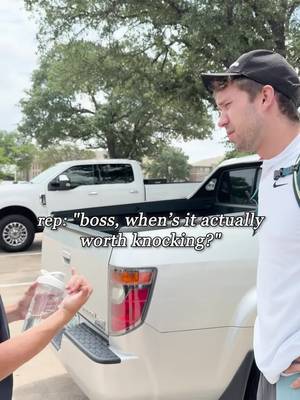
New reps always want the perfect time. Top reps already know there isn't one. Morning works. Evening works. The hours most reps avoid because they assume nobody's home are often the hours nobody else is knocking, which means less competition at the door and a homeowner who hasn't been pitched three times already that week. The obsession with timing is usually just hesitation with a logical explanation attached to it. The rep who goes out at any hour consistently will always outperform the rep who only goes when conditions feel right. It doesn't even matter what time it is. Go knock. What excuse do you catch yourself using most to delay getting out there?

269
10
0
1mo ago
gliderecruits
"Not interested" is not a closed door. It's just the homeowner telling you they don't want to be sold to. So stop selling. The apology and the walkaway hands them exactly what they asked for. Instead, redirect with a simple question that has nothing to do with closing: "Do you normally take care of the windows yourself, or do you have someone come out?" Now you're in a conversation, not a pitch. When you do bring the service back in, don't lead with features. Lead with social proof. Other customers in the same position gave you a shot because of the result, not the feature list. Let that do the work. The reps who flip "not interested" consistently aren't more persuasive. They're just less reactive. What do you currently say when you hear "not interested"?
266
11
0
2mo ago
gliderecruits
He was one step away from making 10x that amount, and he didn’t even realize it. The flyer got him in the door. Literally. But the real money in window cleaning isn’t in one-off jobs. It’s in recurring subscription customers, and you only build that by talking to people face to face. That’s what door-to-door window cleaning sales really are. You’re not just selling a cleaning. You’re selling a subscription to a service they’ll pay for every quarter without thinking twice. Multiply that by 100 customers. Now you’ve got a business, not a side hustle. I’ve trained over 100 reps to build exactly that. Follow along, and I’ll teach you how to do it, for free. #creatorsearchinsights
260
0
0
3mo ago
gliderecruits
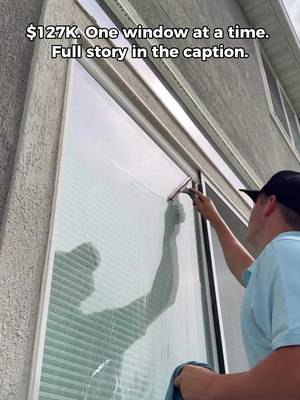
Started knocking doors with no experience. Learned how to sell. Handled rejection. Kept showing up. Now helping run a $10M sales org. Same game. Different level. Most people quit before it compounds. Would you stick with it?
251
1
0
1w ago
gliderecruits
Nobody warns you about this part when you get into window cleaning. They probably should. The entry point looks like a summer job. The ceiling looks completely different once you understand that the income isn't tied to how many windows you personally clean; it's tied to how many contracts you build. A rep with a strong recurring book of business doesn't start every month from zero. They start from whatever their contract base is already paying and build on top of it. That's not how most people picture window cleaning when they first hear about it. It's also why the ones who figure it out don't leave. What was the moment you realized this industry paid differently than you expected?

249
9
0
5d ago
gliderecruits
One skill learned properly beats four years of waiting for a salary that someone else decided you deserved. The door-to-door model is one of the only income paths where the gap between starting and earning is measured in days, not years. You don't need a degree, a network, or a resume that looks a certain way. You need a process, the willingness to knock, and enough volume to let the math work. $8,000 in a week isn't a guarantee. It's a ceiling that exists for the reps who show up, learn the system, and don't stop at door forty when it gets uncomfortable. The 9-to-5 has a ceiling too; the difference is someone else set that one for you. One skill. One door. The rest is volume. What was your best week on the doors? Drop the number below.

248
9
0
1mo ago
gliderecruits
When you fold on price, you’re not just losing a sale, you’re losing a conversation you never even tried to have. Dropping your number the second a homeowner pushes back is the costliest habit in door-to-door sales. It tells them the price was inflated, it cheapens your service, and it trains people that pushing you works. None of that helps you long term. The reframe is simple, but most reps never make it: “Too expensive” means the value isn’t there yet. So build the value. Paint the picture. Remind the homeowner what neglected windows actually cost over time: hard water etching into the glass, seals degrading, damage that doesn’t show up until it’s too late to clean away. Then add something to the deal instead of cutting the price. A free screen deep clean is worth more to the customer than the same dollar amount knocked off the total, because it feels like a bonus they won, not a number you caved on. Hold your price. Stack the value. Close the gap that way. Which objection do you want me to cover next? Drop it in the comments.
244
3
0
3w ago
gliderecruits
Nobody talks about how much faster the doors build business skills than a classroom does. One summer on the doors teaches you more about sales psychology, human behavior, objection handling, closing, and real business than four years of case studies ever will. You learn it under pressure, in real time, at a real person's door with real money on the line. That's not a comparable experience to a classroom; it's a better one. Business school teaches you to analyze deals. Door-to-door teaches you to close them. One of those skills pays immediately. The reps who put in one serious summer in window cleaning come out the other side with a skill set, a mindset, and an income that most graduates are still working toward three years later. Would you trade a degree for a summer on the doors?
244
9
0
1mo ago
gliderecruits
Standing outside a door in the snow while everyone else is comfortable is exactly why this pays what it does. Most people look at door-to-door and see the rejection, the weather, the commission-only structure, and they walk the other way. The reps who don't are the ones earning more than the people who thought they made the safer choice. The income is real. The skill is transferable. The ceiling doesn't exist the way it does in a salary role. And the reps building real money in this industry aren't doing anything most people couldn't do; they just decided the discomfort was worth it. The money was always there. Most people just weren't willing to knock for it. Drop a 🔥 if D2D changed what you thought was possible financially.
240
7
0
2w ago
gliderecruits
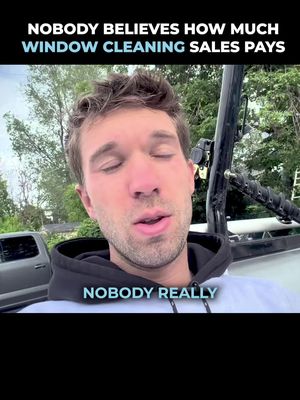
That $200 discount feels like a win in the moment. It's quietly destroying your sales career. Every time you drop the price to earn a yes, you're reinforcing the bad habit. You're teaching yourself that value can't hold up under pressure and teaching the customer that your initial price was a negotiating position, not a real number. Both of those things follow you to every door after this one. The reps who build real careers in door-to-door learn early that the price objection is a value problem, not a number problem. The fix is never less money. It's more reason to say yes at the price you already gave them. Hold the number. Build the case. Close on value. That's the skill that actually transfers. Are you closing deals or just buying them?
238
5
0
2mo ago
gliderecruits
The skill that separates people who build wealth from people who chase it is right in front of most people, and they still walk past it. 99% of people will never learn how to sell because they think it’s beneath them. Meanwhile, the 1% who master it can walk into virtually any room, any industry, any opportunity, and make money. Here’s the truth about why most people avoid sales: It’s uncomfortable. It comes with rejection. It forces you to build discipline and resilience in real time, with real consequences. That’s exactly why it pays so well. The reps who last in this industry aren’t just earning commission, they’re building an unfair advantage that follows them for life. Every door they knock on is a step toward the most transferable skill on earth. Don’t treat this like a gig. Treat it like a graduate degree that pays you while you learn. #creatorsearchinsights
237
12
0
3w ago
gliderecruits
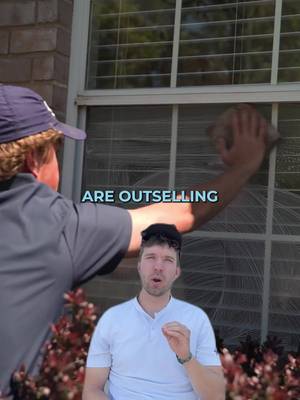
Quiet reps are outselling loud reps in door-to-door every single day, and most people have no idea why. It comes down to one skill that almost nobody talks about in sales training: listening. Not nodding while you wait to talk. Actually listening long enough for the homeowner to hand you the close. The charismatic, high-energy rep runs through their pitch and hopes something lands. The quiet rep asks one good question, waits, and lets the homeowner tell them exactly what to say next. Every objection, every priority, every hesitation; it all comes out when you stop filling the silence. If you've avoided door-to-door because you thought your personality wasn't built for it, that assumption has been costing you. The doors don't reward the loudest rep. They reward the one paying the most attention. Not working harder. Listening better. That's what separates the top of the leaderboard from everyone else. Tag a rep who talks too much at the door and needs to hear this.
235
4
0
1mo ago
gliderecruits
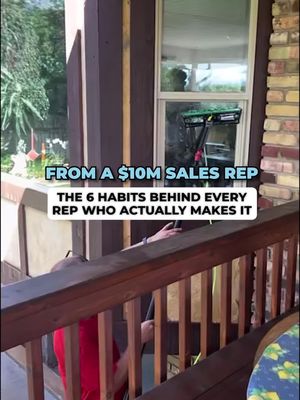
Every rep who's actually made it in this industry has these six habits running in the background, usually without even thinking about it anymore. ✅ Rejection doesn't stick. They hear no and knock on the next door the same way they knocked on the first. ✅ The process is non-negotiable. Good days or bad, the framework doesn't change. ✅ Their why is real. Not a surface answer, something they actually fall back on when it gets hard. ✅ They never fold on price. They add value rather than subtract from the number. ✅ Rapport comes before the pitch. Every time, no exceptions ✅ They track their numbers. Because you can't improve what you're not measuring These aren't personality traits. Their decisions are made early and eventually become automatic. Save this and audit yourself honestly.
234
9
0
1w ago
gliderecruits
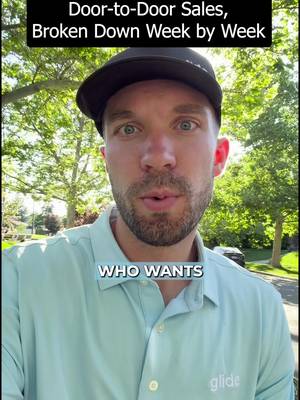
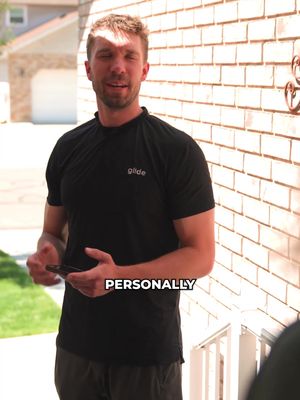
Nobody gives you an honest breakdown of what the first 30 days in door-to-door actually looks like. So here it is. Week one is survival. The doors feel personal, the pitch feels fake, and confidence is basically nonexistent. That is not a red flag. That is exactly what week one is supposed to feel like for every rep who eventually figures this out. Week two is where volume starts paying off in ways that have nothing to do with the commission check. You start reading people faster. You start knowing before the door opens whether the next sixty seconds are going to go somewhere. That pattern recognition is the skill everything else in sales gets built on. Weeks three and four separate the ones who make it from the ones who don't. Not because the doors get easier but because the reps who stay consistent stop fighting the process and start trusting it. The pitch becomes theirs. The close becomes natural. And the rep standing there at day 30 is almost unrecognizable compared to the one who knocked the first door. The 30 days are the same for everyone. What's different is who shows up at door 100 the same way they showed up at door one. Follow for more honest breakdowns of what building a career in D2D actually looks like.
232
4
0
1mo ago
gliderecruits
Every rep I’ve seen succeed in this industry does all three of these. Not some of them. All three. Rejection stops feeling personal. You trust the process, even on slow days. And your “why” is real enough to lean on when motivation runs out. If any one of these is missing, the summer usually ends early. Save this and reread it before your first week on the doors.
Glide Recruits 🪟 (@gliderecruits) Tiktok Stats & Analytics
Glide Recruits 🪟 (@gliderecruits) has 3.00 Tiktok followers with a 1.80% engagement rate over the past 12 months. Across 81.0 videos, Glide Recruits 🪟 received 223 total likes and 12.4K views, averaging 2.75 likes per video. This page tracks Glide Recruits 🪟's performance metrics, top content, and engagement trends — updated daily.
Glide Recruits 🪟 (@gliderecruits) Tiktok Analytics FAQ
How many TikTok followers does Glide Recruits 🪟 have?+
Glide Recruits 🪟 (@gliderecruits) has 3.00 TikTok followers as of August 2026.
What is Glide Recruits 🪟's TikTok engagement rate?+
Glide Recruits 🪟's TikTok engagement rate is 1.80% over the last 12 months, based on 81.0 videos.
How many likes does Glide Recruits 🪟 get on TikTok?+
Glide Recruits 🪟 received 223 total likes across 81.0 videos in the last 12 months, averaging 2.75 likes per video.
How many TikTok views does Glide Recruits 🪟 get?+
Glide Recruits 🪟's TikTok content generated 12.4K total views over the last 12 months.