NewGet @nathan.perdriau's full report

instagram analytics
Similar Accounts:
instagram analytics
Similar Accounts:
followers
60.0K
impressions
17.6M
likes
306K
comments
8.90K
posts
2.15K
engagement
1.78%
emv
$440K
Average per post
8.18K
Key Metrics
Impressions
monthly
Distributions
Content
363K
5.78K
54
4mo ago

nathan.perdriau
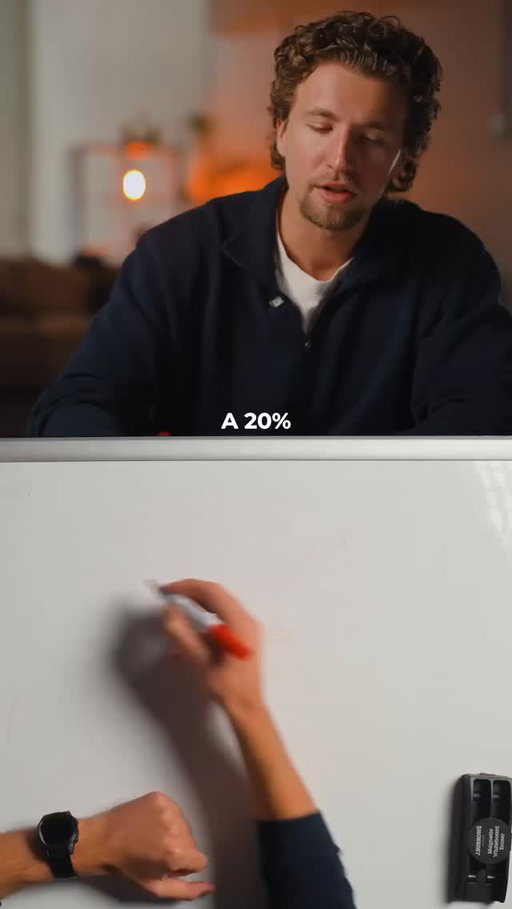
A 20% discount is not a 20% problem.
It’s much bigger.
Here’s what actually happens
1. The obvious math's is wrong
$100 product
60% gross margin = $60 GP
Add 20% discount:
Price = $80
Cost = $40
New GP = $40
You didn’t lose 20%.
You lost 33%.
That’s the part most teams miss.
2. You don’t just lose margin
You change customer behavior.
Discount buyers:
* Wait for deals
* Buy less at full price
* Have lower repeat rates
So the first order isn’t the real cost…
The lifetime value drop is.
3. You train the algorithm wrong
Meta sees:
“Who converts?”
Answer: discount-driven users
So it finds more of them.
Result:
* Worse traffic quality
* Higher dependency on promos
* Lower baseline efficiency
You don’t just discount your product.
You discount your audience quality.
4. The hidden compounding cost
One promo impacts:
* Gross profit (immediately)
* LTV (long-term)
* Acquisition quality (algorithmic feedback loop)
That’s three layers of damage from one decision.
5. What to do instead
Don’t default to discounts.
Test:
* Bundles (value without margin loss)
* Gifts (perceived gain, not price cut)
* Tiered offers (increase AOV instead of reducing price)
Rule:
If it doesn’t protect margin or LTV…
Don’t scale it.
Simple takeaway:
Discounts don’t just reduce price.
They rewire your customer base, your economics, and your acquisition system.
And that’s why they compound in the wrong direction.
312K
3.65K
6
4mo ago
nathan.perdriau
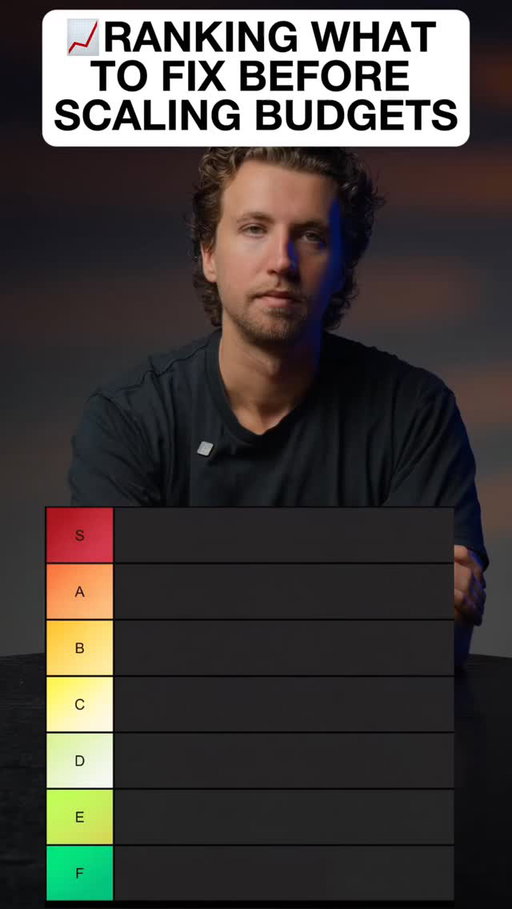
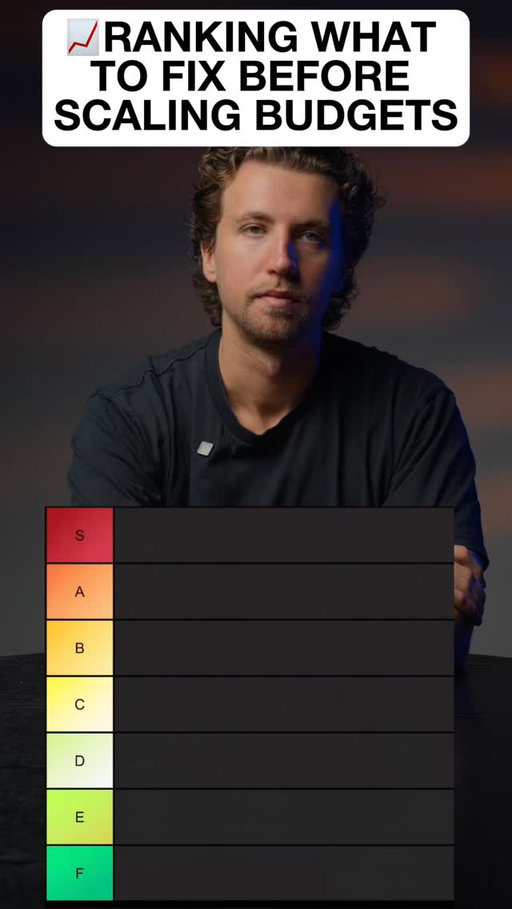
Let's tier the metrics that actually matter for eComm.
S tier (track daily):
* Contribution margin
* New vs returning customer split
A tier (foundational):
* Tracking accuracy
* Break-even CAC
* Cash flow tolerance
B tier (helpful):
* Offer conversion rate
* Landing page clarity
D tier (vanity metrics):
* Creative hit rate
* Stock depth
Why contribution margin is S tier:
ROAS doesn't tell you if you're profitable. Contribution margin does.
Example:
Product A: $100 sale, $30 COGS, $40 CAC → $30 contribution margin
Product B: $80 sale, $10 COGS, $40 CAC → $30 contribution margin
Product B has higher margin (88% vs 70%) and can scale further before hitting break-even.
Why new vs returning split is S tier:
Spending $100K/month on acquisition but 60% of revenue is returning customers = inefficient. Track daily:
* New customer revenue
* Returning customer revenue
* New customer CAC
If new CAC > break-even, you're burning cash.
Why creative hit rate is D tier:
Hit rate is vanity. Average winner spend matters. Example:
* 2% hit rate with 2 winners spending $500K = $1M total
* 10% hit rate with 10 winners spending $5K = $50K total
I'll take fewer high-spend winners every time.
Why cash flow is A tier:
Profitable on paper ≠ sustainable.
If you pay suppliers faster than you get paid, scaling breaks cash flow. Cash conversion cycle kills more brands than poor ROAS.
The fix:
Focus on S and A tier metrics. Ignore vanity D tier metrics. Report contribution margin and new customer acquisition, not ROAS or hit rate.
223K
5.55K
47
7mo ago
nathan.perdriau
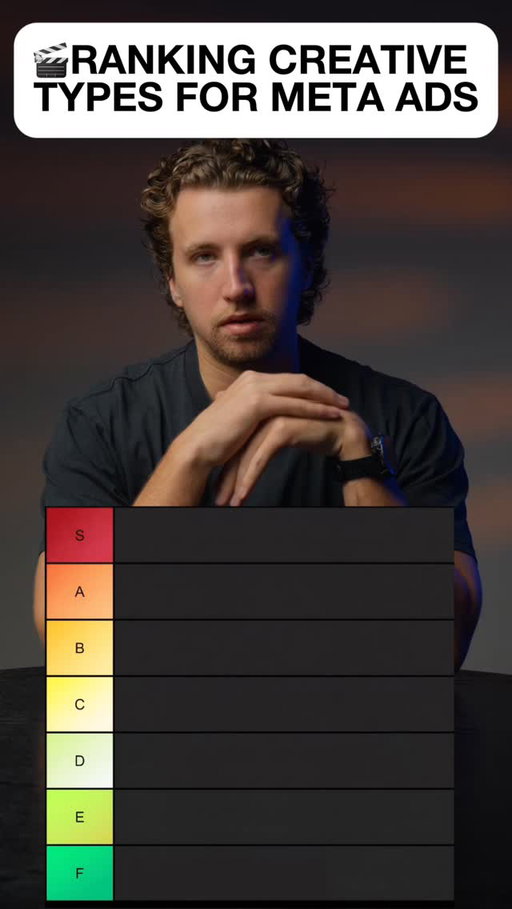
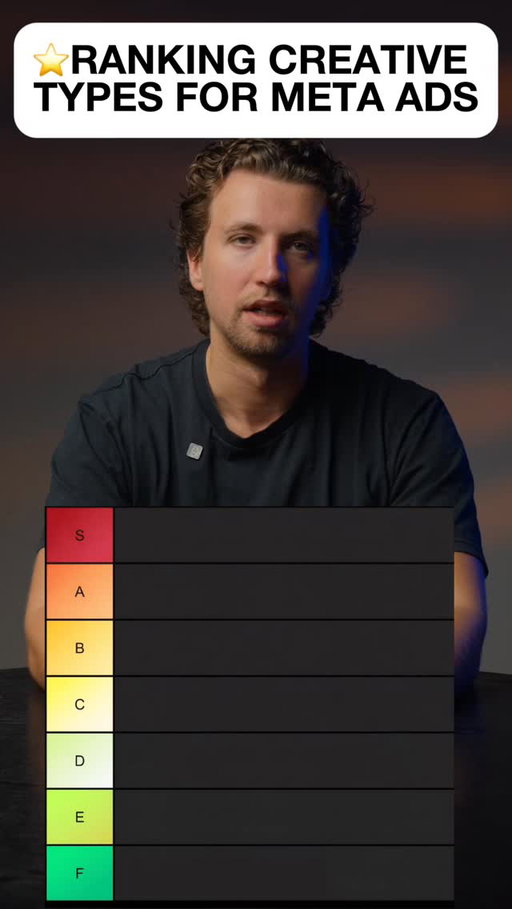
Ranking creative types for Meta Ads...
183K
3.94K
54
5mo ago
nathan.perdriau
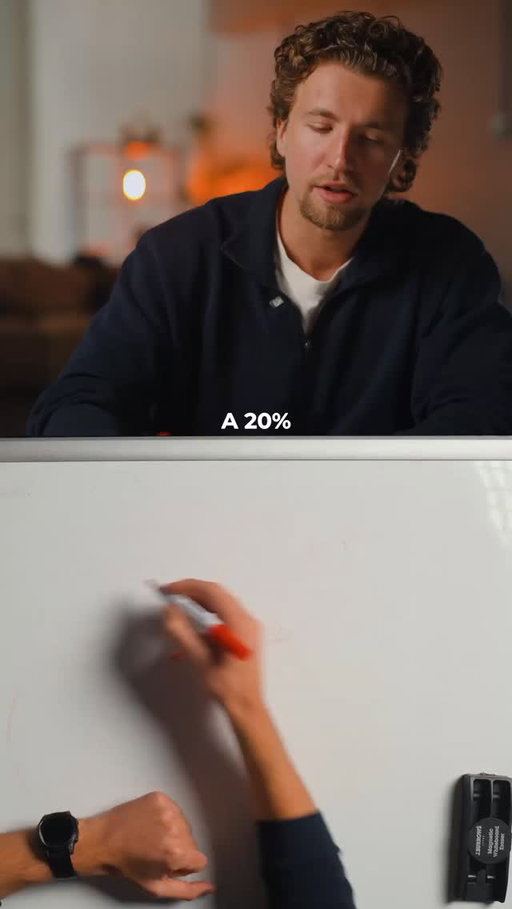
A 20% discount is not a 20% problem.
It’s much bigger.
Here’s what actually happens
1. The obvious math's is wrong
$100 product
60% gross margin = $60 GP
Add 20% discount:
Price = $80
Cost = $40
New GP = $40
You didn’t lose 20%.
You lost 33%.
That’s the part most teams miss.
2. You don’t just lose margin
You change customer behavior.
Discount buyers:
* Wait for deals
* Buy less at full price
* Have lower repeat rates
So the first order isn’t the real cost…
The lifetime value drop is.
3. You train the algorithm wrong
Meta sees:
“Who converts?”
Answer: discount-driven users
So it finds more of them.
Result:
* Worse traffic quality
* Higher dependency on promos
* Lower baseline efficiency
You don’t just discount your product.
You discount your audience quality.
4. The hidden compounding cost
One promo impacts:
* Gross profit (immediately)
* LTV (long-term)
* Acquisition quality (algorithmic feedback loop)
That’s three layers of damage from one decision.
5. What to do instead
Don’t default to discounts.
Test:
* Bundles (value without margin loss)
* Gifts (perceived gain, not price cut)
* Tiered offers (increase AOV instead of reducing price)
Rule:
If it doesn’t protect margin or LTV…
Don’t scale it.
Simple takeaway:
Discounts don’t just reduce price.
They rewire your customer base, your economics, and your acquisition system.
And that’s why they compound in the wrong direction.

168K
4.83K
74
9mo ago
nathan.perdriau
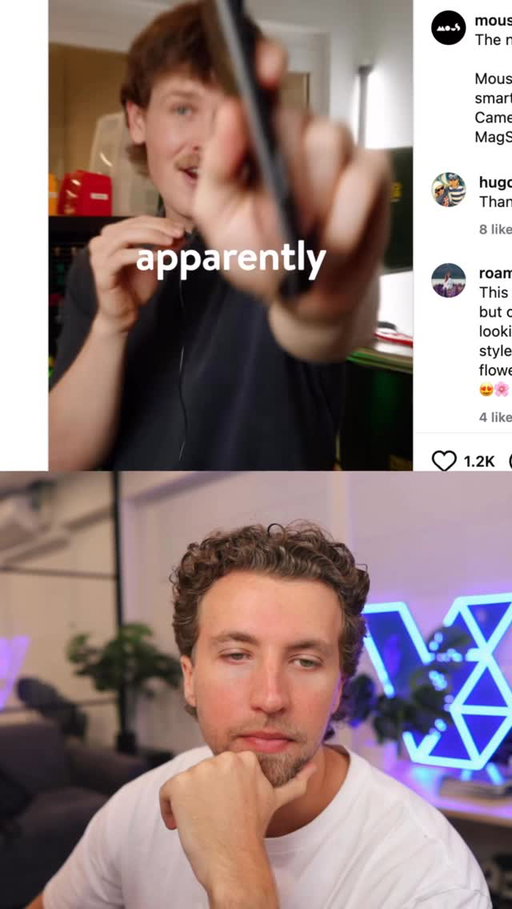
Here's what Hormozi's doing in his ad account...
162K
7.10K
13
6mo ago
nathan.perdriau
This is a great ad.

150K
4.36K
25
7mo ago
nathan.perdriau
This dropship ad probably spent $100–200k.
And it likely did $1M+ in revenue.
Cost to make?
Almost nothing.
Here’s why it worked (and what you can steal):
1. Open with pattern interrupt.
“Whoever designed this is a genius.”
Plus a product you’ve never seen before.
When something looks unfamiliar in-feed…
People stop.
2. Cut to reaction UGC fast.
Not polished.
Not branded.
Just:
A human reacting.
It lowers resistance immediately.
3. Inject authority.
In this case:
An ultramarathon runner with knee issues.
Real or not (don’t fake it)…
The principle holds:
Borrow authority from:
* Athletes
* Professionals
* Niche experts
* Power users
Authority compresses belief.
4. Explain the mechanism.
This is where most eComm brands fail.
They didn’t just say:
“Supports your knee.”
They said:
* Stabilisers lock the joint
* Tension is adjustable
* Gel pad spreads pressure evenly
That’s mechanism.
Mechanism = why it works.
5. Translate to outcome.
Not features.
But:
* Less pain
* Less instability
* Less fear of collapse
Feature → Mechanism → Outcome.
That’s the flow.
6. Close fast.
No waffle.
No brand story.
No cinematic ending.
Just CTA.
The ad is short because it earns attention quickly.
If you’re spending $50k+ per month on paid:
Run this checklist on your top creatives:
* Is there a scroll-stopping first 2 seconds?
* Is there borrowed authority?
* Is the mechanism clearly explained?
* Are benefits tied to real fears?
* Is the CTA direct?
This isn’t about dropshipping.
It’s about structure.
Good creative isn’t luck.
It’s engineered.
144K
3.02K
38
7mo ago
nathan.perdriau
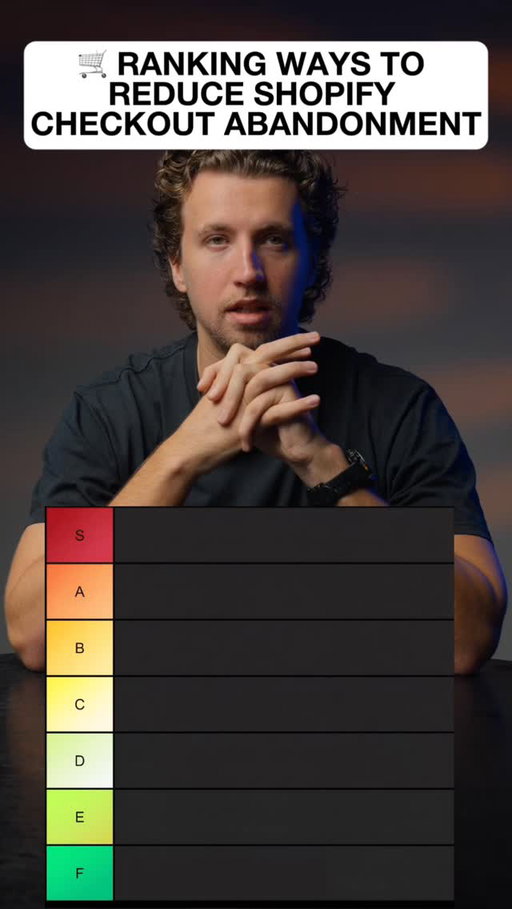
Ranking ways to reduce Shopify checkout abandonment...
140K
2.23K
14
6mo ago
nathan.perdriau
Let's tier the metrics that actually matter for eComm.
S tier (track daily):
* Contribution margin
* New vs returning customer split
A tier (foundational):
* Tracking accuracy
* Break-even CAC
* Cash flow tolerance
B tier (helpful):
* Offer conversion rate
* Landing page clarity
D tier (vanity metrics):
* Creative hit rate
* Stock depth
Why contribution margin is S tier:
ROAS doesn't tell you if you're profitable. Contribution margin does.
Example:
Product A: $100 sale, $30 COGS, $40 CAC → $30 contribution margin
Product B: $80 sale, $10 COGS, $40 CAC → $30 contribution margin
Product B has higher margin (88% vs 70%) and can scale further before hitting break-even.
Why new vs returning split is S tier:
Spending $100K/month on acquisition but 60% of revenue is returning customers = inefficient. Track daily:
* New customer revenue
* Returning customer revenue
* New customer CAC
If new CAC > break-even, you're burning cash.
Why creative hit rate is D tier:
Hit rate is vanity. Average winner spend matters. Example:
* 2% hit rate with 2 winners spending $500K = $1M total
* 10% hit rate with 10 winners spending $5K = $50K total
I'll take fewer high-spend winners every time.
Why cash flow is A tier:
Profitable on paper ≠ sustainable.
If you pay suppliers faster than you get paid, scaling breaks cash flow. Cash conversion cycle kills more brands than poor ROAS.
The fix:
Focus on S and A tier metrics. Ignore vanity D tier metrics. Report contribution margin and new customer acquisition, not ROAS or hit rate.
115K
3.36K
21
6mo ago
nathan.perdriau
Let's tier creative formats for Meta ads.
S tier (use heavily):
* Static image ads
* Before/after (if compliant)
* Founder ads
A tier (should have):
* Overproduced brand films (cut into short-form)
* UGC problem-solution
B tier (helpful):
* Offer-led ads
* Product demos
* Trend edits
D tier (not worth it):
* Testimonials (unless at scale)
* Meme ads
Why static images are S tier:
Everyone obsesses over video, but static images:
* Cost 1/10th to produce
* Test angles 10x faster
* Perform as well or better on cold traffic
* Scale with AI tools (Midjourney, DALL-E, Canva)
You can launch 50 static variations/day, test hooks/value props, then make video versions of winners.
Why founder ads are S tier:
Founder ads can spend $250K+ each. They outperform all other formats because of:
* Authenticity: feels like a person, not a brand
* Authority: founder endorses product
* Trust: if founder believes, customers do too
Before/after ads are great top-of-funnel but must be compliant.
Why meme ads are D tier:
High engagement ≠ conversions. They get likes but don’t drive purchases and dilute brand equity.
Playbook:
1. Launch 20-30 static image ads, test angles fast
2. Identify top 3-5 performers
3. Produce founder videos for best angles
4. Cut overproduced brand films into 50+ short clips
5. Add UGC problem-solution ads
6. Mix in offer-led ads during promos
Focus on S and A tier. Skip D tier entirely.
111K
2.06K
18
4mo ago
nathan.perdriau
Ranking ways to prevent abandon checkout.

110K
369
18
10mo ago
nathan.perdriau
Temple Webster has lost $1B on their market cap - down nearly 40%…
#ecommerce #shopify

103K
1.66K
11
6mo ago
nathan.perdriau
How to measure paid media...
101K
4.10K
81
10mo ago
nathan.perdriau
This isn't true...
93.7K
1.24K
91
6d ago
nathan.perdriau
how’s this even work
93.6K
2.08K
14
7mo ago
nathan.perdriau
“The protein industry is broken.”
That’s the first line.
Contrarian.
Punchy.
Scroll-stopping.
And it works.
Here’s the structure behind this ad — and how to apply it to your brand.
1. Start with a market attack.
Not:
“Introducing our new protein snack…”
But:
“The protein industry is broken.”
You’re not selling a product.
You’re picking a fight.
2. Agitate the obvious pain.
“You want more muscle.
You need more protein.
But everything on the shelf is ultra-processed.”
He’s speaking directly to lifters.
Specific ICP.
Specific frustration.
Then he does something smart:
He attacks the alternatives.
“Beef jerky? Full of soy, sugar, low-quality meat.”
He’s reframing the whole category as flawed.
That widens dissatisfaction.
3. Introduce the clean solution.
“What if it was just steak, salt and spice?”
45g of protein.
No artificial ingredients.
Simple.
Clear.
Binary.
4. Layer in founder credibility.
Quit his job.
Posted daily for a year.
100k followers.
Shipping nationwide.
This isn’t a dropshipper.
It’s a mission.
5. Add scarcity at the end.
“I sell out all the time.
Right now, I’ve got stock.”
Only after belief is built.
Here’s the framework for $5M–$500M brands:
The Category Reframe Playbook:
* Open with a bold industry statement.
* Agitate the current options.
* Make alternatives look outdated.
* Present your product as the obvious correction.
* Add personal proof.
* Close with urgency.
This works because you’re not competing on features.
You’re redefining the rules.
Most brands say:
“Our product is better.”
The smart ones say:
“The whole category is wrong.”
If you can shift the conversation…
You control the buying criteria.
That’s leverage.
And leverage scales.
90.8K
1.88K
21
7mo ago
nathan.perdriau
Ranking creative types for Meta Ads...
88.0K
2.22K
23
6mo ago
nathan.perdriau
Let's tier creative formats for Meta ads.
S tier (use heavily):
* Static image ads
* Before/after (if compliant)
* Founder ads
A tier (should have):
* Overproduced brand films (cut into short-form)
* UGC problem-solution
B tier (helpful):
* Offer-led ads
* Product demos
* Trend edits
D tier (not worth it):
* Testimonials (unless at scale)
* Meme ads
Why static images are S tier:
Everyone obsesses over video, but static images:
* Cost 1/10th to produce
* Test angles 10x faster
* Perform as well or better on cold traffic
* Scale with AI tools (Midjourney, DALL-E, Canva)
You can launch 50 static variations/day, test hooks/value props, then make video versions of winners.
Why founder ads are S tier:
Founder ads can spend $250K+ each. They outperform all other formats because of:
* Authenticity: feels like a person, not a brand
* Authority: founder endorses product
* Trust: if founder believes, customers do too
Before/after ads are great top-of-funnel but must be compliant.
Why meme ads are D tier:
High engagement ≠ conversions. They get likes but don’t drive purchases and dilute brand equity.
Playbook:
1. Launch 20-30 static image ads, test angles fast
2. Identify top 3-5 performers
3. Produce founder videos for best angles
4. Cut overproduced brand films into 50+ short clips
5. Add UGC problem-solution ads
6. Mix in offer-led ads during promos
Focus on S and A tier. Skip D tier entirely.
88.0K
2.12K
43
4mo ago
nathan.perdriau
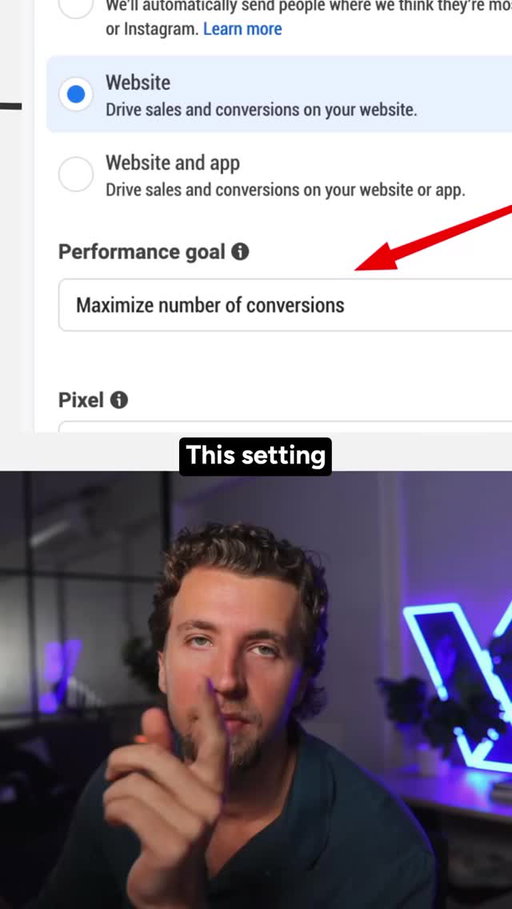
This Meta setting could be hurting your performance.
It’s called “Maximize number of conversions,” and it’s the default in most campaigns.
It sounds good, but it optimizes for the lowest CPA, not the most profit.
Here’s the issue when you sell multiple products:
Product A: hoodie ($90)
COGS: $21
CPA: $45
Profit: $24
Product B: t-shirt ($50)
COGS: $13
CPA: $25
Profit: $12
Both have the same ROAS (2x). But Meta will push spend to the t-shirt because it gets cheaper conversions.
Lower CPA wins, even if it makes you less money.
So you end up scaling the wrong product.
This happens a lot, especially when accounts include cheaper items like discounted products or add-ons. They absorb most of the budget because they convert cheaply.
But cheaper conversions don’t mean higher profit.
If you want to increase AOV and overall profit, switch to “Maximize conversion value.”
This tells Meta to prioritize higher-value purchases, not just cheaper ones.
Simple fix:
Go to campaign settings
Change to “Maximize conversion value”
When to use each:
Use “Maximize number of conversions” if you have one product, similar margins, or you only care about volume.
Use “Maximize conversion value” if you have multiple products, different price points, and care about profit.
The real mistake:
Most brands optimize for CAC instead of contribution profit.
Example:
$25 CAC, $50 AOV, $13 COGS = $12 profit
$45 CAC, $90 AOV, $21 COGS = $24 profit
Higher CAC, but double the profit.
Stop chasing the cheapest conversions.
Start optimizing for what actually makes you money.
85.7K
2.19K
20
7mo ago
nathan.perdriau
“The protein industry is broken.”
That’s the first line.
Contrarian.
Punchy.
Scroll-stopping.
And it works.
Here’s the structure behind this ad — and how to apply it to your brand.
1. Start with a market attack.
Not:
“Introducing our new protein snack…”
But:
“The protein industry is broken.”
You’re not selling a product.
You’re picking a fight.
2. Agitate the obvious pain.
“You want more muscle.
You need more protein.
But everything on the shelf is ultra-processed.”
He’s speaking directly to lifters.
Specific ICP.
Specific frustration.
Then he does something smart:
He attacks the alternatives.
“Beef jerky? Full of soy, sugar, low-quality meat.”
He’s reframing the whole category as flawed.
That widens dissatisfaction.
3. Introduce the clean solution.
“What if it was just steak, salt and spice?”
45g of protein.
No artificial ingredients.
Simple.
Clear.
Binary.
4. Layer in founder credibility.
Quit his job.
Posted daily for a year.
100k followers.
Shipping nationwide.
This isn’t a dropshipper.
It’s a mission.
5. Add scarcity at the end.
“I sell out all the time.
Right now, I’ve got stock.”
Only after belief is built.
Here’s the framework for $5M–$500M brands:
The Category Reframe Playbook:
* Open with a bold industry statement.
* Agitate the current options.
* Make alternatives look outdated.
* Present your product as the obvious correction.
* Add personal proof.
* Close with urgency.
This works because you’re not competing on features.
You’re redefining the rules.
Most brands say:
“Our product is better.”
The smart ones say:
“The whole category is wrong.”
If you can shift the conversation…
You control the buying criteria.
That’s leverage.
And leverage scales.
Nathan Perdriau (@nathan.perdriau) Instagram Stats & Analytics
Nathan Perdriau (@nathan.perdriau) has 60.0K Instagram followers with a 1.78% engagement rate over the past 12 months. Across 2.15K posts, Nathan Perdriau received 306K total likes and 17.6M impressions, averaging 142 likes per post. This page tracks Nathan Perdriau's performance metrics, top content, and engagement trends — updated daily. To benchmark @nathan.perdriau against other accounts, use Socialpruf's Instagram competitor analysis tool.
Nathan Perdriau (@nathan.perdriau) Instagram Analytics FAQ
How many Instagram followers does Nathan Perdriau have?+
Nathan Perdriau (@nathan.perdriau) has 60.0K Instagram followers as of October 2026.
What is Nathan Perdriau's Instagram engagement rate?+
Nathan Perdriau's Instagram engagement rate is 1.78% over the last 12 months, based on 2.15K posts.
How many likes does Nathan Perdriau get on Instagram?+
Nathan Perdriau received 306K total likes across 2.15K posts in the last 12 months, averaging 142 likes per post.
How many Instagram impressions does Nathan Perdriau get?+
Nathan Perdriau's Instagram content generated 17.6M total impressions over the last 12 months.
Can I compare Nathan Perdriau with other Instagram accounts?+
Yes. Add @nathan.perdriau to a competitor set with Socialpruf's Instagram competitor analysis tool and benchmark it side by side with any other public accounts on views, engagement rate and follower growth, with history back to each account's first post.