NewClaim a free social report
instagram analytics
Similar Accounts:
followers
1.02M
impressions
15.5M
likes
58.5K
comments
5.52K
posts
81
engagement
1.52%
emv
$332K
Average per post
191K

Key Metrics

Distributions

Top Content

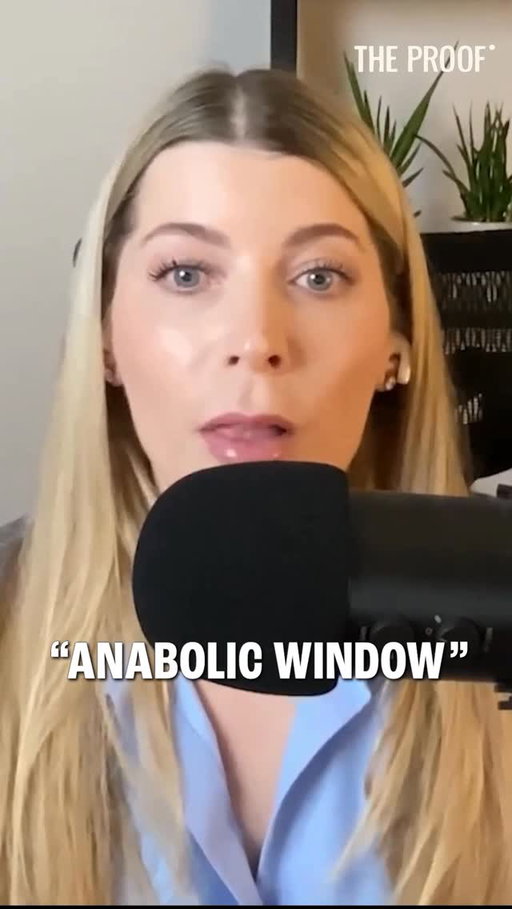
Run don’t walk. Episode with @drdawnmussallem out now on @theproof
757K
hidden
43
8mo ago
simonhill
Run don’t walk. Episode with @drdawnmussallem out now on @theproof
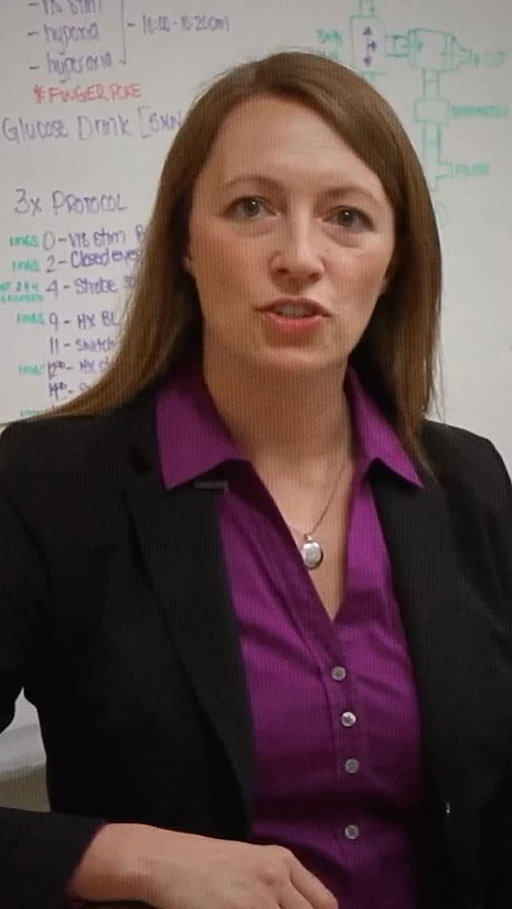
For 40 years, pregnant women have been told to stay below 140 beats per minute, avoid heavy lifting, and skip anything intense. The data does not support most of that.

In this episode, I sit down with exercise physiologist Dr Margie Davenport to walk through what the science actually shows about exercise during pregnancy and the postpartum period.
725K
hidden
111
3w ago
simonhill
For 40 years, pregnant women have been told to stay below 140 beats per minute, avoid heavy lifting, and skip anything intense. The data does not support most of that. In this episode, I sit down with exercise physiologist Dr Margie Davenport to walk through what the science actually shows about exercise during pregnancy and the postpartum period.
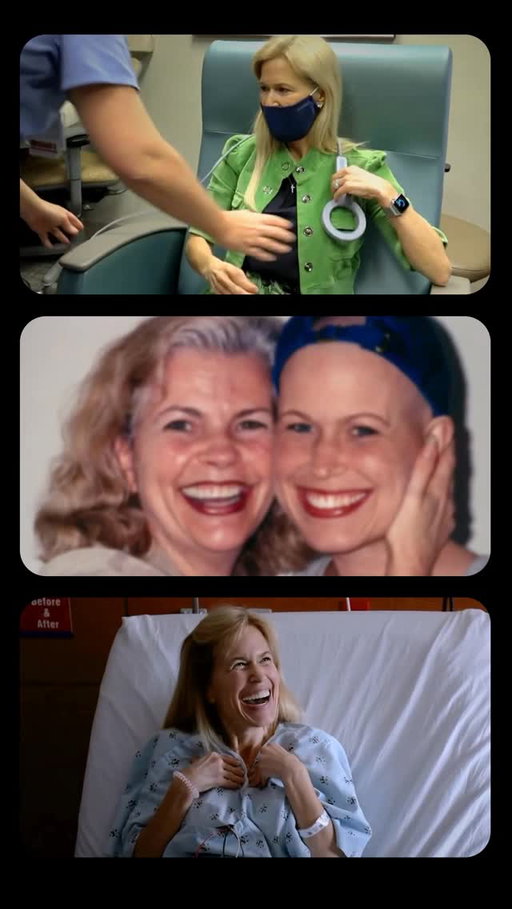
This weeks episode of @theproof is an incredibly important conversation for anyone wishing to live a long healthy life. Heart disease really should be a disease of the past. 

Joining me to walk us through cutting edge cardiac imaging is Dr Campbell Rogers.

Watch on YouTube or listen on Spotify/Apple podcasts - search ‘The Proof with Simon Hill’
592K
hidden
8
2d ago
simonhill
This weeks episode of @theproof is an incredibly important conversation for anyone wishing to live a long healthy life. Heart disease really should be a disease of the past. Joining me to walk us through cutting edge cardiac imaging is Dr Campbell Rogers. Watch on YouTube or listen on Spotify/Apple podcasts - search ‘The Proof with Simon Hill’
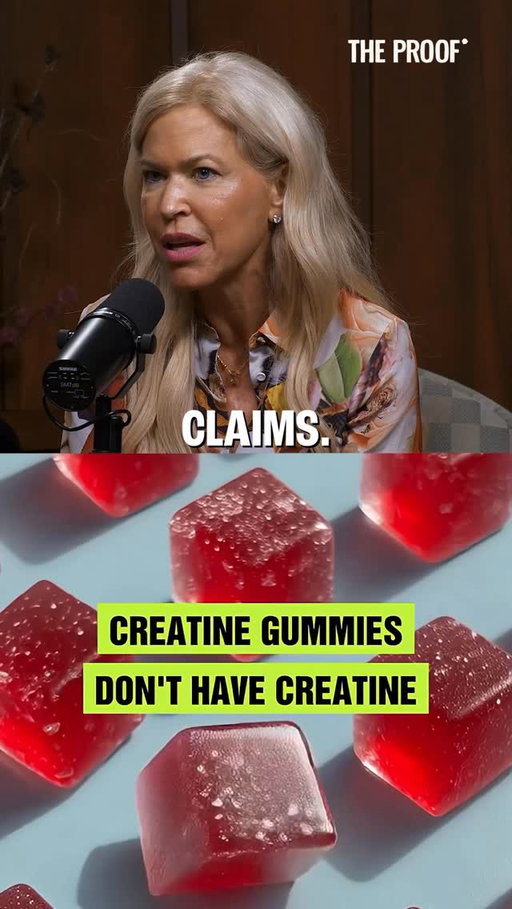
I’m a big proponent of strategic supplementation to complement a healthy diet. However, it’s no secret the supplement industry is under-regulated so we do need to be careful. 

Where possible I recommend buying supplements that are NSF certified and make their independent third party test results available to their customers on a PER BATCH basis. That way you know that what’s on the label is in the supplement you’re taking and nothing more. 

Clip from my episode with @drdawnmussallem on @theproof 

- Simon
581K
hidden
12
6mo ago
simonhill
I’m a big proponent of strategic supplementation to complement a healthy diet. However, it’s no secret the supplement industry is under-regulated so we do need to be careful. Where possible I recommend buying supplements that are NSF certified and make their independent third party test results available to their customers on a PER BATCH basis. That way you know that what’s on the label is in the supplement you’re taking and nothing more. Clip from my episode with @drdawnmussallem on @theproof - Simon
This week, I’m joined by Simon Hill (@simonhill), Bryan Johnson (@bryanjohnson_), Andrew Huberman (@hubermanlab), Matthew Walker (@drmattwalker) to explore why we’ve turned sleep—our most basic biological need—into something shameful.

The cost? Diminished creativity. Foggy thinking. Even a shrinking brain (seriously).

It’s time to question the mythology of exhaustion and reclaim rest as essential to showing up fully in our lives.

Episode 923. Now streaming.

✌🏼🌱 – Rich
552K
8.70K
158
11mo ago
simonhill
This week, I’m joined by Simon Hill (@simonhill), Bryan Johnson (@bryanjohnson_), Andrew Huberman (@hubermanlab), Matthew Walker (@drmattwalker) to explore why we’ve turned sleep—our most basic biological need—into something shameful. The cost? Diminished creativity. Foggy thinking. Even a shrinking brain (seriously). It’s time to question the mythology of exhaustion and reclaim rest as essential to showing up fully in our lives. Episode 923. Now streaming. ✌🏼🌱 – Rich
Do women adapt to exercise differently to men and thus need sex based training protocols? Topic of this weeks podcast with @drlaurencs1 

Watch on YouTube or listen on your preferred podcast app - just search The Proof with Simon Hill. 

- Simon
456K
hidden
5
7mo ago
simonhill
Do women adapt to exercise differently to men and thus need sex based training protocols? Topic of this weeks podcast with @drlaurencs1 Watch on YouTube or listen on your preferred podcast app - just search The Proof with Simon Hill. - Simon
Didn’t expect to get a needle into my brain hole this week…especially without anaestheisa. 

[Intratympanic injection for inflammation] 

More info to come 

😳
435K
hidden
171
11mo ago
simonhill
Didn’t expect to get a needle into my brain hole this week…especially without anaestheisa. [Intratympanic injection for inflammation] More info to come 😳
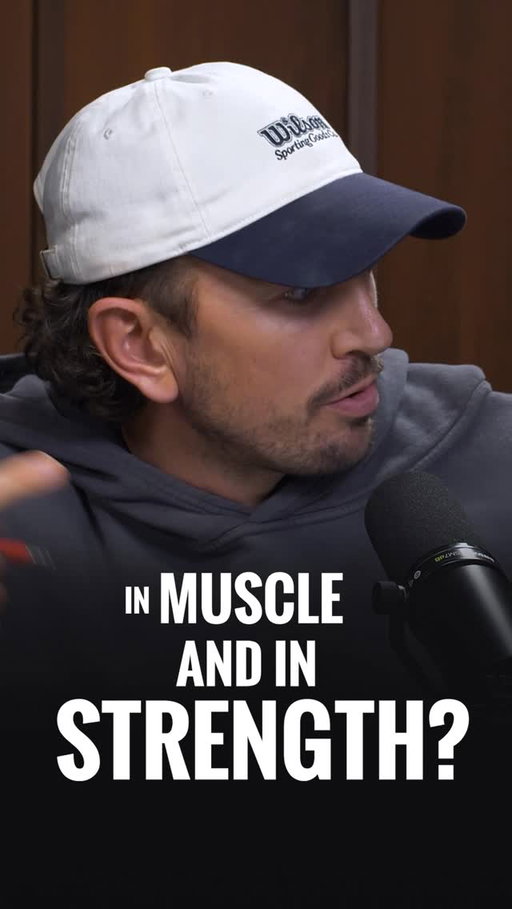
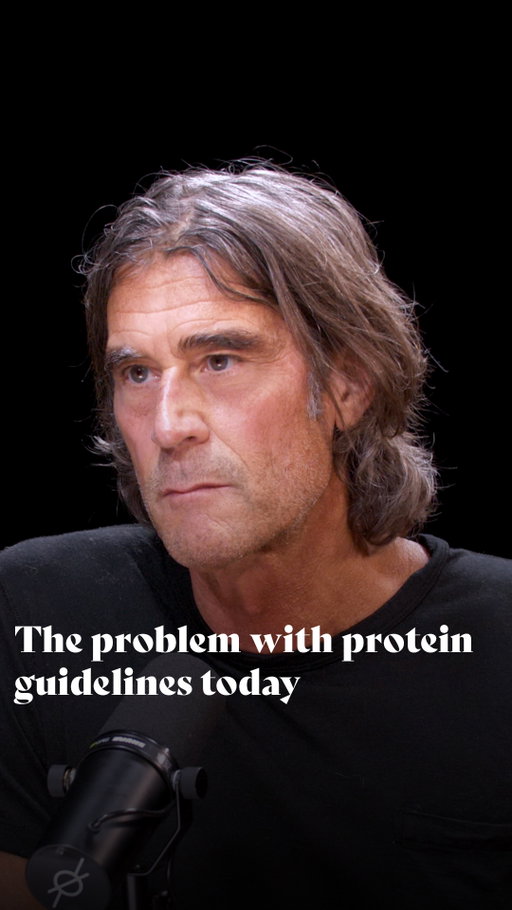
Protein pop-tarts. Protein ice cream. Protein cereal.

Everywhere you look, the food industry is cashing in on the protein craze. However, protein on its own does almost nothing for your muscle.

We know that protein is essential for supporting recovery, fueling your immune system, regulating hormones, and keeping your bones, skin, and hair strong. But if your goal is to build MUSCLE, protein alone won’t get you there. You have to lift weights.

Studies show that when you increase protein without resistance training, there’s no measurable benefit for muscle size or strength. Your body needs the training signal first, protein is just the raw material.

Think of it like putting all the ingredients for soup in a pot but never turning on the heat. Nothing happens.

That’s why strength training is the number one priority. Even modest amounts (8 to 12 reps to near failure, about 10 effective sets per muscle group each week) create the stimulus your body needs. Only then can protein do its job. 💪🏻

Drop a YES below for a link to this episode with @simonhill on The Dr. Hyman Show
431K
7.11K
269
10mo ago
simonhill
Protein pop-tarts. Protein ice cream. Protein cereal. Everywhere you look, the food industry is cashing in on the protein craze. However, protein on its own does almost nothing for your muscle. We know that protein is essential for supporting recovery, fueling your immune system, regulating hormones, and keeping your bones, skin, and hair strong. But if your goal is to build MUSCLE, protein alone won’t get you there. You have to lift weights. Studies show that when you increase protein without resistance training, there’s no measurable benefit for muscle size or strength. Your body needs the training signal first, protein is just the raw material. Think of it like putting all the ingredients for soup in a pot but never turning on the heat. Nothing happens. That’s why strength training is the number one priority. Even modest amounts (8 to 12 reps to near failure, about 10 effective sets per muscle group each week) create the stimulus your body needs. Only then can protein do its job. 💪🏻 Drop a YES below for a link to this episode with @simonhill on The Dr. Hyman Show
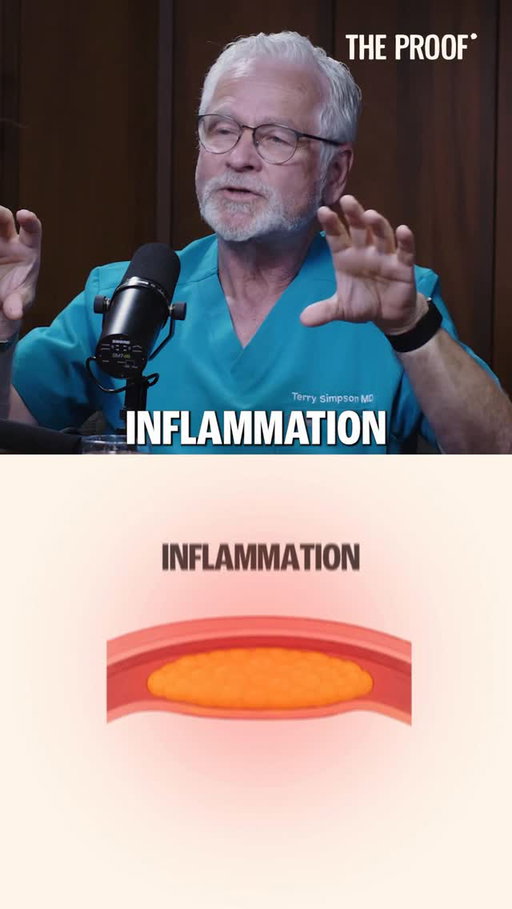
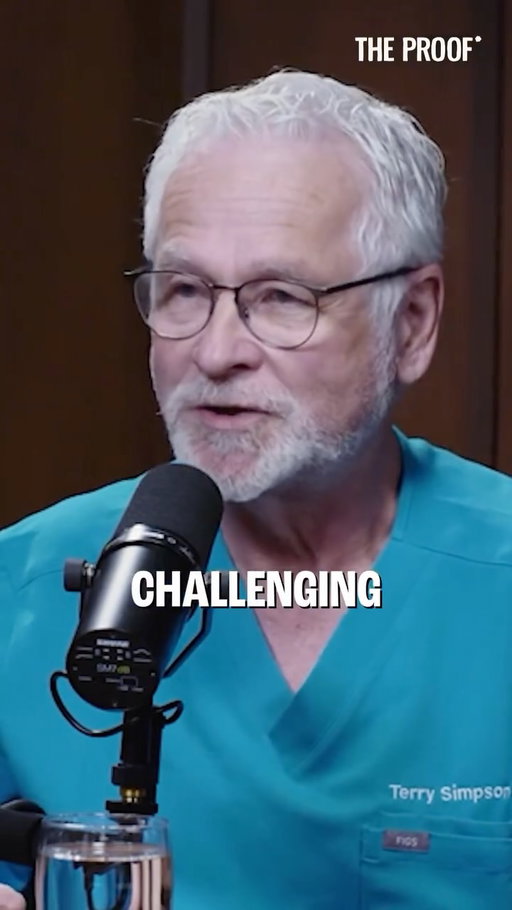
@drterrysimpsonmd on inflammation in the latest episode of @theproof 🙏🏼

Listen on all platforms - search The Proof with Simon Hill
378K
hidden
10
1mo ago
simonhill
@drterrysimpsonmd on inflammation in the latest episode of @theproof 🙏🏼 Listen on all platforms - search The Proof with Simon Hill
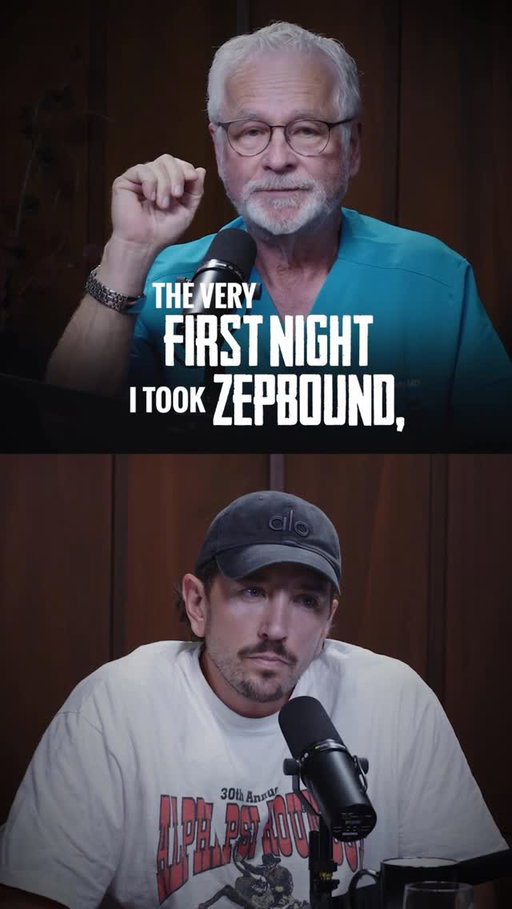
A lot of people think discipline and willpower is the missing link. If only someone could have more willpower they wouldn’t need a GLP-1. I asked @drterrysimpsonmd about this in the latest episode of @theproof.

Listen now on YouTube, Spotify or Apple Podcasts.
356K
hidden
30
1mo ago
simonhill
A lot of people think discipline and willpower is the missing link. If only someone could have more willpower they wouldn’t need a GLP-1. I asked @drterrysimpsonmd about this in the latest episode of @theproof. Listen now on YouTube, Spotify or Apple Podcasts.
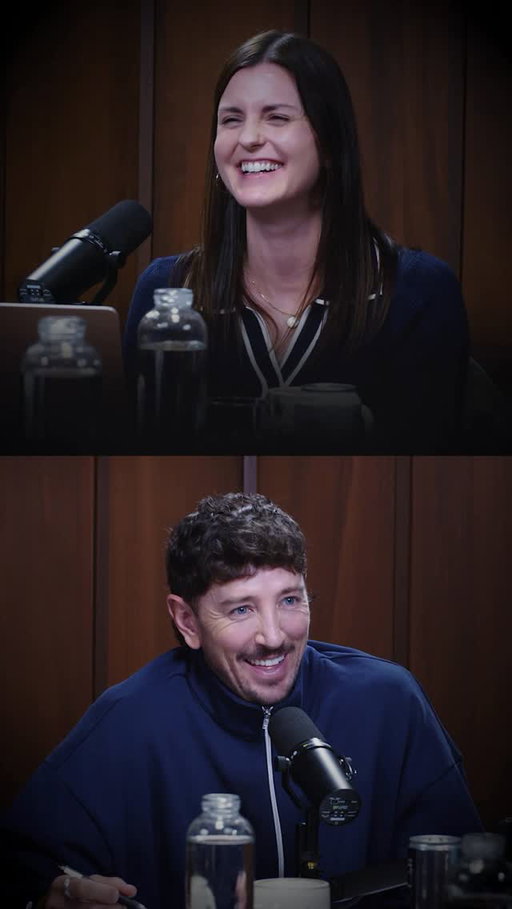
My guest today is Dr. Terry Simpson — A board-certified surgeon who’s lost 45 lbs on a GLP-1 — has a lot to say about who’s lying to you online.

Dr Terry Simpson has spent a career operating on the downstream consequences of bad health advice. In this episode we go straight at the misinformation patterns dominating health social media right now: how GLP-1s actually work and why “just eat less” misses the point, the muscle-loss conversation, the unregulated peptide market, LDL cholesterol denialism and plenty more. 

Terry doesn’t hedge, and he names names. But this isn’t outrage for its own sake – it’s a clear-eyed look at how to tell credible science from a confident-sounding sales pitch.

I know you’ll get a lot from this one.

🎧 Out now, Episode 421 of The Proof with Simon Hill – link in bio.
337K
hidden
60
1mo ago
simonhill
My guest today is Dr. Terry Simpson — A board-certified surgeon who’s lost 45 lbs on a GLP-1 — has a lot to say about who’s lying to you online. Dr Terry Simpson has spent a career operating on the downstream consequences of bad health advice. In this episode we go straight at the misinformation patterns dominating health social media right now: how GLP-1s actually work and why “just eat less” misses the point, the muscle-loss conversation, the unregulated peptide market, LDL cholesterol denialism and plenty more. Terry doesn’t hedge, and he names names. But this isn’t outrage for its own sake – it’s a clear-eyed look at how to tell credible science from a confident-sounding sales pitch. I know you’ll get a lot from this one. 🎧 Out now, Episode 421 of The Proof with Simon Hill – link in bio.
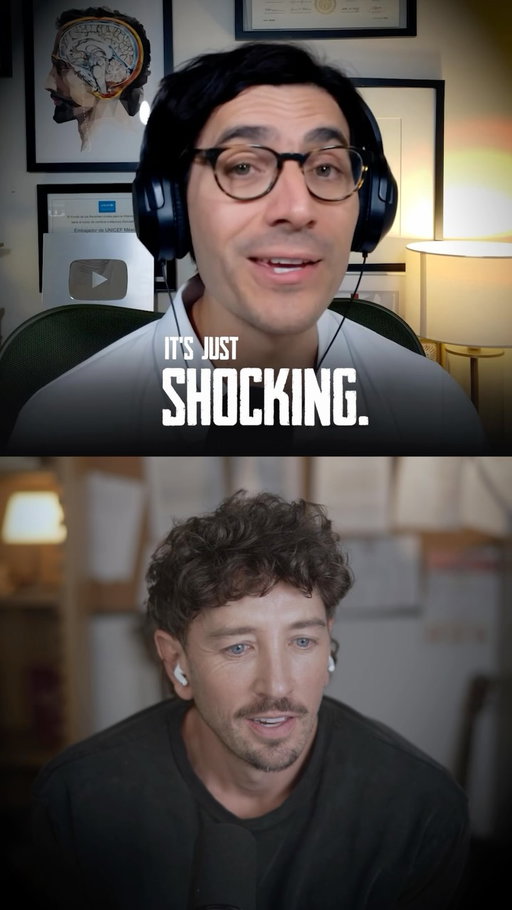
Dr Andrea Glenn is an Assistant Professor at NYU and a Visiting Scientist at Harvard. She’s a registered dietitian. And in this conversation, we cut through the noise on the questions you actually care about:

→ Are seed oils harming you, or are they protective?

→ Is butter “back,” or did the science never say what the influencers claimed?

→ Are low-carb diets the answer for diabetes, or do they make it worse depending on what you eat?

→ What does 30 years of cohort data actually show about the diets that protect against heart disease?

→ And how did the new American Heart Association guidance just publicly break with the Federal Dietary Guidelines on salt and red meat?

We also get into the diet that’s been shown to lower LDL cholesterol nearly as much as a low-dose statin — and the trial that’s about to test whether it actually prevents heart attacks.
This is the conversation for anyone who’s tired of being told what to eat by someone with a microphone and a strong opinion. The stakes couldn’t be higher. The conversation online has never been more confused. Today we cut through it.

🎧 Episode 416 — out now.

Search “The Proof with Simon Hill” on YouTube, Apple Podcasts, or Spotify and look for Episode 416 with Dr Andrea Glenn.

Save this post and share it with someone who needs to hear this.

#TheProof #NutritionScience #PortfolioDiet #HeartHealth #SeedOils
333K
hidden
19
2mo ago
simonhill
Dr Andrea Glenn is an Assistant Professor at NYU and a Visiting Scientist at Harvard. She’s a registered dietitian. And in this conversation, we cut through the noise on the questions you actually care about: → Are seed oils harming you, or are they protective? → Is butter “back,” or did the science never say what the influencers claimed? → Are low-carb diets the answer for diabetes, or do they make it worse depending on what you eat? → What does 30 years of cohort data actually show about the diets that protect against heart disease? → And how did the new American Heart Association guidance just publicly break with the Federal Dietary Guidelines on salt and red meat? We also get into the diet that’s been shown to lower LDL cholesterol nearly as much as a low-dose statin — and the trial that’s about to test whether it actually prevents heart attacks. This is the conversation for anyone who’s tired of being told what to eat by someone with a microphone and a strong opinion. The stakes couldn’t be higher. The conversation online has never been more confused. Today we cut through it. 🎧 Episode 416 — out now. Search “The Proof with Simon Hill” on YouTube, Apple Podcasts, or Spotify and look for Episode 416 with Dr Andrea Glenn. Save this post and share it with someone who needs to hear this. #TheProof #NutritionScience #PortfolioDiet #HeartHealth #SeedOils
If you’re looking to gain weight here’s a few things I recommend focussing on:

1- Increasing your calories with calorie dense whole or minimally processed foods/meals (avocado, nuts, seeds, and non-tropical plant oils are great for this). 

2- Ensure protein intake is at least 1.2-1.6g per kg of body weight (ideal body weight). 

3- Complete resistance training 2-3 x per week as a minimum.

For more details checkout Episode 369 of @theproof 

- Simon
331K
hidden
13
11mo ago
simonhill
If you’re looking to gain weight here’s a few things I recommend focussing on: 1- Increasing your calories with calorie dense whole or minimally processed foods/meals (avocado, nuts, seeds, and non-tropical plant oils are great for this). 2- Ensure protein intake is at least 1.2-1.6g per kg of body weight (ideal body weight). 3- Complete resistance training 2-3 x per week as a minimum. For more details checkout Episode 369 of @theproof - Simon
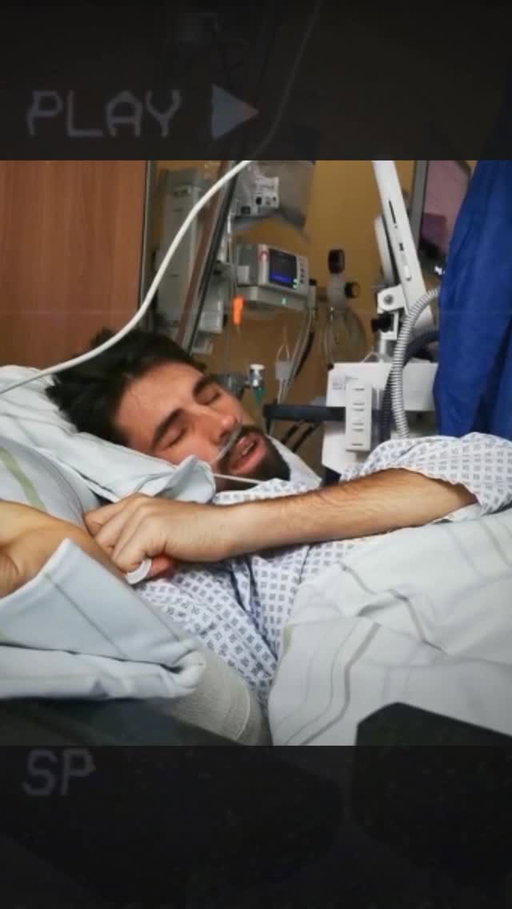
This is one of the most important episodes I’ve recorded to date.

We have spent decades treating the number on the scale as the goal. @dr.mauriciogonzalez argues it was never the right target.

A triple board-certified physician and endocrinology fellow, Dr Mau makes a striking case from the clinic: the latest GLP-1 data show it isn’t how much weight you lose that matters, but how much liver fat you lose. As he puts it, we no longer go by pounds, figure, or body type – we go by metabolic organ health.

We get into what that shift means for how you track your health, how GLP-1 medications fit in, and where all sides of the diet wars get it wrong.

Listen now on YouTube, Spotify, and Apple Podcasts.
315K
hidden
41
2w ago
simonhill
This is one of the most important episodes I’ve recorded to date. We have spent decades treating the number on the scale as the goal. @dr.mauriciogonzalez argues it was never the right target. A triple board-certified physician and endocrinology fellow, Dr Mau makes a striking case from the clinic: the latest GLP-1 data show it isn’t how much weight you lose that matters, but how much liver fat you lose. As he puts it, we no longer go by pounds, figure, or body type – we go by metabolic organ health. We get into what that shift means for how you track your health, how GLP-1 medications fit in, and where all sides of the diet wars get it wrong. Listen now on YouTube, Spotify, and Apple Podcasts.
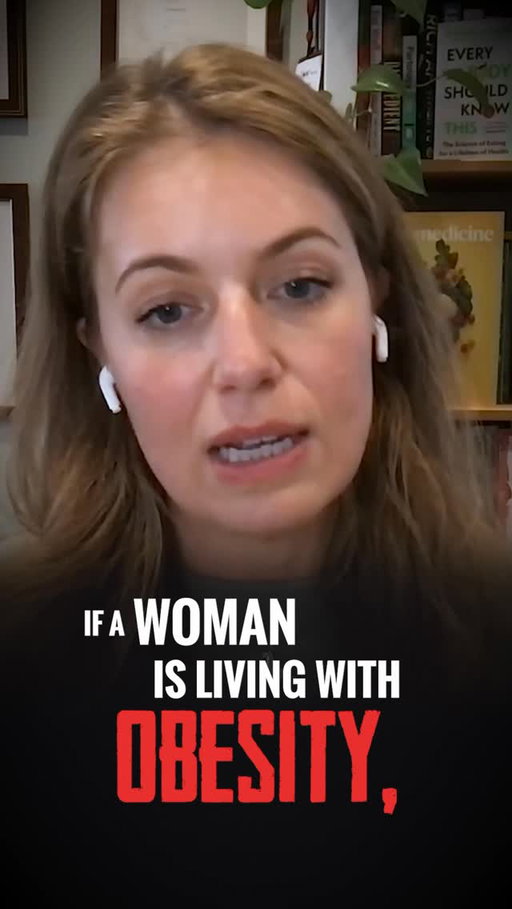
In this weeks episode of @theproof I sit down with @axelschura . His new book “Maybe This Is Happening For You, Not To You” explores how fear and pain can become pathways to growth. We talk about turning hardship into purpose, reframing problems as challenges and finding meaning in adversity.

Watch on YouTube or listen on Spotify/Apple podcasts - just search The Proof with Simon Hill. 

Simon
309K
hidden
41
8mo ago
simonhill
In this weeks episode of @theproof I sit down with @axelschura . His new book “Maybe This Is Happening For You, Not To You” explores how fear and pain can become pathways to growth. We talk about turning hardship into purpose, reframing problems as challenges and finding meaning in adversity. Watch on YouTube or listen on Spotify/Apple podcasts - just search The Proof with Simon Hill. Simon
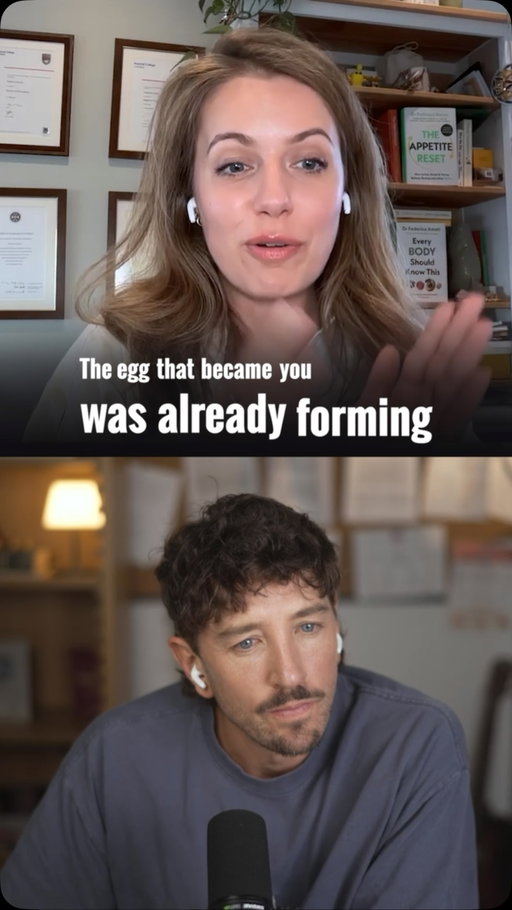
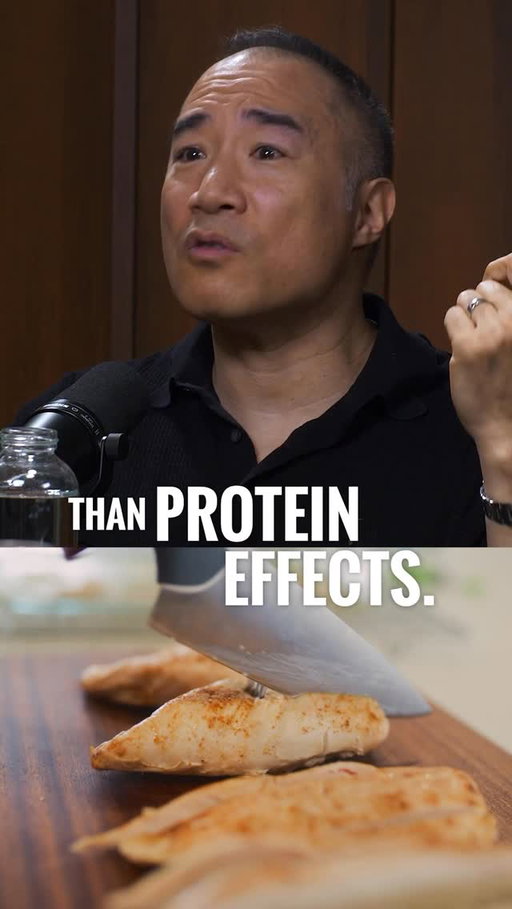
Most of the GLP-1 conversation is still about the drugs, not the biology they operate within. What are three types of hunger? What are the four phases of satiety? And what does “prehab” actually mean before starting medication? In EP422, I sat down with Dr Federica Amati (@dr.fede.amati), Head Nutritionist at ZOE and author of The Appetite Reset, to unpack the science of appetite for everyone, on or off medication. Comment ‘422’ and the episode link will be sent right to your inbox. Listen now on YouTube, Spotify, and Apple Podcasts.
308K
1.04K
0
1mo ago
simonhill
Most of the GLP-1 conversation is still about the drugs, not the biology they operate within. What are three types of hunger? What are the four phases of satiety? And what does “prehab” actually mean before starting medication? In EP422, I sat down with Dr Federica Amati (@dr.fede.amati), Head Nutritionist at ZOE and author of The Appetite Reset, to unpack the science of appetite for everyone, on or off medication. Comment ‘422’ and the episode link will be sent right to your inbox. Listen now on YouTube, Spotify, and Apple Podcasts.
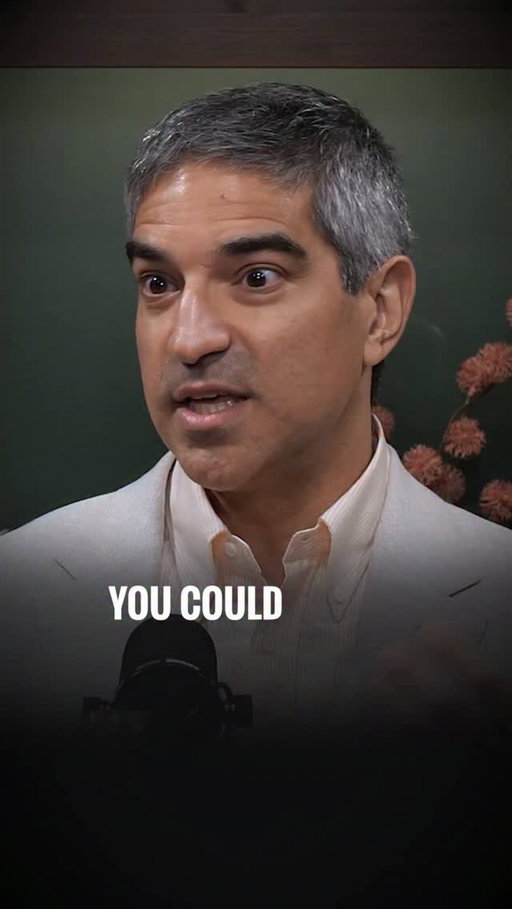
This week’s episode is a 3.5 hour deep dive on the importance of muscle for healthy aging with two guests who need no introduction -  @bradschoenfeldphd & @thealanaragon. 

Critically not only do we cover how muscle changes as we get older but what we can do to enhance this aspect of our health with both exercise and nutrition. 

I have to say this was a real treat for me to have this time with these two gents. You’re in for a real treat. 

You can watch in 4K on YouTube or listen on your favourite podcast app. To find it search ‘The Proof with Simon Hill’.

Love to hear your thoughts, questions and/or feedback in the comments. 

- Simon 🙏🏼
304K
hidden
55
4mo ago
simonhill
This week’s episode is a 3.5 hour deep dive on the importance of muscle for healthy aging with two guests who need no introduction - @bradschoenfeldphd & @thealanaragon. Critically not only do we cover how muscle changes as we get older but what we can do to enhance this aspect of our health with both exercise and nutrition. I have to say this was a real treat for me to have this time with these two gents. You’re in for a real treat. You can watch in 4K on YouTube or listen on your favourite podcast app. To find it search ‘The Proof with Simon Hill’. Love to hear your thoughts, questions and/or feedback in the comments. - Simon 🙏🏼
There’s a lot of noise online about how women should train.

Zone 2 vs HIIT.
Heavy lifting vs Pilates.
Hormones, cortisol, fat loss, menopause…

But what does the actual science say?

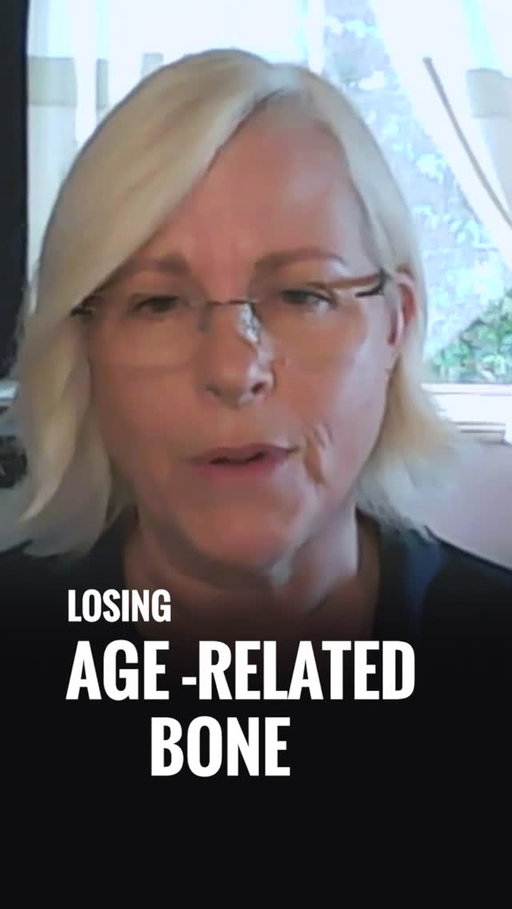
In this episode, I’m joined by exercise scientists Alyssa Olenick and Lauren Colenso‑Semple to break down what really matters when it comes to training for health, longevity, and body composition.

We cover:

• How women should approach strength training
• Cardio myths (Zone 2, HIIT and fat loss)
• Whether women should train differently from men
• The biggest misinformation online right now

If you want a clear, evidence-based framework for training, this one’s for you.

🎧 Full episode out now on The Proof
301K
hidden
53
4mo ago
simonhill
There’s a lot of noise online about how women should train. Zone 2 vs HIIT. Heavy lifting vs Pilates. Hormones, cortisol, fat loss, menopause… But what does the actual science say? In this episode, I’m joined by exercise scientists Alyssa Olenick and Lauren Colenso‑Semple to break down what really matters when it comes to training for health, longevity, and body composition. We cover: • How women should approach strength training • Cardio myths (Zone 2, HIIT and fat loss) • Whether women should train differently from men • The biggest misinformation online right now If you want a clear, evidence-based framework for training, this one’s for you. 🎧 Full episode out now on The Proof
Do soy foods increase risk of man boobs or breast cancer? 

Soy doesn’t negatively affect male hormones: PMID: 33383165

And while not definitive, research suggests soy foods may be beneficial for breast cancer prognosis and may lower risk of breast cancer development in pre and post menopausal women PMID: 35241506

And a recent 2025 statement from the American Cancer Society “In fact, there’s growing evidence that eating soy foods such as tofu, tempeh, edamame, and miso and drinking soy milk may lower the risk of breast cancer, especially among Asian women. Soy foods are an excellent source of protein. Soy protein is especially good when it replaces other, less healthy foods, such as those high in animal fat and red or processed meats. Soy foods have also been linked to lower rates of heart disease and may even help lower cholesterol.

For cancer prevention, the American Cancer Society does not recommend soy supplements. Instead, the recommendation is to consume nutrients through whole foods. Soy supplements can contain much higher amounts of isoflavones than are naturally found in foods. More research on soy supplements is needed to understand their effect on health.”
279K
hidden
55
11mo ago
simonhill
Do soy foods increase risk of man boobs or breast cancer? Soy doesn’t negatively affect male hormones: PMID: 33383165 And while not definitive, research suggests soy foods may be beneficial for breast cancer prognosis and may lower risk of breast cancer development in pre and post menopausal women PMID: 35241506 And a recent 2025 statement from the American Cancer Society “In fact, there’s growing evidence that eating soy foods such as tofu, tempeh, edamame, and miso and drinking soy milk may lower the risk of breast cancer, especially among Asian women. Soy foods are an excellent source of protein. Soy protein is especially good when it replaces other, less healthy foods, such as those high in animal fat and red or processed meats. Soy foods have also been linked to lower rates of heart disease and may even help lower cholesterol. For cancer prevention, the American Cancer Society does not recommend soy supplements. Instead, the recommendation is to consume nutrients through whole foods. Soy supplements can contain much higher amounts of isoflavones than are naturally found in foods. More research on soy supplements is needed to understand their effect on health.”
In today’s episode of @theproof I sat down with Dr Raymond Townsend (Nephrologist and Professor) to talk about all things blood pressure. 

My favourite thing about having a podcast is getting career scientists on the show who do not have a platform and are not on the podcast circuit. This conversation is a beautiful example of that.  No nonsense science from an expert who isn’t interested in social media algorithms and online engagement. In fact, this is his first ever podcast. 

This episode is part 1 of our conversation with part 2 out next week. 

Available on YouTube and anywhere else you find podcasts. 

Please enjoy

- Simon
269K
hidden
15
9mo ago
simonhill
In today’s episode of @theproof I sat down with Dr Raymond Townsend (Nephrologist and Professor) to talk about all things blood pressure. My favourite thing about having a podcast is getting career scientists on the show who do not have a platform and are not on the podcast circuit. This conversation is a beautiful example of that. No nonsense science from an expert who isn’t interested in social media algorithms and online engagement. In fact, this is his first ever podcast. This episode is part 1 of our conversation with part 2 out next week. Available on YouTube and anywhere else you find podcasts. Please enjoy - Simon

Simon J Hill, MSc, BSc (@simonhill) Instagram Stats & Analytics

Simon J Hill, MSc, BSc (@simonhill) has 1.02M Instagram followers with a 1.52% engagement rate over the past 12 months. Across 81.0 posts, Simon J Hill, MSc, BSc received 58.5K total likes and 15.3M impressions, averaging 723 likes per post. This page tracks Simon J Hill, MSc, BSc's performance metrics, top content, and engagement trends — updated daily.

Simon J Hill, MSc, BSc (@simonhill) Instagram Analytics FAQ

How many Instagram followers does Simon J Hill, MSc, BSc have?+
Simon J Hill, MSc, BSc (@simonhill) has 1.02M Instagram followers as of July 2026.
What is Simon J Hill, MSc, BSc's Instagram engagement rate?+
Simon J Hill, MSc, BSc's Instagram engagement rate is 1.52% over the last 12 months, based on 81.0 posts.
How many likes does Simon J Hill, MSc, BSc get on Instagram?+
Simon J Hill, MSc, BSc received 58.5K total likes across 81.0 posts in the last 12 months, averaging 723 likes per post.
How many Instagram impressions does Simon J Hill, MSc, BSc get?+
Simon J Hill, MSc, BSc's Instagram content generated 15.3M total impressions over the last 12 months.