
Key Metrics
Distributions
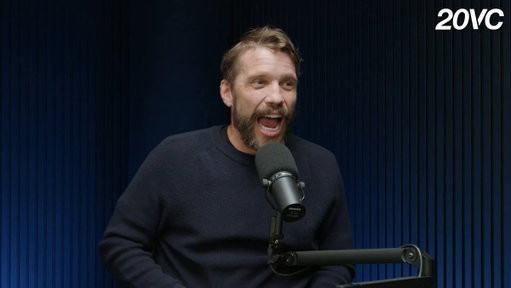


I have spoken to 3 founders in the last 48 hours; all of them with 500-1,000 employees. Each of them is planning a minimum 20% headcount reduction. Said with great concern; this is about to get very real for labour markets.
The single best follow in tech on X right now is @nikesharora. One of the best operators of our time spewing wisdom on a daily basis.
This is for everyone who has a dream that simply seems out of reach. 11 years ago I started 20VC as an 18 year old in a bedroom in London. I didn’t know a single VC and had no money. I wrote down the names of three legends of the venture world. I have had two on the show previously and today I complete the list that 18 year old boy made. This was 11 years, 3,000 shows, 3,750 hours, in the making. Never give up, never doubt yourself, stay focused, row your own race. It will come through. Welcoming Marc Andreesen to 20VC today. (Links in comments)
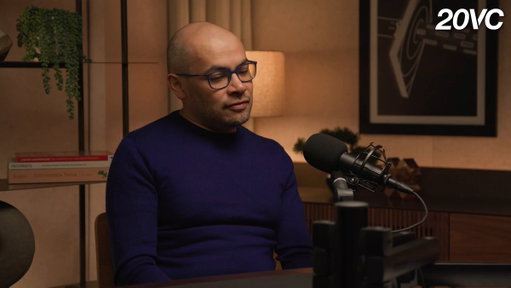
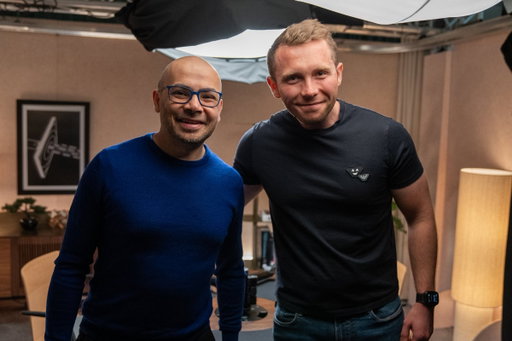
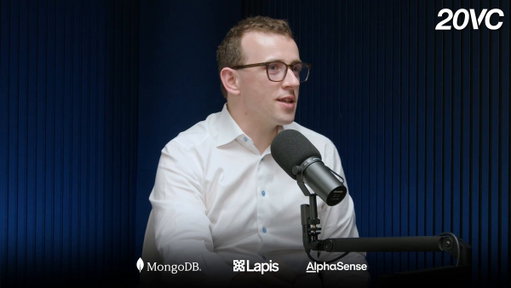
I have invested $200M into the UK in the last five years. If @RachelReevesMP implements “Exit Tax” all that funding will go overnight. That is countless jobs, companies and people who will lose out. Rachel, you have managed to steal our hopes, our dreams even our growth, don’t take our freedom also. @Dom_Hallas 🙏 for his work here 👇 t.co/Z7pfrcdWjC
Every single dev and product team I speak to in the last 30 days has moved from Cursor to Claude Code. 1. Is this permanent? 2. If so, what happens to Cursor?
Adam Foroughi is by far one of the best CEOs I have ever interviewed. Candidly he is insanely stern and cold but also obsessive, focused and utterly brilliant. With Adam there is zero fluff, like none. He says what he means and means what he says. Applovin does $10M EBITDA per head. They have 80%+ margins. They do $5.48BN in revenue. No business on the planet has numbers like Applovin. Following the discussion, I wrote up my biggest lessons from sitting down with him and summarised them below: 1. Are People Ready for the AI Future That Is Within Every Company? True AI integration requires a massive "leveling up" of talent. Companies must be honest about the path forward: keeping employees who fail to adopt AI creates a "blockade" to reaching a truly AI-native state. Consequently, we should expect continued tech layoffs as organizations prioritize efficiency over legacy headcount. 2. Biggest Advice on Token Budgeting and Token Maxing? Treating tokens as a simple budget or leaderboard is "flawed logic". If you incentivize raw usage, teams will simply create high-volume "crap" that burns capital without driving revenue. Instead, optimize for specific KPIs where token consumption aligns directly with business growth; when revenue is on the other side, the "budget" mindset disappears. 3. Can You Have a Team Full of Only A Players? An organization cannot thrive if A players are surrounded by B, C, or D players. AppLovin slimmed its HR department from 80 people to 15 by retaining only "doers" who don't get bogged down in the process. The goal is a lean culture of individual contributors who want to make a difference without needing heavy management layers. 4. Do the Majority of Company Teams Need to Be Rebuilt for the Technology We Have Today? If a role is likely to be automated, or if a department is too slow to adopt AI, it is time to rebuild that organization from the ground up. Foroughi cut staff by 40-50% in most departments during a year of triple-digit growth to force the organization into an automated, efficient state. 5. Why Investors Need to Give Ceos Better Comp Packages Founders take massive risks to build something out of nothing, and they need continued upside to stay mentally motivated. If a CEO is expected to work without performance-based incentives, they may drift toward new ventures rather than staying committed to the "lonely, stressful" task of scaling a public company. 6. Why This $160 Billion Company Does Not Have Any Learning and Development Structured L&D is often disconnected from the reality of high-performance work. The best employees are curious enough to figure things out on their own. By documenting all communication in transcripts and chats, new hires can use AI models to summarize tribal knowledge and develop themselves more effectively than any formal training program. (links below)
Venture investors are going through an existential crisis. If you are not in the OpenAI, Anthropic, Cursor, Mercor etc etc you do not fricking matter.
I have never met a top-performing CEO who likes the role of HR. They are here to slow us down and instill meaningless process.
I repeat, Paul is the most analytical VC in Europe and this is a must read 👇
Warning: this is a slightly soppy post! I first met Julien Bek 8 years ago. It was my first week at Atomico and his first week at Accel. We instantly became friends. We both have parents with chronic illnesses and I think that bonded us early on. I saw what a truly good human he is. That was very clear. Over the next 8 years, he has become one of the best investors in Europe. He is a Partner at Sequoia. He has led early rounds in bangers like Rillet and Tacto. Despite all the success, he is one of the kindest people I know. He is an incredible son, and it makes me so proud and happy to see him become a Dad. This was one of the most special shows I have done, uncovering the magic behind what makes Sequoia one of the best firms in the world. Huge thanks to @DeanMeyerrr, @gradypb, @Konstantine, @shaunmmaguire, @dougleone, @nataliemiyake, @Bryce_Keane, @LucianaLix, @_georgerobson for helping to make this such a special one. My notes below with @JulienBek. 1. What Everyone Thinks They Know About Sequoia but Actually Gets Wrong Outsiders assume Sequoia sits back and waits for the hottest deals to come to them. In reality, every partner operates as a relentless hunter. Each person is expected to perform individually while working as a team to win the most competitive deals. 2. How Sequoia Came to Be the First Ambassador in Citadel Sequoia won Citadel Securities’ first outside capital round because partner Constantine built a relationship with Ken Griffin that began when Constantine was a student. Years of persistence, mentorship, and trust ultimately beat transactional dealmaking. 3. The Biggest Takeaway From Every Sequoia Offsite Decades of legendary returns show that financial engineering and ownership tweaks do not drive top-tier performance. The common thread behind Sequoia’s greatest investments is much simpler: a sponsoring partner with extraordinary conviction. 4. Why Sequoia Is Experimenting With Different Types of Decision-Making Live IC meetings are great for fast debate, but Sequoia is incorporating asynchronous written memos to encourage slower, more deliberate thinking. Combining documented reflection with live discussion helps expose blind spots and improve investment decisions. 5. Why Sequoia Is Not Less Ownership-Centric Than Ever Targeting high ownership reflects the scarcity of a partner’s time. An investor can realistically serve on only around 20 boards over a career. Deep, hands-on company building becomes impossible when attention is diluted across hundreds of tiny 2% positions. 6. Lesson From Don Valentine on Founder Selection Don Valentine’s matrix of “founders you like” versus “founders who make money” shows that likability does not determine returns. Even arrogance can be the byproduct of an exceptional strength. Investors should focus on whether that defining spike creates a genuine competitive advantage. 7. The Biggest Lesson From Doug Leone To uncover the truth in reference checks, use Doug Leone’s technique: ask for a founder’s best reference, then immediately ask, “Who would be your worst reference, and why?” Watching how their composure shifts can reveal far more about self-awareness and operating style. (links in comments)
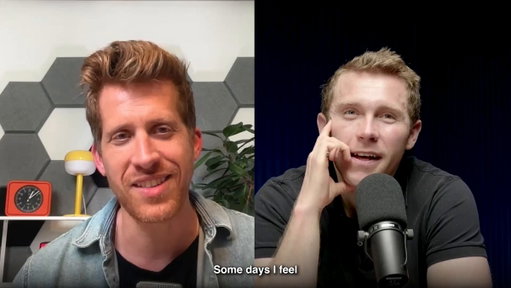

There is a very ugly truth that I think we are lying to ourselves about. 99% of startups today cannot even hire B-tier talent. The might of Anthropic, OpenAI, and the hottest of hot companies are sucking up all the A*, A, and B talent. Single greatest problem for every founder today is acquiring and retaining talent, without a doubt.
Getting a job in venture capital is incredibly simple. 1. Choose three VC partners that you like and would want to work for. 2. Study the type and stage of company they like. 3. Send them one company every other day that fits their stage and thesis. Provide one line on why it is interesting. 4. Do this for 60 days and 100% guarantee you will have a job offer. Show the freemium version of yourself.
I just interviewed a CEO who said three things that blew my mind: 1. We replaced our $600K Salesforce contract with a vibe-coded CRM, built within 3 weeks. 2. We will get rid of 80% of the SaaS we use internally. 3. If Anthropic doubled pricing, we would not change usage in any way.
Harry Stebbings (@harrystebbings) X Stats & Analytics
Harry Stebbings (@harrystebbings) has 705K X followers with a 0.32% engagement rate over the past 12 months. Across 2.57K posts, Harry Stebbings received 220K total likes and 80.1M impressions, averaging 85.7 likes per post. This page tracks Harry Stebbings's performance metrics, top content, and engagement trends — updated daily. To benchmark @harrystebbings against other accounts, use Socialpruf's X competitor analysis tool.