NewClaim a free social report



instagram analytics
Similar Accounts:
instagram analytics
Similar Accounts:
followers
310K
impressions
216M
likes
863K
comments
50.3K
posts
2.69K
engagement
1.64%
emv
$4.61M
Average per post
80.5K
Key Metrics
Impressions
monthly
Distributions
Content

6.32M
153K
937
1mo ago

ceobeingceo
The “glass of water” analogy captures a powerful truth about stress, performance, and mental clarity. The weight of the glass doesn’t change, but the longer you hold it, the heavier it feels. In the same way, problems, worries, and pressure in life and business don’t just impact you based on their size, but on how long you carry them without letting go.
From an entrepreneurship and high performance perspective, this is critical. Founders, operators, and builders constantly deal with uncertainty, decisions, and pressure. The mistake isn’t having stress, it’s holding onto it for too long. When you keep replaying problems without action or release, it drains focus, slows execution, and compounds fatigue.
In business and personal growth, the real skill is learning when to engage and when to reset. Address the problem, take action where possible, and then mentally put it down. This is what allows consistent performance over long periods, instead of burnout from carrying everything at once.
The takeaway is simple: it’s not the weight that breaks you, it’s how long you hold it. Let go, reset, and come back stronger.
Follow (us) @ceobeingceo for more!!
6.27M
hidden
222
1mo ago
ceobeingceo
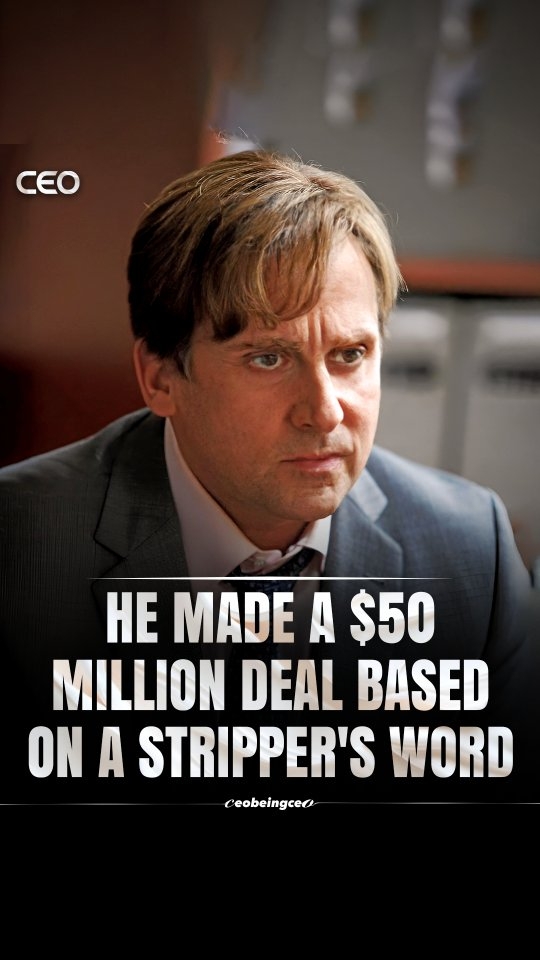
When regular people start casually taking on massive financial leverage without understanding the risks, a crash is imminent. In The Big Short, a hedge fund manager realizes the housing market is a giant bubble after a stripper reveals she owns five houses on adjustable-rate mortgages she won't be able to afford.
During a conversation at a strip club, Mark Baum explains to a dancer that her monthly mortgage payments could jump 200-300%. Panicked, she asks if he means the payments on all her loans. Mark assumes she means two loans on a single house, but she corrects him: she owns five houses. That single conversation confirms Mark’s suspicions. He immediately calls his team, declares "there's a bubble," and orders them to buy $50 million in swaps to short the housing market.
Real market intelligence rarely comes from financial models or Wall Street reports; it comes from watching how everyday people interact with money on the ground. When the fundamentals disconnect entirely from reality, the boldest move is betting against the madness.
Follow (us) @ceobeingceo for more!!
#TheBigShort #HousingCrash #FinanceMovies #wealth #financialfreedom
5.39M
hidden
227
4mo ago
ceobeingceo
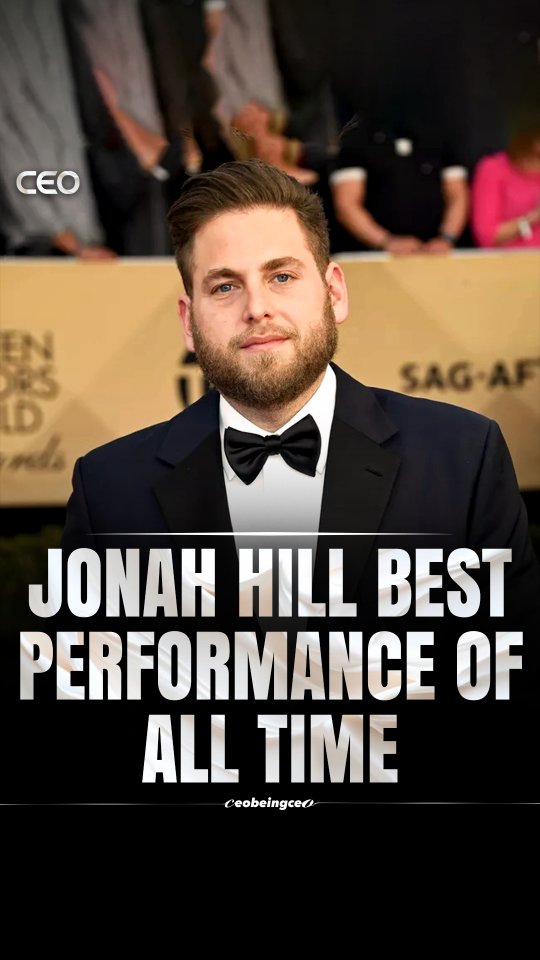
This MIIIIGHT be my favorite Jonah Hill performance of all time 🫣
What do you think of this performance in this film?
Movie: War Dogs (2016)
Distributed by: Warner Bros. Pictures
Directed by: Todd Phillips
Production companies: RatPac-Dune Entertainment, Joint Effort, The Mark Gordon Company
Music: Runaway by Kanye West
Label: Roc-A-Fella Records, Def Jam Recordings.
Follow (us) @ceobeingceo for more!!
ST 1
3.84M
hidden
147
1mo ago
ceobeingceo
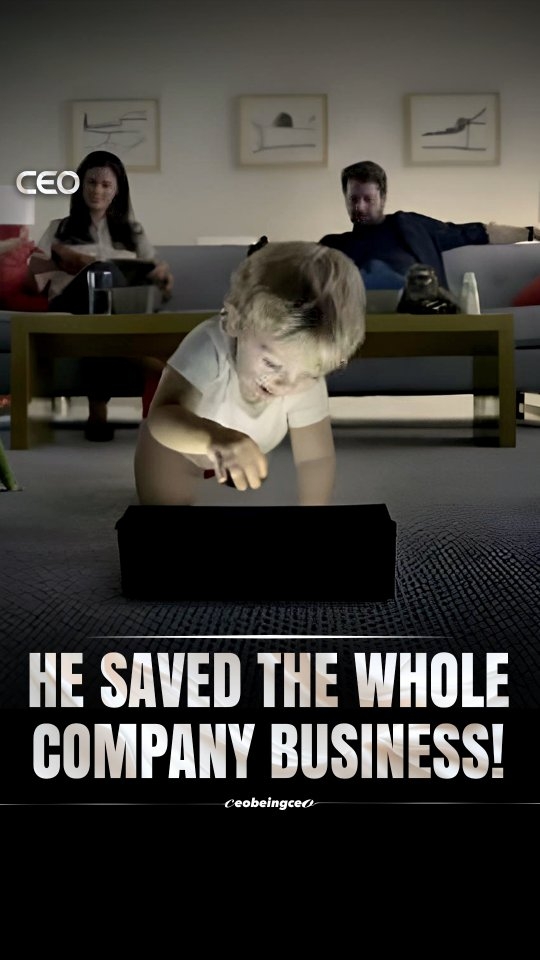
The Click, Baby, Click campaign by Adobe is a clever and slightly dark satire about the obsession with clicks in digital marketing. The ad follows a baby who accidentally discovers how powerful clicking ads can be. As the baby keeps clicking, marketers celebrate skyrocketing metrics, celebrating “success” without questioning where the traffic is actually coming from. The humor works because it mirrors a real issue in online advertising—numbers can look impressive even when they don’t represent real engagement.
What makes the campaign interesting is how it quietly exposes the problem of fake traffic and meaningless metrics in the marketing world. Instead of directly lecturing the audience, it uses comedy to show how easily businesses can be fooled by surface-level data. By the end, the message becomes clear: clicks alone don’t equal real customers. It’s a smart, memorable ad that makes you rethink how digital success is measured—and that’s exactly why it sticks with viewers.
Follow (us) @ceobeingceo for more!!
3.61M
hidden
3.32K
2mo ago
ceobeingceo
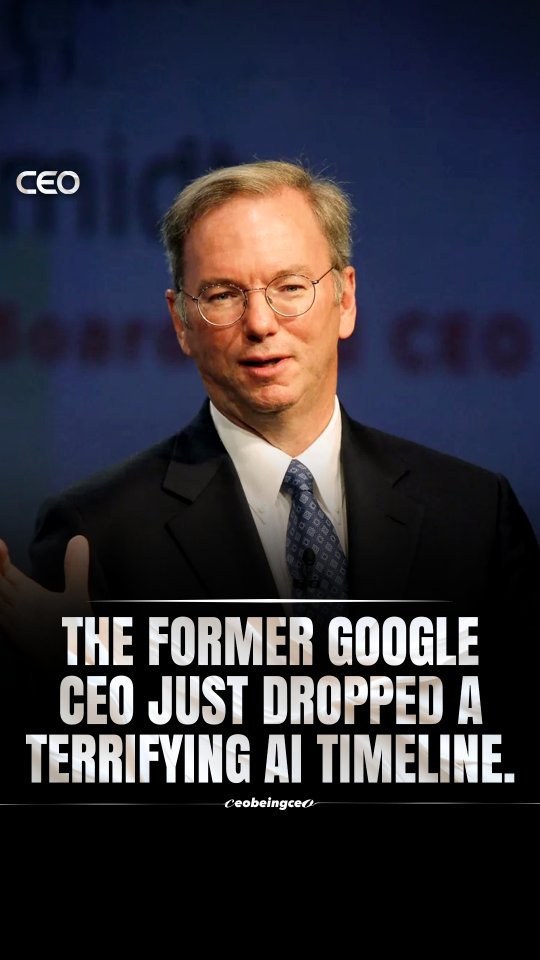
Debates about great founders often reveal what people value most: invention or execution.
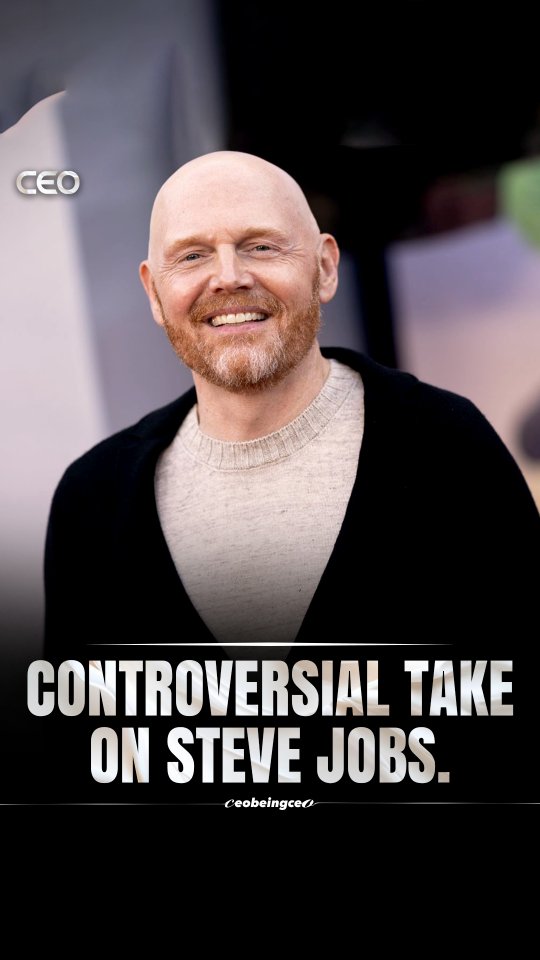
In a 2015 appearance on Conan, Bill Burr questioned Steve Jobs’ legacy, arguing that he was more marketer than innovator. His critique focused on the idea that Jobs didn’t invent many of the core technologies, but instead packaged and presented them in a way that captured massive attention.
Supporters see that differently. They argue Jobs’ strength was never just invention — it was integration. Taking existing ideas, refining them through design and user experience, and turning them into products people actually wanted to use. In that sense, execution, taste, and timing became the real innovation.
The divide highlights a broader truth in business. Original ideas matter, but the ability to shape them into something the world adopts often matters more.
Follow (us) @ceobeingceo for more!!
#stevejobs #innovation #execution #entrepreneurship #businessstrategy
3.47M
hidden
0
3mo ago
ceobeingceo
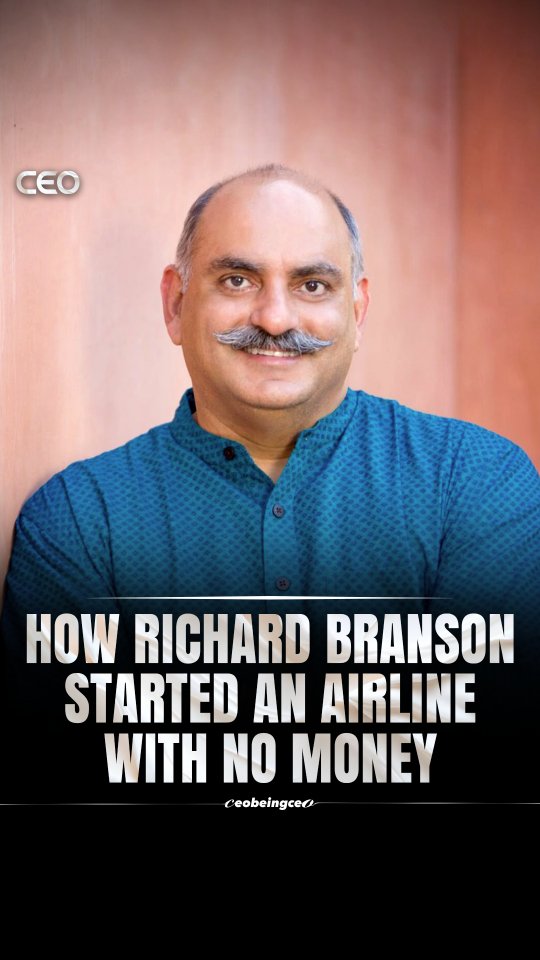
On a sunlit airport tarmac after a canceled flight left passengers stranded, Richard Branson chose action over waiting, pooling money for a chartered plane and unknowingly setting the emotional foundation for what would become a customer focused airline.
That spontaneous decision led him to lease a secondhand Boeing 747, challenge established carriers like British Airways, and design an airline experience centered on service, comfort, and in flight entertainment rather than industry tradition.
Virgin Atlantic officially took flight on June 22, 1984, operating its first route from London Gatwick to Newark, marking the start of an airline built from a real travel frustration rather than a boardroom plan.
Follow (us) @ceobeingceo for more!!
𝘔𝘦𝘥𝘪𝘢 𝘤𝘰𝘶𝘳𝘵𝘦𝘴𝘺 𝘰𝘧 My First Million
#aviation #entrepreneurship #richardbranson
2.63M
hidden
2.67K
2mo ago
ceobeingceo
A Dutch journalist just showed how fragile privacy really is, and we need to think this through!
Using AI-powered glasses, he was able to identify complete strangers in real time with just public data and off-the-shelf AI models. A quick glance was enough. The glasses scanned a face, analysed facial features, and matched them with images already floating online. Names, social media profiles, background details, all appearing instantly in his field of vision.
The disturbing part isn’t the tech itself. It’s the inevitability. You can ban these glasses, regulate them, or mandate warning lights but once this capability exists, someone will always rebuild it. Cheaper. Smaller. Quieter.
As a country with over a billion people, massive CCTV coverage, Aadhaar-linked databases, facial recognition pilots by police, and one of the world’s largest social media user bases. Imagine this tech in crowded metros, college campuses, protests, elections, or even everyday street interactions. You quickly become transparent to the public, which helps tremendously but could also lead to bigger safety problems if not handled with care.
So the real question is to what extent should we allow AI into our lives? Drop your thoughts in the comments below!
Follow (us) @ceobeingceo for more!!
#ImagineTheNext #WhatsNextIndia #ImagiNxt2026 #technews #airevolution
2.58M
hidden
1.26K
1mo ago
ceobeingceo
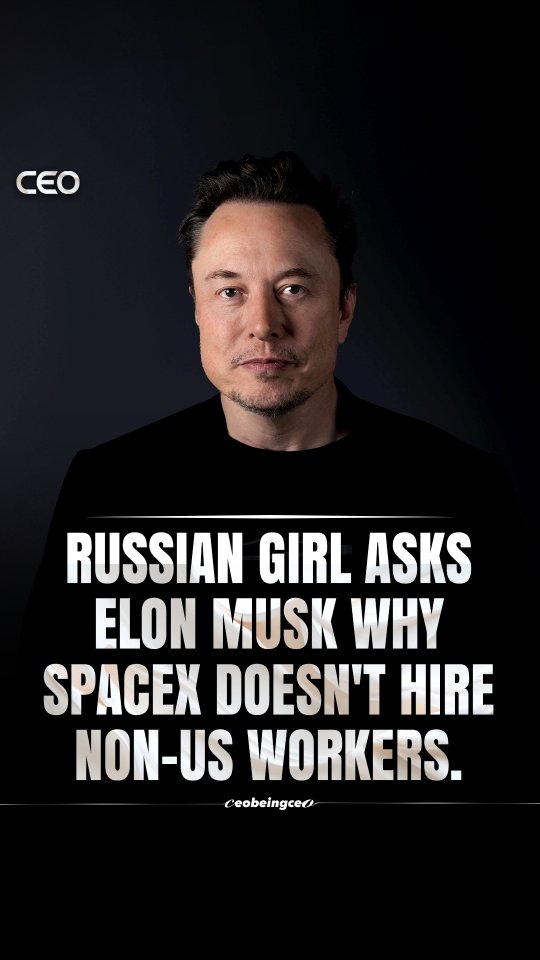
Elon Musk has explained that hiring at SpaceX is shaped by strict U.S. export control laws, particularly the International Traffic in Arms Regulations (ITAR), which treat rocket and aerospace technology as sensitive from a national security perspective. These rules don’t directly ban hiring globally, but they do restrict access to certain technologies, meaning companies must ensure employees qualify as “U.S. persons” to work on key systems. This typically includes citizens, permanent residents, and certain protected individuals. Because SpaceX works extensively with advanced rocket systems, many roles require compliance with these regulations, which naturally limits how easily global talent can be integrated into core engineering teams. Despite these constraints, the company has scaled rapidly, reflecting how innovation can still thrive within strict regulatory frameworks. The situation highlights a broader tension in modern tech: balancing global talent access with national security rules. It’s a reminder that even in a global industry like space, policy and regulation still shape how companies build their teams and grow.
Follow (us) @ceobeingceo for more!!
1.66M
hidden
156
1mo ago
ceobeingceo
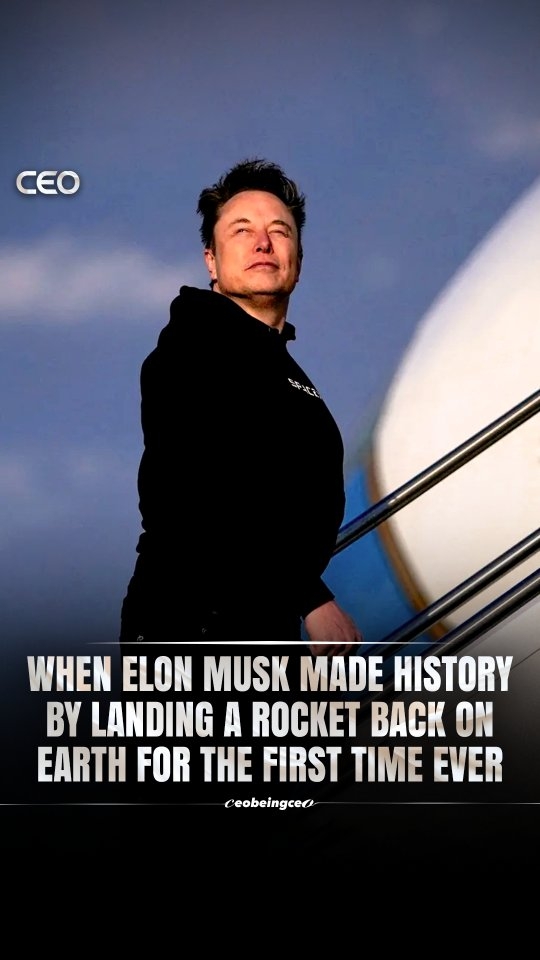
On December 21, 2015, SpaceX made history when its Falcon 9 rocket successfully landed back on Earth after launching a payload into orbit.
It was the first time an orbital-class rocket booster returned and touched down in a controlled vertical landing, marking a major breakthrough in reusable rocket technology.
The rocket lifted off from Cape Canaveral in Florida at 8:29 p.m. EST and deployed 11 ORBCOMM satellites into orbit. After completing its mission, the Falcon 9 first stage performed a series of boostback burns and returned to Landing Zone 1, landing precisely on the ground.
This came after several earlier attempts to land on drone ships had failed.
Follow (us) @ceobeingceo for more!!
Media: National Geographic on Youtube
1.58M
hidden
169
3d ago
ceobeingceo
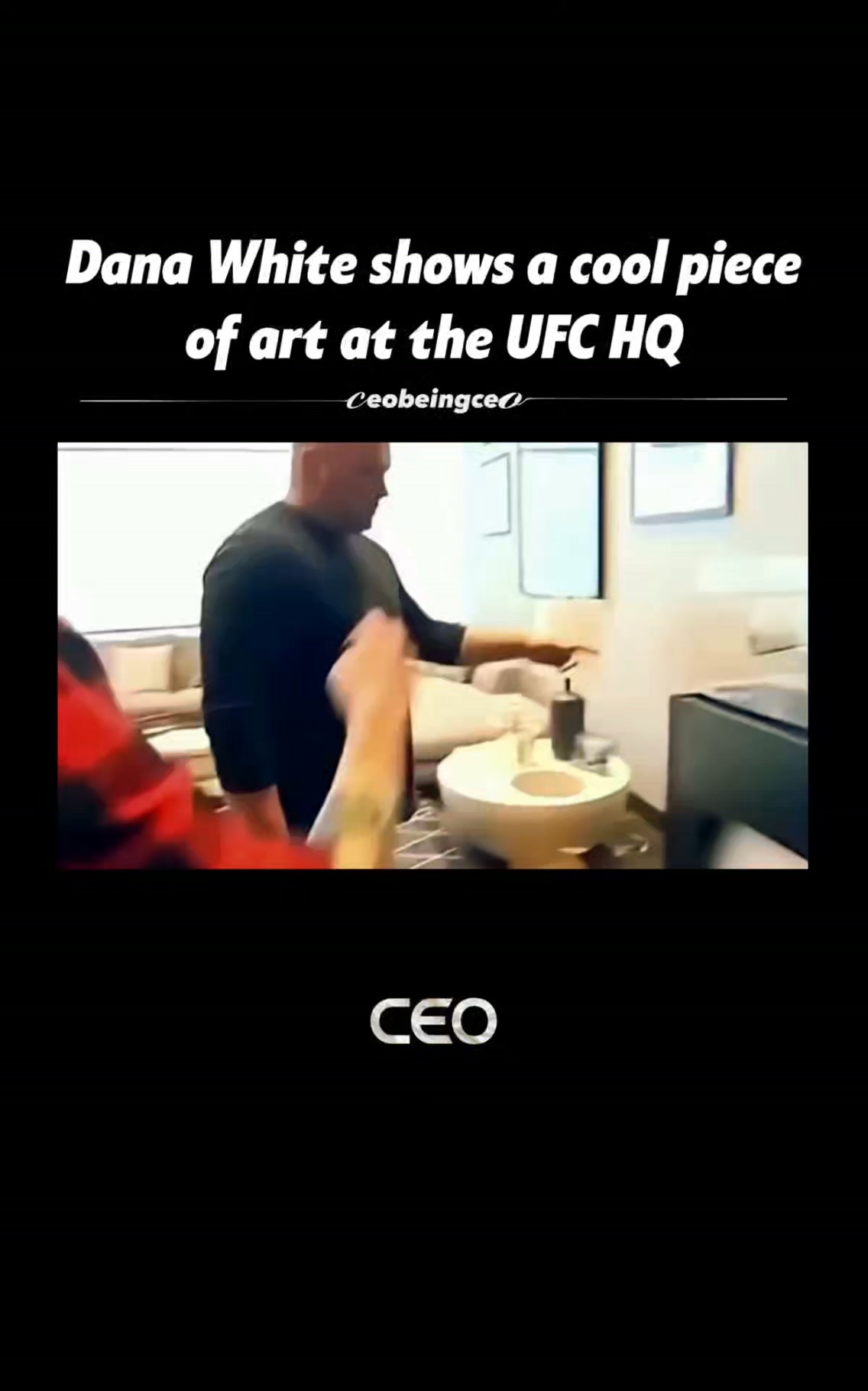
Dana White is the president and face of the UFC, the visionary who transformed mixed martial arts from an underground spectacle into a global multi-billion dollar sports empire. As the driving force behind the Ultimate Fighting Championship since 2001, White revolutionized combat sports through aggressive promotion, strategic fighter signings, and landmark broadcast deals that brought MMA into mainstream consciousness. Known for his passionate post-fight press conferences, no-nonsense negotiations with fighters, and relentless expansion into international markets, White built the UFC into the premier mixed martial arts organization worldwide. His business acumen and promotional genius elevated fighter stars, secured major pay-per-view success, and established MMA as legitimate sports entertainment. White remains the outspoken, controversial leader shaping the future of combat sports.
Follow (us) @ceobeingceo for more!!
1.57M
hidden
53
3w ago
ceobeingceo
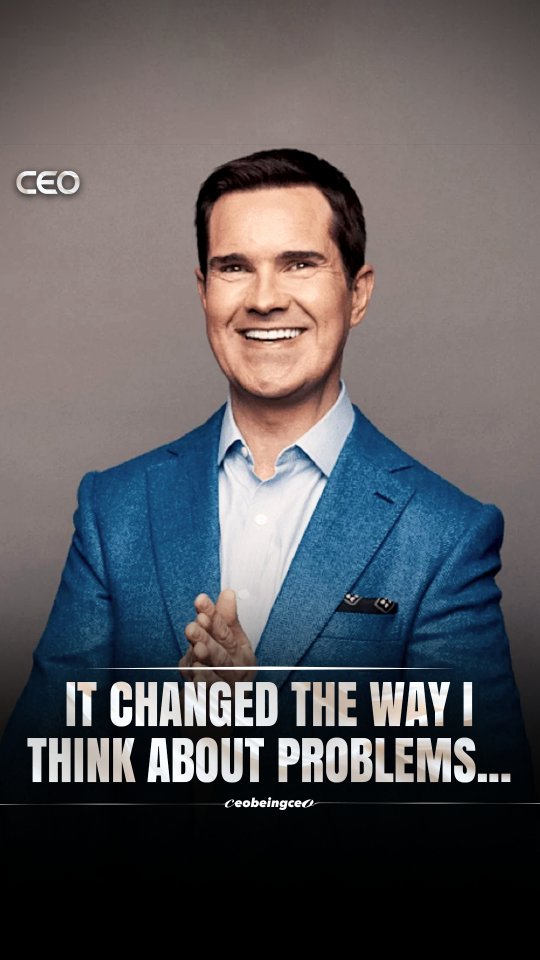
Jimmy Carr is a comedian, television host, and writer widely known for his sharp wit, dark humor, and distinctive laugh. Born on September 15, 1972, in London, England, Carr built a successful career in comedy through consistency, confidence, and a unique style that made him stand out in the entertainment industry.
Before becoming a comedian, Jimmy Carr worked in marketing after graduating from university. Despite having a stable corporate career, he realized he wanted something more meaningful and decided to pursue stand-up comedy. Taking a major risk, he left his job and committed fully to performing, eventually becoming one of the most recognizable comedians in the United Kingdom.
Carr gained popularity through his stand-up specials, quick one-liners, and appearances on television shows such as 8 Out of 10 Cats and The Big Fat Quiz of the Year. His humor is known for being fast-paced, clever, and sometimes controversial, but his confidence and timing have earned him a loyal global audience. He has a remarkable ability to connect with crowds through spontaneity and sharp observations about life, society, and human behavior.
Beyond comedy, Jimmy Carr often speaks about discipline, self-improvement, and the importance of consistency. He openly discusses how hard work, repetition, and learning from failure helped him master his craft. His journey shows that success in any field requires patience, resilience, and the willingness to improve continuously.
What makes Carr especially interesting is his mindset toward criticism and rejection. In a profession where public opinion constantly changes, he emphasizes staying focused on long-term growth instead of temporary negativity.
Overall, Jimmy Carr represents confidence, persistence, and the courage to take risks. His career demonstrates that success often comes from stepping outside comfort zones, committing to improvement, and developing a unique voice that separates you from everyone else.
Follow (us) @ceobeingceo for more!!
1.55M
hidden
54
1mo ago
ceobeingceo
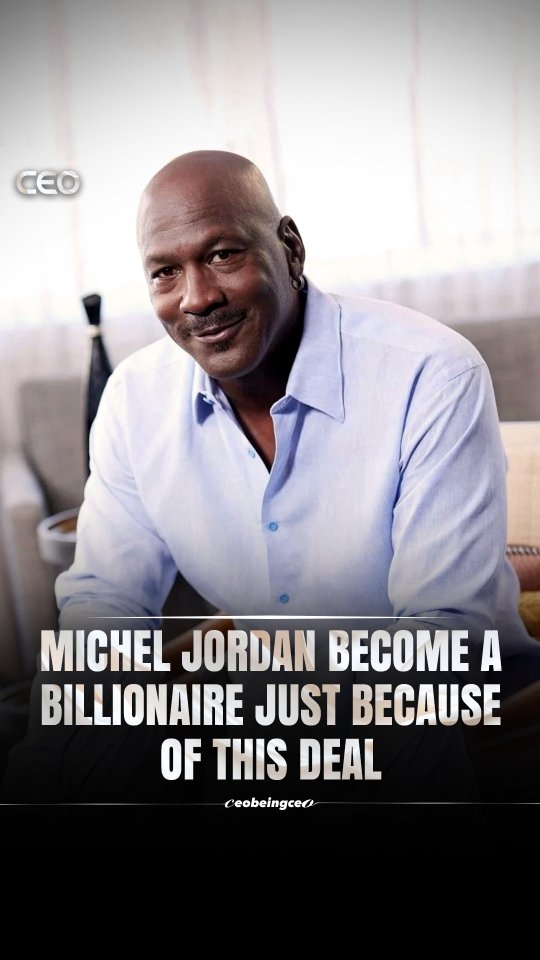
Back in 1984, Michael Jordan signed a groundbreaking deal with Nike worth $2.5 million over 5 years, a huge amount for a rookie at the time. But the real game-changer wasn’t the salary ….. it was the royalty clause that gave him a percentage of every Air Jordan shoe sold. This meant that every time someone bought a pair, Jordan earned money. Over the years, that small percentage turned into massive income as the brand exploded globally. Today, Air Jordans generate billions in revenue annually, and Jordan reportedly makes around $300 million every year just from Nike. This one smart deal didn’t just make him rich …. it made him a billionaire for life.
Follow (us) @ceobeingceo for more!!
#michaeljordan #nba #nike
#business #deal
1.48M
hidden
359
3w ago
ceobeingceo
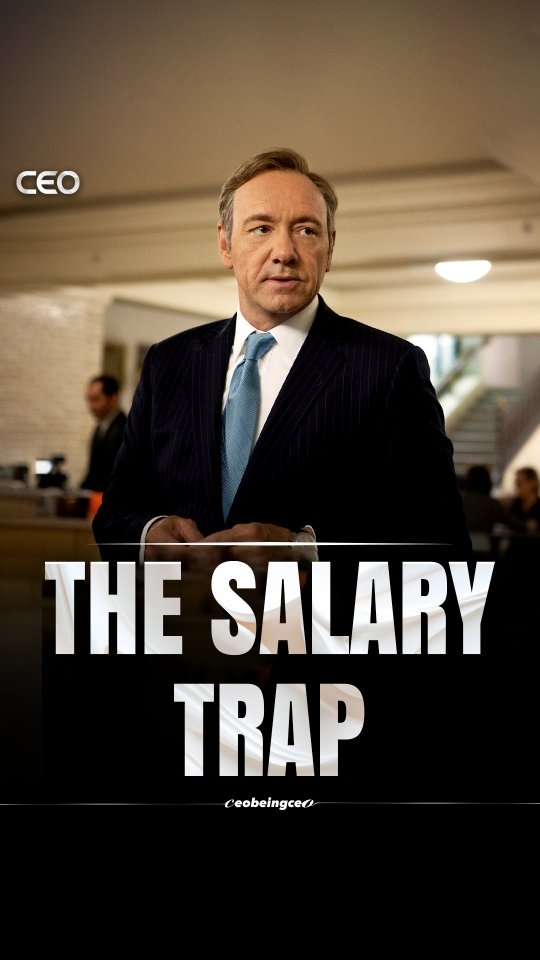
The "salary trap” is a mindset and financial cycle where short-term stability can quietly replace long-term ambition. Here’s how it often works:
The Paycheck Comfort:
A steady monthly salary creates a sense of security and predictability. Over time, that comfort can make the uncertainty of pursuing bigger goals feel too risky.
Golden Handcuffs:
As income rises, lifestyle costs often rise too—bigger homes, cars, and long-term financial commitments. Those obligations can lock people into demanding roles simply to maintain their expenses.
Energy Drain:
High-pressure, high-paying jobs can consume most of your time and mental energy, leaving little space to work on personal ambitions or creative ideas.
Skill Narrowing:
In some cases, professionals become highly specialized in tasks that only exist within one company or industry, which can make it harder to pivot or pursue different paths later.
The Alternative Approach:
Many financial experts suggest viewing a salary as a tool, not the final goal—using it to build savings, reduce dependency on debt, and create options that allow you to pursue what truly matters.
Credits: Video clips belong to their respective owner
Follow (us) @ceobeingceo for more!!
#financialliteracy #financetips #careergrowth #moneythinking #usabusiness
1.32M
hidden
846
2w ago
ceobeingceo
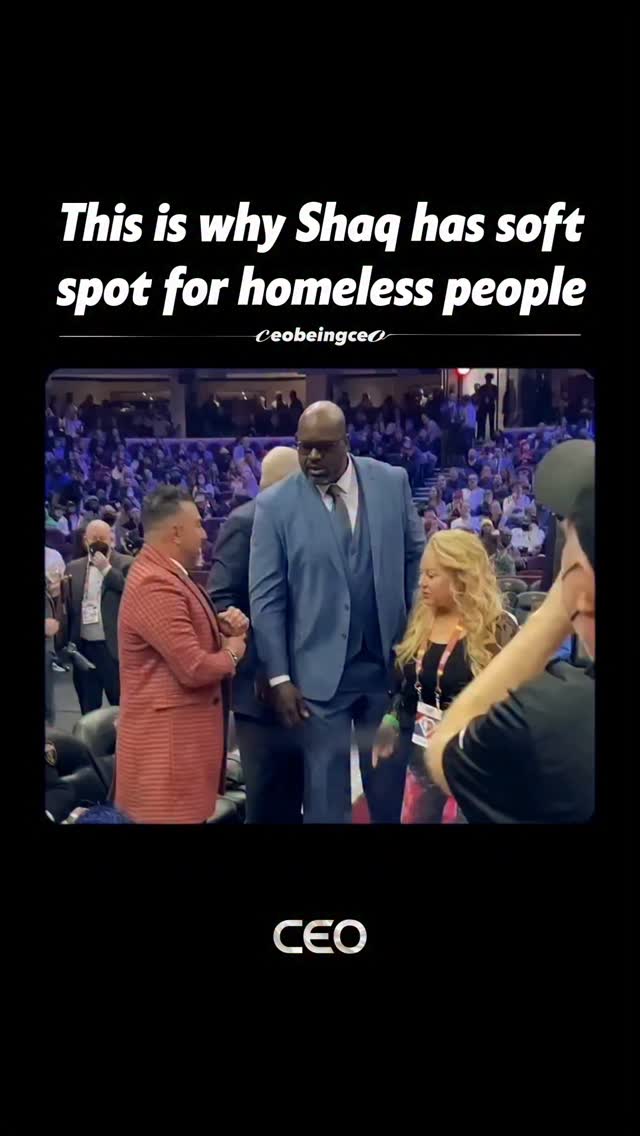
Shaquille O’Neal is one of the most dominant players in NBA history, but many of his most valuable lessons have nothing to do with basketball. Known for his larger-than-life personality, Shaq often speaks about perspective, gratitude, and the values his father instilled in him growing up.
In this conversation on ABtalks, Shaq recalls a moment after a poor performance when his father gave him a lesson he never forgot.
Early one morning, his father took him to see a homeless family living under a bridge. As they watched the family begin their day, his father turned to him and said, “That’s pressure.”
The lesson was simple. Having a bad game, facing criticism, or falling short of expectations isn’t real pressure when compared to not knowing where your next meal is coming from or how you’re going to provide for your family.
That experience changed Shaq’s perspective forever. It taught him that gratitude grows when you stop focusing on your problems and start recognizing how fortunate you truly are.
Follow (us) @ceobeingceo for more!!
1.28M
hidden
515
4mo ago
ceobeingceo
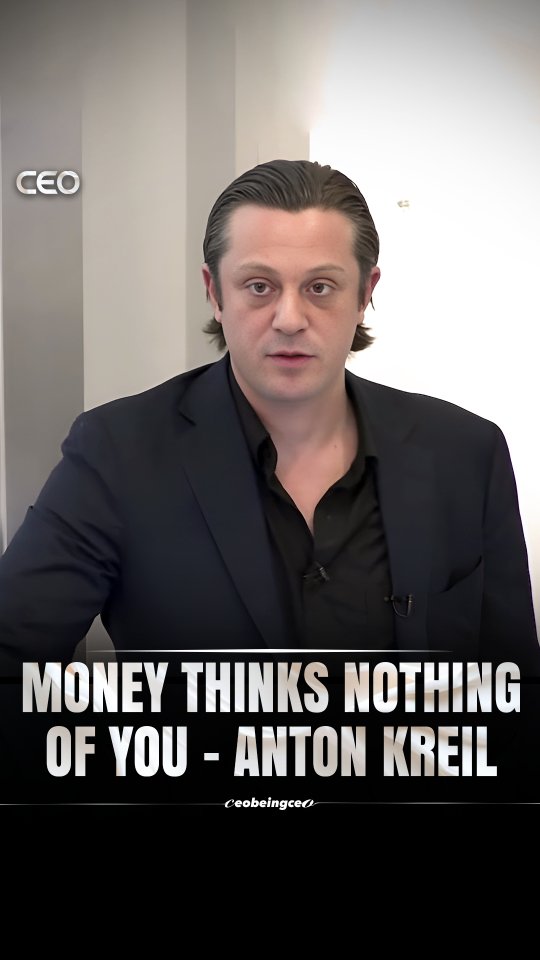
Former Goldman trader Anton Kreil explains how to develop a healthy respect for money and understand our relationship with it. He emphasizes that money itself is not the source of our problems; rather, many financial struggles come from our own behaviors, habits, and mindset toward wealth. By shifting how we think and act around money, we can make better decisions and build a more stable financial future.
Follow (us) @ceobeingceo for more!!
DM for credit or removal request (no copyright intended) ©️ All rights and reserved to the respective owner(s)
#financialeducation #moneymindset #wealthbuilding #personalfinance #financialliteracy
1.27M
hidden
163
1mo ago
ceobeingceo
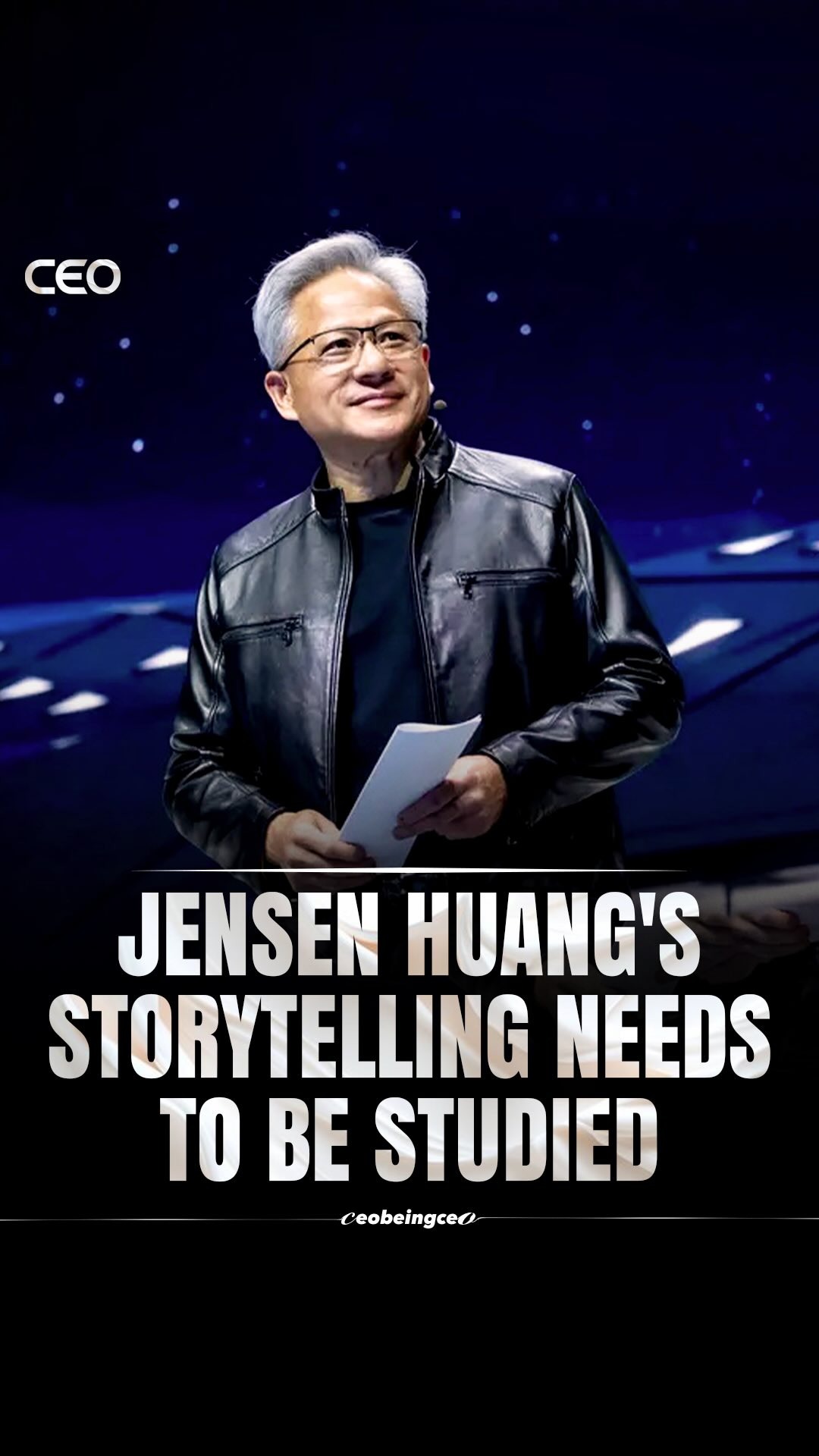
Jensen Huang, founder and CEO of Nvidia, has become one of the most influential figures in tech as the company moved to the center of the AI revolution.
Under his leadership, Nvidia’s GPUs became the backbone of modern AI systems, powering everything from large language models to advanced data centers.
That positioning pushed Nvidia past traditional tech giants in market value, redefining what a semiconductor company could become.
The shift highlights how critical infrastructure not just consumer products is now driving the next wave of trillion-dollar companies.
Media: NVIDIA
Follow (us) @ceobeingceo for more!!
1.18M
hidden
88
1mo ago
ceobeingceo
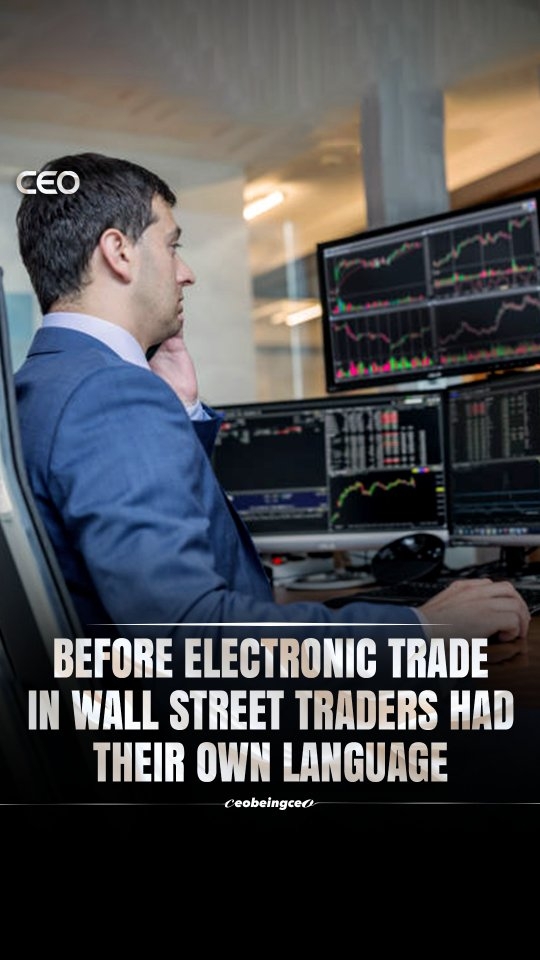
The evolution of modern financial technology transformed Wall Street trading from a high-energy physical arena into a silent digital matrix. Long before electronic networks dominated the markets, open outcry trading pits relied entirely on an intricate system of hand signals to execute multi-million dollar deals in a matter of seconds. Traders used a standardized physical code where the orientation of the palms indicated buy or sell intentions, and localized hand placements near the chin, forehead, or chest communicated single digits, tens, and hundreds. By flashing precise geometric gestures through crowded rooms of shouting brokers, a trader could communicate a complex order like 287 contracts for a specific month with total clarity without ever uttering a single audible word.
From a sociological and dynamic communication perspective, this non-verbal hand language represents a brilliant study in human adaptability under extreme stress. In the chaotic noise of a trading floor, verbal cues were completely unreliable, forcing professionals to rely heavily on rapid visual processing and muscle memory to stay competitive. Hand positions also extended to specific months of the year, with gestures referencing the chin or shoulder to coordinate long-term futures and options. While digital order routing replaced these frantic physical pits, looking back at these historical trading floor dynamics highlights a fascinating era of financial history, proving that human ingenuity will always engineer a unique language to navigate high-stakes environments.
Follow (us) @ceobeingceo for more!!
1.15M
hidden
776
1mo ago
ceobeingceo
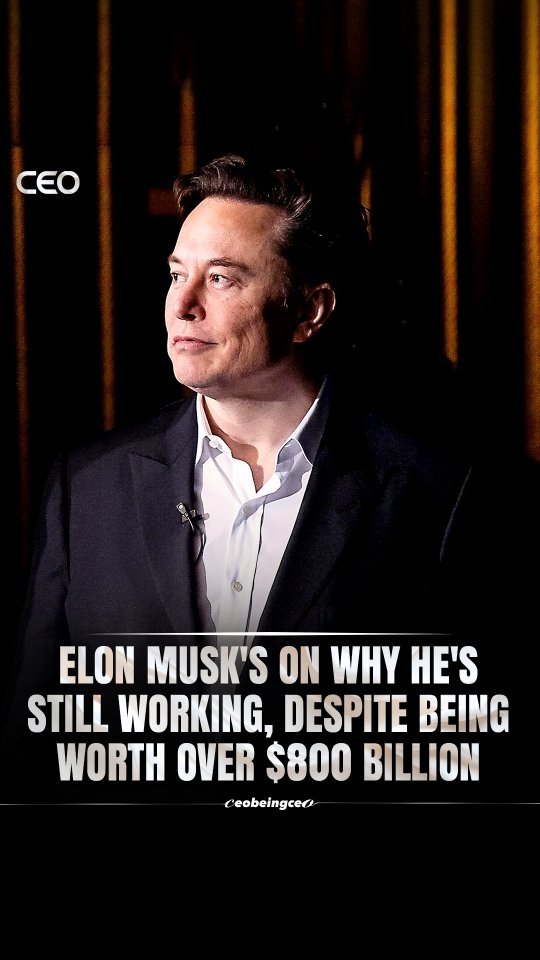
Elon Musk has said one of the biggest shifts in his thinking came early in life when he stopped obsessing over answers and started focusing on asking better questions. In his view, progress often begins not with certainty, but with curiosity directed at the right problems.
Influenced in part by The Hitchhiker’s Guide to the Galaxy, Musk adopted the idea that many answers may already exist within the universe, the challenge is expanding our ability to understand them. That mindset helped shape a long-term vision centered on increasing consciousness and extending intelligence.
Through companies like SpaceX, Tesla, Inc., and xAI, Musk has pursued that thesis by advancing human and digital capability, from Earth to other planets and beyond. The core belief is simple: the more intelligence expands, the better questions humanity can ask, and the further progress can go.
Follow (us) @ceobeingceo for more!!
982K
hidden
107
1mo ago
ceobeingceo
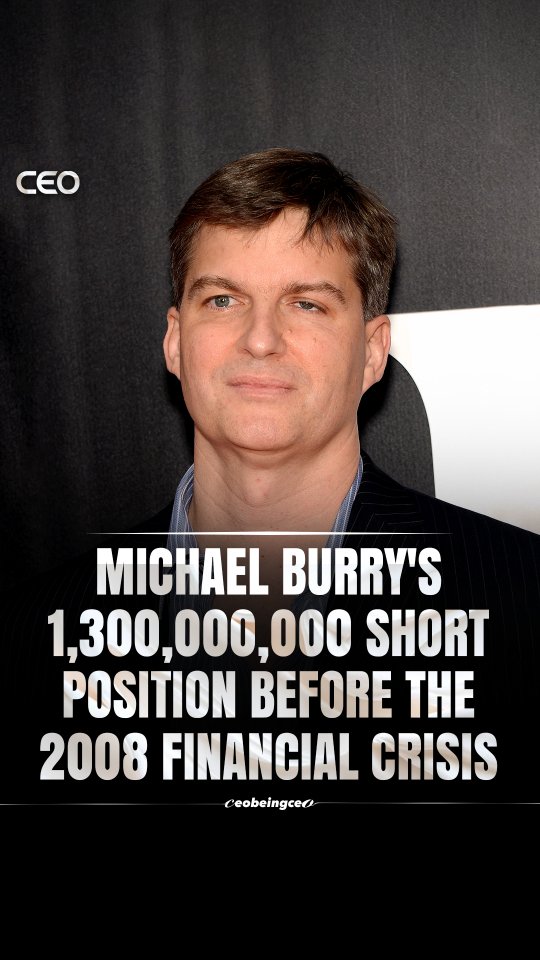
Michael Burry, a former physician turned hedge fund manager, founded Scion Capital in 2000.
In 2005, he became convinced the U.S. housing market was a bubble due to subprime mortgages and lax lending standards.
He pioneered the use of credit default swaps (CDS) on mortgage-backed securities—essentially betting against the housing market when almost no one else would.
By 2006–2007, Scion Capital had built a $1.3 billion short position against subprime mortgage securities through CDS contracts.
Investors panicked, demanding redemptions; Burry locked the fund to prevent withdrawals.
When the 2008 crisis hit, the bet paid off massively: Scion made $700–800 million in profits, with Burry personally earning over $100 million.
His story was dramatized in the film The Big Short (2015).
Michael Burry’s $1.3 billion short position before the 2008 financial crisis.
Follow (us) @ceobeingceo for more!!
961K
hidden
163
3mo ago
ceobeingceo
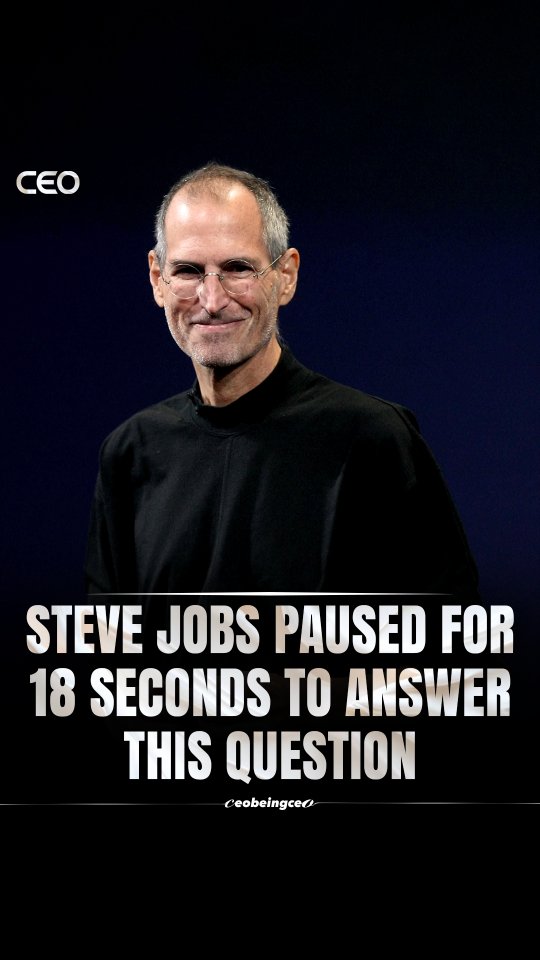
In 1992, a student at MIT asked Steve Jobs a question so good, it made him go completely quiet.
For 19 seconds, Jobs just sat there. A man thinking deeply in front of a room full of people waiting for an answer.
When he finally spoke, he didn’t give a polished CEO response. He gave something rare: the honest, unfiltered truth about what building NeXT actually taught him.
The struggles. The lessons no success could have ever given him. The hard earned clarity that only comes from starting over with nothing.
What nobody in that room knew was that they were hearing the blueprint for one of the greatest corporate comebacks in history. Everything Jobs learned at NeXT. The technology, the discipline, the obsession with doing it right. It was all the foundation for the iMac, the iPod, the iPhone, and the most valuable company ever built.
One student asked a question. Jobs gave an answer that quietly revolutionized technology.
Most people speak to fill silence. Steve Jobs used silence to find the truth.
Follow (us) @ceobeingceo for more!!
CEO being CEO (@ceobeingceo) Instagram Stats & Analytics
CEO being CEO (@ceobeingceo) has 310K Instagram followers with a 1.64% engagement rate over the past 12 months. Across 2.69K posts, CEO being CEO received 863K total likes and 216M impressions, averaging 321 likes per post. This page tracks CEO being CEO's performance metrics, top content, and engagement trends — updated daily.
CEO being CEO (@ceobeingceo) Instagram Analytics FAQ
How many Instagram followers does CEO being CEO have?+
CEO being CEO (@ceobeingceo) has 310K Instagram followers as of July 2026.
What is CEO being CEO's Instagram engagement rate?+
CEO being CEO's Instagram engagement rate is 1.64% over the last 12 months, based on 2.69K posts.
How many likes does CEO being CEO get on Instagram?+
CEO being CEO received 863K total likes across 2.69K posts in the last 12 months, averaging 321 likes per post.
How many Instagram impressions does CEO being CEO get?+
CEO being CEO's Instagram content generated 216M total impressions over the last 12 months.