tiktok analytics
Last Year01/20/25 - 01/20/26
Comparable Performance:
followers
62.8K
impressions
27.9M
likes
1.31M
comments
8.24K
posts
264
engagement
4.71%
emv
$895K
Avg. per post
106K

Key Metrics

Distributions

Top Content

From Lockdown Boredom to £5M Butter Empire: Thomas Straker’s All Things Butter :butter::hocho: Thomas Straker wasn’t planning to start a butter company. In 2020, when the professional chef found himself unemployed during pandemic restaurant closures, he began posting cooking videos from his London home kitchen. His flavored butter videos unexpectedly went viral, with viewers obsessing over his compound butter creations. He founded All Things Butter and began selling his chef-crafted butters online. When traditional butter brands focused on basic varieties, Straker created restaurant-quality flavors like Chimichurri, Bone Marrow, and Miso. The breakthrough came from his authentic approach. While established food companies used polished marketing, Straker’s videos remained raw and genuine - often just his hands, a knife, and ingredients with minimal talking. Today, All Things Butter ships throughout the UK, has expanded into luxury retailers like Selfridges, and has grown to a valuation estimated at over £5 million. What strategies drove their chef-led butter success? Turn Professional Techniques Into Consumer Products: By bringing restaurant-quality compound butters to home cooks, Straker created products with perceived value beyond ordinary grocery items. Maintain Content Quality Above Production Value: His videos focused on the craft and ingredients rather than slick production, creating trust in his culinary expertise and product quality. Use Social Proof as Marketing: By encouraging customers to share their own cooking with his butters, he created a continuous stream of user-generated content that served as authentic advertising. Straker’s story demonstrates how professional expertise can translate into consumer products. By sharing his chef techniques in accessible ways and creating products that brought restaurant-quality flavors into home kitchens, he built a company that transformed from pandemic pastime into a thriving food brand with a devoted following. #AllThingsButter #ChefThomas #CompoundButter #CulinaryStartup #ChefCreated #EntrepreneurJourney #FoodContent #LuxuryFood #PandemicBusiness #GourmetButter@All Things Butter @Thomas Straker
2.65M
232K
511
8mo ago
theventure
From Lockdown Boredom to £5M Butter Empire: Thomas Straker’s All Things Butter :butter::hocho: Thomas Straker wasn’t planning to start a butter company. In 2020, when the professional chef found himself unemployed during pandemic restaurant closures, he began posting cooking videos from his London home kitchen. His flavored butter videos unexpectedly went viral, with viewers obsessing over his compound butter creations. He founded All Things Butter and began selling his chef-crafted butters online. When traditional butter brands focused on basic varieties, Straker created restaurant-quality flavors like Chimichurri, Bone Marrow, and Miso. The breakthrough came from his authentic approach. While established food companies used polished marketing, Straker’s videos remained raw and genuine - often just his hands, a knife, and ingredients with minimal talking. Today, All Things Butter ships throughout the UK, has expanded into luxury retailers like Selfridges, and has grown to a valuation estimated at over £5 million. What strategies drove their chef-led butter success? Turn Professional Techniques Into Consumer Products: By bringing restaurant-quality compound butters to home cooks, Straker created products with perceived value beyond ordinary grocery items. Maintain Content Quality Above Production Value: His videos focused on the craft and ingredients rather than slick production, creating trust in his culinary expertise and product quality. Use Social Proof as Marketing: By encouraging customers to share their own cooking with his butters, he created a continuous stream of user-generated content that served as authentic advertising. Straker’s story demonstrates how professional expertise can translate into consumer products. By sharing his chef techniques in accessible ways and creating products that brought restaurant-quality flavors into home kitchens, he built a company that transformed from pandemic pastime into a thriving food brand with a devoted following. #AllThingsButter #ChefThomas #CompoundButter #CulinaryStartup #ChefCreated #EntrepreneurJourney #FoodContent #LuxuryFood #PandemicBusiness #GourmetButter@All Things Butter @Thomas Straker
From Collecting Dirty Rags to $15B Uniform Empire: Richard Farmer's Cintas 👔🧹 Richard Farmer wasn't building a glamorous business. In the 1960s, he took over his grandfather's Great Depression-era company that collected and cleaned soiled rags from factories in Cincinnati. He transformed the family rag-cleaning business into Cintas, focusing on uniform rental and services. When competitors were selling uniforms outright, Cintas pioneered the rental model, providing businesses with regular cleaning and replacement services. The breakthrough came from their market focus. While other uniform companies targeted large corporations, Cintas created standardized systems to efficiently serve small and medium-sized businesses that larger competitors ignored. Today, Cintas services over 1 million businesses daily and has a market cap exceeding $15 billion with 39 consecutive years of dividend increases. What strategies drove their remarkable success? Turn One-Time Sales Into Recurring Revenue: By renting rather than selling uniforms, they created predictable cash flow and ongoing customer relationships that were difficult for competitors to disrupt. Find Dignity in Unglamorous Services: While others chased trendy industries, Cintas built a culture that took pride in essential services that businesses couldn't function without. Expand Services to Existing Customers: After establishing uniform relationships, they systematically added complementary services like floor mats, restroom supplies, and fire protection to increase revenue per customer. Farmer's story demonstrates that sometimes the most valuable businesses are built in industries others consider boring. By professionalizing services that every business needs but few think about, he created a company that delivers consistent growth and profitability while providing essential support to businesses across America. #Cintas #UniformRental #BusinessServices #FacilityServices #RecurringRevenue #EntrepreneurJourney #FamilyBusiness #BusinessTransformation #CustomerRetention #EssentialServices
1.31M
34.5K
271
8mo ago
theventure
From Collecting Dirty Rags to $15B Uniform Empire: Richard Farmer's Cintas 👔🧹 Richard Farmer wasn't building a glamorous business. In the 1960s, he took over his grandfather's Great Depression-era company that collected and cleaned soiled rags from factories in Cincinnati. He transformed the family rag-cleaning business into Cintas, focusing on uniform rental and services. When competitors were selling uniforms outright, Cintas pioneered the rental model, providing businesses with regular cleaning and replacement services. The breakthrough came from their market focus. While other uniform companies targeted large corporations, Cintas created standardized systems to efficiently serve small and medium-sized businesses that larger competitors ignored. Today, Cintas services over 1 million businesses daily and has a market cap exceeding $15 billion with 39 consecutive years of dividend increases. What strategies drove their remarkable success? Turn One-Time Sales Into Recurring Revenue: By renting rather than selling uniforms, they created predictable cash flow and ongoing customer relationships that were difficult for competitors to disrupt. Find Dignity in Unglamorous Services: While others chased trendy industries, Cintas built a culture that took pride in essential services that businesses couldn't function without. Expand Services to Existing Customers: After establishing uniform relationships, they systematically added complementary services like floor mats, restroom supplies, and fire protection to increase revenue per customer. Farmer's story demonstrates that sometimes the most valuable businesses are built in industries others consider boring. By professionalizing services that every business needs but few think about, he created a company that delivers consistent growth and profitability while providing essential support to businesses across America. #Cintas #UniformRental #BusinessServices #FacilityServices #RecurringRevenue #EntrepreneurJourney #FamilyBusiness #BusinessTransformation #CustomerRetention #EssentialServices
From College Side Hustle to $1B Cookie Empire: Jason McGowan's Crumbl 🍪📱 Jason McGowan and Sawyer Hemsley weren't bakers. In 2017, these tech-savvy cousins noticed that despite being America's favorite dessert, nobody had modernized the cookie-buying experience. They spent thousands of hours perfecting a chocolate chip cookie recipe, then built a business model combining social media, technology, and theatrical presentation. When other bakeries offered dozens of flavors daily, Crumbl limited their menu to just chocolate chip plus four rotating flavors that changed weekly. The breakthrough came from turning cookies into content. They designed oversized, photogenic cookies specifically for Instagram and TikTok, revealing their rotating menu through weekly social media "drops." What started as a single store in Logan, Utah exploded to over 600 locations in just five years, making them the fastest-growing restaurant chain in America. What strategies fueled their rapid rise? Create Artificial Scarcity: By rotating flavors weekly, they generated FOMO and gave customers a reason to return regularly and check social media constantly. Design for the Algorithm: Their pink boxes, oversized cookies, and dramatic unboxing experience were specifically created to be shareable on social platforms. Franchise to Superfans: Many Crumbl franchisees started as devoted customers, creating owner-operators with genuine passion for the brand. McGowan and Hemsley's story shows that even the most traditional products can be reinvented for the digital age.  By combining old-fashioned baking with modern marketing techniques, they created a cookie phenomenon that spread across America faster than any restaurant chain in history. #CrumblCookies #FoodFranchise #SocialMediaMarketing #StartupSuccess #FoodTrends #EntrepreneurJourney #DigitalMarketing #FoodBusiness #TikTokMarketing #FranchiseSuccess
1.11M
44.2K
554
10mo ago
theventure
From College Side Hustle to $1B Cookie Empire: Jason McGowan's Crumbl 🍪📱 Jason McGowan and Sawyer Hemsley weren't bakers. In 2017, these tech-savvy cousins noticed that despite being America's favorite dessert, nobody had modernized the cookie-buying experience. They spent thousands of hours perfecting a chocolate chip cookie recipe, then built a business model combining social media, technology, and theatrical presentation. When other bakeries offered dozens of flavors daily, Crumbl limited their menu to just chocolate chip plus four rotating flavors that changed weekly. The breakthrough came from turning cookies into content. They designed oversized, photogenic cookies specifically for Instagram and TikTok, revealing their rotating menu through weekly social media "drops." What started as a single store in Logan, Utah exploded to over 600 locations in just five years, making them the fastest-growing restaurant chain in America. What strategies fueled their rapid rise? Create Artificial Scarcity: By rotating flavors weekly, they generated FOMO and gave customers a reason to return regularly and check social media constantly. Design for the Algorithm: Their pink boxes, oversized cookies, and dramatic unboxing experience were specifically created to be shareable on social platforms. Franchise to Superfans: Many Crumbl franchisees started as devoted customers, creating owner-operators with genuine passion for the brand. McGowan and Hemsley's story shows that even the most traditional products can be reinvented for the digital age. By combining old-fashioned baking with modern marketing techniques, they created a cookie phenomenon that spread across America faster than any restaurant chain in history. #CrumblCookies #FoodFranchise #SocialMediaMarketing #StartupSuccess #FoodTrends #EntrepreneurJourney #DigitalMarketing #FoodBusiness #TikTokMarketing #FranchiseSuccess
From Remote Island to $1B Water Empire: David Gilmour's FIJI Water 💧🏝️ David Gilmour wasn't in the beverage industry. In 1996, while developing a luxury resort in Fiji, the Canadian businessman tasted the local artesian water and recognized its exceptional quality and marketing potential. He positioned FIJI Water as a luxury product in a distinctive square bottle with a tropical flower logo. When competitors were selling water for convenience, FIJI sold an experience of untouched purity from a tropical paradise. The breakthrough came from their strategic placement strategy. While other water brands fought for supermarket shelf space, FIJI focused on being seen in the right places - Hollywood events, luxury hotels, and fine dining restaurants. Today, FIJI Water is America's #1 premium imported bottled water, sells in over 60 countries, and is estimated to be worth well over $1 billion. What strategies transformed ordinary water into a luxury status symbol? Turn Geography Into Exclusivity: The remote source became a key selling point, with marketing emphasizing that FIJI Water had "never touched human hands" until you opened it. Design for Recognition, Not Just Aesthetics: The square bottle with distinctive blue label was created to be instantly identifiable in photos and on screen, generating free publicity whenever celebrities were seen with it. Price as a Statement, Not a Strategy: By charging premium prices in a commodity category, FIJI signaled to consumers that their water was fundamentally different and superior to competitors. Gilmour's story demonstrates how storytelling can transform even the most basic product into a luxury item. By emphasizing Fiji's remote location and natural filtration process, he created a brand that convinced consumers to pay premium prices for what is essentially the same H₂O that comes out of their tap. #FIJIWater #BottledWater #LuxuryBrands #PremiumWater #BrandStory #EntrepreneurJourney #CelebrityBranding #ProductPlacement #BeverageIndustry #StatusSymbol
1.11M
28.6K
349
9mo ago
theventure
From Remote Island to $1B Water Empire: David Gilmour's FIJI Water 💧🏝️ David Gilmour wasn't in the beverage industry. In 1996, while developing a luxury resort in Fiji, the Canadian businessman tasted the local artesian water and recognized its exceptional quality and marketing potential. He positioned FIJI Water as a luxury product in a distinctive square bottle with a tropical flower logo. When competitors were selling water for convenience, FIJI sold an experience of untouched purity from a tropical paradise. The breakthrough came from their strategic placement strategy. While other water brands fought for supermarket shelf space, FIJI focused on being seen in the right places - Hollywood events, luxury hotels, and fine dining restaurants. Today, FIJI Water is America's #1 premium imported bottled water, sells in over 60 countries, and is estimated to be worth well over $1 billion. What strategies transformed ordinary water into a luxury status symbol? Turn Geography Into Exclusivity: The remote source became a key selling point, with marketing emphasizing that FIJI Water had "never touched human hands" until you opened it. Design for Recognition, Not Just Aesthetics: The square bottle with distinctive blue label was created to be instantly identifiable in photos and on screen, generating free publicity whenever celebrities were seen with it. Price as a Statement, Not a Strategy: By charging premium prices in a commodity category, FIJI signaled to consumers that their water was fundamentally different and superior to competitors. Gilmour's story demonstrates how storytelling can transform even the most basic product into a luxury item. By emphasizing Fiji's remote location and natural filtration process, he created a brand that convinced consumers to pay premium prices for what is essentially the same H₂O that comes out of their tap. #FIJIWater #BottledWater #LuxuryBrands #PremiumWater #BrandStory #EntrepreneurJourney #CelebrityBranding #ProductPlacement #BeverageIndustry #StatusSymbol
This Gamer was pissed off when talking to his friends, so he accidentally created a $15 billion company 🎮💰
898K
47.5K
516
9mo ago
theventure
This Gamer was pissed off when talking to his friends, so he accidentally created a $15 billion company 🎮💰
From Squeeze Bottle to $240M Olive Oil Brand: Andrew Benin's Graza 🫒💧 Andrew Benin wasn't an olive oil expert. In 2022, after working in marketing at Glossier and Harry's, he was frustrated with the olive oil industry where premium oils came in dark glass bottles that were messy and hard to use. He put high-quality, single-origin Spanish olive oil in bright green squeeze bottles that looked more like dish soap than gourmet ingredients. When established brands were using dark glass and traditional labels, Graza's playful packaging and "Drizzle" and "Sizzle" varieties made premium olive oil approachable. The breakthrough came from creating two distinct products for different uses, educating consumers about olive oil's different purposes while creating an obvious reason to buy both. Within its first year, Graza reached $5 million in sales and raised venture funding at a $10 million valuation. What made this simple packaging innovation so successful? Solve Functional Problems Others Ignored: While competitors focused on tradition, Benin addressed the practical frustrations of pouring, measuring, and storing olive oil. Make Premium Products Approachable: The playful branding and clear usage instructions removed the intimidation factor from high-quality olive oil. Design for Social Media First: The distinctive squeeze bottles were instantly recognizable in cooking videos and food photos, creating organic marketing opportunities. Benin's story demonstrates that sometimes the simplest innovations create the biggest impact. By questioning why premium olive oil needed to come in impractical glass bottles, he created a brand that's changing how a new generation cooks with and appreciates this ancient ingredient. #Graza #OliveOil #PackagingInnovation #FoodStartup #DTC #BrandLaunch #ProductDesign #EntrepreneurJourney #CulinaryBrands #KitchenEssentials
871K
33.6K
280
9mo ago
theventure
From Squeeze Bottle to $240M Olive Oil Brand: Andrew Benin's Graza 🫒💧 Andrew Benin wasn't an olive oil expert. In 2022, after working in marketing at Glossier and Harry's, he was frustrated with the olive oil industry where premium oils came in dark glass bottles that were messy and hard to use. He put high-quality, single-origin Spanish olive oil in bright green squeeze bottles that looked more like dish soap than gourmet ingredients. When established brands were using dark glass and traditional labels, Graza's playful packaging and "Drizzle" and "Sizzle" varieties made premium olive oil approachable. The breakthrough came from creating two distinct products for different uses, educating consumers about olive oil's different purposes while creating an obvious reason to buy both. Within its first year, Graza reached $5 million in sales and raised venture funding at a $10 million valuation. What made this simple packaging innovation so successful? Solve Functional Problems Others Ignored: While competitors focused on tradition, Benin addressed the practical frustrations of pouring, measuring, and storing olive oil. Make Premium Products Approachable: The playful branding and clear usage instructions removed the intimidation factor from high-quality olive oil. Design for Social Media First: The distinctive squeeze bottles were instantly recognizable in cooking videos and food photos, creating organic marketing opportunities. Benin's story demonstrates that sometimes the simplest innovations create the biggest impact. By questioning why premium olive oil needed to come in impractical glass bottles, he created a brand that's changing how a new generation cooks with and appreciates this ancient ingredient. #Graza #OliveOil #PackagingInnovation #FoodStartup #DTC #BrandLaunch #ProductDesign #EntrepreneurJourney #CulinaryBrands #KitchenEssentials
From Janitor to Marketing Executive: Richard Montañez's Flamin' Hot Cheetos 🔥🧀 Richard Montañez wasn't a product developer. In the 1980s, while working as a janitor at a Frito-Lay plant in California with only a 4th-grade education, he noticed the company had no spicy snacks targeting the growing Latino market. He took plain Cheetos home and experimented with adding chili powder and spices inspired by Mexican street corn. When a machine broke down at the plant, leaving some Cheetos without cheese powder, Montañez saw his opportunity. The breakthrough came from his extraordinary courage. He bypassed middle management and called the CEO directly, prepared samples and a presentation, bought his first tie, and pitched his concept to Frito-Lay's leadership. His creation became Frito-Lay's most successful product launch, generating over $1 billion in annual sales. What can we learn from Montañez's unlikely success? Recognize Cultural Gaps in Mainstream Products: He identified that major brands were overlooking the Latino market's preference for spicy flavors, spotting a billion-dollar opportunity others missed. Speak Up Regardless of Your Position: Despite being "just a janitor," Montañez believed in his idea enough to present it directly to company leadership. Combine Familiar Products With New Flavors: Rather than creating something entirely new, he adapted an existing popular product with culturally relevant flavors. Montañez's story demonstrates that innovation can come from anywhere in an organization. By bringing his cultural insights and entrepreneurial spirit to a maintenance job, he created one of the most successful snack products in history and rose from janitor to marketing executive. Note: While some details of this story have been disputed, the product's massive impact on snack culture and its billion-dollar success remain undeniable. #FlaminHotCheetos #FritoLay #ProductInnovation #CorporateInnovation #SnackFood #EntrepreneurSpirit #CulturalMarketing #SuccessStory #FoodInnovation #HispanicMarketing
844K
29.9K
264
9mo ago
theventure
From Janitor to Marketing Executive: Richard Montañez's Flamin' Hot Cheetos 🔥🧀 Richard Montañez wasn't a product developer. In the 1980s, while working as a janitor at a Frito-Lay plant in California with only a 4th-grade education, he noticed the company had no spicy snacks targeting the growing Latino market. He took plain Cheetos home and experimented with adding chili powder and spices inspired by Mexican street corn. When a machine broke down at the plant, leaving some Cheetos without cheese powder, Montañez saw his opportunity. The breakthrough came from his extraordinary courage. He bypassed middle management and called the CEO directly, prepared samples and a presentation, bought his first tie, and pitched his concept to Frito-Lay's leadership. His creation became Frito-Lay's most successful product launch, generating over $1 billion in annual sales. What can we learn from Montañez's unlikely success? Recognize Cultural Gaps in Mainstream Products: He identified that major brands were overlooking the Latino market's preference for spicy flavors, spotting a billion-dollar opportunity others missed. Speak Up Regardless of Your Position: Despite being "just a janitor," Montañez believed in his idea enough to present it directly to company leadership. Combine Familiar Products With New Flavors: Rather than creating something entirely new, he adapted an existing popular product with culturally relevant flavors. Montañez's story demonstrates that innovation can come from anywhere in an organization. By bringing his cultural insights and entrepreneurial spirit to a maintenance job, he created one of the most successful snack products in history and rose from janitor to marketing executive. Note: While some details of this story have been disputed, the product's massive impact on snack culture and its billion-dollar success remain undeniable. #FlaminHotCheetos #FritoLay #ProductInnovation #CorporateInnovation #SnackFood #EntrepreneurSpirit #CulturalMarketing #SuccessStory #FoodInnovation #HispanicMarketing
From Chinese Immigrants to $4B Fast Food Empire: Peggy Cherng’s Panda Express 🍚🥡 #pandaexpress #chinesefood #fastcasual #foodbusiness #founderstory #businessstory #entrepreneurship #orangechicken #asianfood #restaurantbusiness
814K
68.1K
359
10mo ago
theventure
From Chinese Immigrants to $4B Fast Food Empire: Peggy Cherng’s Panda Express 🍚🥡 #pandaexpress #chinesefood #fastcasual #foodbusiness #founderstory #businessstory #entrepreneurship #orangechicken #asianfood #restaurantbusiness
From Single Gas Station to $1B Empire: Harry Singh's Bolla Oil 🛢️🏪 Harry Singh wasn't born into the oil business. In 1989, after arriving from Punjab, India with almost nothing, he drove a taxi in New York City while saving for his first business opportunity. He purchased his first dilapidated gas station in Brooklyn for just $60,000, using savings from his taxi job. When other station owners let their properties deteriorate, Singh invested heavily in cleanliness, lighting, and modern convenience stores that made customers feel safe. The breakthrough came from vertical integration. While most gas station owners just collected rent from operators, Bolla Oil controlled everything - from real estate to operations to fuel distribution. Today, Bolla Oil operates over 200 gas stations and convenience stores across three states, generating over $1 billion in annual revenue. What strategies drove Singh's remarkable success? Elevate a Neglected Industry: By bringing higher standards to gas stations in underserved areas, he created locations that attracted more customers and commanded premium prices. Control the Entire Value Chain: Vertical integration allowed Bolla to maintain consistent quality while capturing profits at every level of the business. Focus on Customer Experience: When competitors saw gas stations as pure commodity businesses, Singh recognized that cleanliness, safety, and service could differentiate his brand. Singh's story demonstrates that immigrant hustle combined with strategic vision can transform even the most traditional industries. By reimagining what a gas station could be and systematically expanding his operation, he built a billion-dollar company from a single rundown location in Brooklyn. #BollaOil #GasStations #ImmigrantSuccess #RetailStrategy #VerticalIntegration #EntrepreneurJourney #ConvenienceStores #PetroleumIndustry #BusinessGrowth #SuccessStory
669K
25K
356
10mo ago
theventure
From Single Gas Station to $1B Empire: Harry Singh's Bolla Oil 🛢️🏪 Harry Singh wasn't born into the oil business. In 1989, after arriving from Punjab, India with almost nothing, he drove a taxi in New York City while saving for his first business opportunity. He purchased his first dilapidated gas station in Brooklyn for just $60,000, using savings from his taxi job. When other station owners let their properties deteriorate, Singh invested heavily in cleanliness, lighting, and modern convenience stores that made customers feel safe. The breakthrough came from vertical integration. While most gas station owners just collected rent from operators, Bolla Oil controlled everything - from real estate to operations to fuel distribution. Today, Bolla Oil operates over 200 gas stations and convenience stores across three states, generating over $1 billion in annual revenue. What strategies drove Singh's remarkable success? Elevate a Neglected Industry: By bringing higher standards to gas stations in underserved areas, he created locations that attracted more customers and commanded premium prices. Control the Entire Value Chain: Vertical integration allowed Bolla to maintain consistent quality while capturing profits at every level of the business. Focus on Customer Experience: When competitors saw gas stations as pure commodity businesses, Singh recognized that cleanliness, safety, and service could differentiate his brand. Singh's story demonstrates that immigrant hustle combined with strategic vision can transform even the most traditional industries. By reimagining what a gas station could be and systematically expanding his operation, he built a billion-dollar company from a single rundown location in Brooklyn. #BollaOil #GasStations #ImmigrantSuccess #RetailStrategy #VerticalIntegration #EntrepreneurJourney #ConvenienceStores #PetroleumIndustry #BusinessGrowth #SuccessStory
This Wall Street banker turned a $5 million startup into a $10 trillion investment empire 📈💰 Larry Fink was a rising star at First Boston until he lost $100 million on a single bad trade. Instead of promoting him, they pushed him out the door. Most people would have been crushed, but Larry saw this failure as his biggest opportunity. ✅ Started BlackRock with $5 million and seven partners in 1988 ✅ Built Aladdin computer system to analyze investment risks ✅ Managed $130 billion in toxic assets during 2008 financial crisis ✅ Bought Barclays Global Investors for $13.5 billion in 2009 $5M startup → $10 trillion in assets under management today. Manages more money than the GDP of every country except the US and China. Sometimes your biggest failures lead to your biggest opportunities. Larry's $100M mistake became the foundation for the world's largest investment firm. What setback are you facing that could become your greatest breakthrough? 🤔 #Business #Investing #WallStreet #Success #Comeback
628K
35.5K
193
6mo ago
theventure
This Wall Street banker turned a $5 million startup into a $10 trillion investment empire 📈💰 Larry Fink was a rising star at First Boston until he lost $100 million on a single bad trade. Instead of promoting him, they pushed him out the door. Most people would have been crushed, but Larry saw this failure as his biggest opportunity. ✅ Started BlackRock with $5 million and seven partners in 1988 ✅ Built Aladdin computer system to analyze investment risks ✅ Managed $130 billion in toxic assets during 2008 financial crisis ✅ Bought Barclays Global Investors for $13.5 billion in 2009 $5M startup → $10 trillion in assets under management today. Manages more money than the GDP of every country except the US and China. Sometimes your biggest failures lead to your biggest opportunities. Larry's $100M mistake became the foundation for the world's largest investment firm. What setback are you facing that could become your greatest breakthrough? 🤔 #Business #Investing #WallStreet #Success #Comeback
From College Project to $3.5B Chicken Empire: Todd Graves' Raising Cane's 🍗💰 Todd Graves wasn't taken seriously. In 1994, his college business professor gave his plan for a chicken finger restaurant the lowest grade in class. Banks rejected him too, forcing him to work as a boilermaker and commercial fisherman to raise startup funds. He renovated a tiny building near Louisiana State University and created a menu with just one thing: chicken fingers. No burgers, no salads—just chicken, sauce, fries, toast, and coleslaw. Industry experts called it crazy. But by focusing on one product, Raising Cane's achieved operational excellence and consistency that competitors couldn't match. Today, Raising Cane's has over 600 locations, generates $3.5 billion in annual sales, and maintains one of the highest average unit volumes in fast food—all with essentially the same five-item menu they started with. How did a "failing" business plan become a multi-billion dollar reality? Do One Thing Better Than Anyone: While competitors expanded their menus, Cane's perfected a single product, proving that depth can beat breadth. Create Raving Fans, Not Just Customers: By focusing on culture and customer experience, they built a community of "Caniacs" who became their best marketers. Embrace Rejection as Redirection: The nos from his professor and bankers only strengthened Graves' resolve, showing that external validation isn't always a predictor of success. Graves' journey proves that sometimes the experts are wrong. By stubbornly pursuing his vision of simplicity in an industry obsessed with variety, he created a fast-food phenomenon. #RaisingCanes #ChickenFingers #RestaurantBusiness #FastFood #BusinessSuccess #EntrepreneurJourney #SimpleMenu #FoodIndustry #StartupStory #BusinessGrowth
602K
32.4K
270
10mo ago
theventure
From College Project to $3.5B Chicken Empire: Todd Graves' Raising Cane's 🍗💰 Todd Graves wasn't taken seriously. In 1994, his college business professor gave his plan for a chicken finger restaurant the lowest grade in class. Banks rejected him too, forcing him to work as a boilermaker and commercial fisherman to raise startup funds. He renovated a tiny building near Louisiana State University and created a menu with just one thing: chicken fingers. No burgers, no salads—just chicken, sauce, fries, toast, and coleslaw. Industry experts called it crazy. But by focusing on one product, Raising Cane's achieved operational excellence and consistency that competitors couldn't match. Today, Raising Cane's has over 600 locations, generates $3.5 billion in annual sales, and maintains one of the highest average unit volumes in fast food—all with essentially the same five-item menu they started with. How did a "failing" business plan become a multi-billion dollar reality? Do One Thing Better Than Anyone: While competitors expanded their menus, Cane's perfected a single product, proving that depth can beat breadth. Create Raving Fans, Not Just Customers: By focusing on culture and customer experience, they built a community of "Caniacs" who became their best marketers. Embrace Rejection as Redirection: The nos from his professor and bankers only strengthened Graves' resolve, showing that external validation isn't always a predictor of success. Graves' journey proves that sometimes the experts are wrong. By stubbornly pursuing his vision of simplicity in an industry obsessed with variety, he created a fast-food phenomenon. #RaisingCanes #ChickenFingers #RestaurantBusiness #FastFood #BusinessSuccess #EntrepreneurJourney #SimpleMenu #FoodIndustry #StartupStory #BusinessGrowth
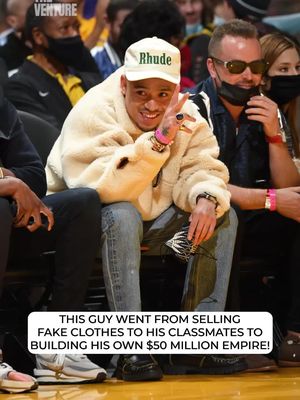
This supermodel turned her skincare obsession into a $1 billion beauty empire 💄💰 Hailey Bieber was famous as a model and Justin Bieber's wife, but she couldn't find simple, effective skincare products that gave her the "glazed donut" glow she was known for. Instead of just complaining, she created the solution herself. ✅ Launched RHODE in June 2022 with just 3 simple products ✅ Made high-quality skincare affordable for regular people ✅ Used her massive social media following for instant buzz ✅ Expanded into major retailers like Sephora nationwide $0 → $212 million in sales in just 3 years. Sold to e.l.f. Beauty for $1 billion in 2025. Sometimes your personal frustrations become your biggest opportunities. Hailey's skincare struggles became millions of people's beauty solution. What daily problem are you dealing with that could become a billion-dollar business? 🤔 #Business #Beauty #Entrepreneur #Success #Skincare
589K
23.5K
130
6mo ago
theventure
This supermodel turned her skincare obsession into a $1 billion beauty empire 💄💰 Hailey Bieber was famous as a model and Justin Bieber's wife, but she couldn't find simple, effective skincare products that gave her the "glazed donut" glow she was known for. Instead of just complaining, she created the solution herself. ✅ Launched RHODE in June 2022 with just 3 simple products ✅ Made high-quality skincare affordable for regular people ✅ Used her massive social media following for instant buzz ✅ Expanded into major retailers like Sephora nationwide $0 → $212 million in sales in just 3 years. Sold to e.l.f. Beauty for $1 billion in 2025. Sometimes your personal frustrations become your biggest opportunities. Hailey's skincare struggles became millions of people's beauty solution. What daily problem are you dealing with that could become a billion-dollar business? 🤔 #Business #Beauty #Entrepreneur #Success #Skincare
From Boat Show Failure to $6B Foam Empire: Scott Seamans' Crocs 👟🐊 Scott Seamans wasn't a footwear designer. In 2002, he discovered a strange foam clog made by Canadian company Foam Creations at a boat show in Florida. Together with friends Lyndon Hanson and George Boedecker, he acquired the rights to the foam technology and repositioned the clogs for everyday comfort. When fashion brands were focused on style over function, Crocs embraced their ugly appearance and focused entirely on comfort, durability, and ease of use. The breakthrough came from their unconventional target market. While other shoe companies fought for fashion-conscious consumers, Crocs marketed to healthcare workers and chefs who stood all day and valued function over appearance. After nearly going bankrupt during the 2008 financial crisis, Crocs made an incredible comeback and now has a market cap exceeding $10 billion. What strategies drove their unlikely success? Embrace Polarizing Design: Rather than trying to please everyone, Crocs leaned into their distinctive (and often criticized) appearance, creating a love-it-or-hate-it product that generated conversation. Find Functional Niches First: By targeting professionals who valued comfort over style, they built a loyal customer base that provided steady revenue and authentic word-of-mouth marketing. Turn Criticism Into Brand Identity: When fashion critics called them ugly, Crocs made "ugly comfortable" part of their identity, transforming a negative into a distinctive positioning. Seamans and his co-founders' story demonstrates that sometimes conventional wisdom about what makes a successful product is wrong. By creating shoes that prioritized comfort over appearance and embracing rather than hiding their unusual design, they built a footwear empire that has defied fashion norms and financial challenges. #Crocs #FootwearIndustry #BrandComeback #UglyShoes #ProductDesign #EntrepreneurJourney #ComfortableShoes #FashionDisruption #BusinessTurnaround #BrandResilience
532K
29.3K
97
9mo ago
theventure
From Boat Show Failure to $6B Foam Empire: Scott Seamans' Crocs 👟🐊 Scott Seamans wasn't a footwear designer. In 2002, he discovered a strange foam clog made by Canadian company Foam Creations at a boat show in Florida. Together with friends Lyndon Hanson and George Boedecker, he acquired the rights to the foam technology and repositioned the clogs for everyday comfort. When fashion brands were focused on style over function, Crocs embraced their ugly appearance and focused entirely on comfort, durability, and ease of use. The breakthrough came from their unconventional target market. While other shoe companies fought for fashion-conscious consumers, Crocs marketed to healthcare workers and chefs who stood all day and valued function over appearance. After nearly going bankrupt during the 2008 financial crisis, Crocs made an incredible comeback and now has a market cap exceeding $10 billion. What strategies drove their unlikely success? Embrace Polarizing Design: Rather than trying to please everyone, Crocs leaned into their distinctive (and often criticized) appearance, creating a love-it-or-hate-it product that generated conversation. Find Functional Niches First: By targeting professionals who valued comfort over style, they built a loyal customer base that provided steady revenue and authentic word-of-mouth marketing. Turn Criticism Into Brand Identity: When fashion critics called them ugly, Crocs made "ugly comfortable" part of their identity, transforming a negative into a distinctive positioning. Seamans and his co-founders' story demonstrates that sometimes conventional wisdom about what makes a successful product is wrong. By creating shoes that prioritized comfort over appearance and embracing rather than hiding their unusual design, they built a footwear empire that has defied fashion norms and financial challenges. #Crocs #FootwearIndustry #BrandComeback #UglyShoes #ProductDesign #EntrepreneurJourney #ComfortableShoes #FashionDisruption #BusinessTurnaround #BrandResilience
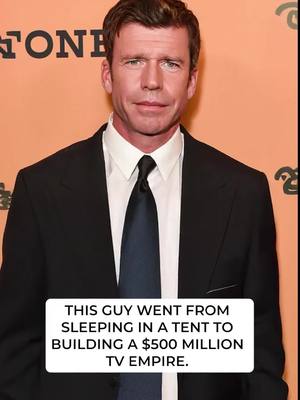
How "Yellowstone" made Taylor Sheridan a half-billion dollar empire 🤠💰 Meet the real-life cowboy behind Yellowstone - Taylor Sheridan. In 2015, after two decades as a struggling actor living in his car, he switched to screenwriting at age 40 and created a neo-Western TV empire. After watching traditional Westerns disappear from screens, Sheridan convinced Paramount to take a chance on "Yellowstone," a series about a powerful rancher fighting to protect his land from developers, politicians, and a neighboring Native American reservation. When the show exploded to 15 million viewers, he leveraged his success by creating spinoffs like "1883" and "1923," bringing Hollywood legends like Harrison Ford into his world. The breakthrough came when Sheridan purchased the historic 6666 Ranch for $320 million with investors. He now films his own shows on his own property, charging Paramount $50,000 weekly for location use, plus fees for his cattle and "cowboy camp" training. Today, the Yellowstone franchise is worth $500 million, with spinoffs continuing to expand his empire. What transformed a struggling actor into a half-billion dollar showrunner? Authentic Storytelling: By drawing from his real ranching experience, Sheridan created a world that resonated with audiences overlooked by Hollywood. Complete Creative Control: Unlike most showrunners, Sheridan writes every episode himself, maintaining a singular vision that connects with viewers. Business Integration: Rather than separating his creative and business ventures, Sheridan built a vertically integrated empire where his shows promote his ranches and vice versa. Sheridan's story demonstrates that sometimes the biggest opportunities come from personal experience. By turning his childhood ranch background into television's most successful franchise, he created an empire that transformed the modern Western genre. #taylorSheridan #yellowstone #paramount #KevinCostner #1883 #tvshows #westerns #ranchlife #hollywood #screenwriting #successstory #producer #directorlife #cowboy #montanalife #texasranch
455K
21.9K
146
9mo ago
theventure
How "Yellowstone" made Taylor Sheridan a half-billion dollar empire 🤠💰 Meet the real-life cowboy behind Yellowstone - Taylor Sheridan. In 2015, after two decades as a struggling actor living in his car, he switched to screenwriting at age 40 and created a neo-Western TV empire. After watching traditional Westerns disappear from screens, Sheridan convinced Paramount to take a chance on "Yellowstone," a series about a powerful rancher fighting to protect his land from developers, politicians, and a neighboring Native American reservation. When the show exploded to 15 million viewers, he leveraged his success by creating spinoffs like "1883" and "1923," bringing Hollywood legends like Harrison Ford into his world. The breakthrough came when Sheridan purchased the historic 6666 Ranch for $320 million with investors. He now films his own shows on his own property, charging Paramount $50,000 weekly for location use, plus fees for his cattle and "cowboy camp" training. Today, the Yellowstone franchise is worth $500 million, with spinoffs continuing to expand his empire. What transformed a struggling actor into a half-billion dollar showrunner? Authentic Storytelling: By drawing from his real ranching experience, Sheridan created a world that resonated with audiences overlooked by Hollywood. Complete Creative Control: Unlike most showrunners, Sheridan writes every episode himself, maintaining a singular vision that connects with viewers. Business Integration: Rather than separating his creative and business ventures, Sheridan built a vertically integrated empire where his shows promote his ranches and vice versa. Sheridan's story demonstrates that sometimes the biggest opportunities come from personal experience. By turning his childhood ranch background into television's most successful franchise, he created an empire that transformed the modern Western genre. #taylorSheridan #yellowstone #paramount #KevinCostner #1883 #tvshows #westerns #ranchlife #hollywood #screenwriting #successstory #producer #directorlife #cowboy #montanalife #texasranch
This guy turned a controversial drink into a $30 billion energy drink empire by ignoring every marketing rule in the book🔋🐄
420K
16.8K
76
9mo ago
theventure
This guy turned a controversial drink into a $30 billion energy drink empire by ignoring every marketing rule in the book🔋🐄
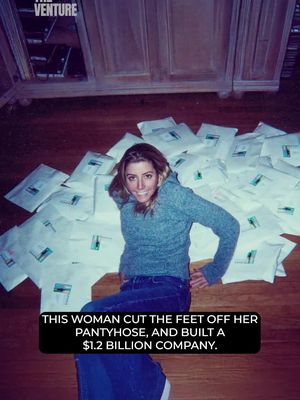
Caption: The world’s youngest self-made female billionaire: 👗💪  Sara Blakely was selling fax machines door-to-door when she cut the feet off her pantyhose to wear under white pants for a party. This simple hack led to a billion-dollar idea. With just $5,000 in savings and no business experience, she spent two years being rejected by every hosiery manufacturer in North Carolina. When one finally agreed to help, she discovered why women's undergarments had been so uncomfortable for so long—they were designed by men who never wore them. Breaking industry norms, she created bold red packaging instead of beige, used cartoon women instead of models, and personally demonstrated her product in Neiman Marcus stores across the country. Her big break came when Oprah featured Spanx on her Favorite Things show, causing sales to explode overnight. What transformed a DIY pantyhose hack into a global shapewear empire? Solve a Real Problem: She addressed an actual frustration that millions of women experienced but no one in the industry bothered to fix. Own Your Distribution: By bootstrapping without investors and maintaining 100% ownership, she could make decisions based on customer needs rather than quarterly earnings. Be Your Own Best Advertisement: Rather than spending money on traditional marketing in the early days, she became the face and voice of the brand, demonstrating products herself in department stores across America. Blakely's journey shows how firsthand understanding of a consumer problem can create billion-dollar opportunities. By rejecting industry conventions and focusing on what women actually wanted, she built a company that made her America's youngest self-made female billionaire. #entrepreneur #femalefounder #womeninbusiness #billionaire #spanx #founderstory #selfmade #innovation #disruptor #shapewear #startup #bootstrapping #business #businesswoman #successstory #womanentrepreneur #womenentrepreneurs #inspiringstories
390K
12.1K
41
10mo ago
theventure
Caption: The world’s youngest self-made female billionaire: 👗💪 Sara Blakely was selling fax machines door-to-door when she cut the feet off her pantyhose to wear under white pants for a party. This simple hack led to a billion-dollar idea. With just $5,000 in savings and no business experience, she spent two years being rejected by every hosiery manufacturer in North Carolina. When one finally agreed to help, she discovered why women's undergarments had been so uncomfortable for so long—they were designed by men who never wore them. Breaking industry norms, she created bold red packaging instead of beige, used cartoon women instead of models, and personally demonstrated her product in Neiman Marcus stores across the country. Her big break came when Oprah featured Spanx on her Favorite Things show, causing sales to explode overnight. What transformed a DIY pantyhose hack into a global shapewear empire? Solve a Real Problem: She addressed an actual frustration that millions of women experienced but no one in the industry bothered to fix. Own Your Distribution: By bootstrapping without investors and maintaining 100% ownership, she could make decisions based on customer needs rather than quarterly earnings. Be Your Own Best Advertisement: Rather than spending money on traditional marketing in the early days, she became the face and voice of the brand, demonstrating products herself in department stores across America. Blakely's journey shows how firsthand understanding of a consumer problem can create billion-dollar opportunities. By rejecting industry conventions and focusing on what women actually wanted, she built a company that made her America's youngest self-made female billionaire. #entrepreneur #femalefounder #womeninbusiness #billionaire #spanx #founderstory #selfmade #innovation #disruptor #shapewear #startup #bootstrapping #business #businesswoman #successstory #womanentrepreneur #womenentrepreneurs #inspiringstories
From Harvard Grad to $62B Hedge Fund: Ken Griffin's Citadel 📈💰 Ken Griffin wasn't a Wall Street insider. In 1987, as a 19-year-old Harvard sophomore, he installed a satellite dish on his dorm to get real-time stock quotes during the market crash and convinced investors to give him $265,000 to start trading. He founded Citadel and pioneered the use of sophisticated mathematical models and computer algorithms when most traders still relied on intuition. When other hedge funds specialized in specific strategies, Citadel diversified across multiple trading approaches to reduce risk. The breakthrough came from his technology-first approach. While competitors outsourced their technology, Griffin invested billions in proprietary trading systems and data centers, essentially building a tech company disguised as a hedge fund. Today, Citadel manages $62 billion in assets and has made Griffin one of the richest people in the world with a net worth exceeding $35 billion. What strategies drove Griffin's remarkable success? Turn Crisis Into Opportunity: During the 2008 financial crisis, when Citadel lost 55% and investors wanted out, Griffin doubled down and rebuilt stronger risk management systems that later drove record returns. Hire Outside Traditional Finance: By recruiting scientists, mathematicians, and engineers rather than just finance graduates, Citadel gained analytical capabilities competitors couldn't match. Control Your Technology Stack: Rather than relying on third-party systems, Griffin built proprietary trading platforms that gave Citadel microsecond advantages in execution speed. Griffin's story demonstrates that technological innovation can transform even the most established industries. By approaching finance as a data and technology challenge rather than just a matter of market intuition, he built a firm that consistently outperforms traditional investment approaches and has redefined what's possible in quantitative trading. #Citadel #HedgeFund #QuantitativeTrading #FinancialMarkets #TradingAlgorithms #EntrepreneurJourney #InvestmentStrategy #FinTech #WallStreet #FinancialSuccess
382K
21.1K
139
8mo ago
theventure
From Harvard Grad to $62B Hedge Fund: Ken Griffin's Citadel 📈💰 Ken Griffin wasn't a Wall Street insider. In 1987, as a 19-year-old Harvard sophomore, he installed a satellite dish on his dorm to get real-time stock quotes during the market crash and convinced investors to give him $265,000 to start trading. He founded Citadel and pioneered the use of sophisticated mathematical models and computer algorithms when most traders still relied on intuition. When other hedge funds specialized in specific strategies, Citadel diversified across multiple trading approaches to reduce risk. The breakthrough came from his technology-first approach. While competitors outsourced their technology, Griffin invested billions in proprietary trading systems and data centers, essentially building a tech company disguised as a hedge fund. Today, Citadel manages $62 billion in assets and has made Griffin one of the richest people in the world with a net worth exceeding $35 billion. What strategies drove Griffin's remarkable success? Turn Crisis Into Opportunity: During the 2008 financial crisis, when Citadel lost 55% and investors wanted out, Griffin doubled down and rebuilt stronger risk management systems that later drove record returns. Hire Outside Traditional Finance: By recruiting scientists, mathematicians, and engineers rather than just finance graduates, Citadel gained analytical capabilities competitors couldn't match. Control Your Technology Stack: Rather than relying on third-party systems, Griffin built proprietary trading platforms that gave Citadel microsecond advantages in execution speed. Griffin's story demonstrates that technological innovation can transform even the most established industries. By approaching finance as a data and technology challenge rather than just a matter of market intuition, he built a firm that consistently outperforms traditional investment approaches and has redefined what's possible in quantitative trading. #Citadel #HedgeFund #QuantitativeTrading #FinancialMarkets #TradingAlgorithms #EntrepreneurJourney #InvestmentStrategy #FinTech #WallStreet #FinancialSuccess
This Harvard grad turned a $3 million investment firm into a $2.6 billion payday 📈💰 Bill Ackman started Gotham Partners right after Harvard with $3 million. He grew it to $300 million in 10 years, then lost everything to lawsuits. Instead of quitting, he started over with Pershing Square Holdings in 2004. ✅ Started Gotham Partners with $3 million from Harvard ✅ Grew to $300 million before lawsuits shut it down ✅ Launched Pershing Square as activist investor in 2004 ✅ Made $670 million pressuring Wendy's to sell Tim Hortons $27 million COVID bet → $2.6 billion profit in months. Now manages billions in assets. Sometimes your biggest failures set you up for your biggest wins. Bill's lawsuit disaster became his comeback story. What setback are you facing that could become your greatest opportunity? 🤔 #Business #Investing #WallStreet #Success #Comeback
380K
22.9K
142
6mo ago
theventure
This Harvard grad turned a $3 million investment firm into a $2.6 billion payday 📈💰 Bill Ackman started Gotham Partners right after Harvard with $3 million. He grew it to $300 million in 10 years, then lost everything to lawsuits. Instead of quitting, he started over with Pershing Square Holdings in 2004. ✅ Started Gotham Partners with $3 million from Harvard ✅ Grew to $300 million before lawsuits shut it down ✅ Launched Pershing Square as activist investor in 2004 ✅ Made $670 million pressuring Wendy's to sell Tim Hortons $27 million COVID bet → $2.6 billion profit in months. Now manages billions in assets. Sometimes your biggest failures set you up for your biggest wins. Bill's lawsuit disaster became his comeback story. What setback are you facing that could become your greatest opportunity? 🤔 #Business #Investing #WallStreet #Success #Comeback
These college friends turned a $15K bathroom joke into a $300M empire 🧻💰 Sean Riley, Ryan Meegan, Brian Wilkin, and Jeff Klimkowski were joking about baby wipes when they realized - why isn't there a wipe made just for guys? With only $15,000, they created Dude Wipes. Every store rejected them. ✅ Started with just $15,000 between four friends ✅ Gave out free samples when stores said no ✅ Built Amazon sales from $0 to $300K ✅ Got Mark Cuban on Shark Tank for $300K deal $300K → $3M → $70M → $110M in revenue. Now worth $300M+ and in 40,000 stores. Don't be scared to solve "weird" problems. The ideas others laugh at might make you rich. What "silly" problem could you solve that millions of people actually have? 🤔 #Business #SharkTank #Success #Startup #Entrepreneur
368K
11.2K
77
6mo ago
theventure
These college friends turned a $15K bathroom joke into a $300M empire 🧻💰 Sean Riley, Ryan Meegan, Brian Wilkin, and Jeff Klimkowski were joking about baby wipes when they realized - why isn't there a wipe made just for guys? With only $15,000, they created Dude Wipes. Every store rejected them. ✅ Started with just $15,000 between four friends ✅ Gave out free samples when stores said no ✅ Built Amazon sales from $0 to $300K ✅ Got Mark Cuban on Shark Tank for $300K deal $300K → $3M → $70M → $110M in revenue. Now worth $300M+ and in 40,000 stores. Don't be scared to solve "weird" problems. The ideas others laugh at might make you rich. What "silly" problem could you solve that millions of people actually have? 🤔 #Business #SharkTank #Success #Startup #Entrepreneur
From Makeup Blogger to $1.2B Beauty Empire: Huda Kattan's Huda Beauty 💄✨ Huda Kattan wasn't a cosmetics industry insider. In 2010, after quitting her finance job, the Iraqi-American entrepreneur started a beauty blog and YouTube channel to share her passion for makeup techniques and products. She built a massive following by sharing honest reviews and tutorials before launching any products of her own. When established brands were spending millions on marketing, Kattan created a dedicated audience of millions who trusted her opinions. The breakthrough came from her first product launch. While competitors tried to be everything to everyone, Huda Beauty launched with a single product category in 2013 - premium false eyelashes that addressed specific pain points she had identified through her own experience. Today, Huda Beauty sells a product every two seconds and was valued at $1.2 billion when TSG Consumer Partners acquired a minority stake. What strategies drove her remarkable beauty success? Build Community Before Commerce: By establishing herself as a trusted voice before selling products, Kattan created a ready audience of customers who already valued her expertise. Use Personal Experience as R&D: Her products solved problems she personally encountered, ensuring they addressed real needs rather than hypothetical market gaps. Embrace Cultural Identity as Strength: As a Middle Eastern woman, Kattan created products for skin tones and beauty preferences often overlooked by Western brands, expanding her global appeal. Kattan's story demonstrates how social media has transformed the beauty industry's power dynamics. By building direct relationships with millions of followers before launching products, she created a brand that grew through authentic connection rather than traditional advertising, changing how beauty companies approach product development and marketing. #HudaBeauty #BeautyInfluencer #CosmeticsBrand #SocialMediaMarketing #FemaleFounder #EntrepreneurJourney #BeautyEmpire #InfluencerBrand #MiddleEasternBeauty #BeautyStartup
336K
23.4K
72
8mo ago
theventure
From Makeup Blogger to $1.2B Beauty Empire: Huda Kattan's Huda Beauty 💄✨ Huda Kattan wasn't a cosmetics industry insider. In 2010, after quitting her finance job, the Iraqi-American entrepreneur started a beauty blog and YouTube channel to share her passion for makeup techniques and products. She built a massive following by sharing honest reviews and tutorials before launching any products of her own. When established brands were spending millions on marketing, Kattan created a dedicated audience of millions who trusted her opinions. The breakthrough came from her first product launch. While competitors tried to be everything to everyone, Huda Beauty launched with a single product category in 2013 - premium false eyelashes that addressed specific pain points she had identified through her own experience. Today, Huda Beauty sells a product every two seconds and was valued at $1.2 billion when TSG Consumer Partners acquired a minority stake. What strategies drove her remarkable beauty success? Build Community Before Commerce: By establishing herself as a trusted voice before selling products, Kattan created a ready audience of customers who already valued her expertise. Use Personal Experience as R&D: Her products solved problems she personally encountered, ensuring they addressed real needs rather than hypothetical market gaps. Embrace Cultural Identity as Strength: As a Middle Eastern woman, Kattan created products for skin tones and beauty preferences often overlooked by Western brands, expanding her global appeal. Kattan's story demonstrates how social media has transformed the beauty industry's power dynamics. By building direct relationships with millions of followers before launching products, she created a brand that grew through authentic connection rather than traditional advertising, changing how beauty companies approach product development and marketing. #HudaBeauty #BeautyInfluencer #CosmeticsBrand #SocialMediaMarketing #FemaleFounder #EntrepreneurJourney #BeautyEmpire #InfluencerBrand #MiddleEasternBeauty #BeautyStartup