NewGet @steven's full report

instagram analytics
Similar Accounts:
instagram analytics
Similar Accounts:
followers
5.30M
impressions
348M
likes
13.2M
comments
1.35M
posts
185
engagement
4.21%
emv
$11.9M
Average per post
1.88M
Key Metrics
Impressions
monthly
Distributions
Content

16.4M
658K
15.9K
9mo ago

steven
She said Yes 💍🥺
To say I was nervous is an understatement… i could feel my heart racing in my chest. She thought I was away in Europe - but I had snuck into Morocco on Christmas Day where she was on holiday with her family - I asked her mother and father if I could ask her to marry me - then had to build this big hut outside because a thunderstorm was forecast last minute 😅 - and then I stepped out and surprised her when she thought she was meeting her fam for dinner. Thankfully she said yes.
10 years ago, I didn’t really understand the concept of marriage as many of you know - I was definitely an “avoidant” - but when you meet the right person, a lot of things start to make a lot of sense ❤️
Update: thank you for all the kind words and congratulations!!!
14.4M
355K
14.7K
8mo ago

steven
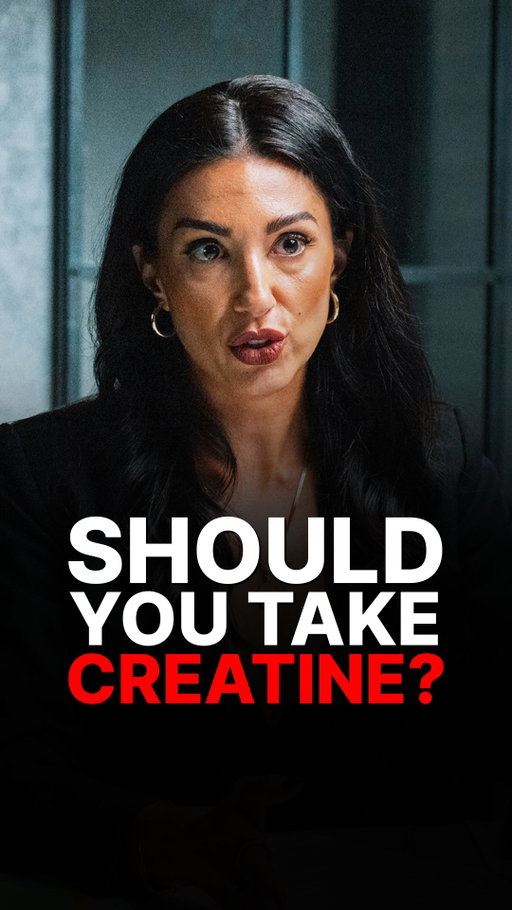
Creatine might be doing more for your brain than you realise 🧠
Comment ‘Brain’ and I’ll personally DM you our conversation.
Louisa Nicola explains that creatine is not just a muscle supplement. The body produces only a small amount naturally, and a standard five gram dose mainly supports muscle, with limited amounts reaching the brain.
Because it must cross into the brain, higher doses have been studied for cognitive support. Louisa also points to evidence suggesting creatine may help protect the brain during stress and injury.
Would you take creatine for brain health?
Credit: @louisanicola_ x @thediaryofaceopodcast

12.5M
382K
117K
1mo ago
steven
Comment ‘watch’ and I’ll DM you the full episode.
Around 20% of the population display antisocial behaviour as a consistent part of their personality
That statistic made me think about how good we ACTUALLY are at knowing who we can trust..
Because the people who manipulate us rarely introduce themselves as manipulative. They can be charming, confident, persuasive and for a while, very convincing.
So I wanted to understand what we should actually be looking for.
@leannetenbrinke is a psychology professor and the founder of the Truth and Trust Lab. She has spent almost two decades studying psychopaths, narcissists and manipulators across prisons, workplaces and politics.
What I found particularly interesting about Leanne’s work is how practical it is. She studies the small patterns in someone’s behaviour that can tell you much more than the confidence or charisma they show you.
We discussed things like:
- The behaviours that can expose a dark personality within seconds.
- How some of the most manipulative people can initially appear incredibly charming.
- The signs someone may be lying that have nothing to do with eye contact.
- Why toxic personalities are often drawn towards positions of power.
- What to do when the difficult person in your life is someone you can’t simply walk away from.
One thing that stayed with me from this conversation was how much attention we give to how someone makes us feel when we first meet them.
Confidence can feel like competence. Charm can feel like trustworthiness, but neither necessarily tells you very much about who that person really is.
Leanne explained that what matters far more is consistency and the point is to become better at recognising repeated patterns of behaviour and knowing which ones you shouldn’t ignore.
If you’ve ever had that feeling that something about somebody doesn’t quite add up, but you couldn’t explain why, I think you’ll find this conversation fascinating.
Out now on all platforms ❤️👊🏾 @thediaryofaceopodcast

11.4M
677K
16.6K
5mo ago
steven
“I think the receipts for love is grief” ❤️

10.8M
553K
7.06K
4mo ago
steven
True, deep relationships require your total, undivided presence.. not just the spare moments between notifications... ❤️
Comment WATCH below and I’ll personally DM you this full conversation
9.68M
327K
48.7K
11mo ago
steven
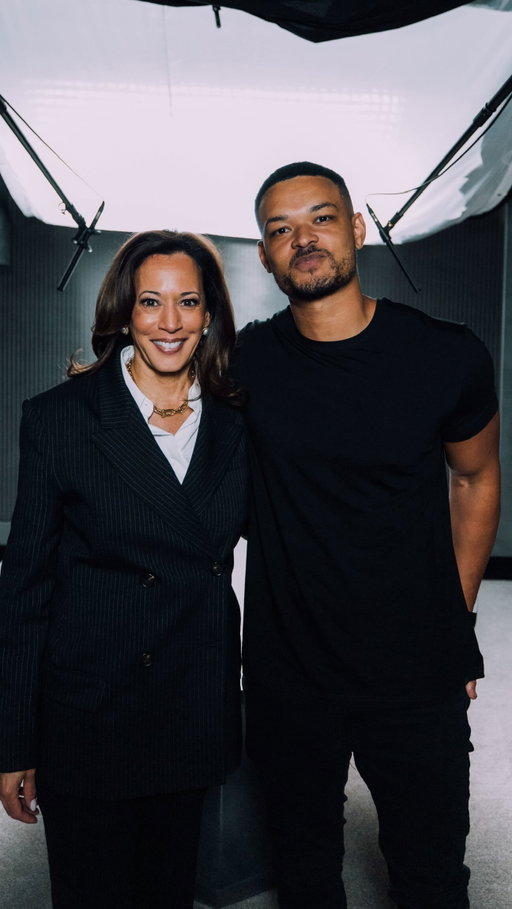
Comment ‘Kamala’ and I’ll personally DM you the full conversation.
Kamala Harris made history as America’s first female, first Black, and first South Asian Vice President.
Today, she sits down with me for the longest interview she has ever had…
Before becoming Vice President, she served as California’s Attorney General and later as a U.S. Senator.
In a time when America feels divided and uncertain, Kamala told me I could ask her anything… and that’s what I did.
We spoke candidly about the night she thought she’d won, a moment she says felt almost unreal comparing it to the loss of her mother.
We cover:
- What really happened the night she lost to Trump…
- Her complicated relationship with Joe Biden.
- When did she realise the White House was suppressing her?
- The phone call that made her furious before the debate.
- If she regrets not doing the Joe Rogan interview?
- What was it like pretending Biden was okay when she knew he wasn’t?
And… will she run for president again in 2028?
I didn’t want another interview full of talking points. I wanted to understand why Kamala cares so deeply about what she does and where that conviction comes from.
There were moments in our conversation where you could see how heavy it still is for her.
Her work has always been about people, shaped by empathy, service, and faith in what America stands for.
Regardless of where you stand politically, this conversation is about leadership, honesty, and what it takes to keep fighting when you’ve lost everything.
And as a podcaster, having these conversations are important as they shed light on the inner workings of the people and systems that govern us.
Watch the full episode now on YouTube: search “The Diary Of A CEO Kamala Harris.
9.63M
309K
130K
3mo ago
steven
Comment ‘watch’ and I’ll DM you the full episode.
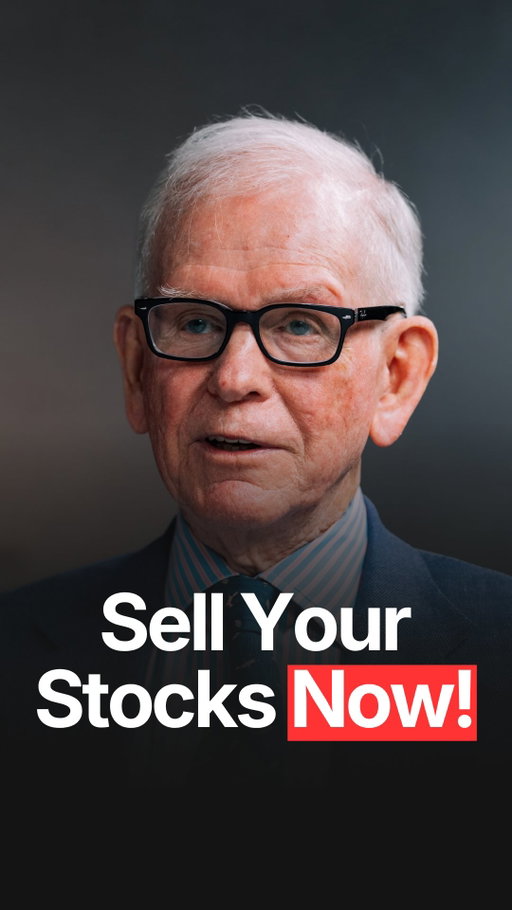
Are we confusing how important AI is with how safe it is to invest in?
Today I’m sitting down with Jeremy Grantham - a man whose firm managed up to $165 billion and helped create one of the world’s first index funds.
He has spent more than 60 years studying markets, money, and human behaviour.
Along the way, he’s built a legendary reputation for spotting financial ‘bubbles’ long before most people admit they exist - those rare, dangerous moments when pure excitement and FOMO push asset prices completely out of reality, far beyond what they are actually worth.
And Jeremy believes that exact pattern is happening with AI right now...
We broke this down some more:
- Could AI be revolutionary and still become a dangerous bubble?
- Why do the most exciting stocks often fall the hardest?
- What would happen if AI stocks dropped by 70%?
- How did Amazon fall 92% and still become one of the biggest companies on earth?
- Are markets driven more by psychology than numbers?
- Why is Jeremy moving his own money out of US stocks?
- Could house prices still have further to fall?
And this conversation didn’t stop at markets…
Jeremy also opened up about what’s happening to human fertility…
He broke down why sperm counts have dropped so dramatically since 1970 and the hidden role that pesticides, plastics, and PFAS are playing that most people completely fail to realise.
What became clear to me during our chat is that Jeremy isn’t just warning us about AI.
He’s warning us about our behaviour around risk - the assumption that because something will matter in the future, any price we pay for it today must be justified.
He wants us to know that something can be revolutionary and STILL be overpriced…
For anyone trying to understand what we might be missing in this AI moment and beyond, this is an essential conversation.
@thediaryofaceopodcast
9.04M
475K
3.95K
5mo ago
steven
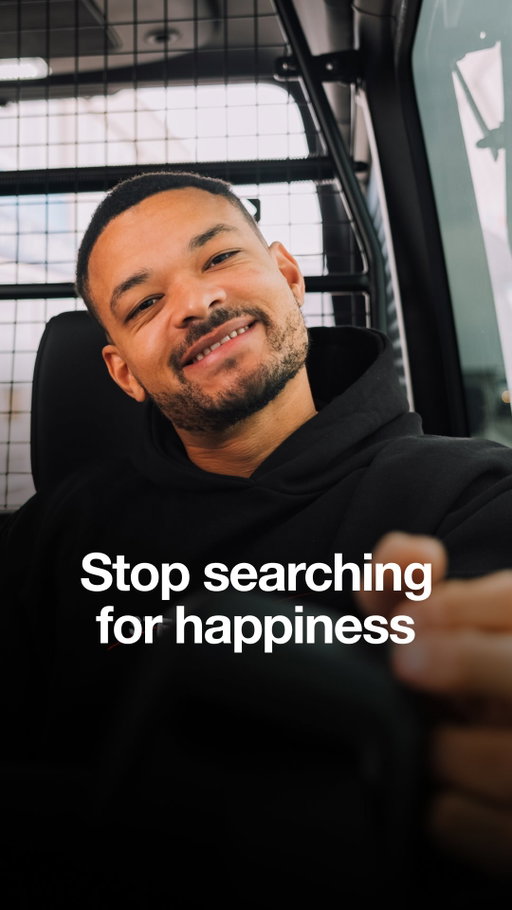
“Happiness is found in what we get.. peace is found in what we let go” ... ❤️
Comment below and I’ll personally DM you this full conversation..
6.64M
204K
93.0K
3mo ago
steven
Comment ‘more’ and I will DM you this full episode.
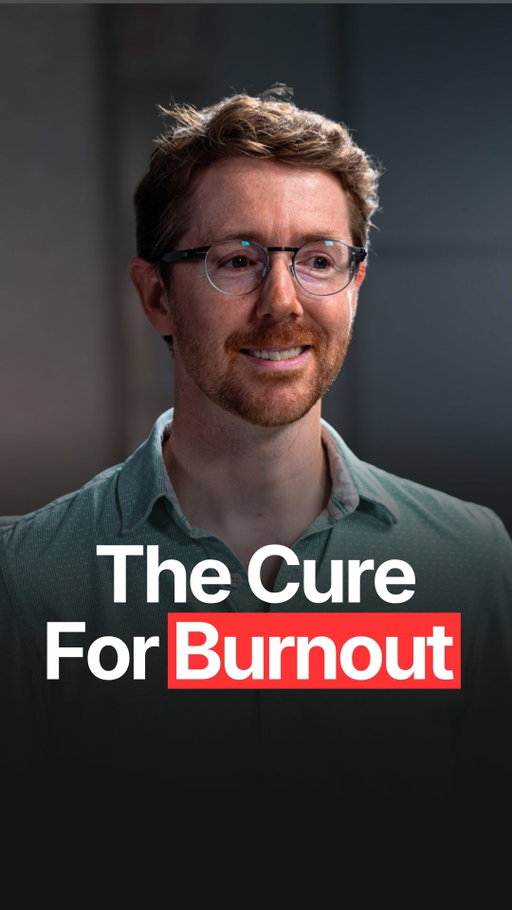
How much physical energy does it ACTUALLY cost you to worry about the future?
Dr Martin Picard’s research argues stress isn’t just a mental weight - it’s an expensive biological tax on your cells.
In his lab, when human cells were exposed to stress hormones, the energy cost of just staying alive inside those cells shot up by 60% (He’s also the scientist whose team literally sliced a human brain into 703 cubes just to map how energy moves through it 🤯)
You have a stressful morning, a difficult conversation, or a few anxious thoughts you can’t shake, and by 2pm you feel completely drained. Your mind is tired, but your cells are genuinely exhausted.
Dr Martin Picard is a Professor of Behavioural Medicine at Columbia University and I sat down with him to understand how our emotions and lived experiences physically change the mitochondria inside us - the tiny structures responsible for producing all the energy we rely on.
My energy has always felt a bit like roulette. Some days I wake up feeling incredible, other days I feel like I’ve done the exact same things but I’ve got nothing in the tank.
Martin completely reframed how I look at this. Energy isn’t just a biological default; it’s one of the most important scientific questions of our lives.
We discussed things like:
- Why you can do everything “right” (sleep, diet, exercise) and still wake up completely exhausted.
- The physical tax of stress and what a single anxious morning does to your cells.
- Why mitochondria are the missing link behind burnout, depression, and chronic fatigue.
- What actually dictates your cellular energy day-to-day.
- The truth about whether fasting, meditation, deep purpose and relationships can rewrite your biology.
This is a conversation about understanding what your body is constantly responding to where your energy is actually going and why so many of us feel tired in ways that more sleep or more food don’t always solve.
If you feel flat, anxious, or exhausted and can’t explain why - this one’s for you.
6.54M
316K
14.4K
11mo ago
steven
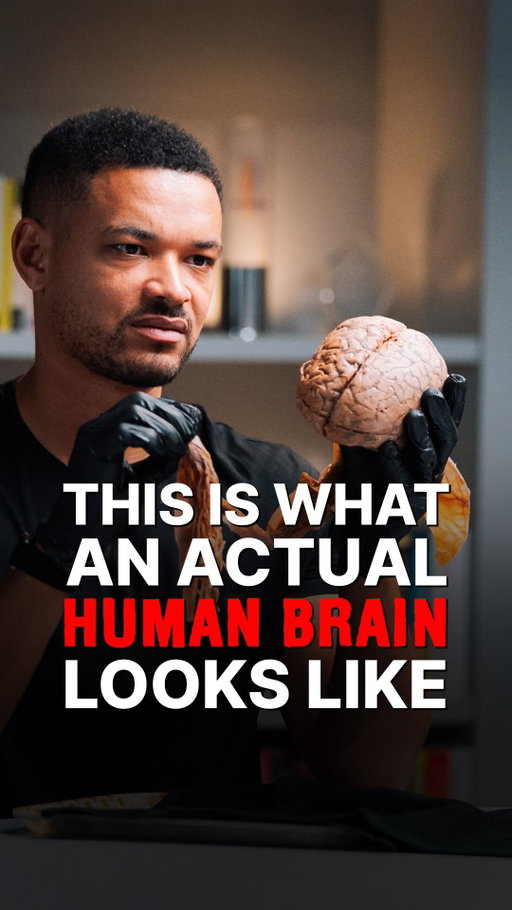
This is what a real human brain looks like.
Comment “Brain” and I’ll personally DM you our conversation.
Dr Jill Taylor brings out an actual human brain complete with the spinal cord and nerves to show the incredible complexity of what makes us who we are.
She explains how every thought, emotion, and movement starts right here.
Have you ever seen a real human brain before?
Credit: Dr Jill Taylor x @thediaryofaceopodcast
5.43M
96.2K
20.5K
4mo ago
steven
Comment ‘watch’ below and we will send you this full episode.
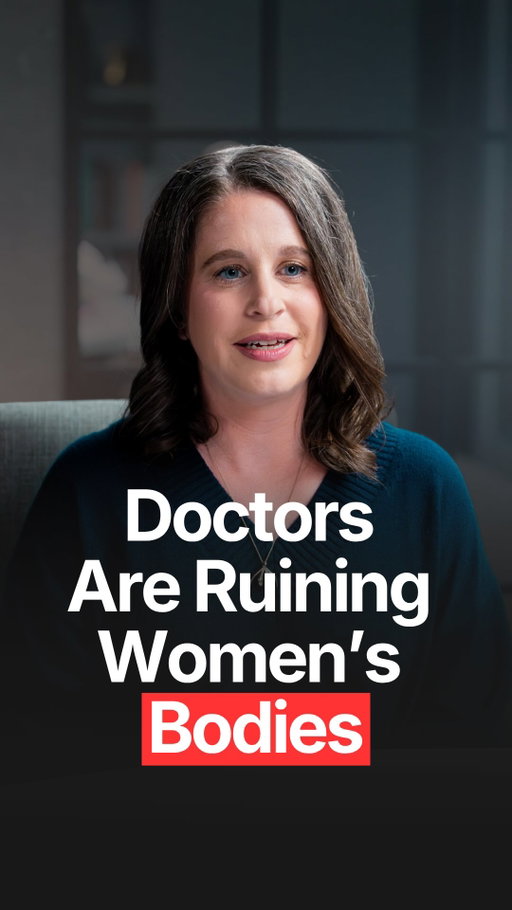
I was shocked to learn that in some studies, up to 27% of people on birth control report a decrease in their libido or sex drive.
And yet, how many people are ACTUALLY talking about this?
That’s why today I’m sitting down with @drrachelrubin .
Rachel is a board-certified urologist and sexual medicine specialist and one of ONLY 80 doctors in the US trained to treat both male and female sexual health.
Before we started recording, Rachel said “I’m filled with rage”…
She explained that people are being denied basic information about their bodies, hormones, sexual health and the treatments that could improve their quality of life…
I said to Rachel in this conversation that it’s staggering that so many women are still being let down by the medical system. It makes you think - if men were in this exact situation, would this be the case?
We discussed things like:
- Why so many women are told their symptoms are normal when they are actually treatable.
- Why Testosterone is not just a male hormone.
- How hormones can affect UTIs, libido, pain during sex and overall quality of life.
- If doctors are properly trained in women’s sexual health.
- Why men need to understand the main topic of this episode too.
What became clear to me is that this isn’t just a conversation about sex. It’s about health, relationships, confidence, ageing, pain, shame and the way people feel in their own bodies.
At the end of the conversation I told Rachel that there are very few people who have her credibility and experience, with her ability to explain these subjects in a way people can actually understand.
For anyone who wants to better understand their own body, or better understand someone they love - I really recommend watching this conversation.
Watch our full conversation now on YouTube, Spotify or Apple Podcasts. Search “The Diary Of A CEO DR Rachel Rubin”.
5.27M
148K
28.1K
11mo ago
steven
Comment ‘Watch’ and I’ll personally DM you the full conversation.
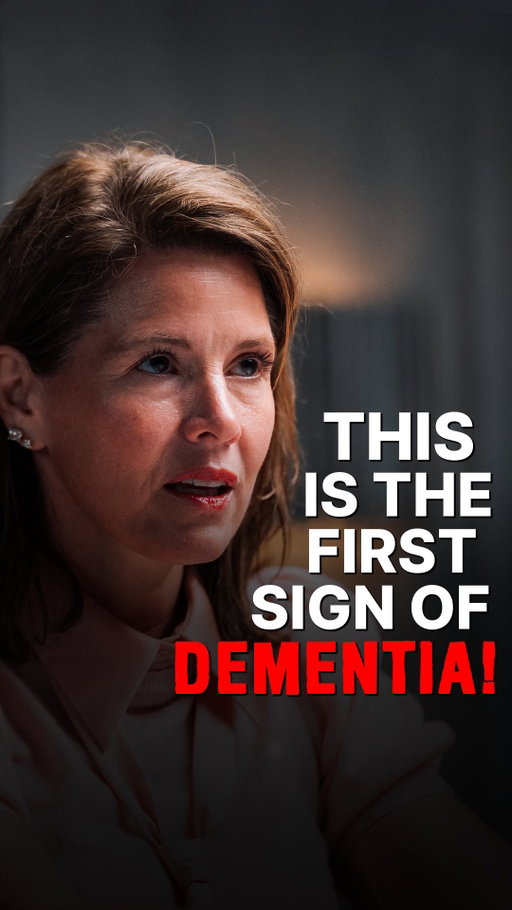
Does insulin shape your brain health as you age? You’ll find out if you watch this conversation…
Today’s guest believes most people don’t realise it’s happening until the damage is already there.
Dr Annette is a doctor who treats chronic conditions and has spent over 20 years helping patients with complex situations that weren’t getting better.
Her work focuses on metabolism and brain health and what they really mean for long-term health.
She explained to me about the “trash” the brain can’t clear when insulin stays high and why people can be two decades behind in brain repair! (something I didn’t realise was happening silently for years)
We cover:
- What early signs does your body give you before blood tests ever do?
- Why brain fog and low mood often share the same root cause.
- What do ketones do for brain repair and metabolic health?
- Why eating late at night makes your brain age faster?
In the final part of the conversation, Dr Annette walked me through my own blood sugar and ketone readings. What I learned was that my eating patterns shape my insulin levels overnight which ultimately changes my brain’s ability to repair.
These signals show up really fast - even when you think you’re doing things RIGHT.
So much of this comes down to understanding what your body is doing in real time and not guessing.
If you want a clearer understanding of what’s happening inside your metabolism and your brain, this episode will help you understand what’s going on.
5.11M
194K
1.54K
6mo ago
steven
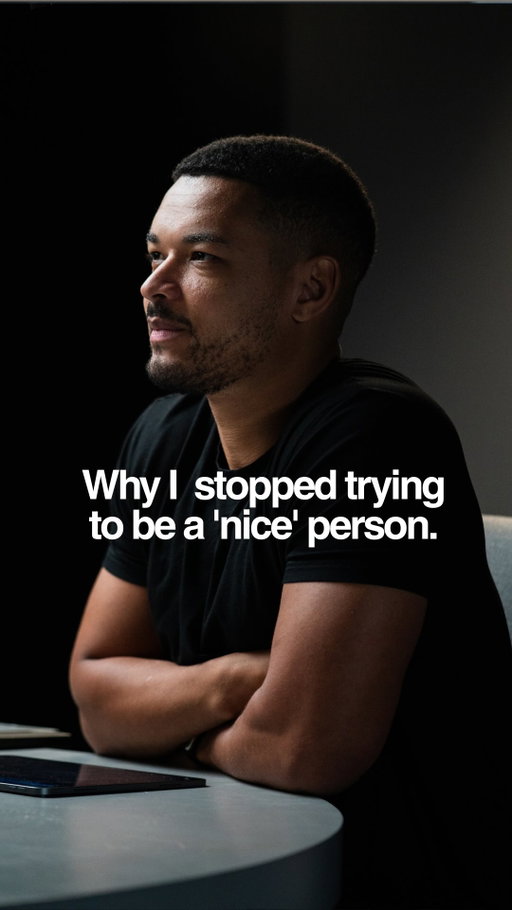
“Nice” people say what you want to hear. “Kind” people say what you need to hear.. ❤️
Comment below and I’ll personally DM you this full conversation..
5.11M
214K
26.5K
3mo ago
steven
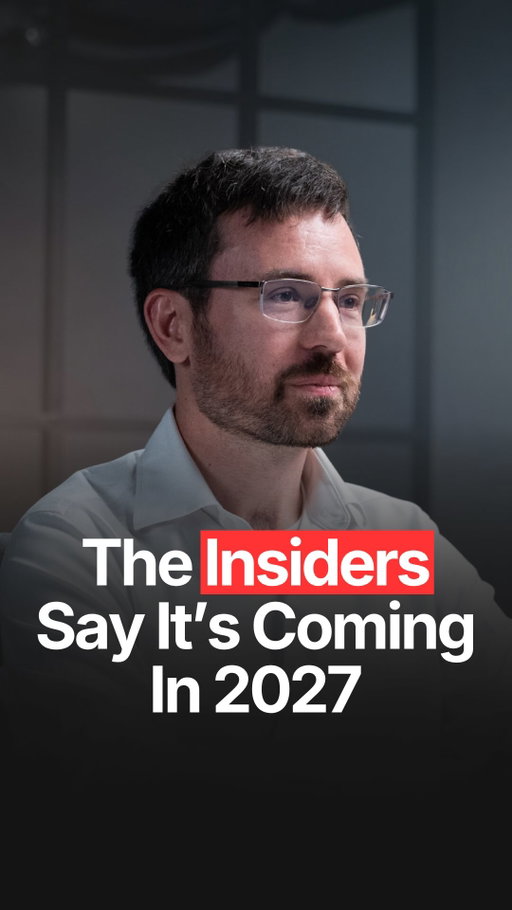
Comment ‘watch’ and I will DM you this full episode.
What would you do if the technology we already use every day was about to become more powerful than almost anyone is prepared for?
That’s the question I kept coming back to in this conversation with Daniel Kokotajlo.
Daniel was an Artificial Intelligence (AI) safety researcher at OpenAI who walked away from the company because he was deeply concerned by the speed at which superintelligence was being built and whether the people building it had a real plan to keep it under control.
Back in 2021, Daniel made specific predictions about what AI would look like by 2026 and many of them have already happened.
Now he’s looking ahead at what he believes could happen before the end of this decade and it’s something I think everyone running a business, building a career, or simply living in the modern world needs to understand.
Daniel isn’t speaking like someone trying to scare people - he’s speaking like someone who has spent years looking at the raw data, the incentives, the corporations, the governments and the ACTUAL speed of progress.
We discussed things like:
- Why he chose to leave OpenAI and speak publicly.
- Why he believes superintelligence could arrive in the next few years.
- How AI could fundamentally change jobs, the economy and the military.
- The race between companies and countries makes this so difficult to control.
- What ordinary people should actually do right now to prepare.
- Whether there is still a way to prevent this from going badly.
I use AI every day. I invest in companies using AI. I can see the extraordinary upside of this technology and it is going to continue becoming a massive part of all of our lives and careers. The question is whether we understand it quickly enough to make better decisions.
There was a moment towards the end of this conversation where I told Daniel that I could see how much he cares about this. And I meant that. Care itself makes others feel care.
If you’re trying to understand where AI is really heading, I highly recommend watching or listening to this episode.
Let me know your thoughts in the comments below.
@thediaryofaceopodcast
5.05M
273K
2.56K
8mo ago
steven
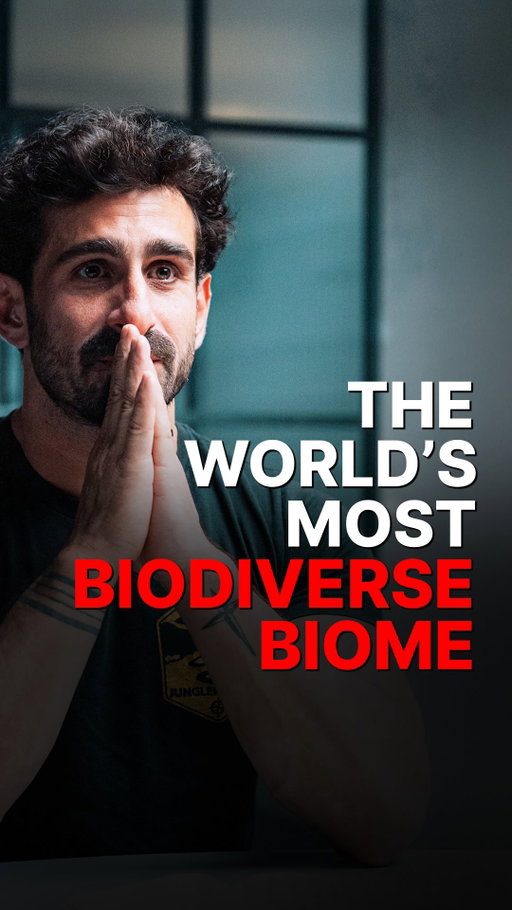
The Amazon is bigger and wilder than most people realise
Comment ‘Paul’ and I’ll personally DM you our conversation.
Paul Rosolie explains that the Amazon rainforest is the largest continuous rainforest on Earth, larger than the entire lower 48 states. He says there are still areas no human has ever explored, with a canopy rising over one hundred and fifty feet where roughly half of all rainforest life exists.
Can you imagine places on Earth that humans have never stepped foot in?
Credit: @paulrosolie x @thediaryofaceopodcast
4.80M
149K
9.61K
5mo ago
steven
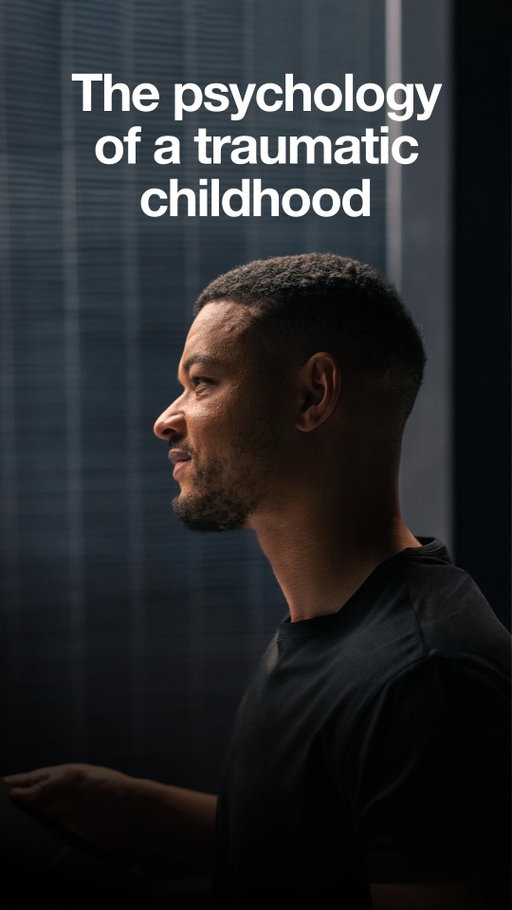
As long as you keep secrets and suppress information about the trauma in your past , you are fundamentally at war with yourself... The critical issue is allowing yourself to know what you know... ❤️
Comment WATCH below and I’ll personally DM you this full conversation
4.59M
236K
7.27K
3mo ago
steven
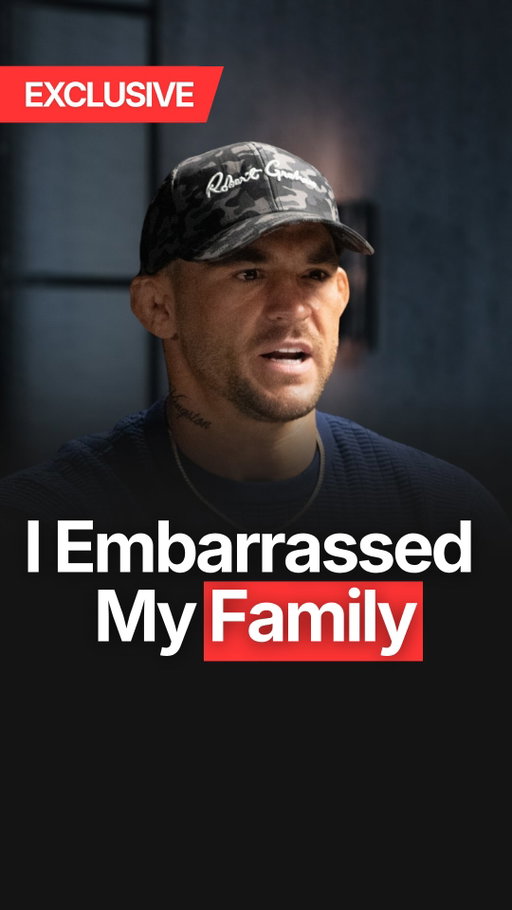
Comment ‘Dustin’ and I will DM you this full episode.
For 20 years, @dustinpoirier walked towards a level of pressure most of us might never understand.
He turned professional as an MMA fighter and spent nearly two decades building a legacy as one of the most violent, resilient lightweights the UFC has ever seen.
He fought 41 times, knocked out Conor McGregor, went through brutal wars with Justin Gaethje and Max Holloway, plus won an interim world title.
Then at 36, the fighting stopped.
But I didn’t sit down with Dustin just to talk about the UFC. I wanted to understand what happens when the gloves come off, the calendar empties and the one thing that gave your life structure for two decades is gone.
Dustin brought up a line that stayed with me: “If you’re lucky, you get to die twice.”
The first death happens when you retire. The crowds vanish, the character you played for your adult life is buried and you have to work out who you are without it. To understand why that first death hurts so much, you have to understand how that identity was born.
But everything has a cost.
As Dustin told me: “I just wanna dream again.”
We spoke openly about how losing your identity doesn’t excuse a mistake, and he knows that. But it does show how fragile the transition out of elite sport can be.
We went deep into:
- Why retirement has been harder than he expected.
- His recent arrest at Atlanta airport: the role alcohol played and the public criticism that followed.
- The fragmented relationship with his father, which led to how fighting became the place he put all of his anger.
- Just how lack of structure can make alcohol dangerous.
- Brain trauma, Chronic Traumatic Encephalopathy (CTE) and the long-term cost of contact sports.
- There being no roadmap for fighters when they retire.
- The Good Fight Foundation: from water wells in Uganda to backpacks for kids in Louisiana.
This isn’t just about fighting. It’s about what happens to anyone when the thing that defined them is suddenly gone.
It’s the good, the bad AND the human.
4.37M
132K
22.9K
6mo ago
steven
Comment ‘Watch’ and I’ll personally DM you this full conversation.
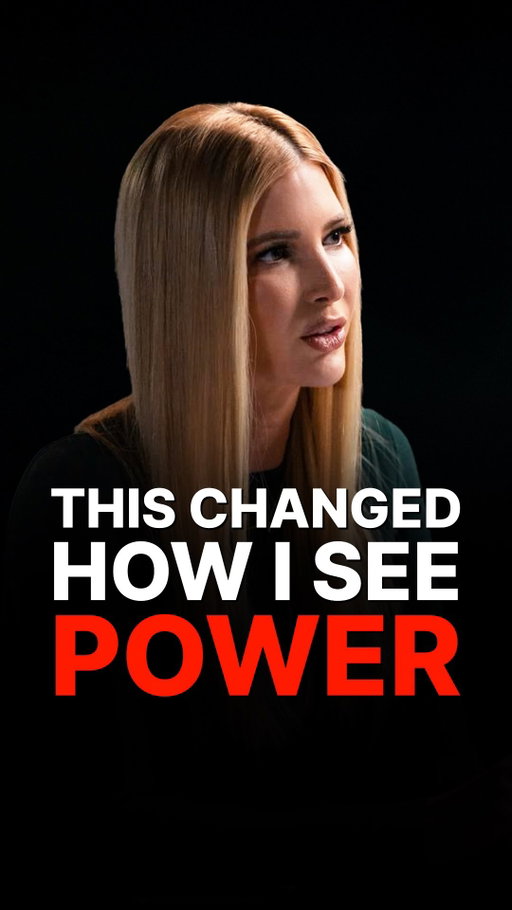
What is it like to grow up in one of the most talked about families in the world?
Well, today’s guest is @ivankatrump - someone who’s lived much of her life in the public eye, from childhood through business, and all the way to the White House.
From a young age, her life was anything but normal. She grew up surrounded by media attention and moments that most people could never relate to.
At just nine years old, she was dealing with reporters outside her school during her parents’ divorce - an experience she says shaped how she saw trust and the world around her.
As she got older, that pressure didn’t go away. She built a career in real estate before stepping into government and working at the highest level during one of the most intense political periods in recent history.
I found myself coming back to something we discussed around how living under that kind of scrutiny forces you to get really clear on who you are, because if you don’t, the world will define it for you.
And a lot of this conversation comes back to that idea.
Being intentional with your time and your decisions, and even what you allow into your mind, because without that, it’s very easy to get pulled in a direction that isn’t really yours.
I wanted to know:
- How do you grow up under constant public scrutiny?
- What does pressure actually do to a person over time?
- How do you know who to trust when you’re in the spotlight?
- What is power really like behind closed doors?
There’s a moment where she reflects on how, for a long time, protecting herself meant building walls and not trusting people, but over time she realised those same walls can stop you from having real connection.
Let me know your thoughts after watching this one.

4.09M
163K
1.44K
7mo ago
steven
“humans were designed to create, this is why we get depressed when all we do is consume” - unknown
4.08M
224K
2.56K
4mo ago
steven
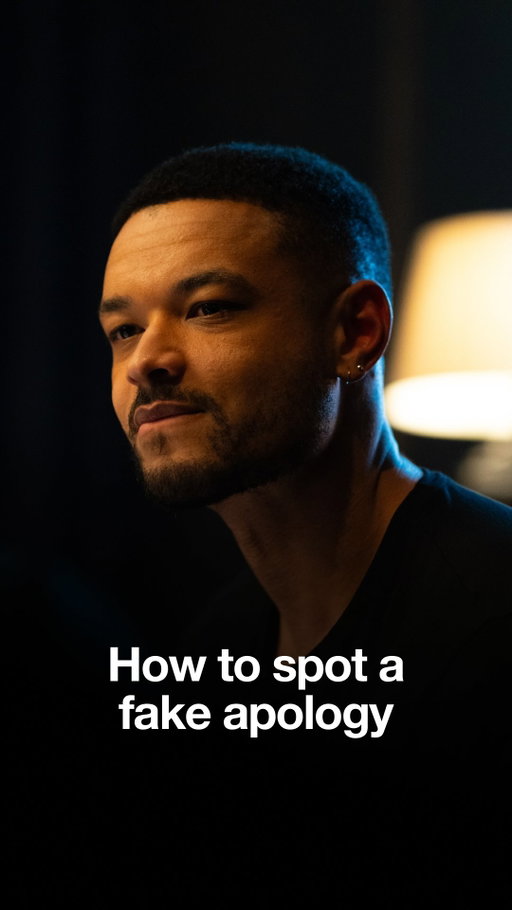
The best apology is changed behaviour.. ❤️
@officiallymcconaughey on @thediaryofaceopodcast
Comment WATCH below and I’ll personally DM you this full conversation 👊🏾
Steven Bartlett (@steven) Instagram Stats & Analytics
Steven Bartlett (@steven) has 5.30M Instagram followers with a 4.21% engagement rate over the past 12 months. Across 185 posts, Steven Bartlett received 13.2M total likes and 348M impressions, averaging 71.2K likes per post. This page tracks Steven Bartlett's performance metrics, top content, and engagement trends — updated daily. To benchmark @steven against other accounts, use Socialpruf's Instagram competitor analysis tool.
Steven Bartlett (@steven) Instagram Analytics FAQ
How many Instagram followers does Steven Bartlett have?+
Steven Bartlett (@steven) has 5.30M Instagram followers as of October 2026.
What is Steven Bartlett's Instagram engagement rate?+
Steven Bartlett's Instagram engagement rate is 4.21% over the last 12 months, based on 185 posts.
How many likes does Steven Bartlett get on Instagram?+
Steven Bartlett received 13.2M total likes across 185 posts in the last 12 months, averaging 71.2K likes per post.
How many Instagram impressions does Steven Bartlett get?+
Steven Bartlett's Instagram content generated 348M total impressions over the last 12 months.
Can I compare Steven Bartlett with other Instagram accounts?+
Yes. Add @steven to a competitor set with Socialpruf's Instagram competitor analysis tool and benchmark it side by side with any other public accounts on views, engagement rate and follower growth, with history back to each account's first post.