
Key Metrics
Distributions


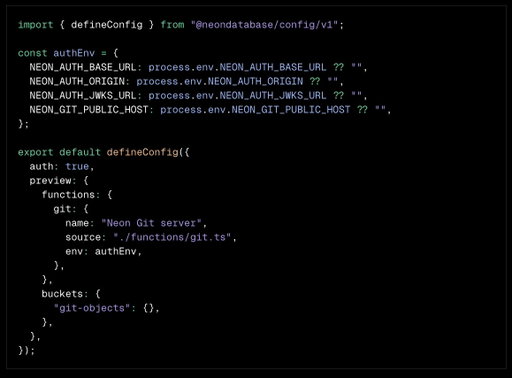
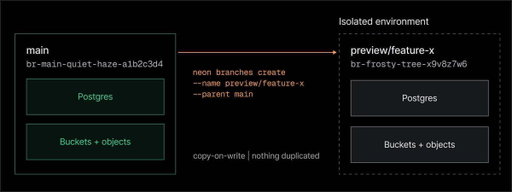
Postgres on S3 is the right design, but even more interesting is making WAL the source of truth. This is how our storage works - we wrote a deep dive, summary on thread: neon.com/blog/wal-s3-lake…
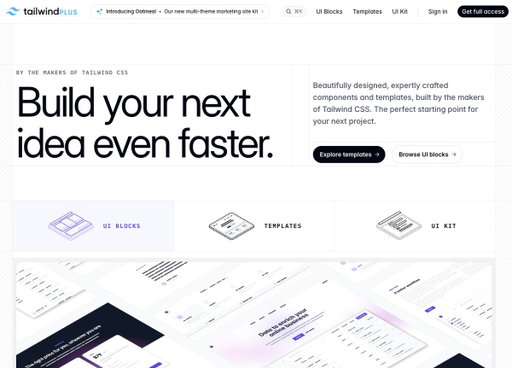
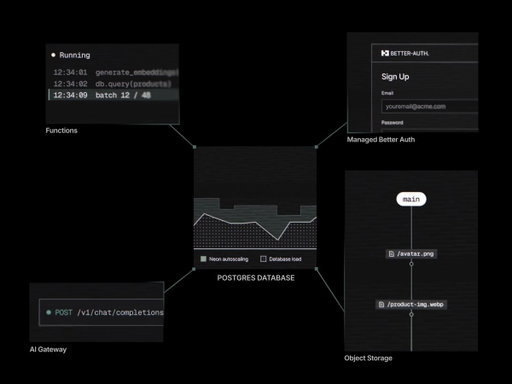
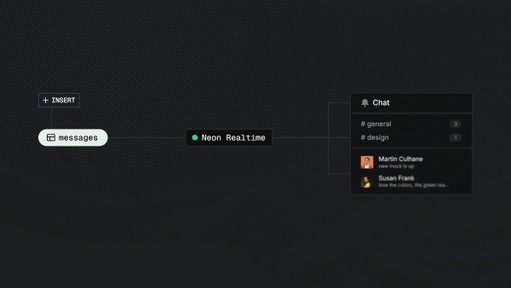
PGlite + real-time sync have emerged as key primitives in an era where millions of apps are deployed by agents. We’re excited to announce @ElectricSQL is joining team Neon at Databricks to build the world's most advanced Postgres backend platform. neon.com/blog/electric-jo…
Neon runs warm pools of compute and storage so new database creates are fast and generally don't require resource changes on AWS. This architecture meant we could still run 99.9%+ of database operations throughout the incident.
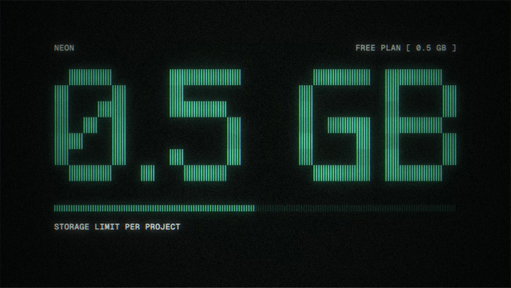
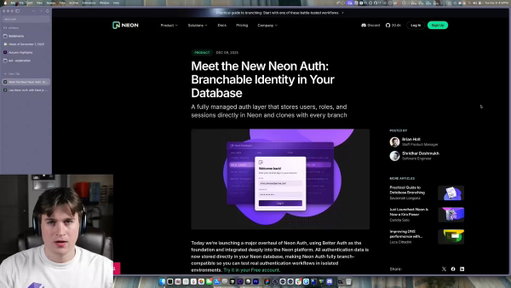
Happy 30th birthday Postgres! 🎉 What an accomplishment, almost nothing in tech has stayed relevant for 30 years. From humble beginnings as a Berkeley research project to becoming the default for everything from side projects to massive production systems. 30 years later, the database and the community have more momentum than ever. It's why we built Neon on Postgres, serverless, but 100% the Postgres you love. 🐘



Neon (@neondatabase) X Stats & Analytics
Neon (@neondatabase) has 21.0K X followers with a 0.06% engagement rate over the past 12 months. Across 507 posts, Neon received 11.1K total likes and 20.7M impressions, averaging 21.8 likes per post. This page tracks Neon's performance metrics, top content, and engagement trends — updated daily. To benchmark @neondatabase against other accounts, use Socialpruf's X competitor analysis tool.