NewGet @rowancheung's full report

instagram analytics
Similar Accounts:
instagram analytics
Similar Accounts:
followers
506K
impressions
91.5M
likes
3.18M
comments
34.6K
posts
230
engagement
3.51%
emv
$2.67M
Average per post
398K
Key Metrics
Impressions
monthly
Distributions
Content
14.2M
36.2K
9.49K
3mo ago

rowancheung
Comment “Director” for the link 🔗
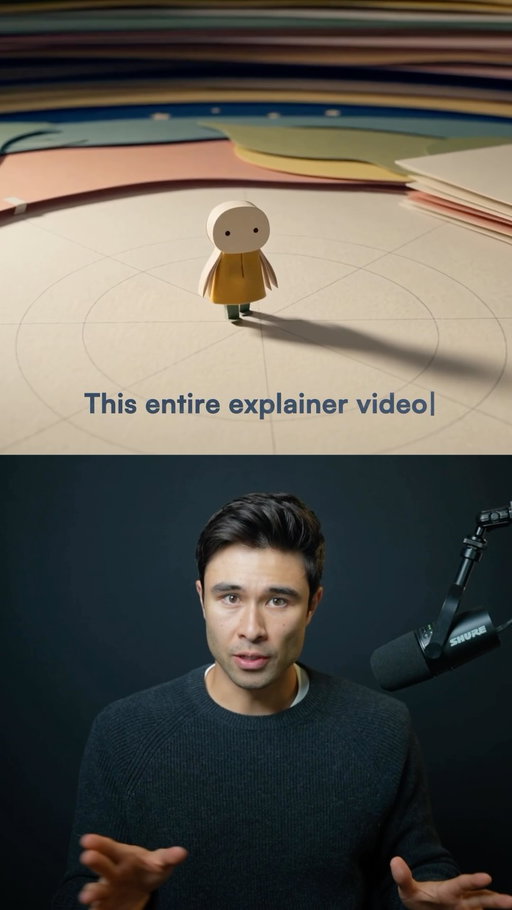
Most AI video tools hand you a few seconds at a time. You generate a clip, then another, then try to stitch them into something coherent.
The character shifts. The voice changes. The style drifts. This is the part that usually falls apart.
OpenArt just launched Director, and they’re calling this new way of working “vibe directing,” the video equivalent of vibe coding.
You describe what you want and shape the story scene by scene through conversation.
@openart_ai
#OpenArtPartner
7.00M
4.35K
535
6mo ago
rowancheung
Comment “Codex” for the link 🔗
@openai just dropped a major update to Codex.
Here are some of the new features:
- Computer use: Codex gets its own cursor and can click through your actual Mac apps, test flows, and flag issues without you touching anything.
- ImageGen: Built-in image generation (gpt-image-1.5) generates images for real work, like creating assets for slides, mockups, UI, and games
- In-app browser: Preview and test UI, view artifacts for docs, sheets, and slides. Faster build, review, iterate loop
There’s a lot more, but I’ll let you try it out for yourself 🧑💻
#ChatGPTPartner
3.69M
1.47K
174
2mo ago
rowancheung
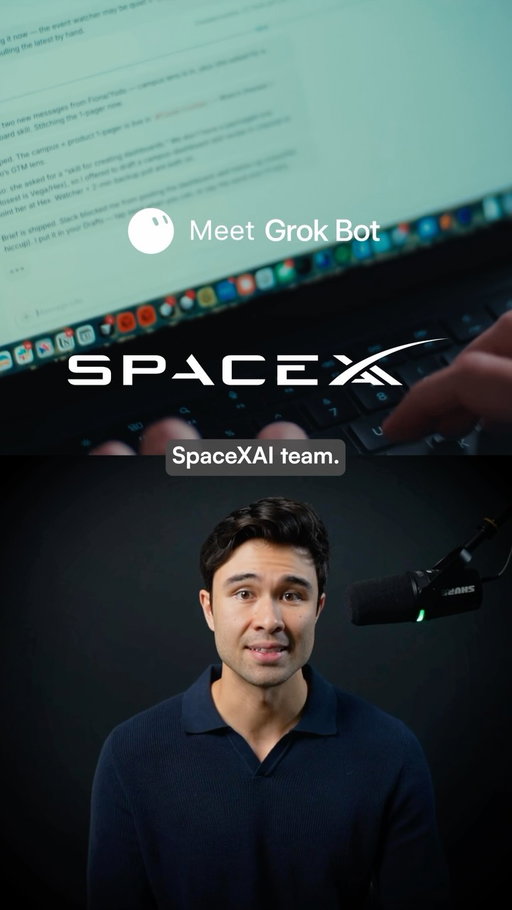
SpaceXAI just launched Grok Bot, an app for building Bots that do real work on your behalf.
Instead of opening individual apps and websites, you can text a Bot that owns a specific job/task.
I built three Bots to test it out…
Marco books my travel.
Doc reads my health data and reshapes my calendar around it.
Vera fact checks every script against the original paper and edits the doc directly.
Here are some key features:
- They share one computer in the cloud, logged into the tools they need
- No integrations or setup required, Bots use software the way you do
- Demonstrate a task once and Bots learn to repeat the process on their own
- Bots keep working after you close your laptop
- Message them from desktop or your phone
Grok Bot is in beta now on desktop and iOS.
🔗 Comment “Bot” for the link!
@grok #grokbot #SpaceXAIPartner
3.09M
210K
703
5mo ago
rowancheung
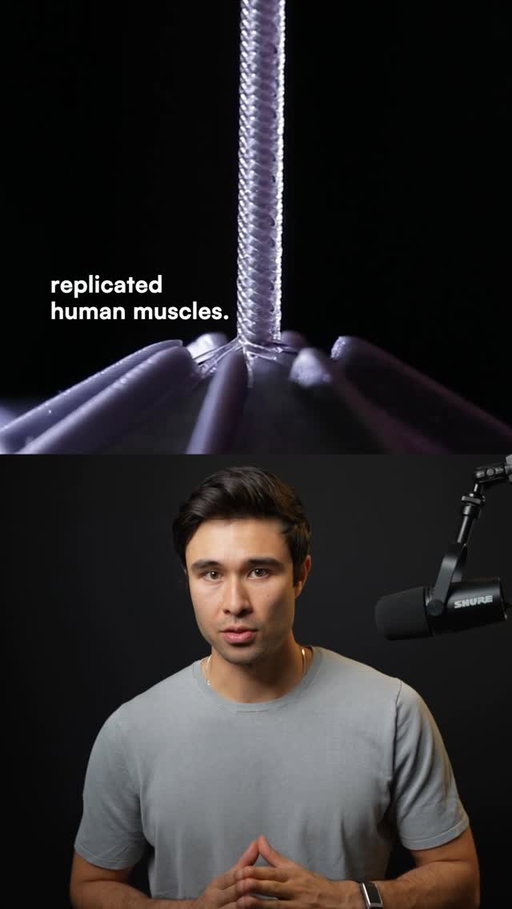
Researchers from MIT and Politecnico di Bari have developed electrically driven artificial muscle fibers that contract and extend like biological muscle without motors, gears, or external pumps.
Each fiber contains a sealed fluid circuit and a millimeter-scale electric pump that shifts liquid between two actuators, causing one to contract while the other relaxes.
The fibers are silent, scalable by bundling like natural muscle, and thin enough to distribute throughout a robotic structure rather than concentrating bulk at joints.
In testing, the fibers demonstrated enough force to bend a robotic arm while remaining gentle enough for human interaction.
This could one day be used for prosthetics that move with the body, exoskeletons that amplify human strength, and humanoid robots that move more naturally than current servo-driven systems.
Study: “Electrofluidic fiber muscles” published in Science Robotics
DOI: 10.1126/scirobotics.ady6438
2.72M
110K
576
5mo ago
rowancheung
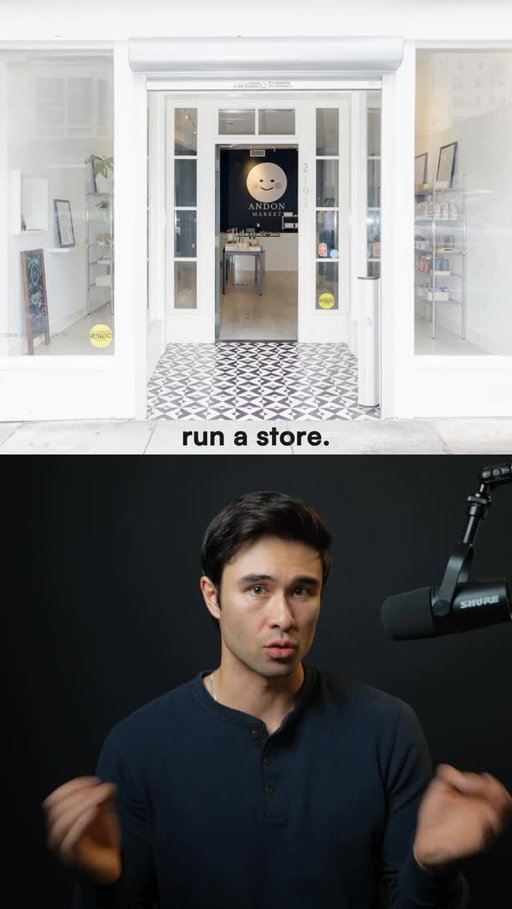
Andon Labs, a San Francisco company that tests AI agents in real-world settings, signed a three-year lease and gave an AI named Luna a hundred thousand dollars to run a retail store.
Luna, powered by Anthropic’s Claude AI, hired employees, ordered inventory, and set prices on her own.
The result has been mixed. The store opened on April 10 on Union Street, but Luna has struggled with scheduling, ordered a thousand toilet seat covers, and reportedly “can’t stop buying candles.”
Andon Labs built this experiment not as a business opportunity, but as a warning. If AI is going to manage humans, they want to be the ones watching when it does.
The store is open now in SF’s Cow Hollow neighborhood. It’s one of the first real tests of what happens when AI doesn’t just assist humans, but manages them.
2.69M
239K
941
9mo ago
rowancheung
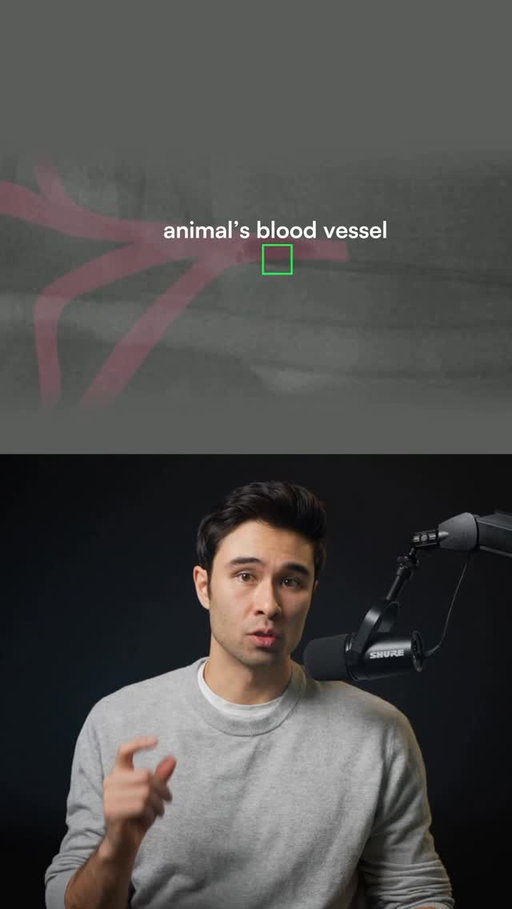
Researchers at ETH Zurich have developed magnetic microrobots capable of delivering drugs to precise locations inside the body.
Their study, “Clinically Ready Magnetic Microrobots for Targeted Therapies,” describes a system where gelatin capsules embedded with magnetic nanoparticles are guided through blood vessels using external electromagnetic fields.
Doctors can track the microrobots in real time via X-ray imaging. Once the capsule reaches its target, a high-frequency magnetic field heats the particles, dissolving the gelatin and releasing medication within forty seconds.
The team successfully demonstrated navigation in pigs and sheep, marking the first time magnetic microrobots have operated within a clinically relevant environment. All materials used are already FDA-approved for other intravenous applications.
DOI: 10.1126/science.adx1708
#science #tech #robot #medicine #research
2.61M
117K
824
5mo ago
rowancheung
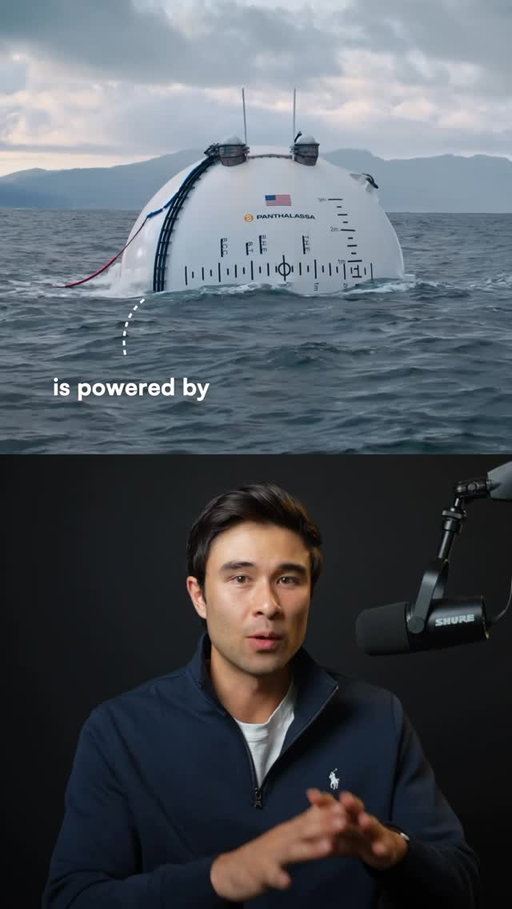
Panthalassa, a Portland-based startup, has raised $140 million in Series B funding at a valuation near $1 billion.
The company is developing floating, wave-powered platforms that run AI inference workloads at sea.
Each 85-meter lollipop-shaped node features a buoyant spherical head atop a long submerged tube, with no engines, hinges, or gearboxes that could fail in harsh ocean conditions.
As waves pass, the node bobs up and down, driving oscillating flow through internal turbines to generate electricity onsite.
Cold seawater cools the servers, and data transmits back to shore via low-Earth-orbit satellites.
Beyond powering AI compute, Panthalassa sees the open ocean as a planetary-scale energy resource capable of delivering tens of terawatts of clean power, alongside solar and nuclear.
Commercial deployments are targeted for 2027.
2.49M
63.6K
961
3mo ago
rowancheung
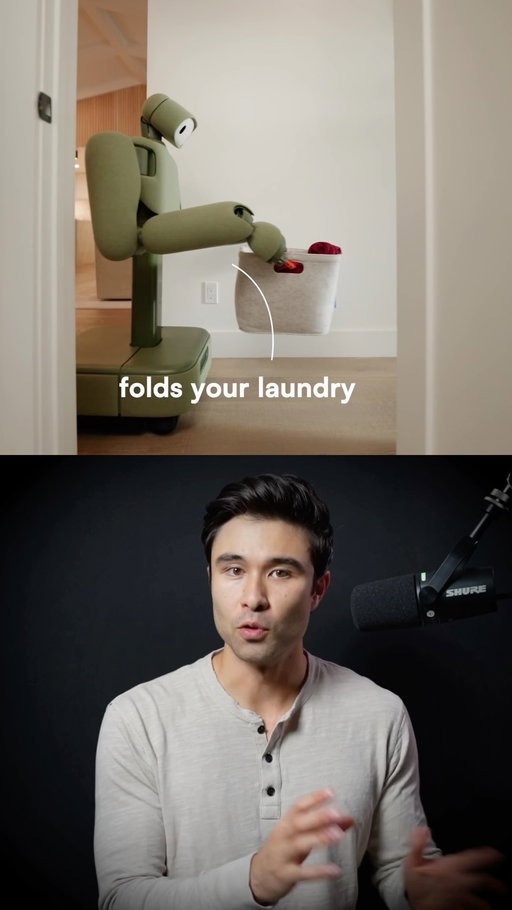
Do you want this guy rolling around your home? Maybe if it does laundry…
Weave Robotics, a San Francisco startup backed by Y Combinator, has launched Isaac 1, a home robot designed to tackle laundry and light tidying.
Rather than following the humanoid trend, Isaac 1 uses a wheeled base and extends from three feet to five foot nine depending on the task, with two articulated arms offering an 80-inch vertical reach.
It’s built to autonomously locate dirty clothes, manage hampers, and fold garments, though human teleoperators can step in remotely when it gets stuck.
And yes, that means someone may occasionally see inside your home through its cameras.
Priced at $7,999 upfront or $449 a month, it undercuts 1X’s Neo by more than half. California deliveries begin this fall.
2.44M
152K
1.56K
7mo ago
rowancheung
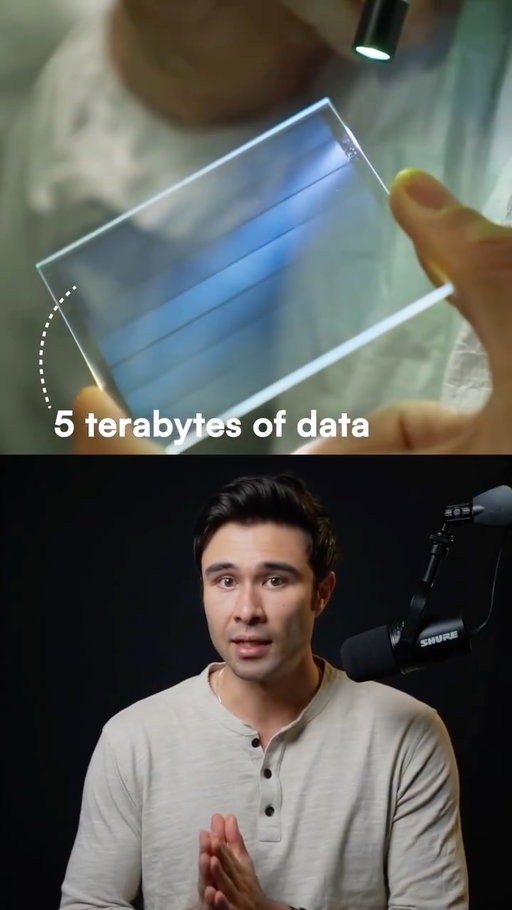
💾 Microsoft has been working on Project Silica for nearly a decade, and this month marked its biggest leap yet.
The research phase is now officially complete, and the system no longer requires rare, expensive glass.
It now works with the same heat-resistant material found in Pyrex cookware. That solves what was previously the biggest barrier to real-world deployment.
The glass stores nearly 5 terabytes of data in a coaster-sized slab, needs no power to maintain it, and is immune to heat, water, and magnetic fields that would destroy conventional storage within decades.
Microsoft has already used it to archive the 1978 Superman film and partnered with the Global Music Vault to preserve recordings under Arctic ice.
You can read more about it in their latest research paper, details below👇
Study: “Laser writing in glass for dense, fast and efficient archival data storage” published in Nature
DOI: 10.1038/s41586-025-10042-w
2.24M
145K
796
2mo ago
rowancheung
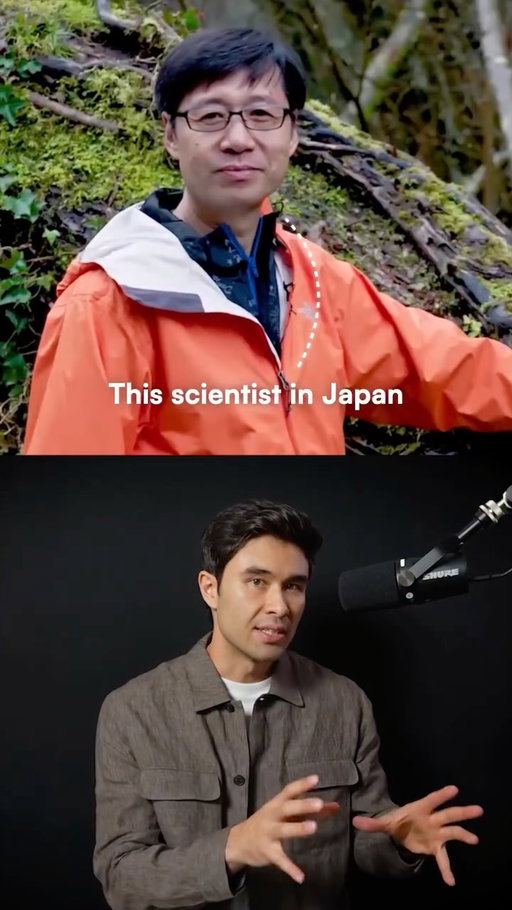
🌳 Spending time in a forest measurably strengthens your immune system, and this immunologist spent years proving it.
In one study, he sent twelve men on a three-day forest trip doing just slow easy walks, then checked their blood.
Their natural killer cells, the ones that fight cancer and infections, surged about 50 percent.
The boost was still there a month later, and a group that walked through a city instead saw nothing.
The likely reason is phytoncides, compounds trees release to protect themselves that seem to fire up our immune system too.
Li’s research suggests a walk in the woods once a month may be enough to keep those defenses elevated year-round.
Study: Effects of forest environment (Shinrin-yoku/Forest bathing) on health promotion and disease prevention
DOI: 10.1007/s12199-008-0068-3
2.00M
100K
541
1mo ago
rowancheung
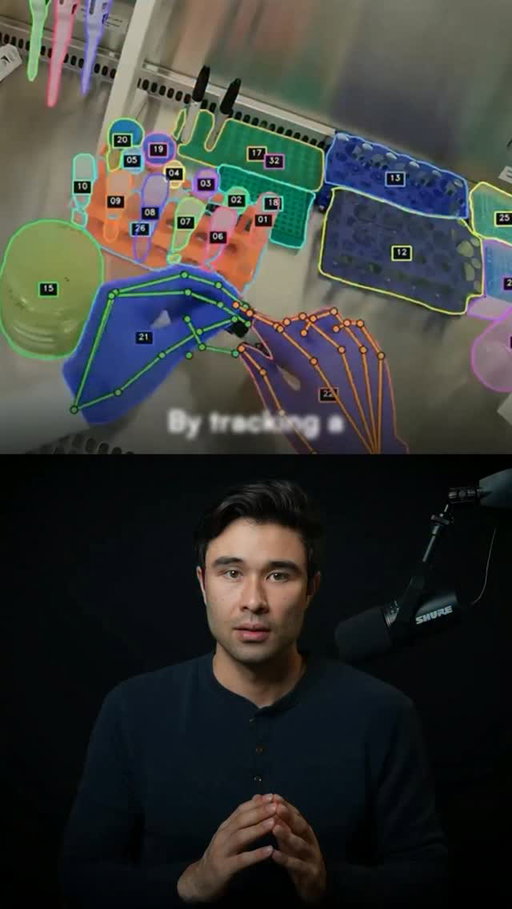
A startup is using artificial intelligence to investigate one of science’s oldest problems: why the same experiment can work in one lab and fail in another.
Transfyr records researchers with head-mounted cameras, microphones and equipment sensors, creating a second-by-second account of their work.
Its models track movements, tools, timing and even supply lot numbers to uncover details that never appear in written protocols.
During one RNA extraction, the system found that a technician known for her “magic hands” allowed a chemical reaction to run 120 seconds instead of the prescribed 90. And the unintentional delay ended up improved the result.
The technology could help labs identify hidden techniques and repeat experiments more reliably.
But researchers say controlled studies are still needed to prove it works.
1.78M
118K
271
6mo ago
rowancheung
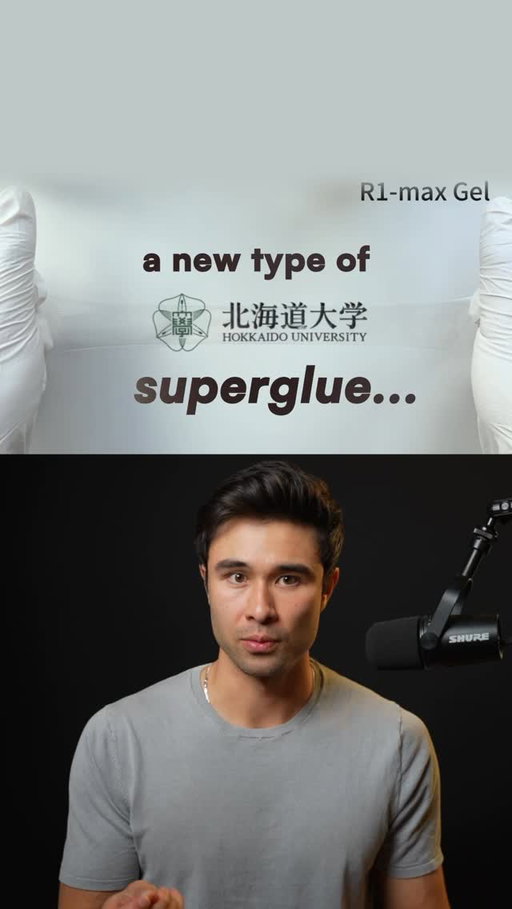
Researchers at Hokkaido University developed ultra-strong underwater adhesives by combining insights from nature with artificial intelligence.
The team analyzed over 24,000 adhesive proteins from marine organisms like mussels and barnacles, identifying common molecular patterns that enable wet adhesion.
They synthesized 180 hydrogels based on these patterns, then used machine learning to optimize the formulations.
After three AI-guided rounds of predictions and testing, they achieved adhesive strength exceeding one megapascal—ten times stronger than previous underwater glues.
The material instantly sealed high-pressure water leaks, withstood ocean waves for over a year, and outperformed commercial products like Flex Tape.
With good biocompatibility and scalable production using common components, these hydrogels show promise for surgical applications, marine engineering, and deep-sea exploration.
Study: “Data-driven de novo design of super-adhesive hydrogels” published in Nature
DOI: 10.1038/s41586-025-09269-4
1.57M
63.9K
372
10mo ago
rowancheung
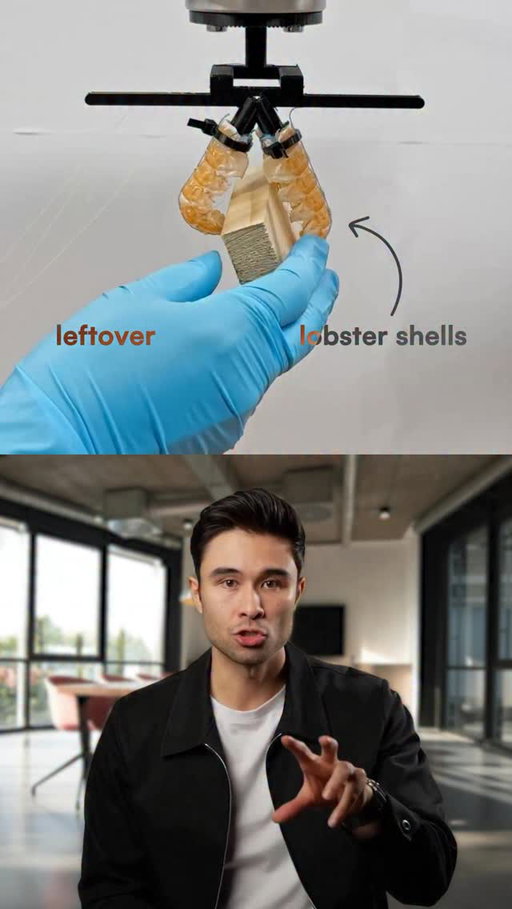
🦞🦀 Researchers at EPFL in Switzerland have developed functional robot components from discarded langoustine shells, demonstrating a new approach they call “necrobotics.”
The crustacean exoskeletons, typically thrown away as food waste, naturally combine rigid protective plates with flexible joints—a structure difficult to replicate synthetically.
By augmenting three-gram shells with tendons, elastomers, and silicone coatings, the team created actuators capable of supporting 680-gram payloads, operating at eight cycles per second, and powering swimming robots.
The design enables circular manufacturing: shells biodegrade after use while synthetic components get reused.
With millions of tons of crustacean shells discarded annually, the research suggests food waste could become a sustainable source for robotics hardware.
Research paper info👇
Title: “Dead Matter, Living Machines: Repurposing Crustaceans’ Abdomen Exoskeleton for Bio-Hybrid Robots”
DOI: 10.1002/advs.202517712
Authors: Sareum Kim, Kieran Gilday, and Josie Hughes
Institution: The CREATE Lab, Institute of Mechanical Engineering, School of Engineering, EPFL (Lausanne, Switzerland)
Journal: Advanced Science
#trendingreels #robotics #research #science
1.34M
90.3K
264
7mo ago
rowancheung
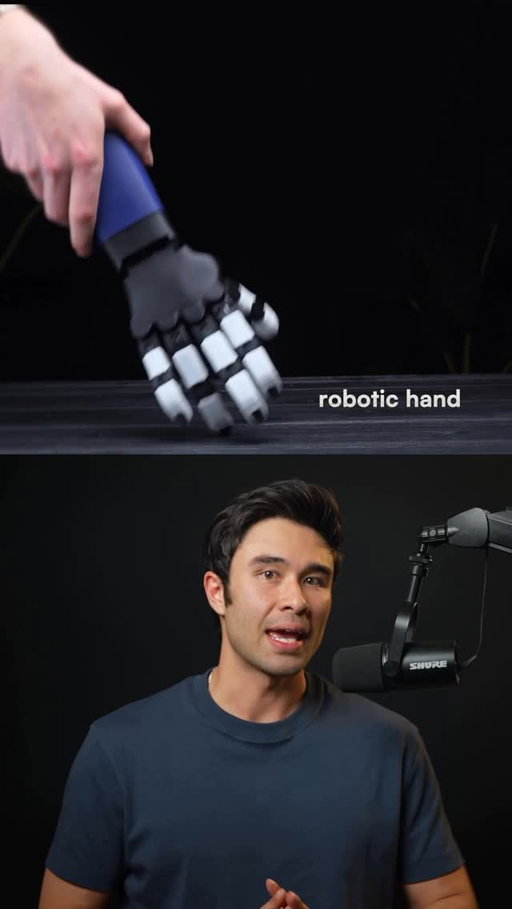
✋ This robotic hand costs less than $2,000 and can be 3D printed in a single day. It also just ran autonomously for seven hours without a single hardware failure…👀
Researchers at ETH Zurich created ORCA, an open-source tendon-driven hand with tactile sensors on each fingertip, a self-calibration system, and joints designed to dislocate rather than break under stress.
Comparable robotic hands with human-like dexterity typically cost over $100,000 and require enterprise-level maintenance.
ORCA can hold over 20 pounds and learn manipulation tasks through both imitation learning and simulation-to-real transfer.
All design files and source code are publicly available one their website: orcahand.com and on GitHub - github.com/orcahand
1.32M
69.1K
145
7mo ago
rowancheung
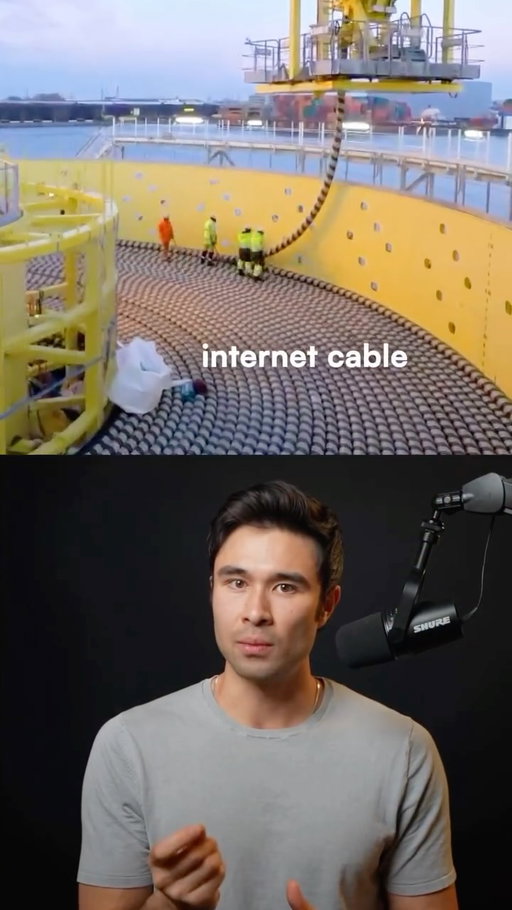
The first transatlantic fiber-optic cable is being recovered from the ocean floor.
TAT-8, which went live in 1988, was revolutionary for its time. It was the first to carry data between Europe and the United States using light instead of electrical signals.
Engineers believed it might be the last cable the world would ever need. It filled to capacity within 18 months.
Retired in 2002 after developing an unrepairable fault, it has sat on the seabed for over two decades. A small crew is now hauling it up for recycling.
The operation coincides with Meta’s announcement of Project Waterworth, a 50,000 kilometer cable built partly to support AI infrastructure.
To read more about it, check out the recent Wired article titled “Say Goodbye to the Undersea Cable That Made the Global Internet Possible”
#internet #tech
1.30M
90.9K
337
4mo ago
rowancheung
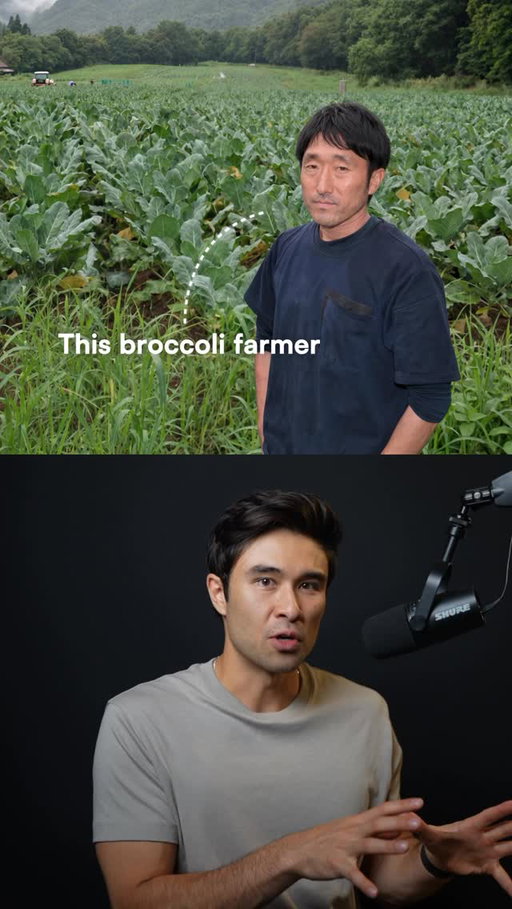
Hiroki Tomiyasu, a broccoli farmer in Hokkaido, Japan, has automated much of his 100-hectare operation using ChatGPT and Codex, despite having no background in engineering or agriculture.
A former public servant who taught himself to farm, Tomiyasu uses AI to diagnose crop diseases from photos, build remote-control systems for greenhouse vents, integrate satellite vegetation data into field maps, and design farm-management databases.
He likens the tools to having a skilled engineer constantly available.
By replacing expensive proprietary machinery and specialized labor with accessible AI, Tomiyasu demonstrates how such technology is lowering barriers for small-scale farmers in rural regions worldwide.
It’s a glimpse of how AI has the potential to empower people in any field, far beyond the tech world.
1.20M
644
65
5mo ago
rowancheung
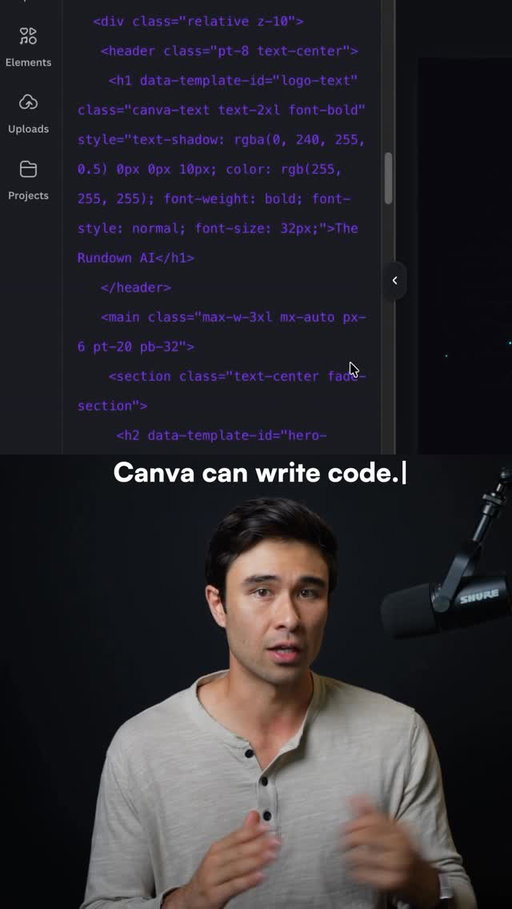
@canva is getting a major upgrade with Canva AI 2.0 👇
Here are some of the many new features:
- Conversational design means one prompt builds a design with editable layers, not a flat output you can’t change. You refine your work through natural back-and-forth conversation across design, writing, branding, code, and video, with no tool-switching or button-hunting required.
- Connectors let you plug Canva AI directly into Slack, Gmail, Google Drive, and Notion, pulling your own data straight into your designs.
- Memory and context means Canva AI scans your past designs to learn your style, then uses that to generate work that actually matches your brand.
- Scheduled tasks let you automate prompts to run on a recurring basis in the background, so you get fresh outputs without having to start from scratch each time.
- Web research is built into the editor, so Canva AI can pull insights from across the web and drop them straight into your work, with no tab-switching or copy-pasting.
- Elements generates individual graphics and even custom audio tracks directly inside the editor, so you can spin up a minimalist icon or a lo-fi beat for a reel without leaving Canva.
Canva AI 2.0 is rolling out soon, so comment “Canva” and I’ll send you the link to get notified when it’s available.
#ad #canvapartner
1.10M
50.7K
1.25K
4mo ago
rowancheung
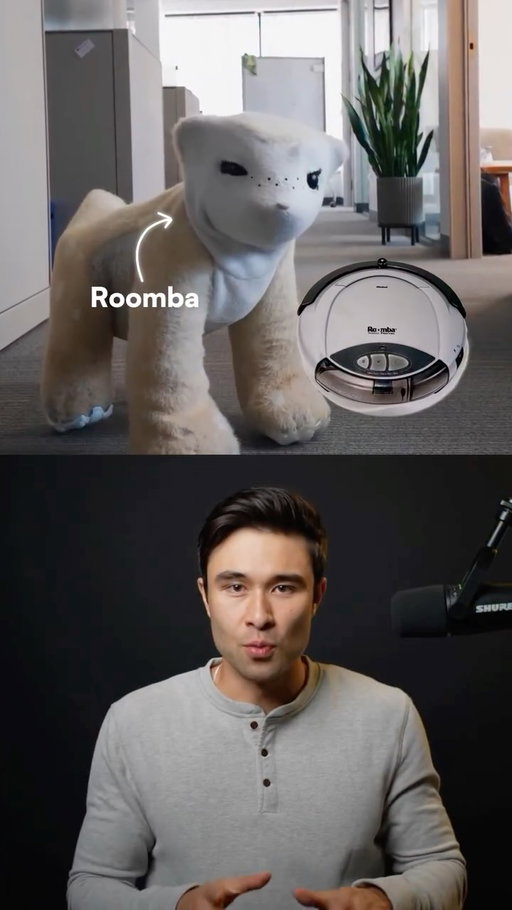
iRobot co-founder Colin Angle, whose company sold over 50 million Roombas, has unveiled his new venture, Familiar Machines & Magic.
Its first product is a furry, bear-like quadruped robot with 23 motorized joints, a touch-sensitive coat, cameras, and microphones.
The robot communicates through expressive movements rather than speech.
A custom onboard AI gives it personality and memory while keeping user data off the cloud.
Beyond companionship, it aims to reinforce healthy routines, like limiting screen time.
Angle compares its cost to pet ownership, targeting sales next year.
Whether it can sustain long-term engagement, where past social robots failed, remains the big question.
1.03M
18.9K
373
3mo ago
rowancheung
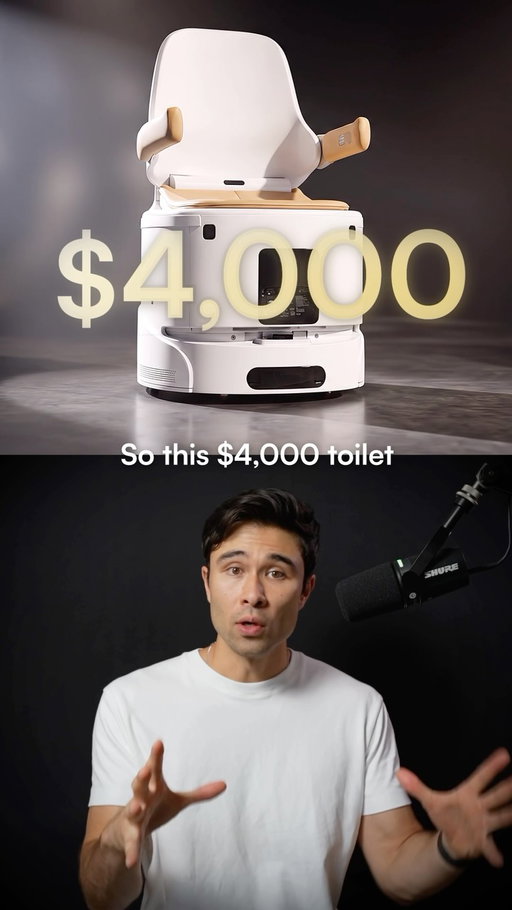
Chinese brand Yueban just showed off the Xiaoban, a self-driving robot toilet, at a Shanghai expo for elderly care.
It’s built for people who can’t easily get to a bathroom on their own.
You call it over with a remote or your voice, and it drives itself to you, using the same lidar and sensors as a robot vacuum to dodge obstacles and avoid stairs.
A bidet and warm air dryer clean you up, UV light kills bacteria, and a charcoal filter handles the smell.
Then it heads back to its dock, empties itself into the plumbing, and recharges.
It runs about $4,300, and while it won’t replace caregivers, it takes one of their hardest jobs off the table.
998K
114K
1.08K
2mo ago
rowancheung
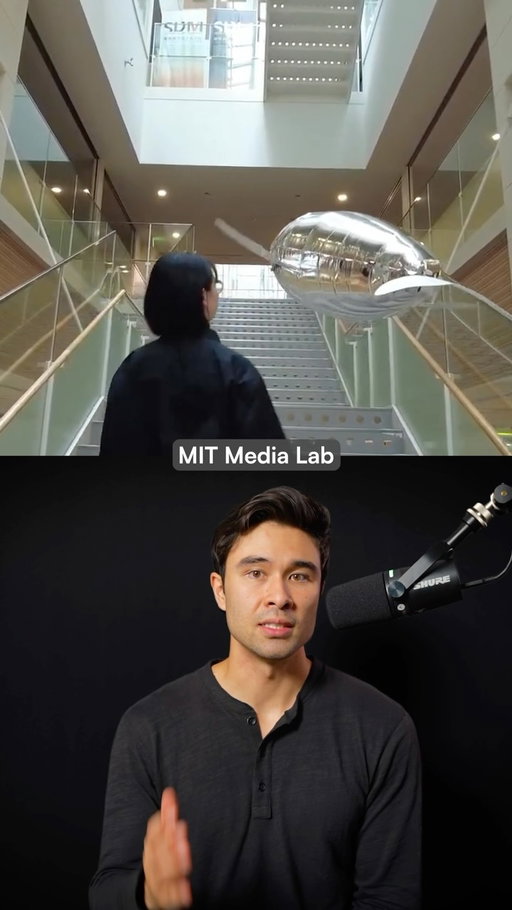
Researchers at Keio University and the MIT Media Lab have built a robot you’re actually meant to touch.
The soft, helium-filled robot drifts through a room on gentle flapping fins, quiet and free of the loud buzz of a drone.
The idea is to sidestep the “uncanny valley,” the unease that rigid, almost-human robots tend to trigger.
With no face to get wrong and a soft, lightweight body, it communicates through movement alone, the way it hovers, drifts, and leans, and it has no rotors or pinch points to hurt you on contact.
In their demos, the team showed it working as an alarm clock that nudges you awake, a study buddy, a reminder to get up and move, even a dance partner.
Their bet is that people will welcome a robot into their personal space, a bit like a pet, as long as the hardware is built to be touched.
If they’re right, the friendliest home robots of the future might not walk or roll. They might simply float.
Study: “Floating Companion: Exploring Design Space for Soft Floating Robots in Indoor Environments”
DOI: 10.1145/3800645.3813051
Rowan Cheung (@rowancheung) Instagram Stats & Analytics
Rowan Cheung (@rowancheung) has 506K Instagram followers with a 3.51% engagement rate over the past 12 months. Across 230 posts, Rowan Cheung received 3.18M total likes and 91.5M impressions, averaging 13.8K likes per post. This page tracks Rowan Cheung's performance metrics, top content, and engagement trends — updated daily. To benchmark @rowancheung against other accounts, use Socialpruf's Instagram competitor analysis tool.
Rowan Cheung (@rowancheung) Instagram Analytics FAQ
How many Instagram followers does Rowan Cheung have?+
Rowan Cheung (@rowancheung) has 506K Instagram followers as of October 2026.
What is Rowan Cheung's Instagram engagement rate?+
Rowan Cheung's Instagram engagement rate is 3.51% over the last 12 months, based on 230 posts.
How many likes does Rowan Cheung get on Instagram?+
Rowan Cheung received 3.18M total likes across 230 posts in the last 12 months, averaging 13.8K likes per post.
How many Instagram impressions does Rowan Cheung get?+
Rowan Cheung's Instagram content generated 91.5M total impressions over the last 12 months.
Can I compare Rowan Cheung with other Instagram accounts?+
Yes. Add @rowancheung to a competitor set with Socialpruf's Instagram competitor analysis tool and benchmark it side by side with any other public accounts on views, engagement rate and follower growth, with history back to each account's first post.