When I took my little sister to a San Jose Sharks vs. Ottawa Senators game in Ottawa this past month, I was only somewhat surprised to see significantly more interest and fan signs for the visiting Sharks players than for the home team. I say "only somewhat" because I would be lying if my own explore pages hadn't already been filled with an unusual amount of Macklin Celebrini and Will Smith edits. But these were different from the typical sports edits I've seen and written about before. They rarely featured the pair actually playing hockey, even though they are both great hockey players in their own right. Instead, they showed them laughing, joking, smiling, getting frustrated on the bench, revealing their personalities. To me, this signals a broader shift in how younger fans are engaging with the sports content landscape.
Personality Over Performance
This shift reflects a larger evolution in how fans are discovering and connecting with sports. Increasingly, the entry point is not the team, the standings, or even the sport itself, but the personalities within it. We know that younger audiences are not really being pulled into being fans through traditional broadcasts anymore, however I would argue they're not being pulled through official team content either, rather many of them are being turned into fans through organic ecosystems that prioritize emotion, relatability, and narrative. In this environment, athletes are no longer just competitors, they are characters in an ongoing story.
While fan edits are often the most visible form of this behaviour, they are only one piece of a much broader fandom ecosystem within the modern sports content landscape. These communities are built on shared narratives, inside jokes, and collective storytelling that extend far beyond any single piece of content. Platforms like TikTok have accelerated this shift, rewarding content that feels authentic and emotionally engaging over traditional highlight driven posts. The result is a content landscape where the most impactful storytelling is often happening outside of official channels.
The Formula 1 Parallel
This trend is not unique to hockey. The rise of Formula 1 over the past decade offers a clear parallel. What was once a relatively niche, and performance focused sport has become a global entertainment product that now enjoys one of the best split gender audiences in sports. But this absolutely wasn't always the case.
The classic cliche of the woman who does not come from a motorsport background who became a fan because of the Netflix series and the hot drivers has some truth to it, however I believe it is a drastic oversimplification of everything Formula 1 has done to make their product more appealing to a wider audience. They invited fandoms and fandom culture by creating stories and narratives around drivers, rivalries, and most importantly, personalities. These new (majority female) audiences were not drawn in by technical racing analysis, but by narratives they could follow and emotionally invest in.
The Team's Dilemma
This evolution creates a strategic tension for teams. Organizations must balance the authenticity of fandom culture with the need to maintain a consistent and controlled brand identity. I recently spoke with a member of the Sharks' social media team, and she explained to me that within the team there is a deliberate effort not to overly center content around specific players. As they explained, leaning too far into these narratives risks drifting into "fan account" territory, which does not align with the team's brand. Instead, the focus remains on showcasing the full roster and maintaining a balanced representation of the team.
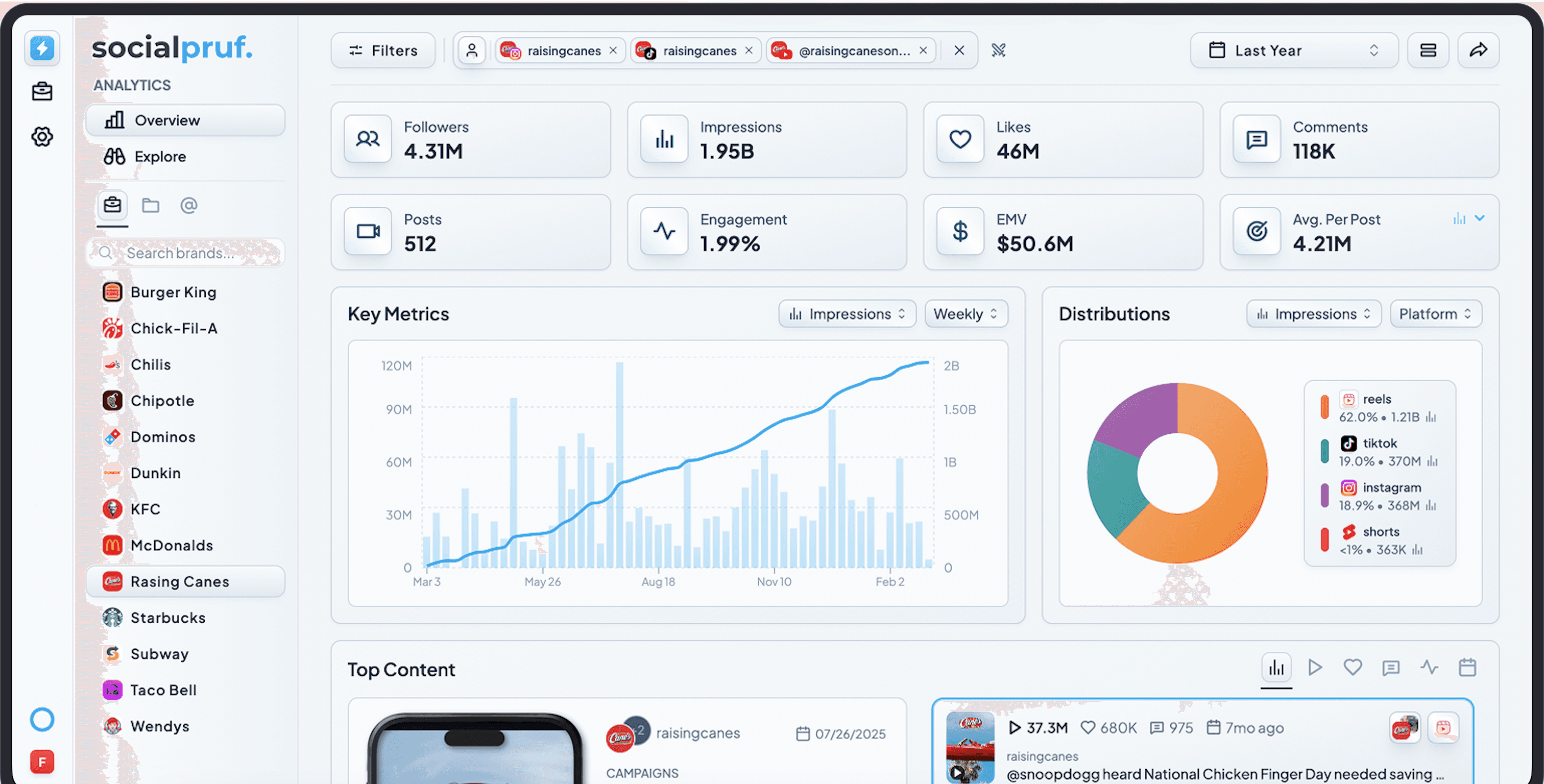
Yet, performance data suggests that fandom driven content is already playing a significant role in growth. Using data gathered on Socialpruf I was able to find that the Sharks' strongest recent increases in both engagement and Earned Media Value align closely with the rise of these two players, and their resulting fandom narratives. In fact, when compared to the Florida Panthers, (a team off back-to-back Stanley Cup victories) the Sharks have recently seen stronger relative growth in almost all key social metrics.
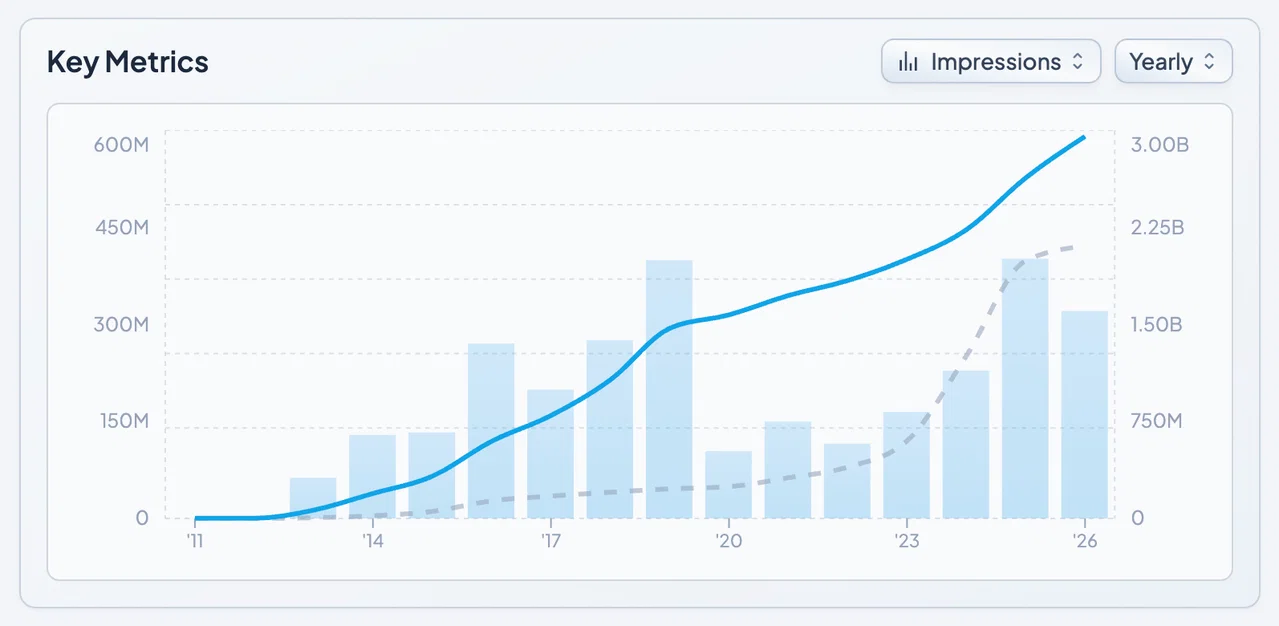
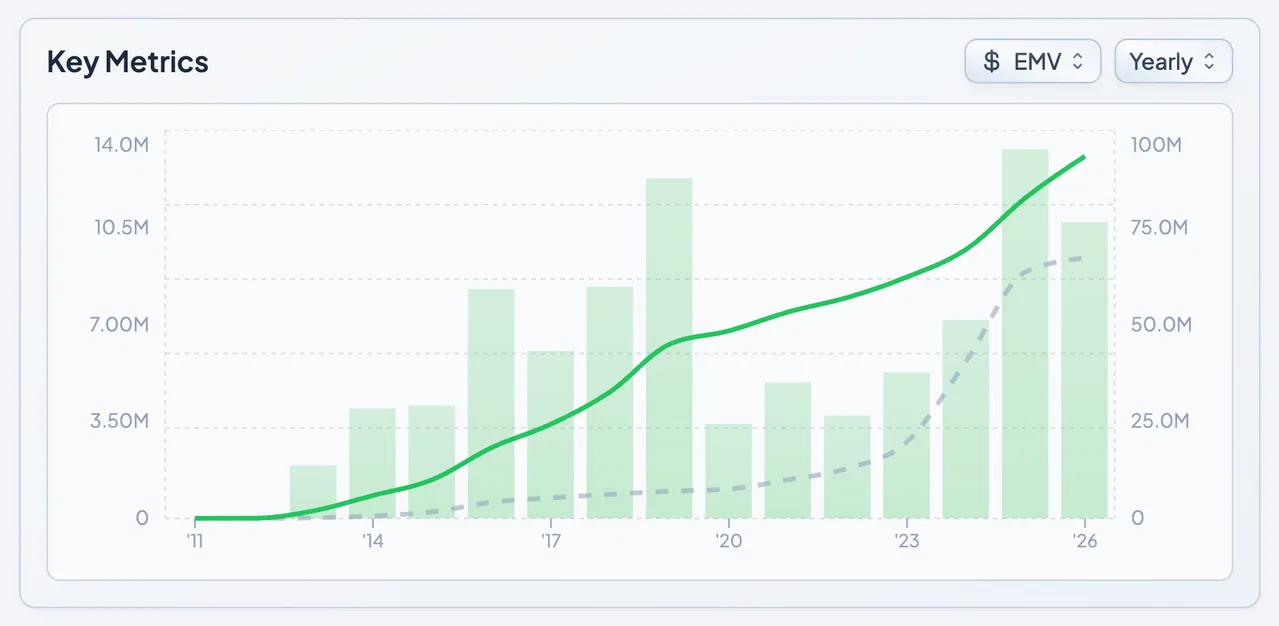
Sharks Coloured, Panthers Dotted
Finding the Balance
This contrast highlights an important reality. Fandom cannot be manufactured by teams, but it can be recognized and amplified. The most successful growth moments are not always the result of planned campaigns, but of organic narratives that for whatever reason resonate with specific audiences. Teams that fail to identify and respond to these signals risk missing out on meaningful opportunities to create well performing content and more importantly connect with new fans.
At the same time, there are valid concerns around over-reliance on specific players or narratives. Leaning too heavily into a single storyline can create short-term spikes in engagement while limiting a team's long term brand flexibility. As such, the challenge for teams now is to find a balance between participating in fandom without being consumed by it, and amplifying what works without losing control of their broader team brand identity.
The role of fandoms in sports content is no longer peripheral, it is foundational. The next generation of fans is not choosing teams in the traditional sense, they are aligning themselves with stories, personalities, and communities. Organizations that learn to work with fandom, rather than against it, will be best positioned to grow in this new landscape.