NewClaim a free social report
instagram analytics
Similar Accounts:
followers
139K
impressions
12.7M
likes
1.12M
comments
11.9K
posts
224
engagement
10.0%
emv
$548K
Average per post
56.6K

Key Metrics

Distributions

Top Content

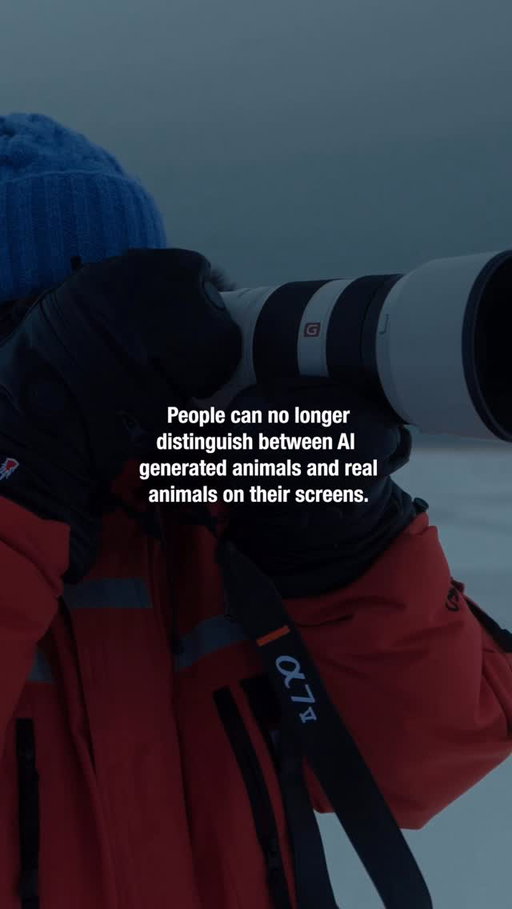
Now more than ever, the wild needs storytellers. The wild needs your voice, your perspective, your care and most of all your attention.

@atmos and writer @katyazimmer recently published an article titled “AI Animals Are Distancing Us From Nature” — a topic I’ve thought long about. What stuck with me the most about this article was this very excerpt:

“…such imagery may worsen the already-poor understanding among many urban Western societies about wild animals and their habitats, behaviors, and needs. At the worst, these misrepresentations could even harm the conservation of animals, change how we interact with them, and erode people’s general interest in nature.”

On the flipside, the article explores how AI generated images and videos of the wild could possibly foster curiosity about the natural world or increase interest in protecting threatened species. But ultimately, I’d argue, the negative impacts far outweigh any of the positives.

While AI imagery seems harmless, it is not without nuance. Nuance that is imperative for you to pay attention to.

To circle back to my initial point; the wild needs storytellers. The wild needs your voice, your perspective, your care and most of all your attention. There is no need for AI-generated images of the natural world when so many of us have cameras and the ability to share stories from the wild far and wide through apps like the one you’re on right now. 

I shared the full article in my stories and pinned it in the comments section. You can also search “Atmos the danger of AI” in your preferred browser.

And thank you @evazubeck for sparking this idea 🤍
3.28M
296K
1.26K
3mo ago
hannahrheaume
Now more than ever, the wild needs storytellers. The wild needs your voice, your perspective, your care and most of all your attention. @atmos and writer @katyazimmer recently published an article titled “AI Animals Are Distancing Us From Nature” — a topic I’ve thought long about. What stuck with me the most about this article was this very excerpt: “…such imagery may worsen the already-poor understanding among many urban Western societies about wild animals and their habitats, behaviors, and needs. At the worst, these misrepresentations could even harm the conservation of animals, change how we interact with them, and erode people’s general interest in nature.” On the flipside, the article explores how AI generated images and videos of the wild could possibly foster curiosity about the natural world or increase interest in protecting threatened species. But ultimately, I’d argue, the negative impacts far outweigh any of the positives. While AI imagery seems harmless, it is not without nuance. Nuance that is imperative for you to pay attention to. To circle back to my initial point; the wild needs storytellers. The wild needs your voice, your perspective, your care and most of all your attention. There is no need for AI-generated images of the natural world when so many of us have cameras and the ability to share stories from the wild far and wide through apps like the one you’re on right now. I shared the full article in my stories and pinned it in the comments section. You can also search “Atmos the danger of AI” in your preferred browser. And thank you @evazubeck for sparking this idea 🤍
Making a living in the wild is no easy feat yet sometimes they make it seem effortless.
1.53M
226K
862
2w ago
hannahrheaume
Making a living in the wild is no easy feat yet sometimes they make it seem effortless.
Heard they pay well.
1.42M
116K
536
7mo ago
hannahrheaume
Heard they pay well.
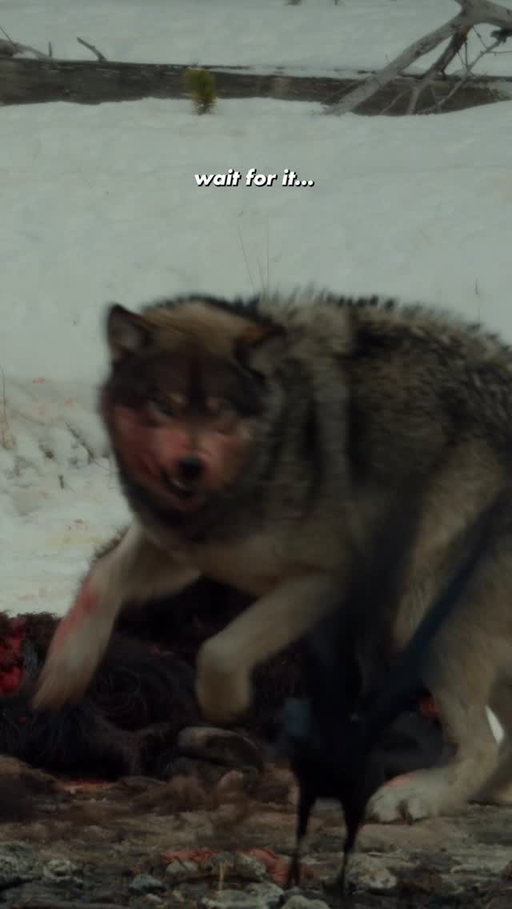
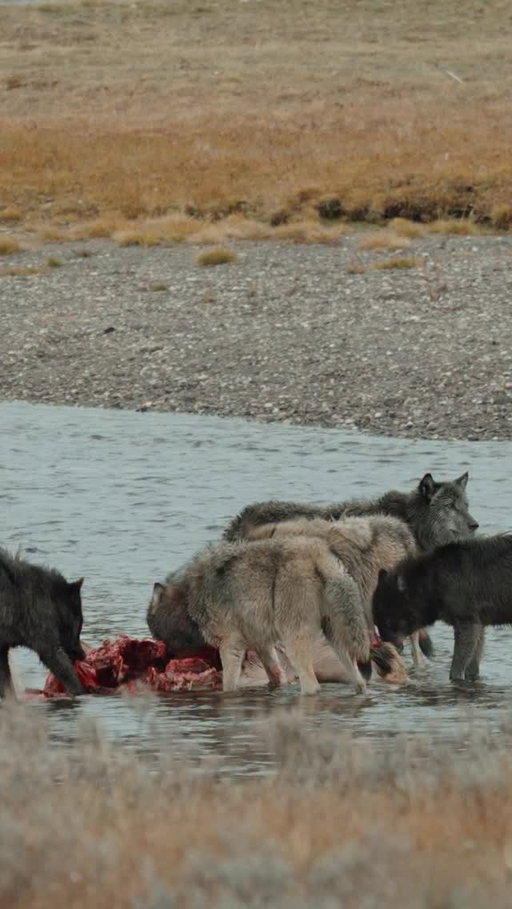
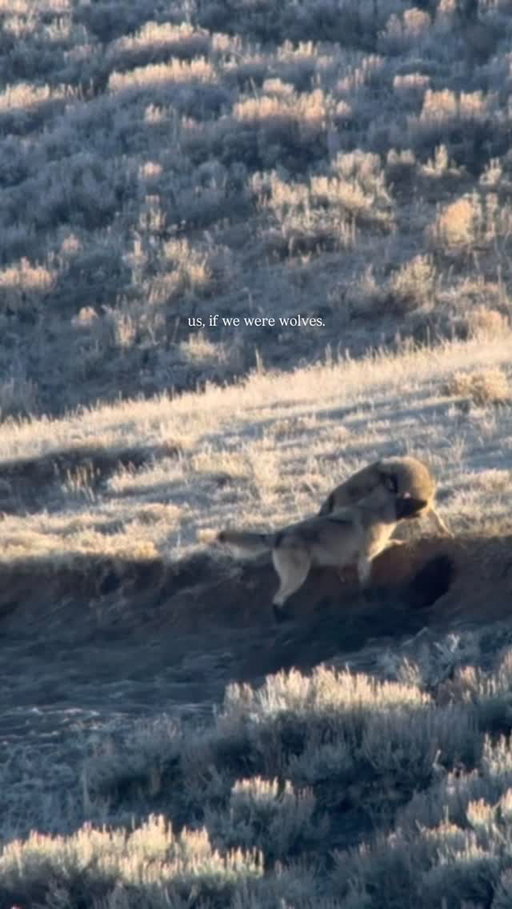
Watching wolves successfully hunt prey that’s 5-8x larger than them is nothing short of incredible. And at the edge of winter, sustenance is of top priority. 

#natgeoanimals #natgeoyourshot #sonyalpha
635K
73.2K
442
4mo ago
hannahrheaume
Watching wolves successfully hunt prey that’s 5-8x larger than them is nothing short of incredible. And at the edge of winter, sustenance is of top priority. #natgeoanimals #natgeoyourshot #sonyalpha
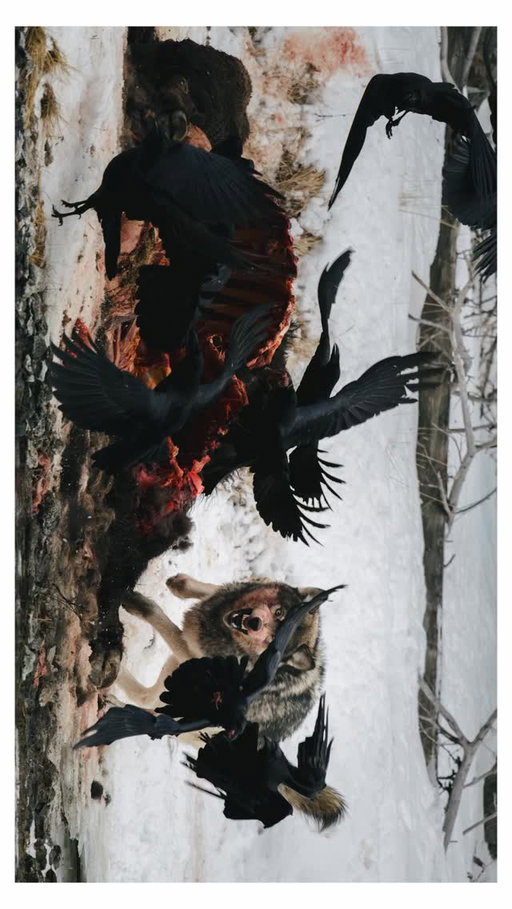
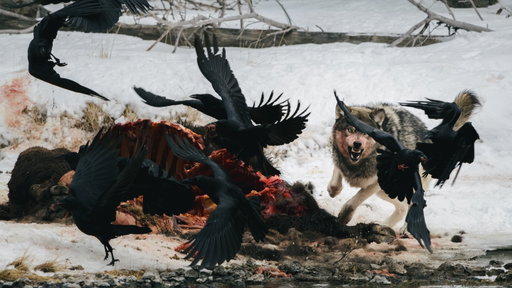
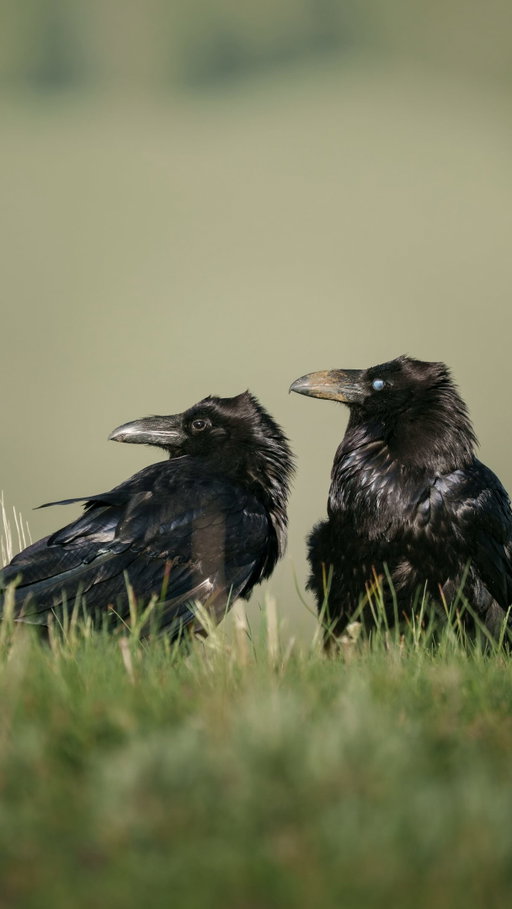
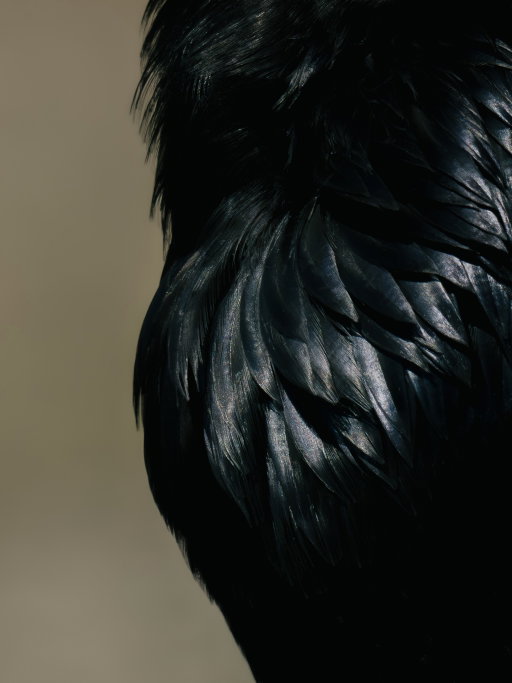
Corvus corax, the wolf bird. Cultural depictions of ravens have longstanding interconnectedness with the idea of “lost souls” or even bad omens. Which in many ways is sort of an allegory for the type of bird they are: carrion or scavenger bird. Most often found feeding on carcasses and other decaying materials, it kind of makes sense why cultures from around the world have associated the raven with mischief, intelligence and destruction in much of their folklore.
584K
52.0K
134
7mo ago
hannahrheaume
Corvus corax, the wolf bird. Cultural depictions of ravens have longstanding interconnectedness with the idea of “lost souls” or even bad omens. Which in many ways is sort of an allegory for the type of bird they are: carrion or scavenger bird. Most often found feeding on carcasses and other decaying materials, it kind of makes sense why cultures from around the world have associated the raven with mischief, intelligence and destruction in much of their folklore.
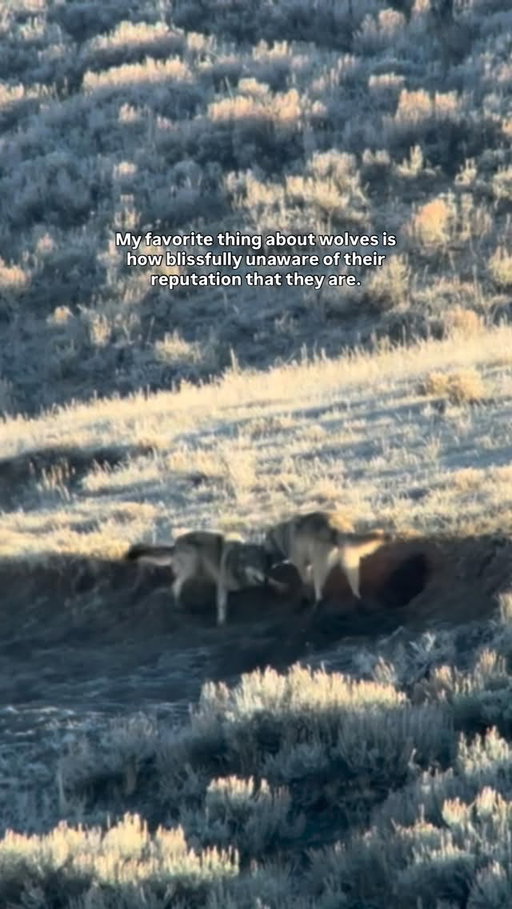
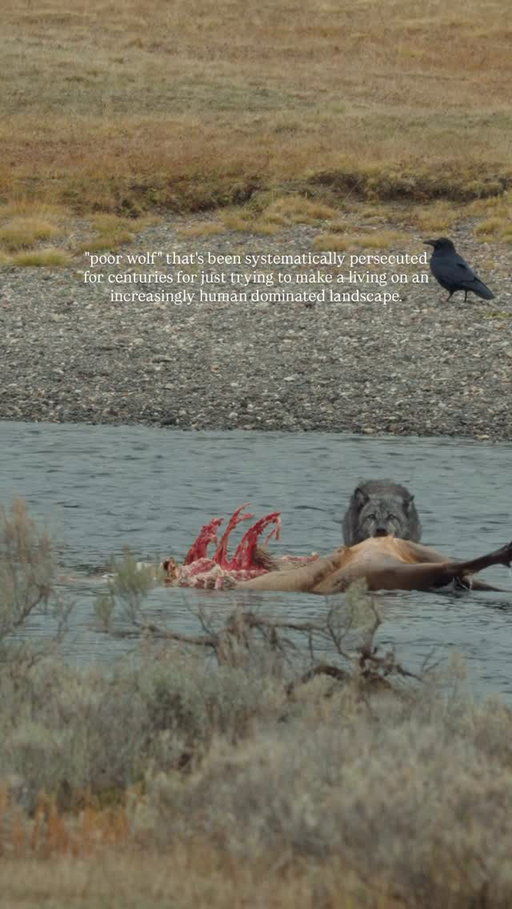
Wolves remind us of the importance of play. For them, it’s a surefire way to form social bonds with other pack mates and these bonds that form are vital to the strength of the pack. For us? I think we’ve drifted away from understanding just how important play is. Any spare second, it seems, is spent on our phones inevitably furthering our own social bonds with one another. Much like wolves, we need play. Not only for bonding but also for joy.
528K
63.5K
111
5mo ago
hannahrheaume
Wolves remind us of the importance of play. For them, it’s a surefire way to form social bonds with other pack mates and these bonds that form are vital to the strength of the pack. For us? I think we’ve drifted away from understanding just how important play is. Any spare second, it seems, is spent on our phones inevitably furthering our own social bonds with one another. Much like wolves, we need play. Not only for bonding but also for joy.
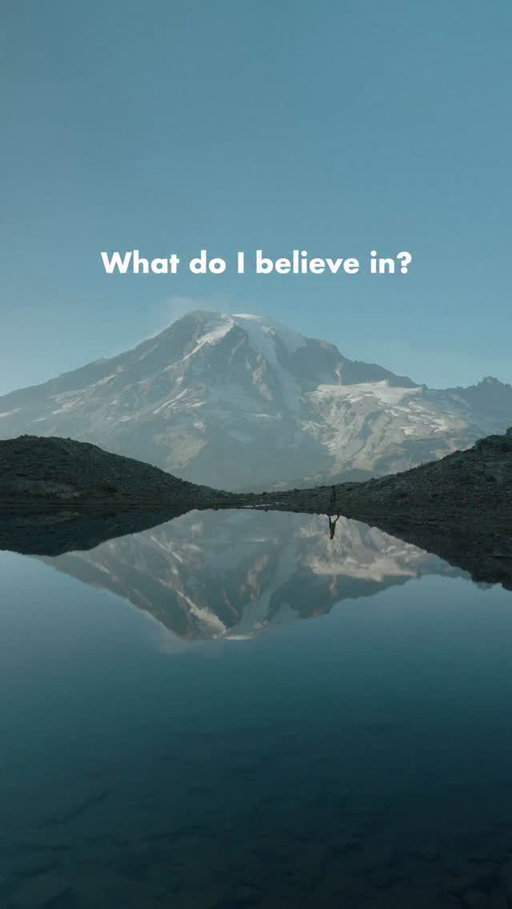
I recently listened to a podcast and the interviewer exclaimed “poor thing” when seeing an image of a mule deer killed by a mountain lion. And it really is (almost) always that sentiment when it comes to predators. I find it an interesting piece of the psychology in how we view some animals as “good animals” that must be protected and others as “bad” that are a threat.

Largely, it seems, humans tend to view ungulates as weak and as an animal that must be protected. But yet, we hunt those same animals we’re trying to protect from, we’ll call it, wild predators. What is the difference here? Why is it okay for one species to hunt but for the other it’s not?

The wild world is ruthless and unforgiving, it has been for millennia. And we were once an integral part of it. Now, we’re just visitors assigning values to things we prioritize. When the priority really should be all living things.
413K
51.6K
402
3mo ago
hannahrheaume
I recently listened to a podcast and the interviewer exclaimed “poor thing” when seeing an image of a mule deer killed by a mountain lion. And it really is (almost) always that sentiment when it comes to predators. I find it an interesting piece of the psychology in how we view some animals as “good animals” that must be protected and others as “bad” that are a threat. Largely, it seems, humans tend to view ungulates as weak and as an animal that must be protected. But yet, we hunt those same animals we’re trying to protect from, we’ll call it, wild predators. What is the difference here? Why is it okay for one species to hunt but for the other it’s not? The wild world is ruthless and unforgiving, it has been for millennia. And we were once an integral part of it. Now, we’re just visitors assigning values to things we prioritize. When the priority really should be all living things.
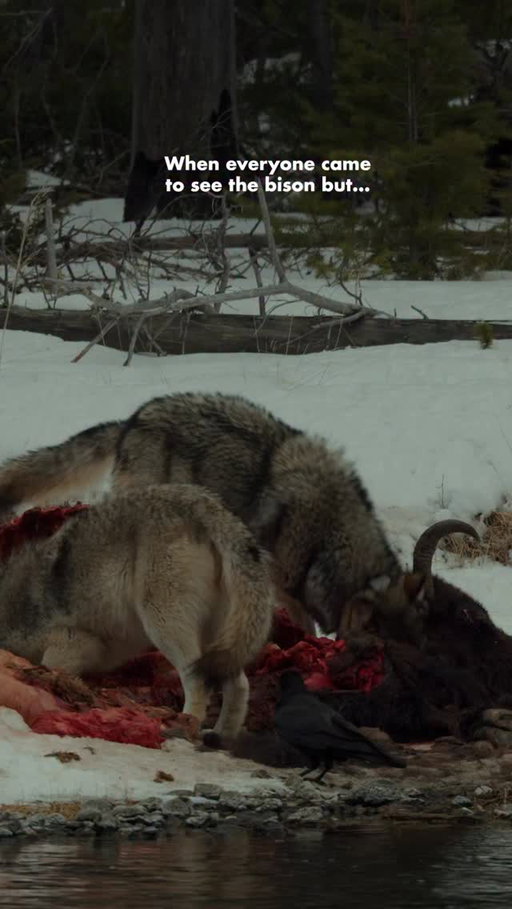
Once again, it is (sadly) a fitting time to share this quote; “Only an ignoramus can imagine now that pollinating insects, migratory birds, and pelagic fish can depart our company and that we will survive because we know how to make tools. Only the misled can insist that heaven awaits the righteous while they watch the fires on Earth consume the only heaven we have ever known.” // Barry Lopez
255K
21.6K
83
2mo ago
hannahrheaume
Once again, it is (sadly) a fitting time to share this quote; “Only an ignoramus can imagine now that pollinating insects, migratory birds, and pelagic fish can depart our company and that we will survive because we know how to make tools. Only the misled can insist that heaven awaits the righteous while they watch the fires on Earth consume the only heaven we have ever known.” // Barry Lopez
Nom nom nom

(Personally I come here for the wolves)

(PS no they don’t eat “all the ungulates”)
173K
19.7K
59
1mo ago
hannahrheaume
Nom nom nom (Personally I come here for the wolves) (PS no they don’t eat “all the ungulates”)
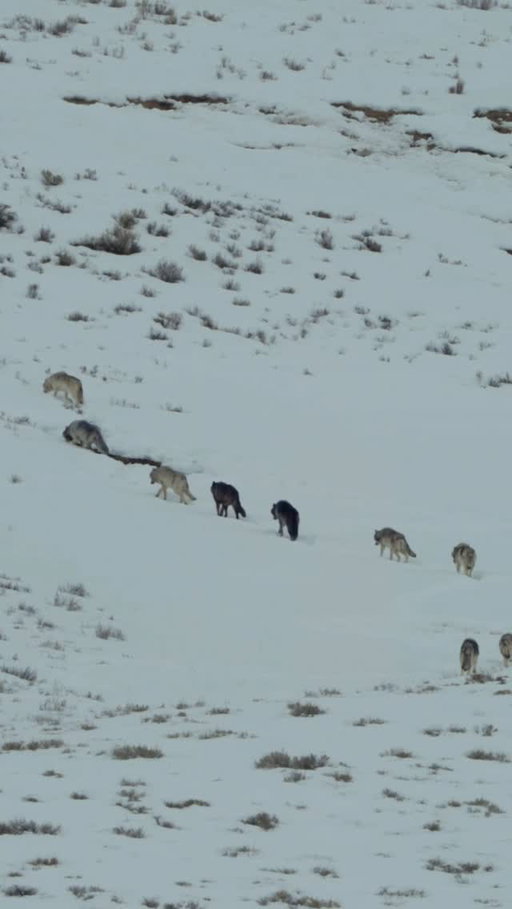
Long, unpunctuated hours pass most days. But this… this was different. Each hour, punctuated by the presence of a wolf.

Wolves are some of the most elusive creatures of our planet. And for good reason. Having been hunted to extirpation in this very part of the world, it is a natural wonder of sorts to simply hear their howl or see their tracks. But to see them? A rarity. And one I surely promise to never take for granted.

There’s this sort of entitlement people have when they visit Yellowstone. That when they visit, they’re guaranteed to see a wolf. But dispersed across 2.2 million acres, these animals will quickly humble you. And they will certainly remind you, they’re here for no one’s pleasure.

Set out to look for them and it’s almost guaranteed you won’t. But when you finally do, it’s because of their choosing. 

In a world that strives to rid them - they persist. In the shadows and sometimes in the light.

@sonyalpha 7Rv 400-800 f5.6-8 G OSS 

#sonyalpha #sonyalphafemale #BBCWildlifePOTD
149K
5.97K
230
1mo ago
hannahrheaume
Long, unpunctuated hours pass most days. But this… this was different. Each hour, punctuated by the presence of a wolf. Wolves are some of the most elusive creatures of our planet. And for good reason. Having been hunted to extirpation in this very part of the world, it is a natural wonder of sorts to simply hear their howl or see their tracks. But to see them? A rarity. And one I surely promise to never take for granted. There’s this sort of entitlement people have when they visit Yellowstone. That when they visit, they’re guaranteed to see a wolf. But dispersed across 2.2 million acres, these animals will quickly humble you. And they will certainly remind you, they’re here for no one’s pleasure. Set out to look for them and it’s almost guaranteed you won’t. But when you finally do, it’s because of their choosing. In a world that strives to rid them - they persist. In the shadows and sometimes in the light. @sonyalpha 7Rv 400-800 f5.6-8 G OSS #sonyalpha #sonyalphafemale #BBCWildlifePOTD
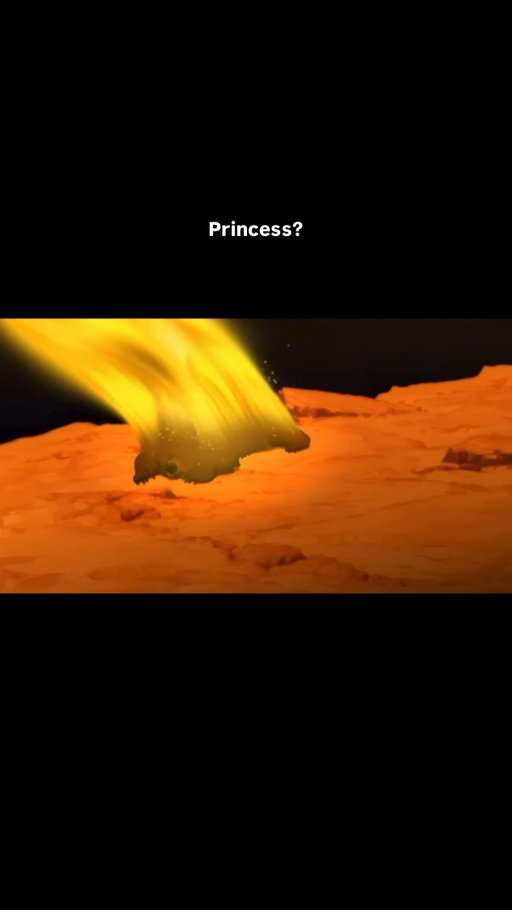
I think we can forget the underlying tones in media like cinema and how they can depict inaccurate portrayals or deepen cultural, fear based ideologies. I love this scene because the wolf is depicted as the wolf truly is: a wild animal making a living. Not the blood thirsty killer we typically see. 

Wes Anderson on this scene from Fantastic Mr. Fox; “There were some people who didn’t like the scene - in particular, one very important person. He said, ‘I don’t understand what this scene is doing in the movie! And I would always say to him, ‘I’m not cutting it. That scene is why I’m making the movie!”

This scene comes near the end of the movie when we’ve gotten to know Mr. Fox and all of his flaws of domestication as a wild animal.
The black wolf is sort of like a metaphor for Mr. Fox’s internal struggles - as an animal that subsists close to human settlements but still yearns to nurture his untamed nature. I read one review that put it as: “His instincts have been suppressed by civilization - by the architecture of rules and the unspoken contracts meant to restrain the beast within. But deep down, he knows he is still wild.”

And while Mr. Fox is afraid of the wolf, and in turn afraid of his own primal side, he can still appreciate the wolf despite all that the wolf represents: his very own carnivorous instinct. 

As wolves are most often observed in packs, unless they’re dispersing, a lone wolf can represent struggle. Mr. Fox and the wolf lead entirely different lives, they don’t even speak the same language, yet they can both identify each’s struggle for survival.

Thanks for inspiring this reel, @meglbrief 🤍🐺🦊
141K
17.4K
77
2mo ago
hannahrheaume
I think we can forget the underlying tones in media like cinema and how they can depict inaccurate portrayals or deepen cultural, fear based ideologies. I love this scene because the wolf is depicted as the wolf truly is: a wild animal making a living. Not the blood thirsty killer we typically see. Wes Anderson on this scene from Fantastic Mr. Fox; “There were some people who didn’t like the scene - in particular, one very important person. He said, ‘I don’t understand what this scene is doing in the movie! And I would always say to him, ‘I’m not cutting it. That scene is why I’m making the movie!” This scene comes near the end of the movie when we’ve gotten to know Mr. Fox and all of his flaws of domestication as a wild animal. The black wolf is sort of like a metaphor for Mr. Fox’s internal struggles - as an animal that subsists close to human settlements but still yearns to nurture his untamed nature. I read one review that put it as: “His instincts have been suppressed by civilization - by the architecture of rules and the unspoken contracts meant to restrain the beast within. But deep down, he knows he is still wild.” And while Mr. Fox is afraid of the wolf, and in turn afraid of his own primal side, he can still appreciate the wolf despite all that the wolf represents: his very own carnivorous instinct. As wolves are most often observed in packs, unless they’re dispersing, a lone wolf can represent struggle. Mr. Fox and the wolf lead entirely different lives, they don’t even speak the same language, yet they can both identify each’s struggle for survival. Thanks for inspiring this reel, @meglbrief 🤍🐺🦊
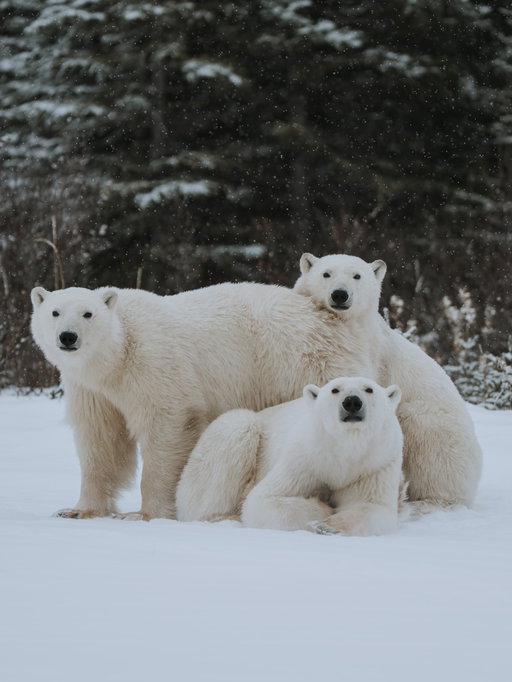
“Last November, I experienced my first encounters with polar bears while staying at a remote wilderness lodge in Manitoba. I nearly filled up an entire hard drive while I was there, and these are some of those photos. 
They were taken with a combination of my Sony Alpha 7R V and the NEW Sony Alpha 7 V with the Sony 400mm F2.8 G Master OSS and the 100-400mm f4.5-5.6 G OSS lenses. With this gear, I knew I would be covered in just about any scenario. Telling the story of the wild north through tight portraits, medium landscapes and all encompassing wides was the goal - and this set up accomplished that.” - @hannahrheaume 👏🐾 Outstanding work. 
Tap the link in our stories + bio to shop the NEW Sony Alpha 7 V, along with the Sony Alpha 7R V (currently $900 off!) and these powerhouse telephoto GM lenses. #SonyAlpha
109K
3.33K
92
1mo ago
hannahrheaume
“Last November, I experienced my first encounters with polar bears while staying at a remote wilderness lodge in Manitoba. I nearly filled up an entire hard drive while I was there, and these are some of those photos. They were taken with a combination of my Sony Alpha 7R V and the NEW Sony Alpha 7 V with the Sony 400mm F2.8 G Master OSS and the 100-400mm f4.5-5.6 G OSS lenses. With this gear, I knew I would be covered in just about any scenario. Telling the story of the wild north through tight portraits, medium landscapes and all encompassing wides was the goal - and this set up accomplished that.” - @hannahrheaume 👏🐾 Outstanding work. Tap the link in our stories + bio to shop the NEW Sony Alpha 7 V, along with the Sony Alpha 7R V (currently $900 off!) and these powerhouse telephoto GM lenses. #SonyAlpha
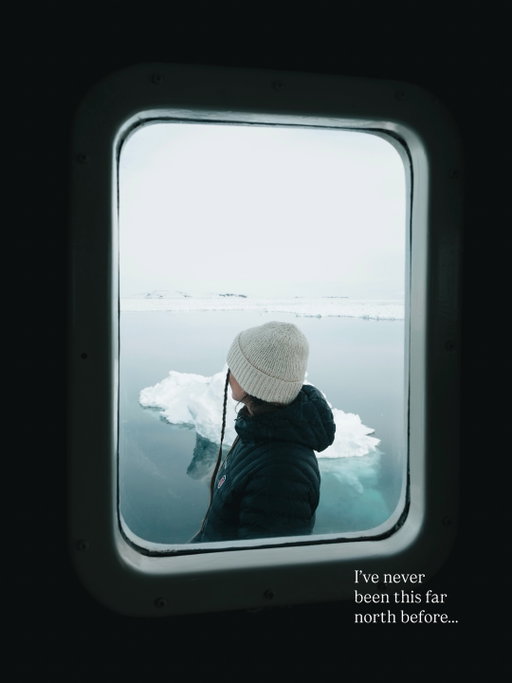
I just returned from Nanuk Polar Bear Lodge with @churchillwildsafaris and what a potent reminder of the privilege we possess to be living the same timeline amongst so many wondrous beings and within so many primordial places.

The Kaska Coast is nestled on the Hudson Bay - this confluence of arctic and sub arctic conditions make for a unique landscape with, to my surprise, a swath of uniquely adapted wildlife.

Here, every morning presents a set of unknowns; What would the day bring? Who would we see? What would we see? Where will we go? 

The days are short this time of year, with ~7 hours of daylight we made the most of every single second. Polar bears, snowy owls, ptarmigan, moose, red fox, ravens and lemmings were all but a daily occurrence. And the novelty of each sighting never wore off.

I mean, how could it? To be on the landscape with any animal is special. But to be on the landscape with polar bears? You have to understand, this is not something I ever thought I’d experience in this lifetime.

These photos are a small collection of the thousands I took while at Nanuk. A reflection of the wonder I felt in the presence of such ancient timelines presently unfolding. And I, a front row seat to it all.

#sonyalpha #sonyalphafemale #natgeoyourshotpoy25
94.9K
3.80K
182
4mo ago
hannahrheaume
I just returned from Nanuk Polar Bear Lodge with @churchillwildsafaris and what a potent reminder of the privilege we possess to be living the same timeline amongst so many wondrous beings and within so many primordial places. The Kaska Coast is nestled on the Hudson Bay - this confluence of arctic and sub arctic conditions make for a unique landscape with, to my surprise, a swath of uniquely adapted wildlife. Here, every morning presents a set of unknowns; What would the day bring? Who would we see? What would we see? Where will we go? The days are short this time of year, with ~7 hours of daylight we made the most of every single second. Polar bears, snowy owls, ptarmigan, moose, red fox, ravens and lemmings were all but a daily occurrence. And the novelty of each sighting never wore off. I mean, how could it? To be on the landscape with any animal is special. But to be on the landscape with polar bears? You have to understand, this is not something I ever thought I’d experience in this lifetime. These photos are a small collection of the thousands I took while at Nanuk. A reflection of the wonder I felt in the presence of such ancient timelines presently unfolding. And I, a front row seat to it all. #sonyalpha #sonyalphafemale #natgeoyourshotpoy25
My wildlife lens is the @sonyalpha 200-600 f5.6-6.3 G OSS and I pair it with my a7RV but I recently tried the new 400-800 f6.3-8 G OSS while in Yellowstone and was so impressed by the extra reach, compared to what I am used to.

Since sharing about the 400-800, I’ve been asked “which one is better?”

But I think we should be asking: which one is better FOR ME?

We often get caught up in getting the latest and greatest and often we credit having the best gear to making the best photos. And while gear matters, I think it’s the individual behind the camera that really makes an image sing.

For me, the 200-600 is the sweet spot when it comes to zoom range for the way I like to make images. 200mm is wide enough to capture environmental shots and 600 is close enough to really focus in on my desired subject.

The 400-800 was incredible for close ups and more portrait style shots. This range allowed me to really isolate my subjects and focus in on them with fewer distractions. It was also great for a place like Yellowstone, where my subjects are often far away — the extra 200mm was very helpful. 

So that being said, which one is better? Well they’re both fantastic, it’s just a matter of how you plan to use it.
87.4K
3.49K
111
1mo ago
hannahrheaume
My wildlife lens is the @sonyalpha 200-600 f5.6-6.3 G OSS and I pair it with my a7RV but I recently tried the new 400-800 f6.3-8 G OSS while in Yellowstone and was so impressed by the extra reach, compared to what I am used to. Since sharing about the 400-800, I’ve been asked “which one is better?” But I think we should be asking: which one is better FOR ME? We often get caught up in getting the latest and greatest and often we credit having the best gear to making the best photos. And while gear matters, I think it’s the individual behind the camera that really makes an image sing. For me, the 200-600 is the sweet spot when it comes to zoom range for the way I like to make images. 200mm is wide enough to capture environmental shots and 600 is close enough to really focus in on my desired subject. The 400-800 was incredible for close ups and more portrait style shots. This range allowed me to really isolate my subjects and focus in on them with fewer distractions. It was also great for a place like Yellowstone, where my subjects are often far away — the extra 200mm was very helpful. So that being said, which one is better? Well they’re both fantastic, it’s just a matter of how you plan to use it.
Nearly filled a hard drive while up at Nanuk Polar Bear Lodge with @churchillwildsafaris and these are some of those images.

You see, I’m a canid gal, most call me a wolf gal, and I was up here to look for wolves. “Per usual.” But my, how shortsighted of me. Adapted to thrive only in the harshest of climates, polar bears truly are extraordinary animals. And what a privilege it is to witness them in the wild north.

These experiences are always a reminder to leave a lot of room for the unexpected. To let the wild be unpredictable. To let go of our grip on expectations and desired outcomes.

I know I’ll carry my first foray with polar bears with me for the rest of this lifetime.

#sonyalpha #sonyalphafemale
80.3K
7.35K
133
3mo ago
hannahrheaume
Nearly filled a hard drive while up at Nanuk Polar Bear Lodge with @churchillwildsafaris and these are some of those images. You see, I’m a canid gal, most call me a wolf gal, and I was up here to look for wolves. “Per usual.” But my, how shortsighted of me. Adapted to thrive only in the harshest of climates, polar bears truly are extraordinary animals. And what a privilege it is to witness them in the wild north. These experiences are always a reminder to leave a lot of room for the unexpected. To let the wild be unpredictable. To let go of our grip on expectations and desired outcomes. I know I’ll carry my first foray with polar bears with me for the rest of this lifetime. #sonyalpha #sonyalphafemale
Our Creator of the Week goes out to @hannahrheaume on International Polar Bear Day, for capturing these beautiful animals with her @sonyalpha setup 📷 🐻‍❄️
80.0K
3.20K
156
1mo ago
hannahrheaume
Our Creator of the Week goes out to @hannahrheaume on International Polar Bear Day, for capturing these beautiful animals with her @sonyalpha setup 📷 🐻‍❄️
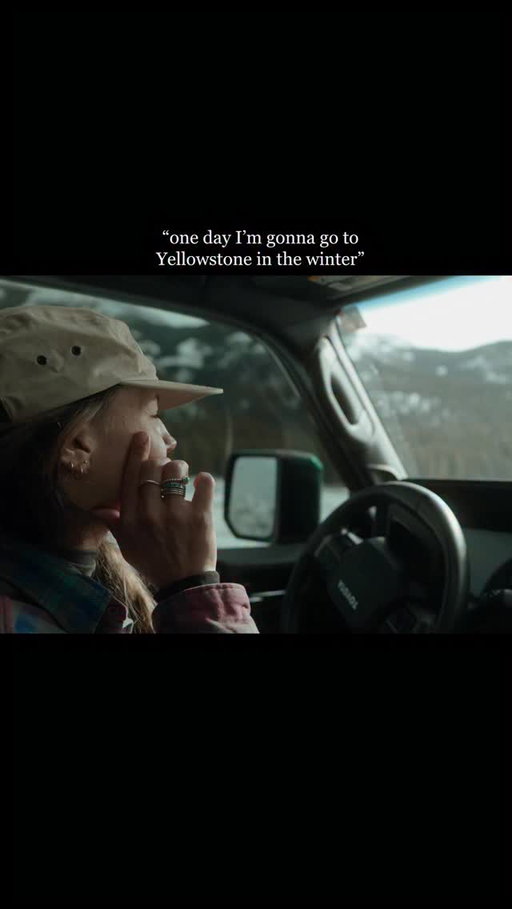
And once you go in the winter, it will become your favorite time to be there. Quiet, less crowds, unpredictable encounters, rapid weather shifts, freezing finger tips is all part of it. It’s not the easiest place to be in such an “unfavorable” season but that’s what makes it all the more exceptional.

Winter road trip with my friends @hatchadventures ❄️🐺🌞
79.0K
8.61K
72
1mo ago
hannahrheaume
And once you go in the winter, it will become your favorite time to be there. Quiet, less crowds, unpredictable encounters, rapid weather shifts, freezing finger tips is all part of it. It’s not the easiest place to be in such an “unfavorable” season but that’s what makes it all the more exceptional. Winter road trip with my friends @hatchadventures ❄️🐺🌞
I see this mentality and sentiment all too often. “Shoot, shovel, shut up” and “smoke a pack a day” are used generously in the wolf conversation. And comments like this make me wonder about individual motivations for hunting wolves. And it leads me to question whether or not it’s ethical to hunt something you hate? This idea that we can kill something just because we don’t like it, because we hate it? Is that hunting or is it something else?

No matter the wolf, this is so often the response. These words are loud, guttural and filled with disgust. Regardless of the wolf and where it lives, regardless of if it’s ever depredated on livestock — I come to terms with this sentiment. I respect that other people may have differing opinions and really do strive to meet in the middle, because that’s precisely where change happens. But the one thing I do not respect or have any tolerance for is sentiment like this, sentiment littered with deep seated hatred of something just because an individual fears it.
68.9K
6.26K
360
1mo ago
hannahrheaume
I see this mentality and sentiment all too often. “Shoot, shovel, shut up” and “smoke a pack a day” are used generously in the wolf conversation. And comments like this make me wonder about individual motivations for hunting wolves. And it leads me to question whether or not it’s ethical to hunt something you hate? This idea that we can kill something just because we don’t like it, because we hate it? Is that hunting or is it something else? No matter the wolf, this is so often the response. These words are loud, guttural and filled with disgust. Regardless of the wolf and where it lives, regardless of if it’s ever depredated on livestock — I come to terms with this sentiment. I respect that other people may have differing opinions and really do strive to meet in the middle, because that’s precisely where change happens. But the one thing I do not respect or have any tolerance for is sentiment like this, sentiment littered with deep seated hatred of something just because an individual fears it.
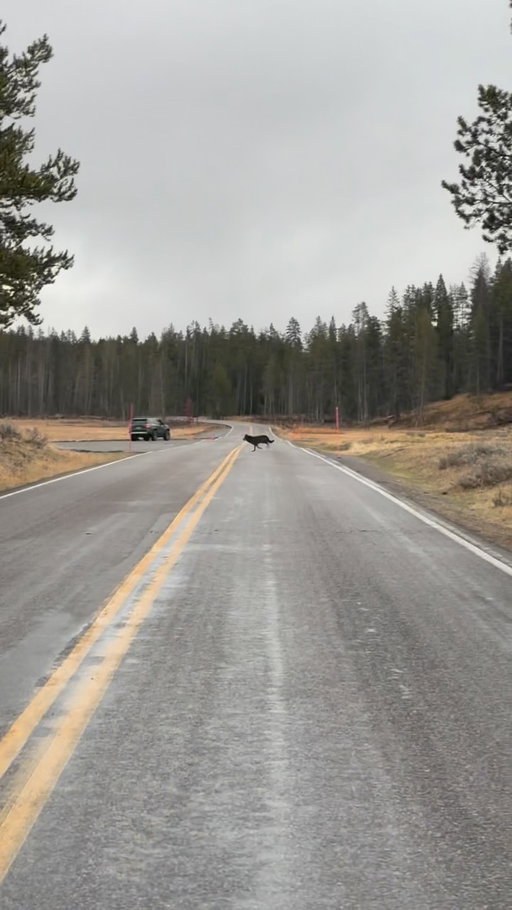
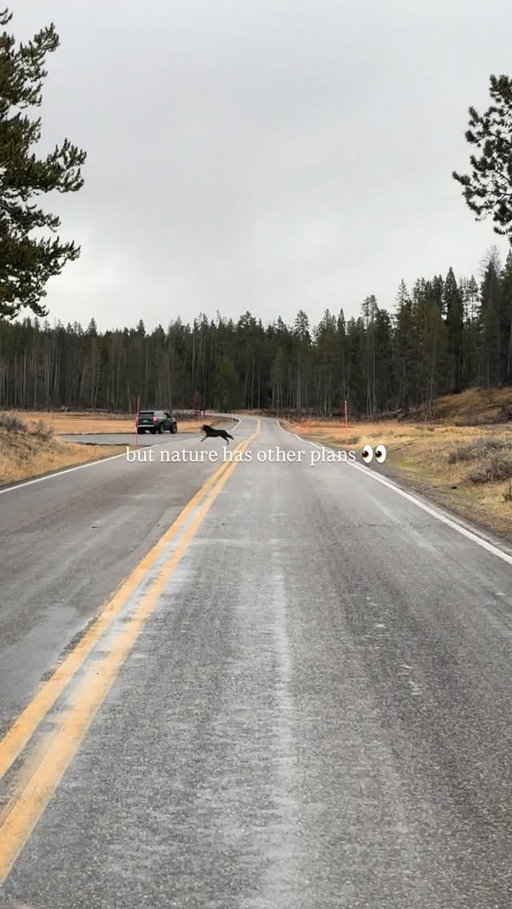
A moment of reprieve I will always return to: mid afternoon in Yellowstone, a warm summer breeze and a black wolf crossing the road. 

I often find myself daydreaming about this moment. Yes of course because I wish I could relive it — but also because I wish so many others could experience it too. Yellowstone is unique in that it gives visitors a front row seat to the wilds — grizzly bears, mountain lions, coyotes and wolves doing what each does best.

Wolves have always been persecuted oftentimes without basis or out of fear. But I firmly believe that to experience something is to understand it a little better. And that maybe, just maybe, if more of the folks that persecute wolves could see them like this — maybe then we’d create change in the way we view and “manage” them.
68.1K
7.02K
38
11mo ago
hannahrheaume
A moment of reprieve I will always return to: mid afternoon in Yellowstone, a warm summer breeze and a black wolf crossing the road. I often find myself daydreaming about this moment. Yes of course because I wish I could relive it — but also because I wish so many others could experience it too. Yellowstone is unique in that it gives visitors a front row seat to the wilds — grizzly bears, mountain lions, coyotes and wolves doing what each does best. Wolves have always been persecuted oftentimes without basis or out of fear. But I firmly believe that to experience something is to understand it a little better. And that maybe, just maybe, if more of the folks that persecute wolves could see them like this — maybe then we’d create change in the way we view and “manage” them.
We’d heard where the wolves were last seen the previous day— but if you know anything about wolves you know that doesn’t really matter. It varies, but generally speaking wolves can travel ~30 miles a day; so when we were told where they were last seen we thought it might be best to go there and backtrack. We looked for tracks in the road, scanned the treeline and listened for howling. 

Rinse and repeat — until finally, it paid off.

Like a mirage, there she was. It seemed like she appeared out of nowhere. As most wolf encounters go.

This young female wolf effortlessly trotted through the snow; with her nose to the ground it was obvious that she was following a scent trail. Looking up for only seconds at a time, I started to become increasingly more curious about where she was going and what waited for her there.

The trail she traveled seemed like a super highway used by many different animals, and most likely her pack. A highway for her and a place on the rivers edge for me to stand and wonder. 

I’ll never know how the rest of her day went or where she ended up but that’s okay. I’m always grateful for the opportunity of a rare glimpse into the life of a wild wolf. Until we meet again.

@sonyalpha 7RV, 200-600 f5.6-6.3 G OSS

#sonyalpha #sonyalphafemale #natgeoyourshot
65.8K
2.63K
81
1mo ago
hannahrheaume
We’d heard where the wolves were last seen the previous day— but if you know anything about wolves you know that doesn’t really matter. It varies, but generally speaking wolves can travel ~30 miles a day; so when we were told where they were last seen we thought it might be best to go there and backtrack. We looked for tracks in the road, scanned the treeline and listened for howling. Rinse and repeat — until finally, it paid off. Like a mirage, there she was. It seemed like she appeared out of nowhere. As most wolf encounters go. This young female wolf effortlessly trotted through the snow; with her nose to the ground it was obvious that she was following a scent trail. Looking up for only seconds at a time, I started to become increasingly more curious about where she was going and what waited for her there. The trail she traveled seemed like a super highway used by many different animals, and most likely her pack. A highway for her and a place on the rivers edge for me to stand and wonder. I’ll never know how the rest of her day went or where she ended up but that’s okay. I’m always grateful for the opportunity of a rare glimpse into the life of a wild wolf. Until we meet again. @sonyalpha 7RV, 200-600 f5.6-6.3 G OSS #sonyalpha #sonyalphafemale #natgeoyourshot

Hannah Rheaume (@hannahrheaume) Instagram Stats & Analytics

Hannah Rheaume (@hannahrheaume) has 139K Instagram followers with a 10.01% engagement rate over the past 12 months. Across 224 posts, Hannah Rheaume received 1.12M total likes and 10.3M impressions, averaging 4.99K likes per post. This page tracks Hannah Rheaume's performance metrics, top content, and engagement trends — updated daily.

Hannah Rheaume (@hannahrheaume) Instagram Analytics FAQ

How many Instagram followers does Hannah Rheaume have?+
Hannah Rheaume (@hannahrheaume) has 139K Instagram followers as of April 2026.
What is Hannah Rheaume's Instagram engagement rate?+
Hannah Rheaume's Instagram engagement rate is 10.01% over the last 12 months, based on 224 posts.
How many likes does Hannah Rheaume get on Instagram?+
Hannah Rheaume received 1.12M total likes across 224 posts in the last 12 months, averaging 4.99K likes per post.
How many Instagram impressions does Hannah Rheaume get?+
Hannah Rheaume's Instagram content generated 10.3M total impressions over the last 12 months.