Pruf Logo

Post Analytics

complex
Mar 3, 2026
chat, are we locking in at 3am đź‘€

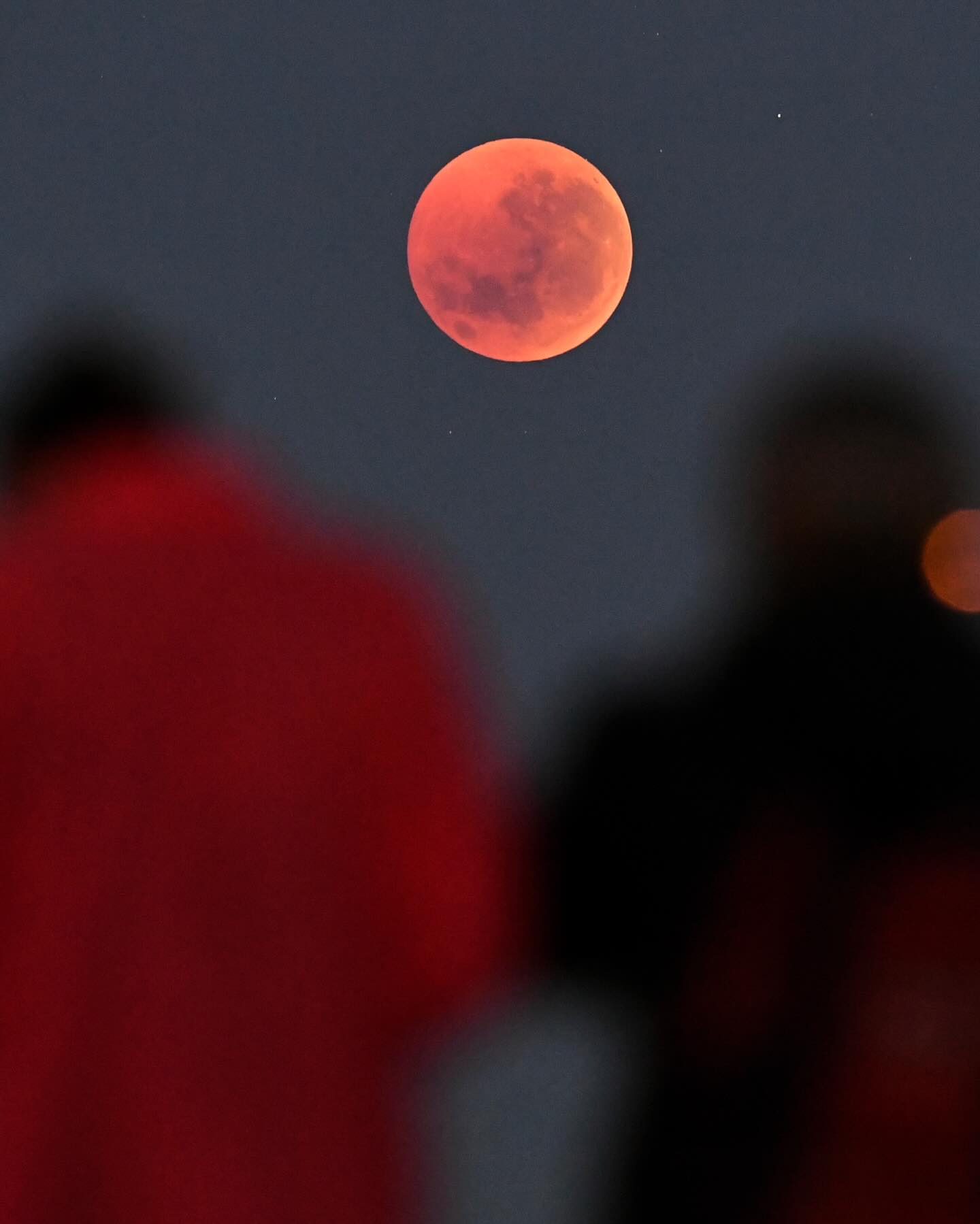
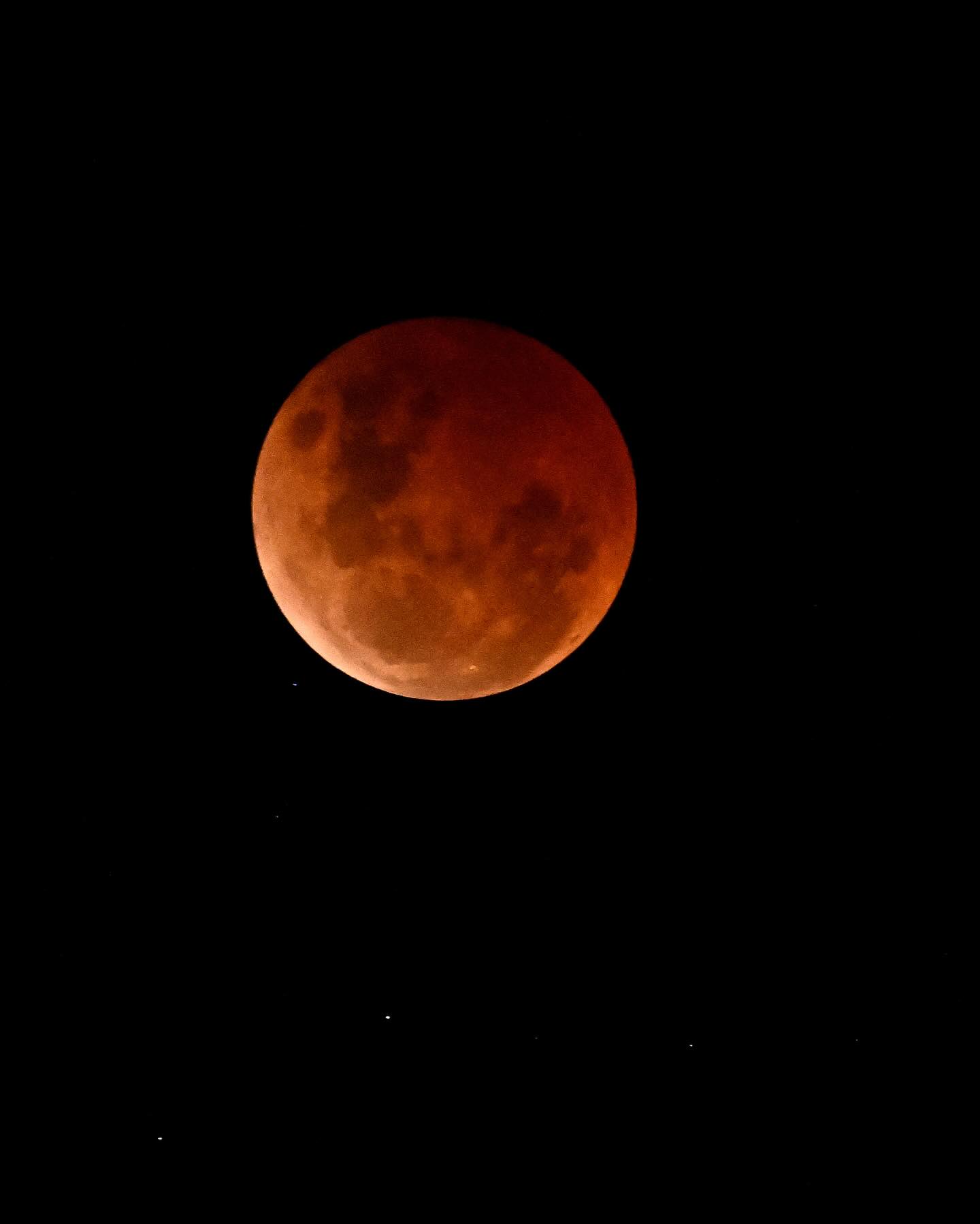
North America will see a rare “blood moon” early Tuesday morning, March 3, as a total lunar eclipse turns the full moon a deep red color. In New York City, the eclipse begins at 3:44 a.m. and lasts until about 6:30 a.m., though some people may only catch part of it as the moon sets. The red color happens when Earth moves between the sun and the moon, blocking direct sunlight while light passing through Earth’s atmosphere gives the moon a copper glow.

(via @nytimes )
chat, are we locking in at 3am đź‘€

North America will see a rare “blood moon” early Tuesday morning, March 3, as a total lunar eclipse turns the full moon a deep red color. In New York City, the eclipse begins at 3:44 a.m. and lasts until about 6:30 a.m., though some people may only catch part of it as the moon sets. The red color happens when Earth moves between the sun and the moon, blocking direct sunlight while light passing through Earth’s atmosphere gives the moon a copper glow.

(via @nytimes )

chat, are we locking in at 3am đź‘€

North America will see a rare “blood moon” early Tuesday morning, March 3, as a total lunar eclipse turns the full moon a deep red color. In New York City, the eclipse begins at 3:44 a.m. and lasts until about 6:30 a.m., though some people may only catch part of it as the moon sets. The red color happens when Earth moves between the sun and the moon, blocking direct sunlight while light passing through Earth’s atmosphere gives the moon a copper glow.

(via @nytimes )
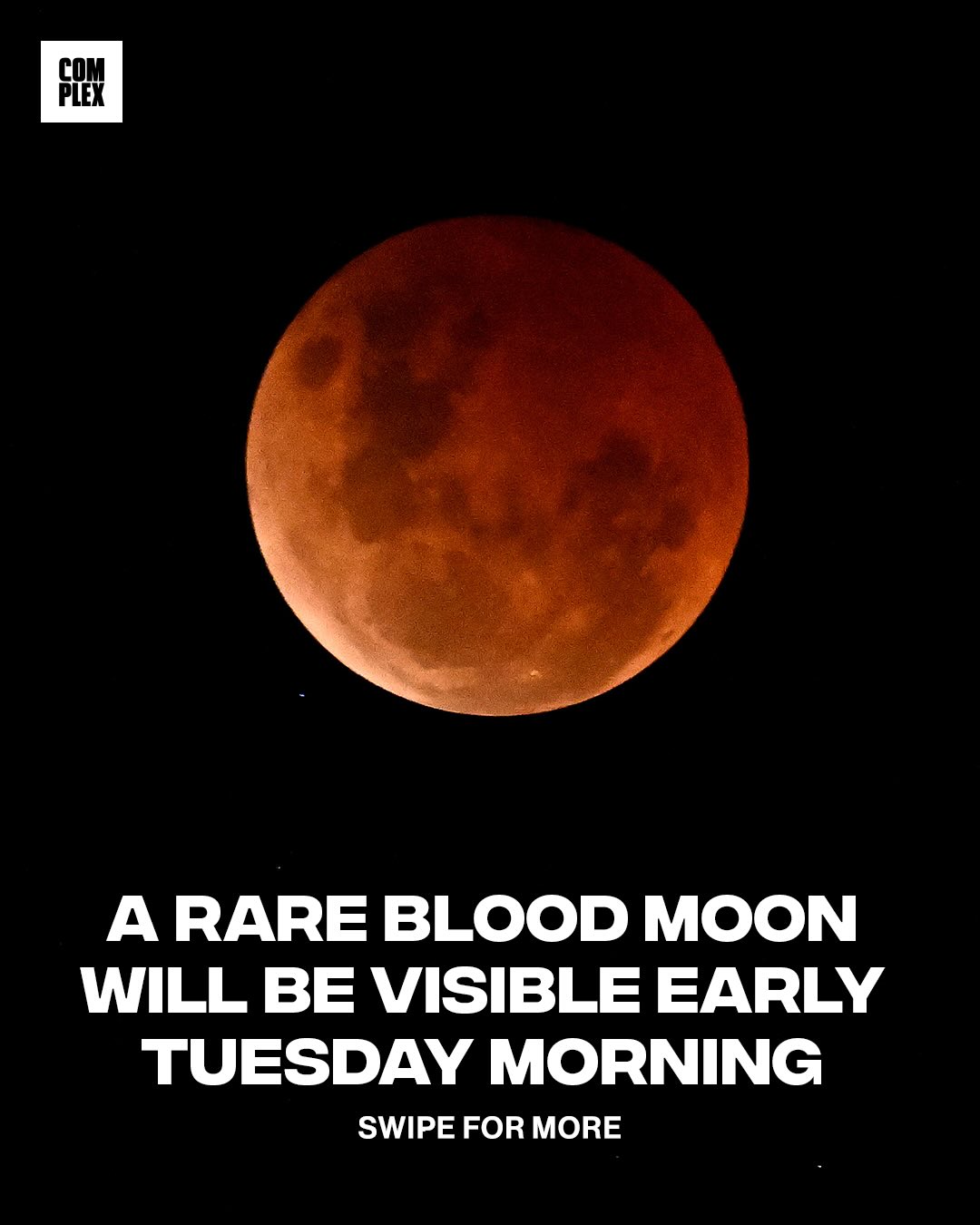
chat, are we locking in at 3am đź‘€

North America will see a rare “blood moon” early Tuesday morning, March 3, as a total lunar eclipse turns the full moon a deep red color. In New York City, the eclipse begins at 3:44 a.m. and lasts until about 6:30 a.m., though some people may only catch part of it as the moon sets. The red color happens when Earth moves between the sun and the moon, blocking direct sunlight while light passing through Earth’s atmosphere gives the moon a copper glow.

(via @nytimes )
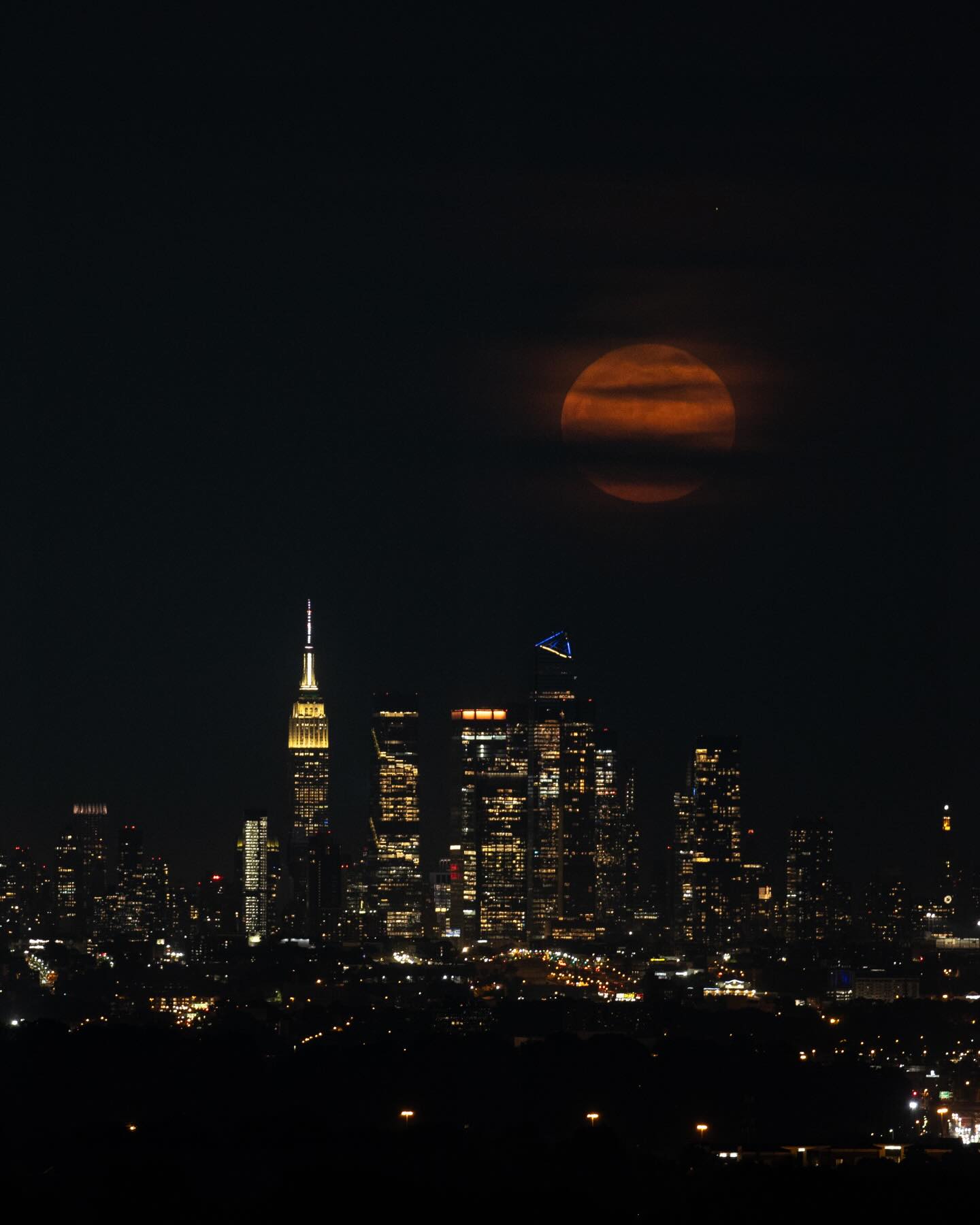
chat, are we locking in at 3am đź‘€

North America will see a rare “blood moon” early Tuesday morning, March 3, as a total lunar eclipse turns the full moon a deep red color. In New York City, the eclipse begins at 3:44 a.m. and lasts until about 6:30 a.m., though some people may only catch part of it as the moon sets. The red color happens when Earth moves between the sun and the moon, blocking direct sunlight while light passing through Earth’s atmosphere gives the moon a copper glow.

(via @nytimes )
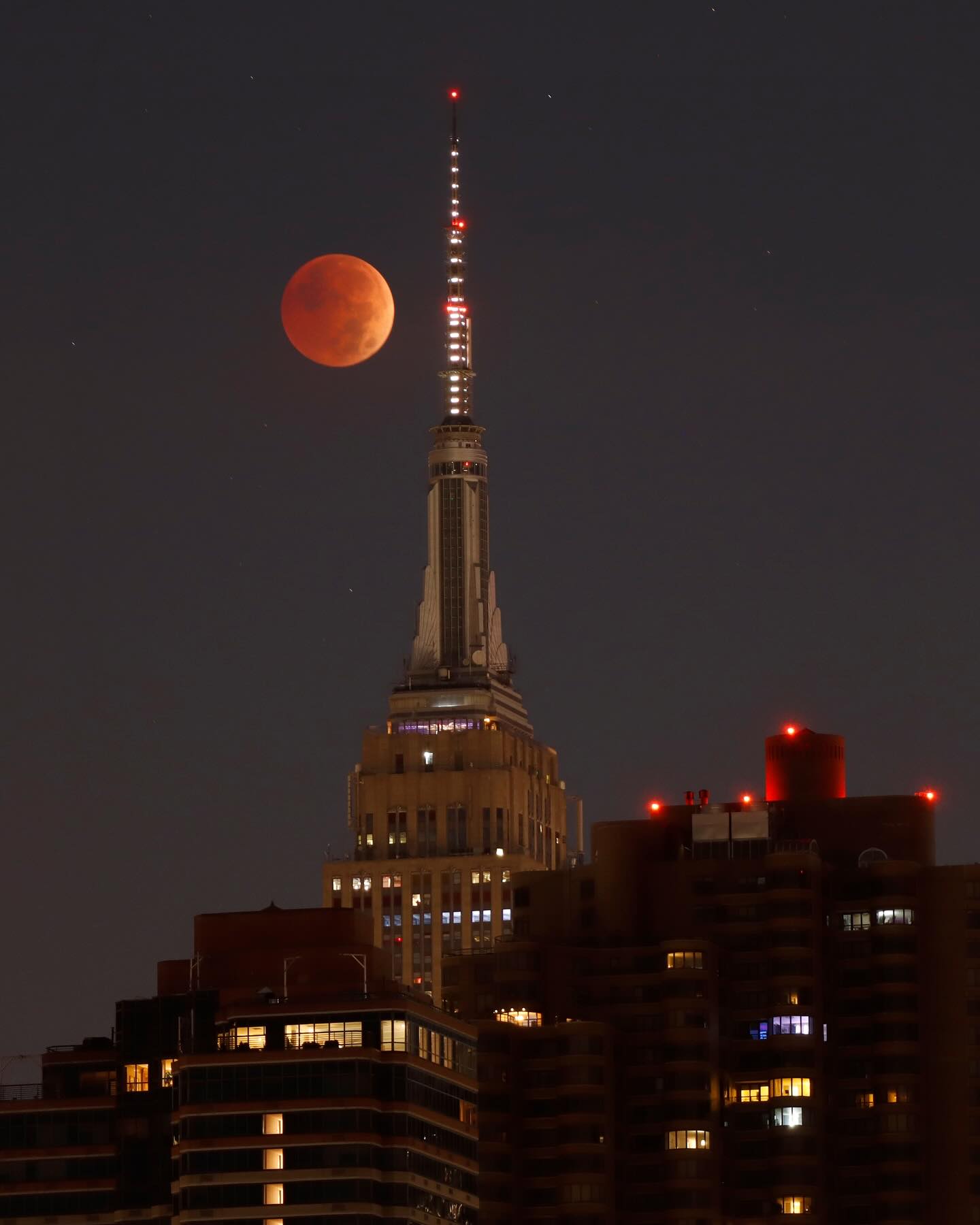
chat, are we locking in at 3am đź‘€

North America will see a rare “blood moon” early Tuesday morning, March 3, as a total lunar eclipse turns the full moon a deep red color. In New York City, the eclipse begins at 3:44 a.m. and lasts until about 6:30 a.m., though some people may only catch part of it as the moon sets. The red color happens when Earth moves between the sun and the moon, blocking direct sunlight while light passing through Earth’s atmosphere gives the moon a copper glow.

(via @nytimes )
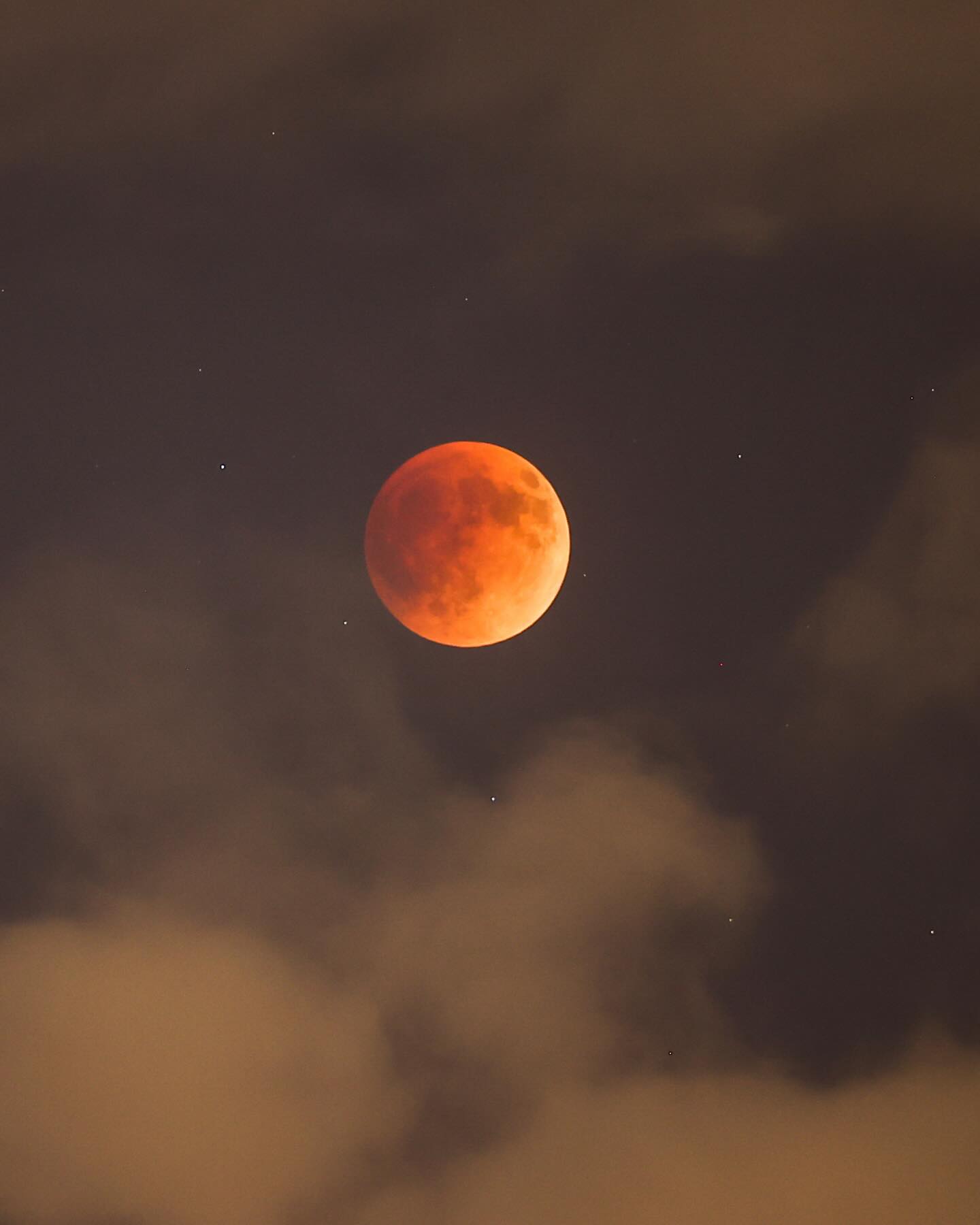
chat, are we locking in at 3am đź‘€

North America will see a rare “blood moon” early Tuesday morning, March 3, as a total lunar eclipse turns the full moon a deep red color. In New York City, the eclipse begins at 3:44 a.m. and lasts until about 6:30 a.m., though some people may only catch part of it as the moon sets. The red color happens when Earth moves between the sun and the moon, blocking direct sunlight while light passing through Earth’s atmosphere gives the moon a copper glow.

(via @nytimes )
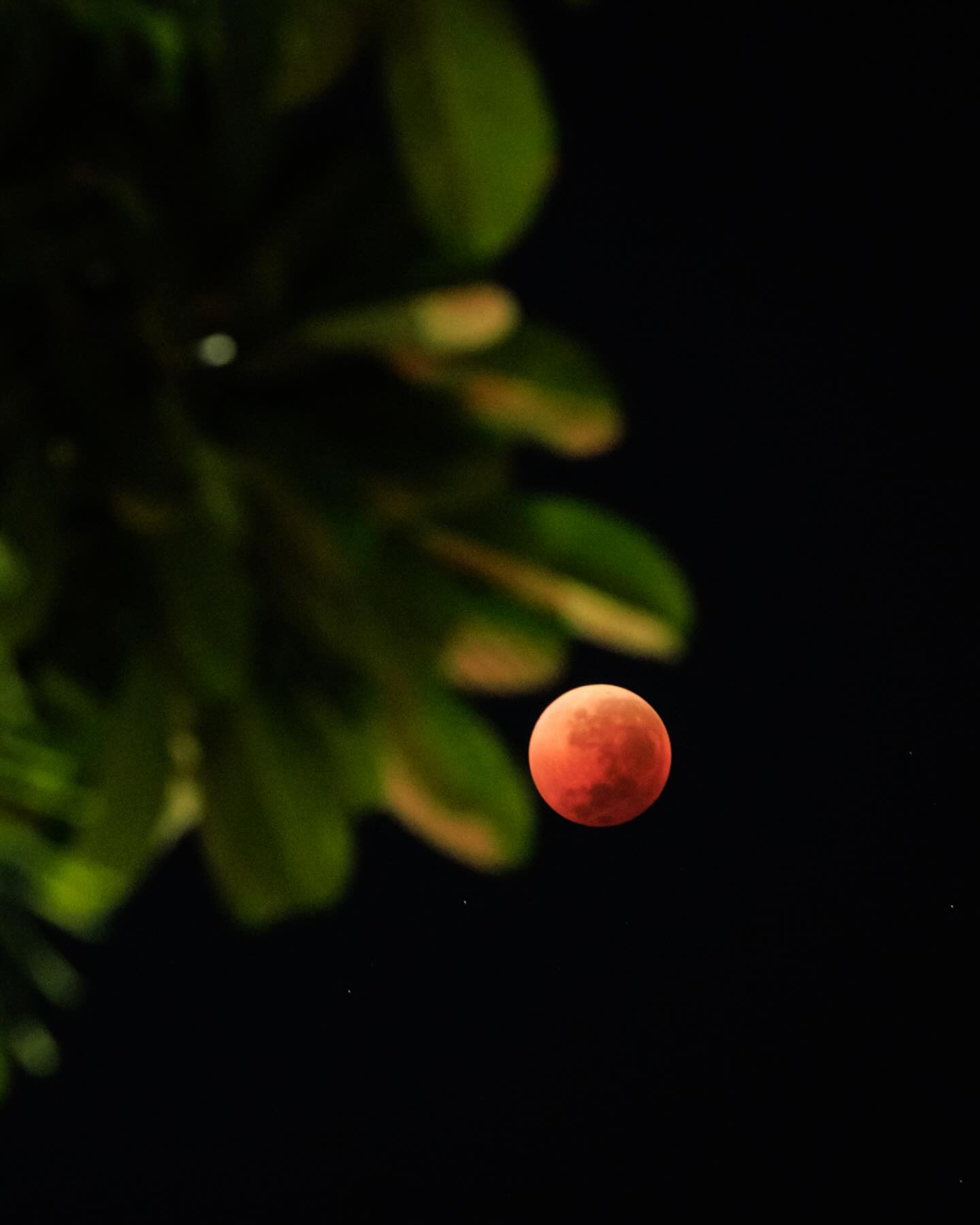
chat, are we locking in at 3am đź‘€

North America will see a rare “blood moon” early Tuesday morning, March 3, as a total lunar eclipse turns the full moon a deep red color. In New York City, the eclipse begins at 3:44 a.m. and lasts until about 6:30 a.m., though some people may only catch part of it as the moon sets. The red color happens when Earth moves between the sun and the moon, blocking direct sunlight while light passing through Earth’s atmosphere gives the moon a copper glow.

(via @nytimes )
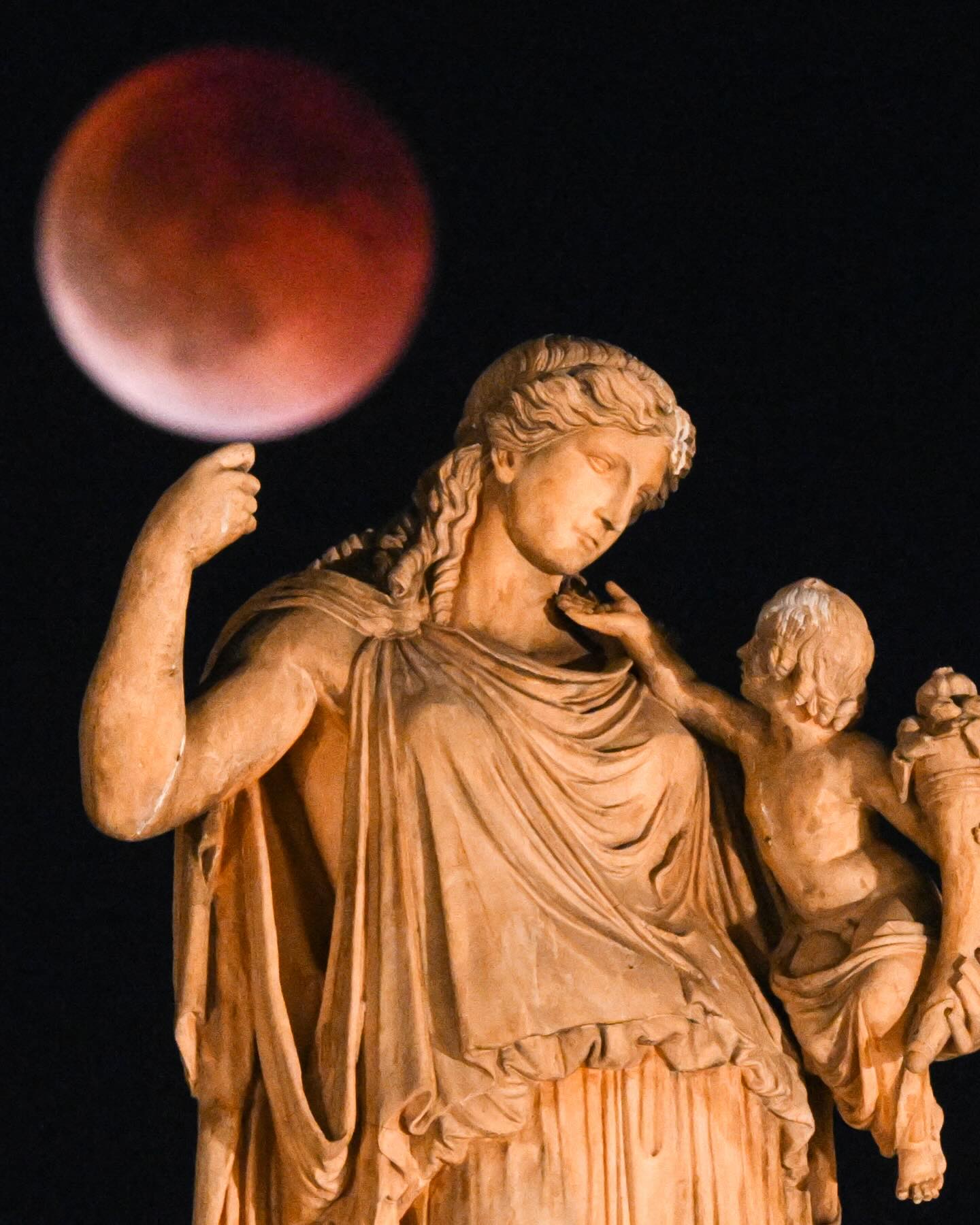
chat, are we locking in at 3am đź‘€

North America will see a rare “blood moon” early Tuesday morning, March 3, as a total lunar eclipse turns the full moon a deep red color. In New York City, the eclipse begins at 3:44 a.m. and lasts until about 6:30 a.m., though some people may only catch part of it as the moon sets. The red color happens when Earth moves between the sun and the moon, blocking direct sunlight while light passing through Earth’s atmosphere gives the moon a copper glow.

(via @nytimes )
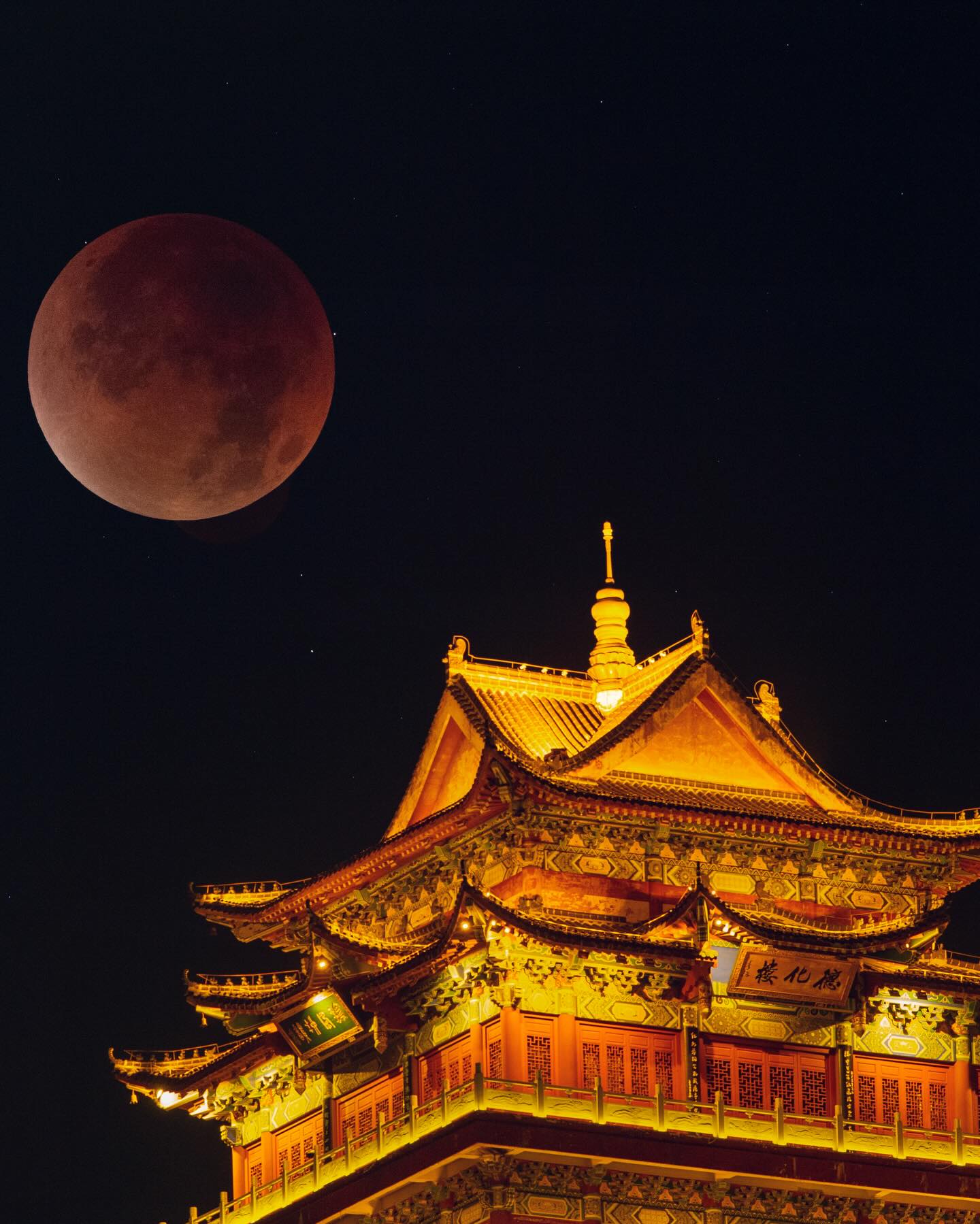
chat, are we locking in at 3am đź‘€

North America will see a rare “blood moon” early Tuesday morning, March 3, as a total lunar eclipse turns the full moon a deep red color. In New York City, the eclipse begins at 3:44 a.m. and lasts until about 6:30 a.m., though some people may only catch part of it as the moon sets. The red color happens when Earth moves between the sun and the moon, blocking direct sunlight while light passing through Earth’s atmosphere gives the moon a copper glow.

(via @nytimes )
0:00 /0:00
1.08M
43.2K
133

chat, are we locking in at 3am 👀 North America will see a rare “blood moon” early Tuesday morning, March 3, as a total lunar eclipse turns the full moon a deep red color. In New York City, the eclipse begins at 3:44 a.m. and lasts until about 6:30 a.m., though some people may only catch part of it as the moon sets. The red color happens when Earth moves between the sun and the moon, blocking direct sunlight while light passing through Earth’s atmosphere gives the moon a copper glow. (via @nytimes )
Key Metrics

Impressions
1.08M
Likes
43.2K
Comments
133

Historical Performance

Last refreshed: 22 hours ago