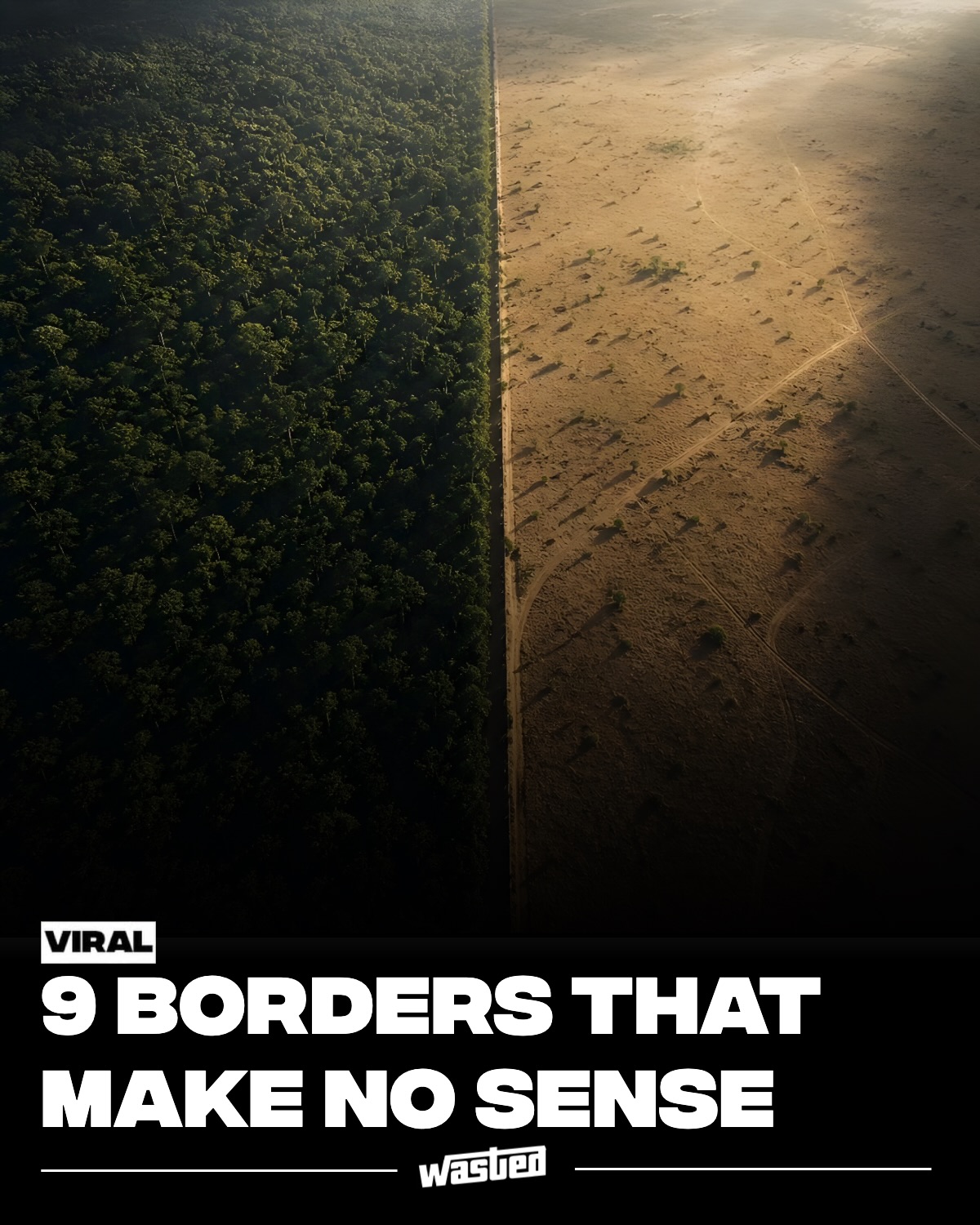
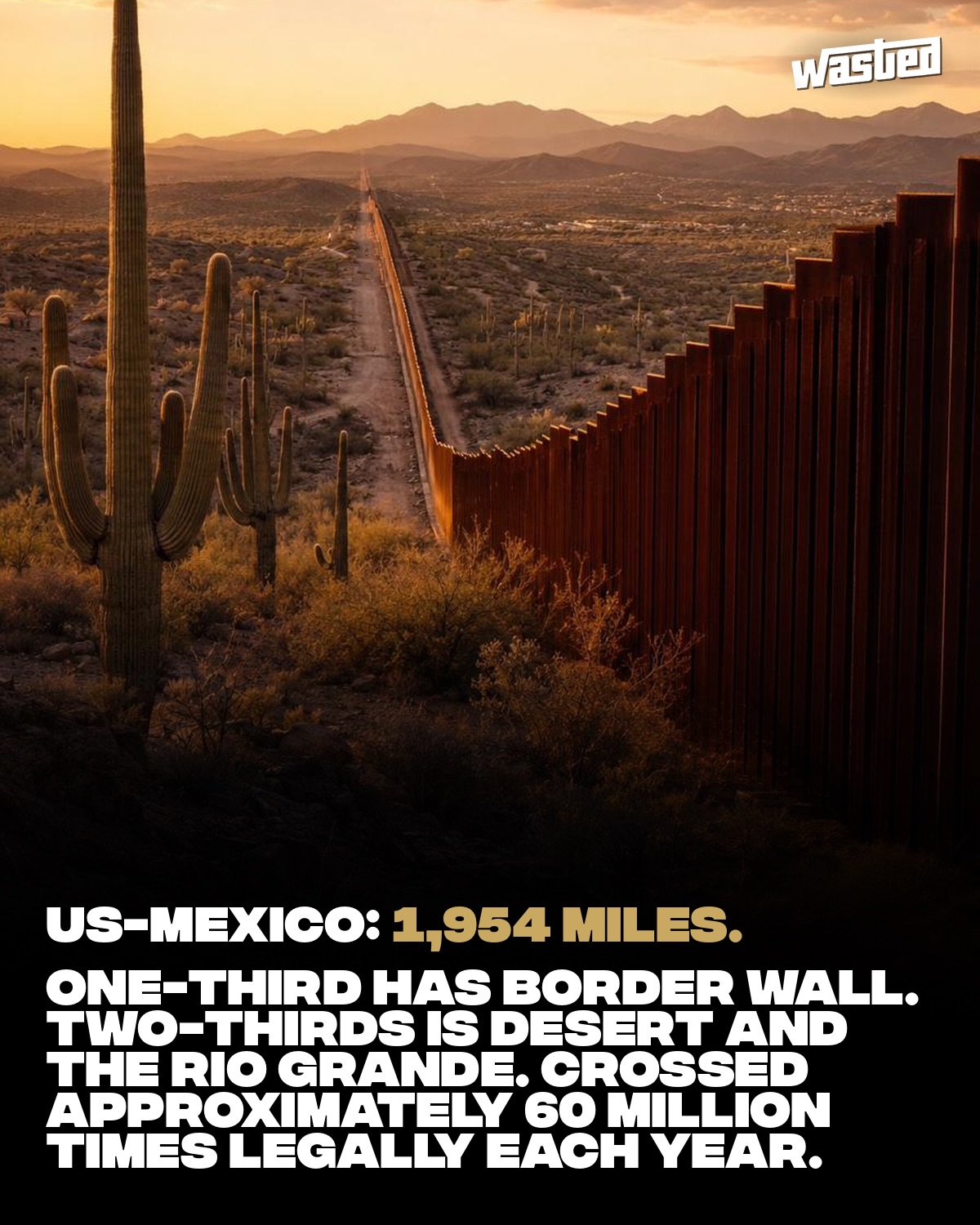
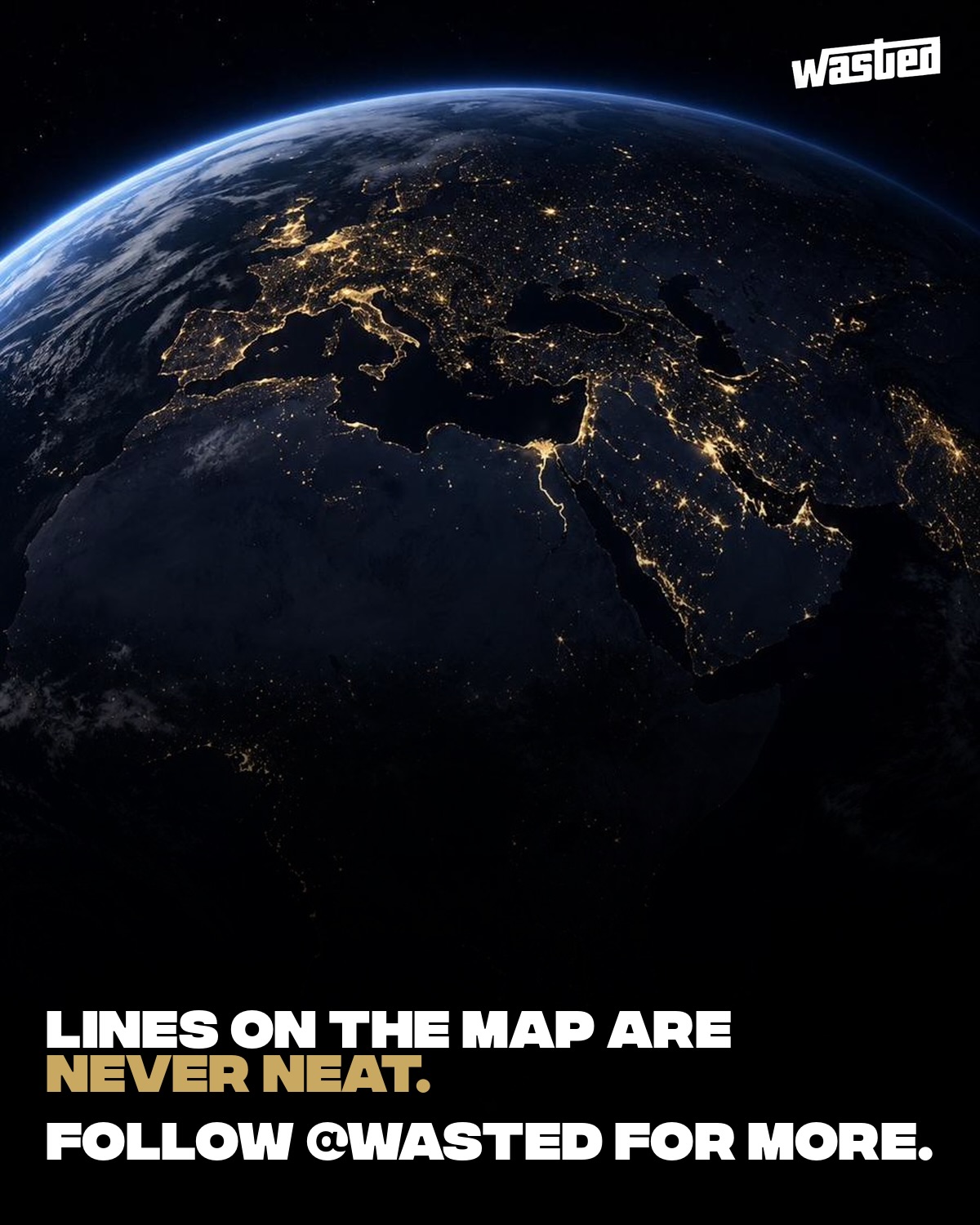
Borders are messier than they look on a map. The border between North and South Korea is the most heavily armed line on Earth, with 2 million troops within 100 kilometers and active landmines stretching across the four-kilometer-wide DMZ. The border between the US and Mexico runs 1,954 miles and is crossed legally 60 million times each year.
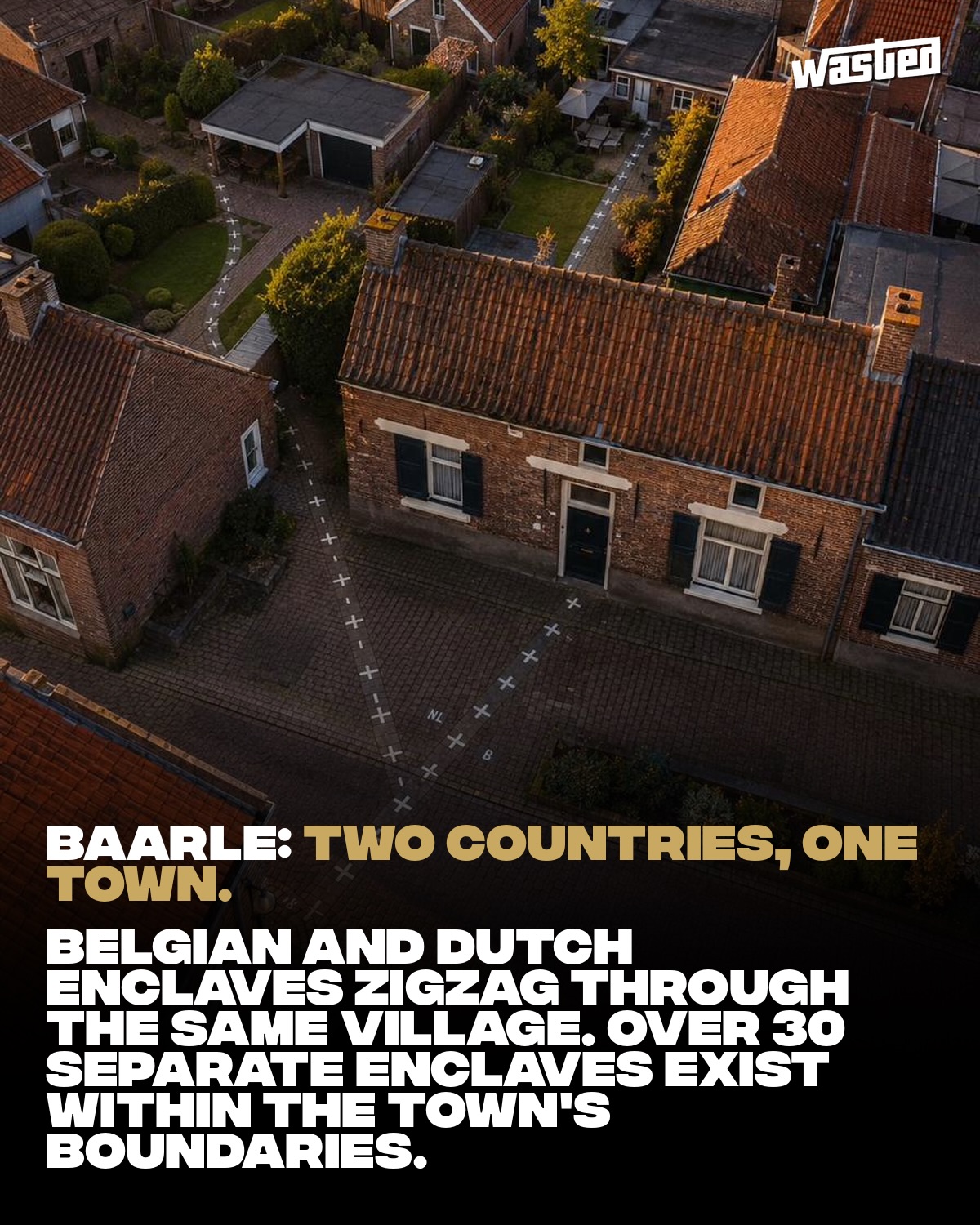
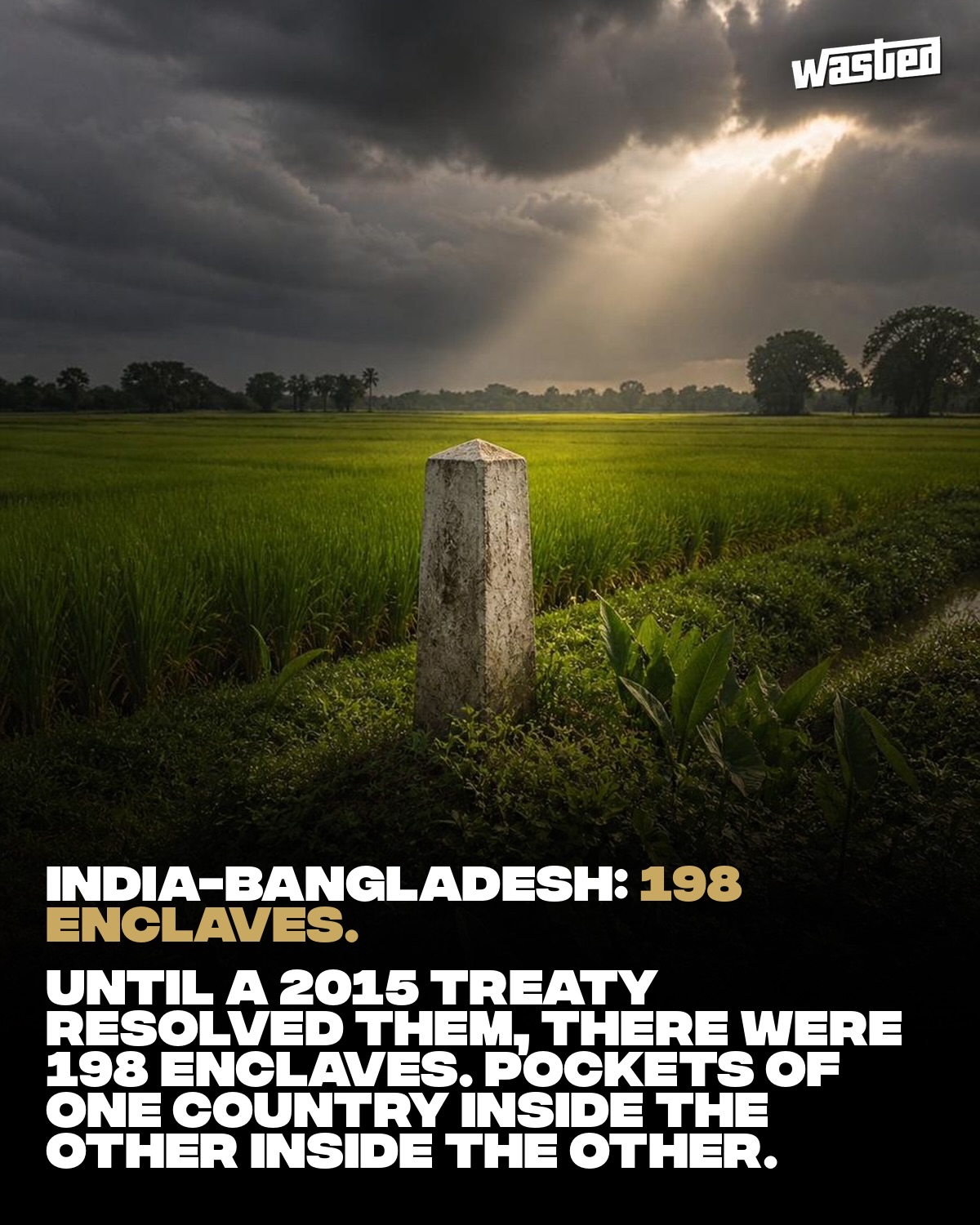
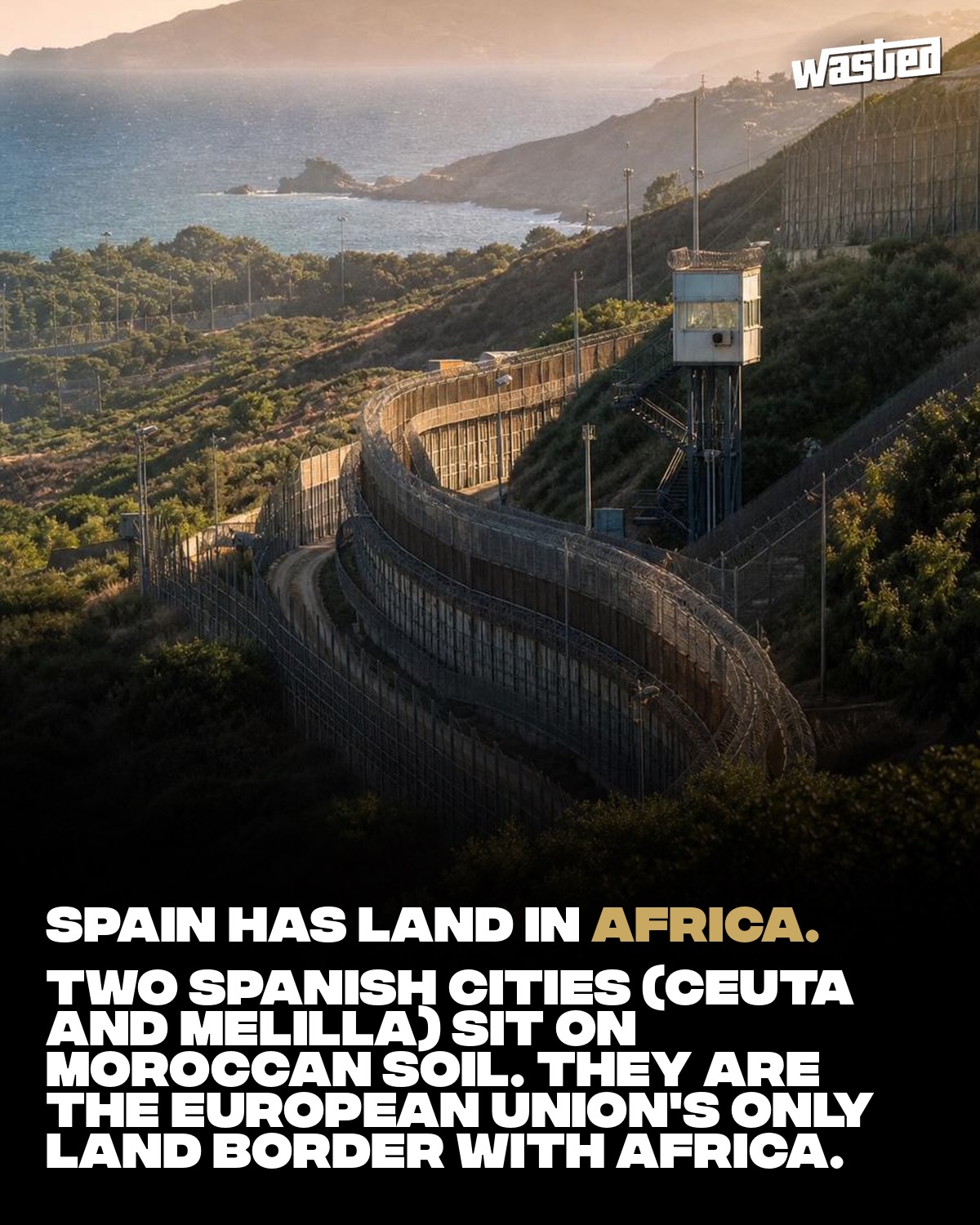
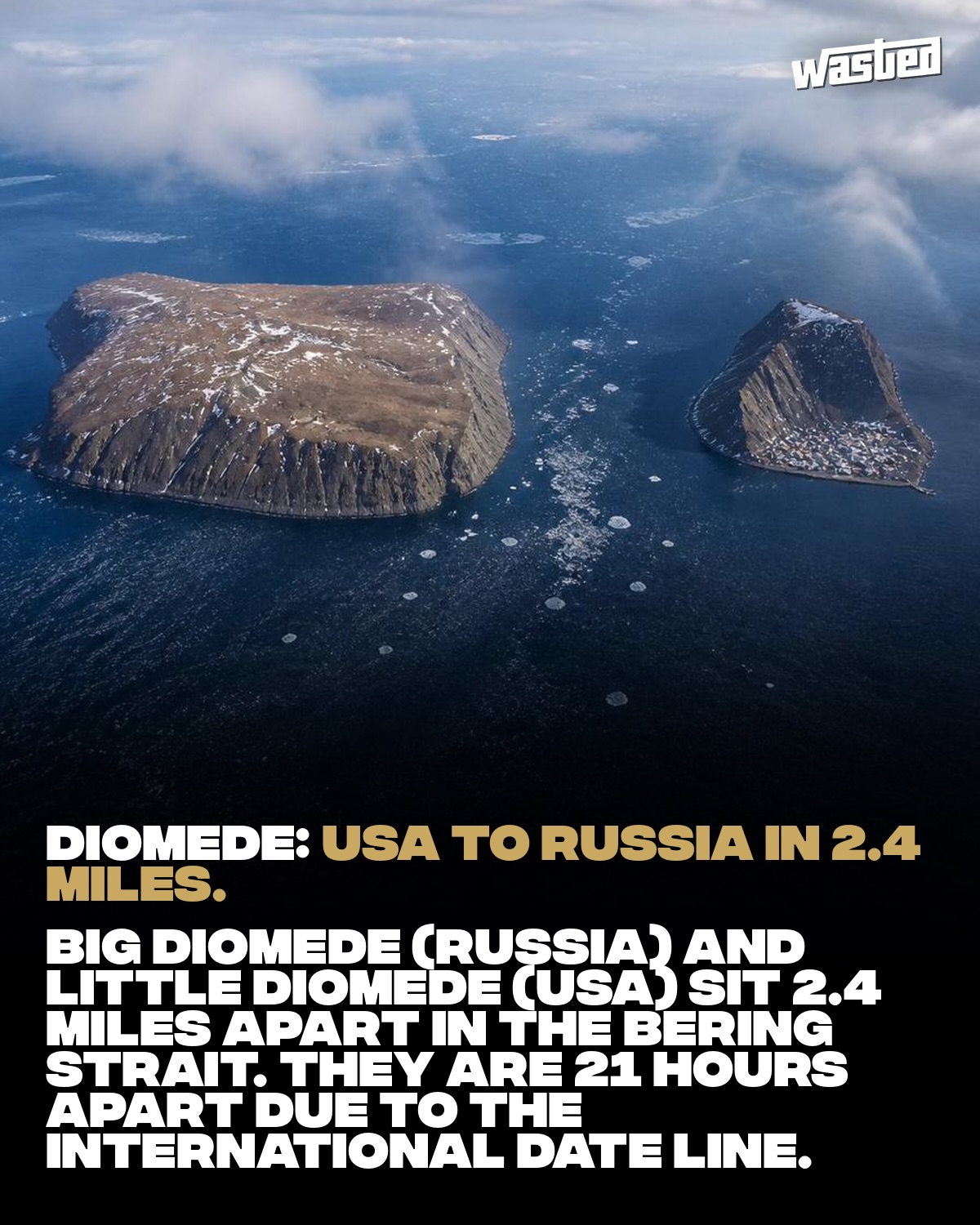
The Belgian-Dutch town of Baarle has 30 separate enclaves inside its boundaries. Until 2015, there were 198 enclaves between India and Bangladesh, pockets of one country inside the other inside the other. Spain operates two cities (Ceuta and Melilla) on the African continent. The US and Russia are separated by 2.4 miles at the Diomede Islands but are 21 hours apart due to the international date line.
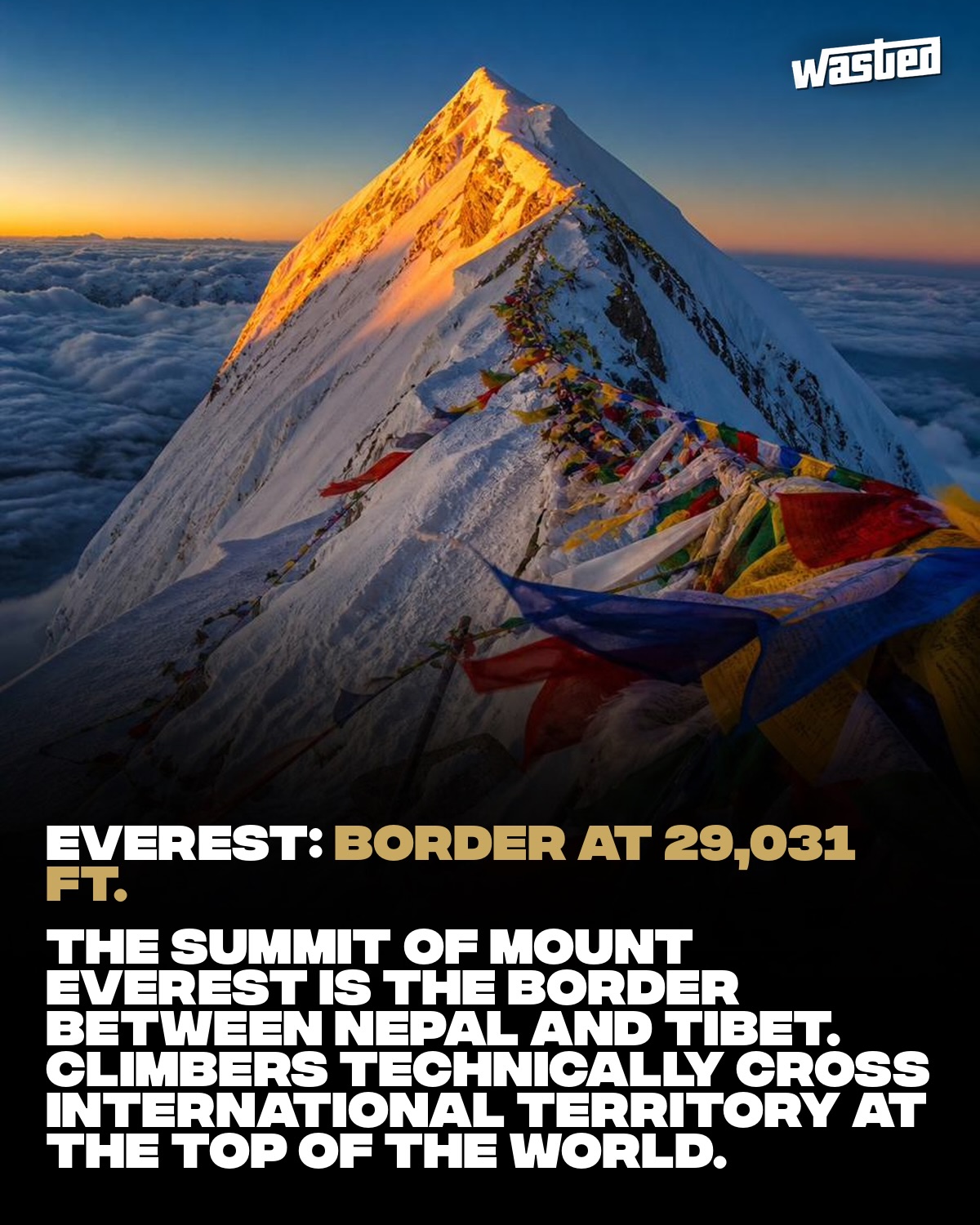
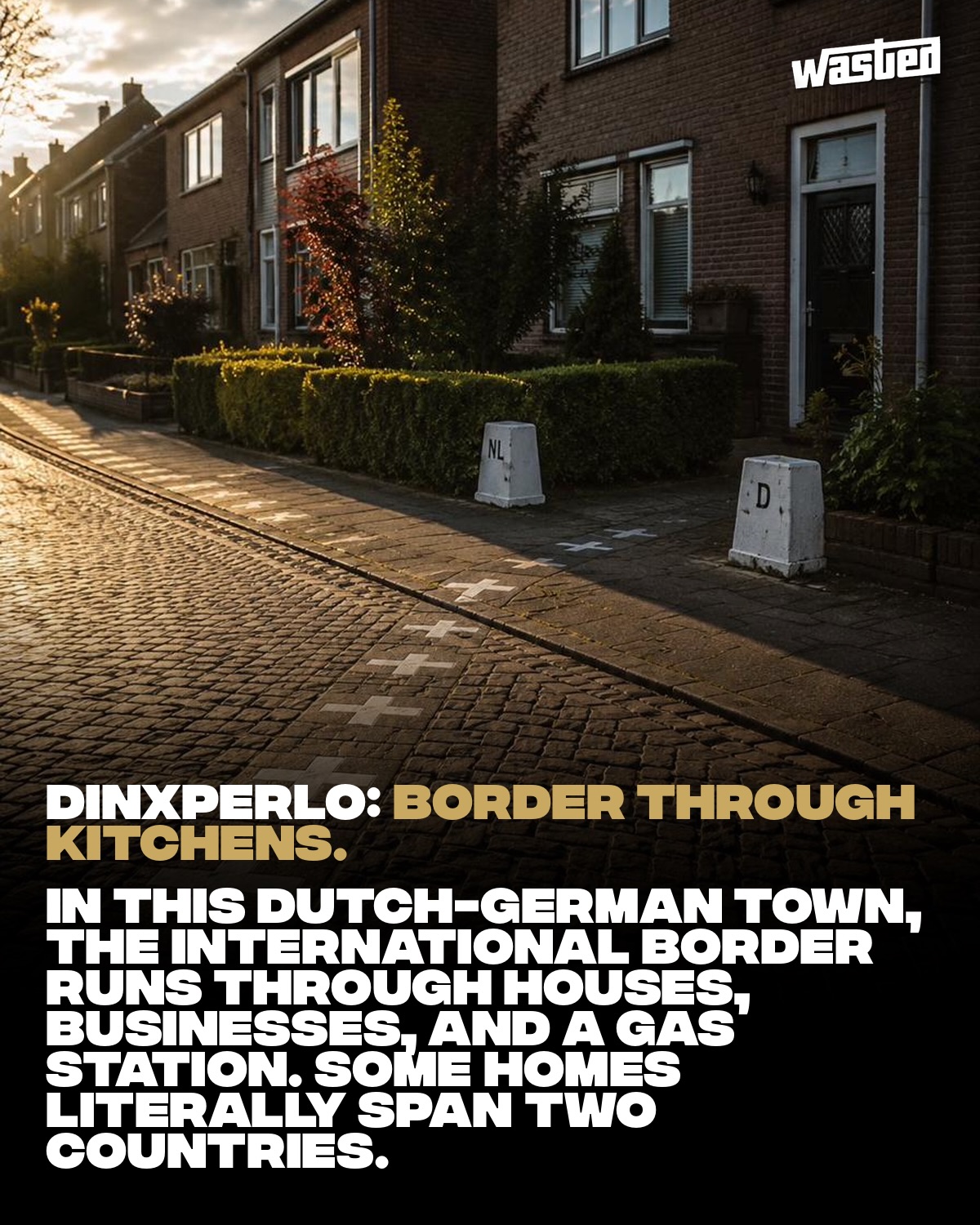
Everest's summit is technically a border crossing. In Dinxperlo, the line runs through people's kitchens. The Angola-Namibia border partly follows a river that hippos use, and border guards on both sides know them by name.
Borders aren't lines. They're stories.
Sources: CIA World Factbook, US-Mexico Border Patrol, Royal Geographical Society, UN Border Database.
Borders are messier than they look on a map. The border between North and South Korea is the most heavily armed line on Earth, with 2 million troops within 100 kilometers and active landmines stretching across the four-kilometer-wide DMZ. The border between the US and Mexico runs 1,954 miles and is crossed legally 60 million times each year.
The Belgian-Dutch town of Baarle has 30 separate enclaves inside its boundaries. Until 2015, there were 198 enclaves between India and Bangladesh, pockets of one country inside the other inside the other. Spain operates two cities (Ceuta and Melilla) on the African continent. The US and Russia are separated by 2.4 miles at the Diomede Islands but are 21 hours apart due to the international date line.
Everest's summit is technically a border crossing. In Dinxperlo, the line runs through people's kitchens. The Angola-Namibia border partly follows a river that hippos use, and border guards on both sides know them by name.
Borders aren't lines. They're stories.
Sources: CIA World Factbook, US-Mexico Border Patrol, Royal Geographical Society, UN Border Database.