TSR Staff Lawrencia! @lawrencia.cg
_____________________________________
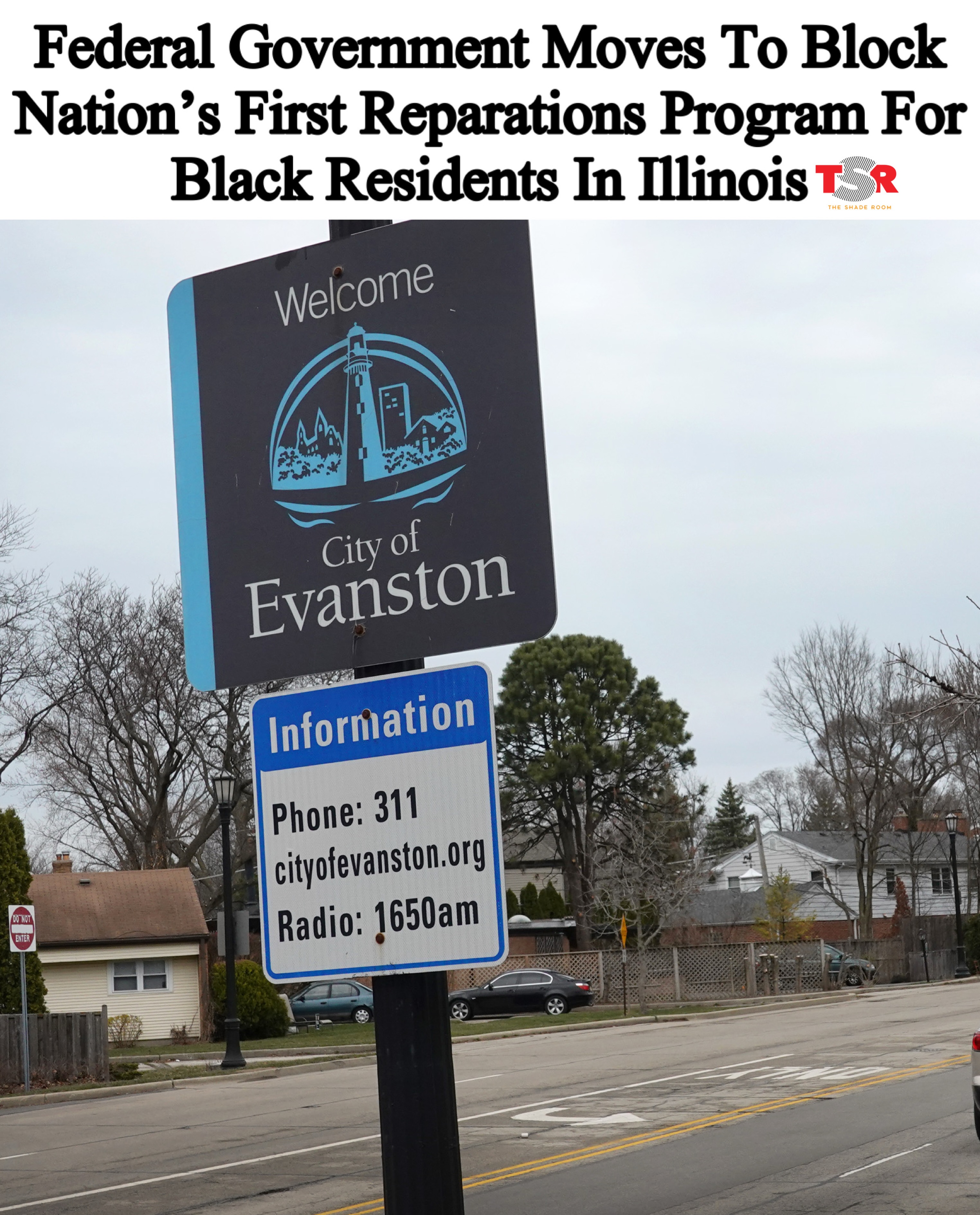
The U.S. Department of Justice is asking a judge to stop Evanston, Illinois’ reparations program, which provides eligible Black residents with $25,000 to address the effects of past housing discrimination.
_____________________________________
Launched in 2021, the program is considered the first reparations initiative of its kind in the United States. It was created for Black residents, and their descendants, who lived in Evanston between 1919 and 1969 and were impacted by discriminatory housing policies.
_____________________________________
According to the city, more than $7 million has already been distributed through the program, funded by tax revenue from legal marijuana sales.
_____________________________________
The Justice Department argues the program is unconstitutional, claiming it violates the Equal Protection Clause by providing benefits based on race. The filing joins an existing lawsuit challenging the program.
_____________________________________
The challenge comes as several states and cities across the country have launched commissions or task forces to study reparations, though none have distributed funds on the same scale as Evanston.
_____________________________________
The lawsuit, originally filed in September 2024 as a class-action civil rights case, was brought by six plaintiffs who do not identify as Black or African American. A central argument in the case, Flinn v. City of Evanston, is that the city does not require Black applicants to prove they personally experienced housing discrimination in order to qualify for benefits. (📸: @gettyimages) ✍🏾: #TSRStaffLG
TSR Staff Lawrencia! @lawrencia.cg
_____________________________________
The U.S. Department of Justice is asking a judge to stop Evanston, Illinois’ reparations program, which provides eligible Black residents with $25,000 to address the effects of past housing discrimination.
_____________________________________
Launched in 2021, the program is considered the first reparations initiative of its kind in the United States. It was created for Black residents, and their descendants, who lived in Evanston between 1919 and 1969 and were impacted by discriminatory housing policies.
_____________________________________
According to the city, more than $7 million has already been distributed through the program, funded by tax revenue from legal marijuana sales.
_____________________________________
The Justice Department argues the program is unconstitutional, claiming it violates the Equal Protection Clause by providing benefits based on race. The filing joins an existing lawsuit challenging the program.
_____________________________________
The challenge comes as several states and cities across the country have launched commissions or task forces to study reparations, though none have distributed funds on the same scale as Evanston.
_____________________________________
The lawsuit, originally filed in September 2024 as a class-action civil rights case, was brought by six plaintiffs who do not identify as Black or African American. A central argument in the case, Flinn v. City of Evanston, is that the city does not require Black applicants to prove they personally experienced housing discrimination in order to qualify for benefits. (📸: @gettyimages) ✍🏾: #TSRStaffLG