Pruf Logo

Post Analytics

elleusa
Jun 28, 2026
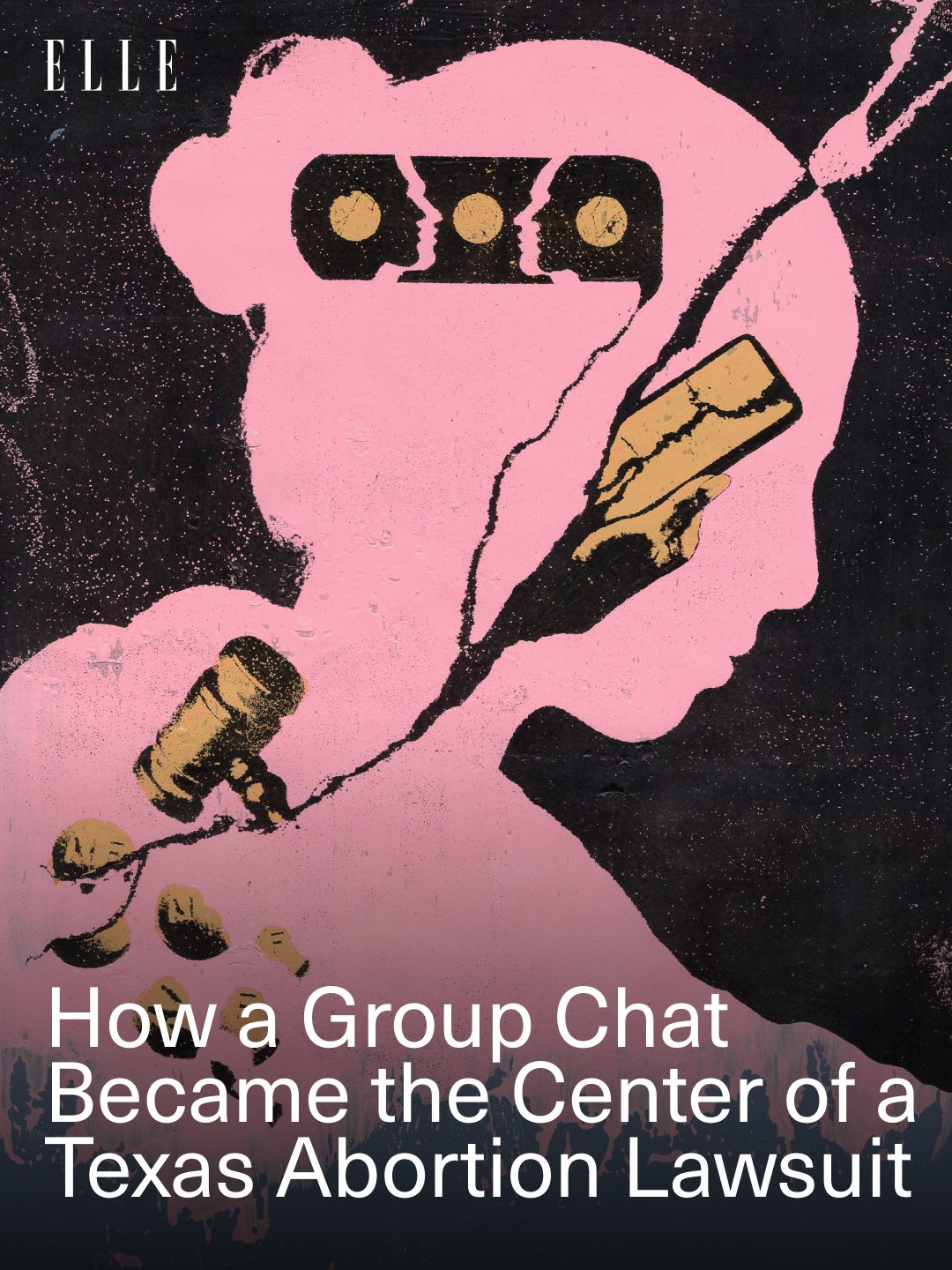
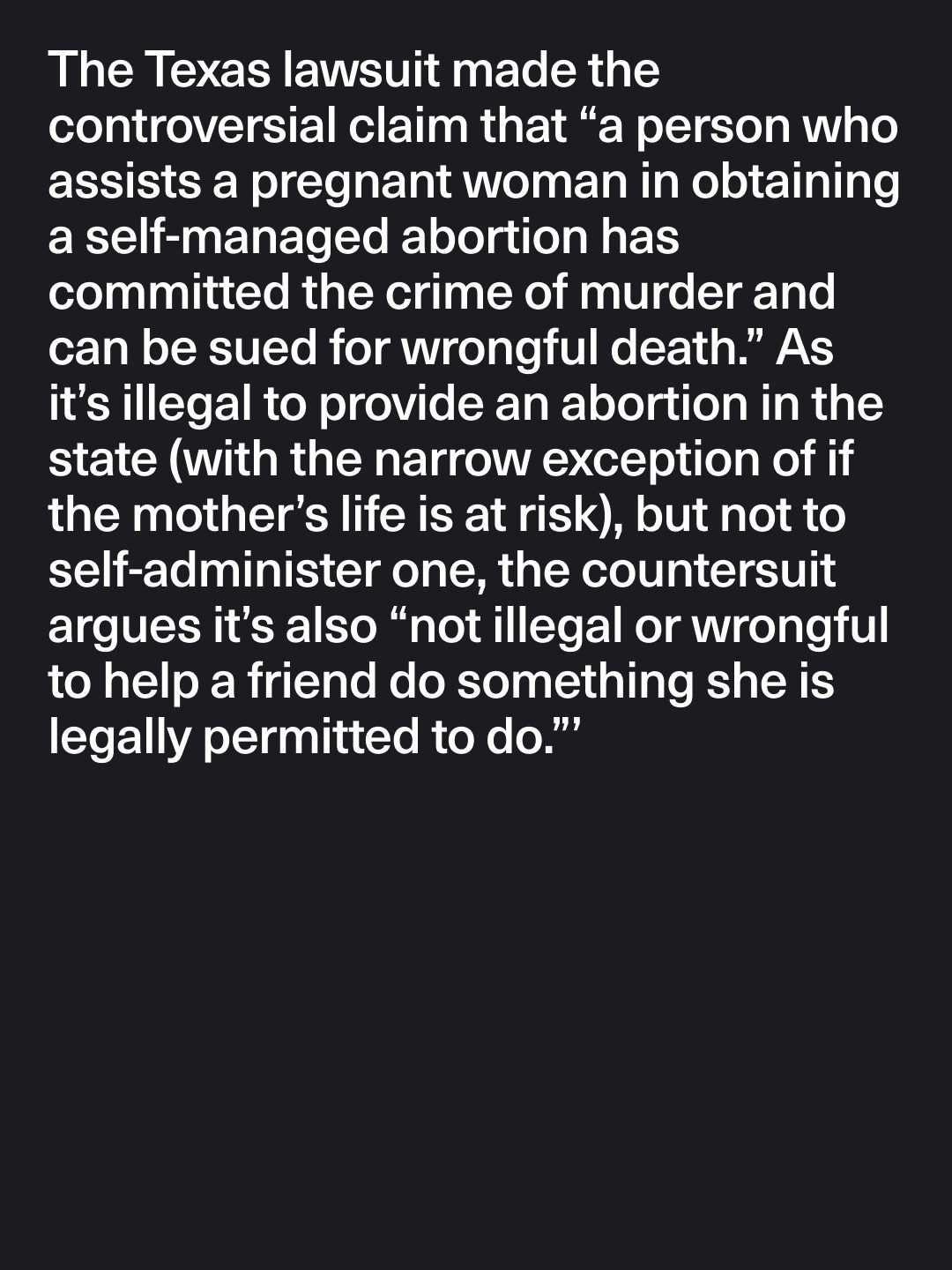
Two months after Jess Silva filed for divorce, she learned she was pregnant. Her friends, part of a group chat called Bebes, rallied around her and tried to help her figure out her options. A month after the divorce was finalized, Jess’s ex-husband filed a wrongful death lawsuit against two of her friends. Using photos taken of exchanges in the Bebes text thread as evidence, he sought $2,000,000 in damages over Jess’s alleged abortion. 
 
Between 2000 and 2020, @ifwhenhow, a nonprofit dedicated to reproductive justice, found 61 cases of individuals “criminally investigated or arrested for allegedly ending their own pregnancy or helping someone else do so.” The risk of sharing information about an abortion is clear: 26 percent of the cases came to the attention of law enforcement because an intimate acquaintance—a friend, parent, or partner—reported the pregnant person to authorities. Many of the cases involved people who’d self-managed their own abortion, usually by ordering pills online, but over a quarter of cases were centered on people investigated or arrested for helping someone else.
 
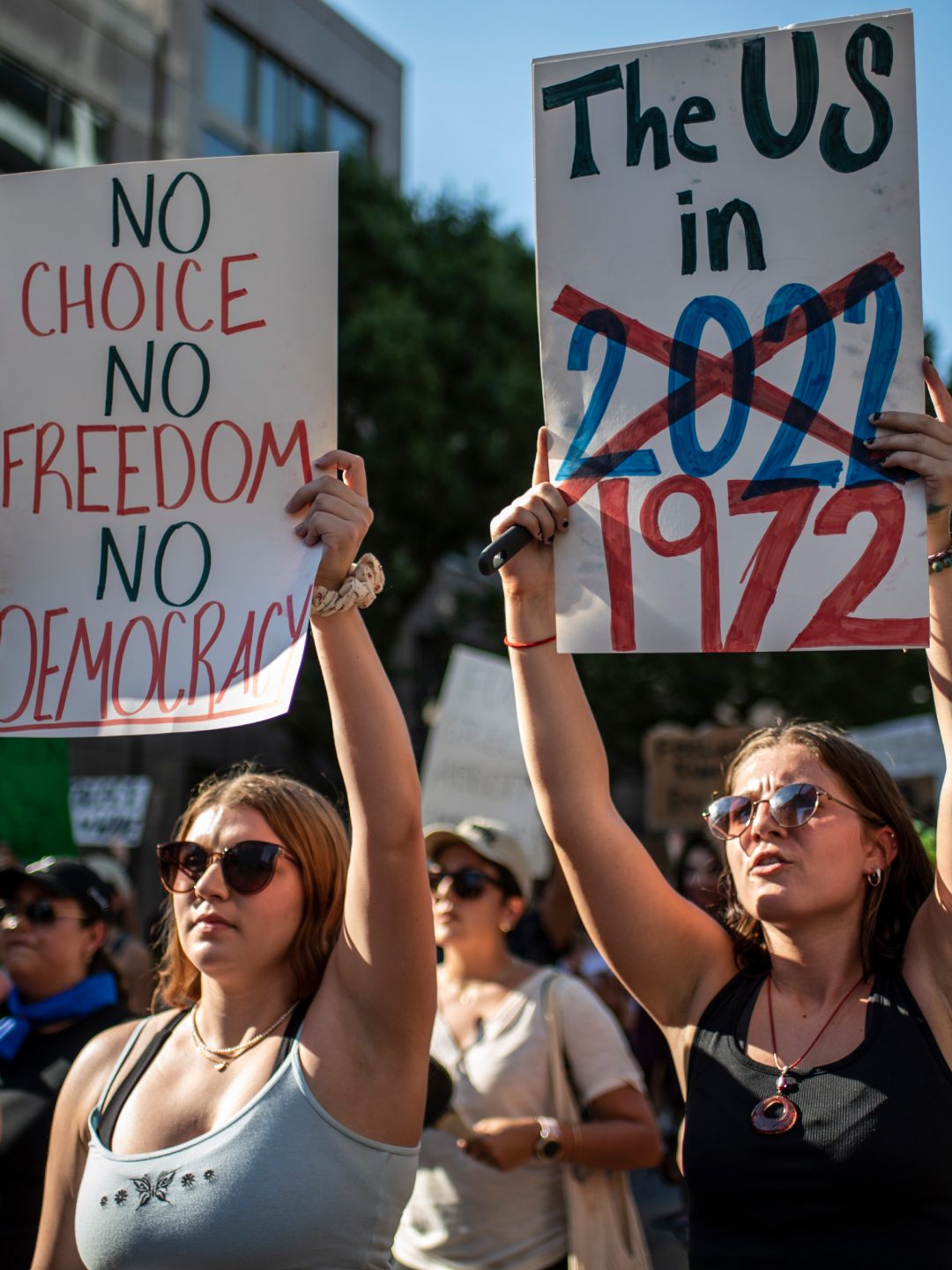
On the fourth anniversary of the Supreme Court decision that ended Roe v. Wade, @reallyalexronan takes a deep dive into the Texas lawsuit that may be a bellwether in the fight over the future of reproductive rights in the U.S.
Two months after Jess Silva filed for divorce, she learned she was pregnant. Her friends, part of a group chat called Bebes, rallied around her and tried to help her figure out her options. A month after the divorce was finalized, Jess’s ex-husband filed a wrongful death lawsuit against two of her friends. Using photos taken of exchanges in the Bebes text thread as evidence, he sought $2,000,000 in damages over Jess’s alleged abortion. 
 
Between 2000 and 2020, @ifwhenhow, a nonprofit dedicated to reproductive justice, found 61 cases of individuals “criminally investigated or arrested for allegedly ending their own pregnancy or helping someone else do so.” The risk of sharing information about an abortion is clear: 26 percent of the cases came to the attention of law enforcement because an intimate acquaintance—a friend, parent, or partner—reported the pregnant person to authorities. Many of the cases involved people who’d self-managed their own abortion, usually by ordering pills online, but over a quarter of cases were centered on people investigated or arrested for helping someone else.
 
On the fourth anniversary of the Supreme Court decision that ended Roe v. Wade, @reallyalexronan takes a deep dive into the Texas lawsuit that may be a bellwether in the fight over the future of reproductive rights in the U.S.
Two months after Jess Silva filed for divorce, she learned she was pregnant. Her friends, part of a group chat called Bebes, rallied around her and tried to help her figure out her options. A month after the divorce was finalized, Jess’s ex-husband filed a wrongful death lawsuit against two of her friends. Using photos taken of exchanges in the Bebes text thread as evidence, he sought $2,000,000 in damages over Jess’s alleged abortion. 
 
Between 2000 and 2020, @ifwhenhow, a nonprofit dedicated to reproductive justice, found 61 cases of individuals “criminally investigated or arrested for allegedly ending their own pregnancy or helping someone else do so.” The risk of sharing information about an abortion is clear: 26 percent of the cases came to the attention of law enforcement because an intimate acquaintance—a friend, parent, or partner—reported the pregnant person to authorities. Many of the cases involved people who’d self-managed their own abortion, usually by ordering pills online, but over a quarter of cases were centered on people investigated or arrested for helping someone else.
 
On the fourth anniversary of the Supreme Court decision that ended Roe v. Wade, @reallyalexronan takes a deep dive into the Texas lawsuit that may be a bellwether in the fight over the future of reproductive rights in the U.S.
Two months after Jess Silva filed for divorce, she learned she was pregnant. Her friends, part of a group chat called Bebes, rallied around her and tried to help her figure out her options. A month after the divorce was finalized, Jess’s ex-husband filed a wrongful death lawsuit against two of her friends. Using photos taken of exchanges in the Bebes text thread as evidence, he sought $2,000,000 in damages over Jess’s alleged abortion. 
 
Between 2000 and 2020, @ifwhenhow, a nonprofit dedicated to reproductive justice, found 61 cases of individuals “criminally investigated or arrested for allegedly ending their own pregnancy or helping someone else do so.” The risk of sharing information about an abortion is clear: 26 percent of the cases came to the attention of law enforcement because an intimate acquaintance—a friend, parent, or partner—reported the pregnant person to authorities. Many of the cases involved people who’d self-managed their own abortion, usually by ordering pills online, but over a quarter of cases were centered on people investigated or arrested for helping someone else.
 
On the fourth anniversary of the Supreme Court decision that ended Roe v. Wade, @reallyalexronan takes a deep dive into the Texas lawsuit that may be a bellwether in the fight over the future of reproductive rights in the U.S.
Two months after Jess Silva filed for divorce, she learned she was pregnant. Her friends, part of a group chat called Bebes, rallied around her and tried to help her figure out her options. A month after the divorce was finalized, Jess’s ex-husband filed a wrongful death lawsuit against two of her friends. Using photos taken of exchanges in the Bebes text thread as evidence, he sought $2,000,000 in damages over Jess’s alleged abortion. 
 
Between 2000 and 2020, @ifwhenhow, a nonprofit dedicated to reproductive justice, found 61 cases of individuals “criminally investigated or arrested for allegedly ending their own pregnancy or helping someone else do so.” The risk of sharing information about an abortion is clear: 26 percent of the cases came to the attention of law enforcement because an intimate acquaintance—a friend, parent, or partner—reported the pregnant person to authorities. Many of the cases involved people who’d self-managed their own abortion, usually by ordering pills online, but over a quarter of cases were centered on people investigated or arrested for helping someone else.
 
On the fourth anniversary of the Supreme Court decision that ended Roe v. Wade, @reallyalexronan takes a deep dive into the Texas lawsuit that may be a bellwether in the fight over the future of reproductive rights in the U.S.
Two months after Jess Silva filed for divorce, she learned she was pregnant. Her friends, part of a group chat called Bebes, rallied around her and tried to help her figure out her options. A month after the divorce was finalized, Jess’s ex-husband filed a wrongful death lawsuit against two of her friends. Using photos taken of exchanges in the Bebes text thread as evidence, he sought $2,000,000 in damages over Jess’s alleged abortion. 
 
Between 2000 and 2020, @ifwhenhow, a nonprofit dedicated to reproductive justice, found 61 cases of individuals “criminally investigated or arrested for allegedly ending their own pregnancy or helping someone else do so.” The risk of sharing information about an abortion is clear: 26 percent of the cases came to the attention of law enforcement because an intimate acquaintance—a friend, parent, or partner—reported the pregnant person to authorities. Many of the cases involved people who’d self-managed their own abortion, usually by ordering pills online, but over a quarter of cases were centered on people investigated or arrested for helping someone else.
 
On the fourth anniversary of the Supreme Court decision that ended Roe v. Wade, @reallyalexronan takes a deep dive into the Texas lawsuit that may be a bellwether in the fight over the future of reproductive rights in the U.S.
Two months after Jess Silva filed for divorce, she learned she was pregnant. Her friends, part of a group chat called Bebes, rallied around her and tried to help her figure out her options. A month after the divorce was finalized, Jess’s ex-husband filed a wrongful death lawsuit against two of her friends. Using photos taken of exchanges in the Bebes text thread as evidence, he sought $2,000,000 in damages over Jess’s alleged abortion. 
 
Between 2000 and 2020, @ifwhenhow, a nonprofit dedicated to reproductive justice, found 61 cases of individuals “criminally investigated or arrested for allegedly ending their own pregnancy or helping someone else do so.” The risk of sharing information about an abortion is clear: 26 percent of the cases came to the attention of law enforcement because an intimate acquaintance—a friend, parent, or partner—reported the pregnant person to authorities. Many of the cases involved people who’d self-managed their own abortion, usually by ordering pills online, but over a quarter of cases were centered on people investigated or arrested for helping someone else.
 
On the fourth anniversary of the Supreme Court decision that ended Roe v. Wade, @reallyalexronan takes a deep dive into the Texas lawsuit that may be a bellwether in the fight over the future of reproductive rights in the U.S.
Two months after Jess Silva filed for divorce, she learned she was pregnant. Her friends, part of a group chat called Bebes, rallied around her and tried to help her figure out her options. A month after the divorce was finalized, Jess’s ex-husband filed a wrongful death lawsuit against two of her friends. Using photos taken of exchanges in the Bebes text thread as evidence, he sought $2,000,000 in damages over Jess’s alleged abortion. 
 
Between 2000 and 2020, @ifwhenhow, a nonprofit dedicated to reproductive justice, found 61 cases of individuals “criminally investigated or arrested for allegedly ending their own pregnancy or helping someone else do so.” The risk of sharing information about an abortion is clear: 26 percent of the cases came to the attention of law enforcement because an intimate acquaintance—a friend, parent, or partner—reported the pregnant person to authorities. Many of the cases involved people who’d self-managed their own abortion, usually by ordering pills online, but over a quarter of cases were centered on people investigated or arrested for helping someone else.
 
On the fourth anniversary of the Supreme Court decision that ended Roe v. Wade, @reallyalexronan takes a deep dive into the Texas lawsuit that may be a bellwether in the fight over the future of reproductive rights in the U.S.
Two months after Jess Silva filed for divorce, she learned she was pregnant. Her friends, part of a group chat called Bebes, rallied around her and tried to help her figure out her options. A month after the divorce was finalized, Jess’s ex-husband filed a wrongful death lawsuit against two of her friends. Using photos taken of exchanges in the Bebes text thread as evidence, he sought $2,000,000 in damages over Jess’s alleged abortion. 
 
Between 2000 and 2020, @ifwhenhow, a nonprofit dedicated to reproductive justice, found 61 cases of individuals “criminally investigated or arrested for allegedly ending their own pregnancy or helping someone else do so.” The risk of sharing information about an abortion is clear: 26 percent of the cases came to the attention of law enforcement because an intimate acquaintance—a friend, parent, or partner—reported the pregnant person to authorities. Many of the cases involved people who’d self-managed their own abortion, usually by ordering pills online, but over a quarter of cases were centered on people investigated or arrested for helping someone else.
 
On the fourth anniversary of the Supreme Court decision that ended Roe v. Wade, @reallyalexronan takes a deep dive into the Texas lawsuit that may be a bellwether in the fight over the future of reproductive rights in the U.S.
12.7K
507
12

Two months after Jess Silva filed for divorce, she learned she was pregnant. Her friends, part of a group chat called Bebes, rallied around her and tried to help her figure out her options. A month after the divorce was finalized, Jess’s ex-husband filed a wrongful death lawsuit against two of her friends. Using photos taken of exchanges in the Bebes text thread as evidence, he sought $2,000,000 in damages over Jess’s alleged abortion. Between 2000 and 2020, @ifwhenhow, a nonprofit dedicated to reproductive justice, found 61 cases of individuals “criminally investigated or arrested for allegedly ending their own pregnancy or helping someone else do so.” The risk of sharing information about an abortion is clear: 26 percent of the cases came to the attention of law enforcement because an intimate acquaintance—a friend, parent, or partner—reported the pregnant person to authorities. Many of the cases involved people who’d self-managed their own abortion, usually by ordering pills online, but over a quarter of cases were centered on people investigated or arrested for helping someone else. On the fourth anniversary of the Supreme Court decision that ended Roe v. Wade, @reallyalexronan takes a deep dive into the Texas lawsuit that may be a bellwether in the fight over the future of reproductive rights in the U.S.


Key Metrics

Impressions
12.7K
Likes
507
Comments
12

Historical Performance

Last refreshed: 1 hour ago