Pruf Logo

Post Analytics

theatlantic
Apr 21, 2026
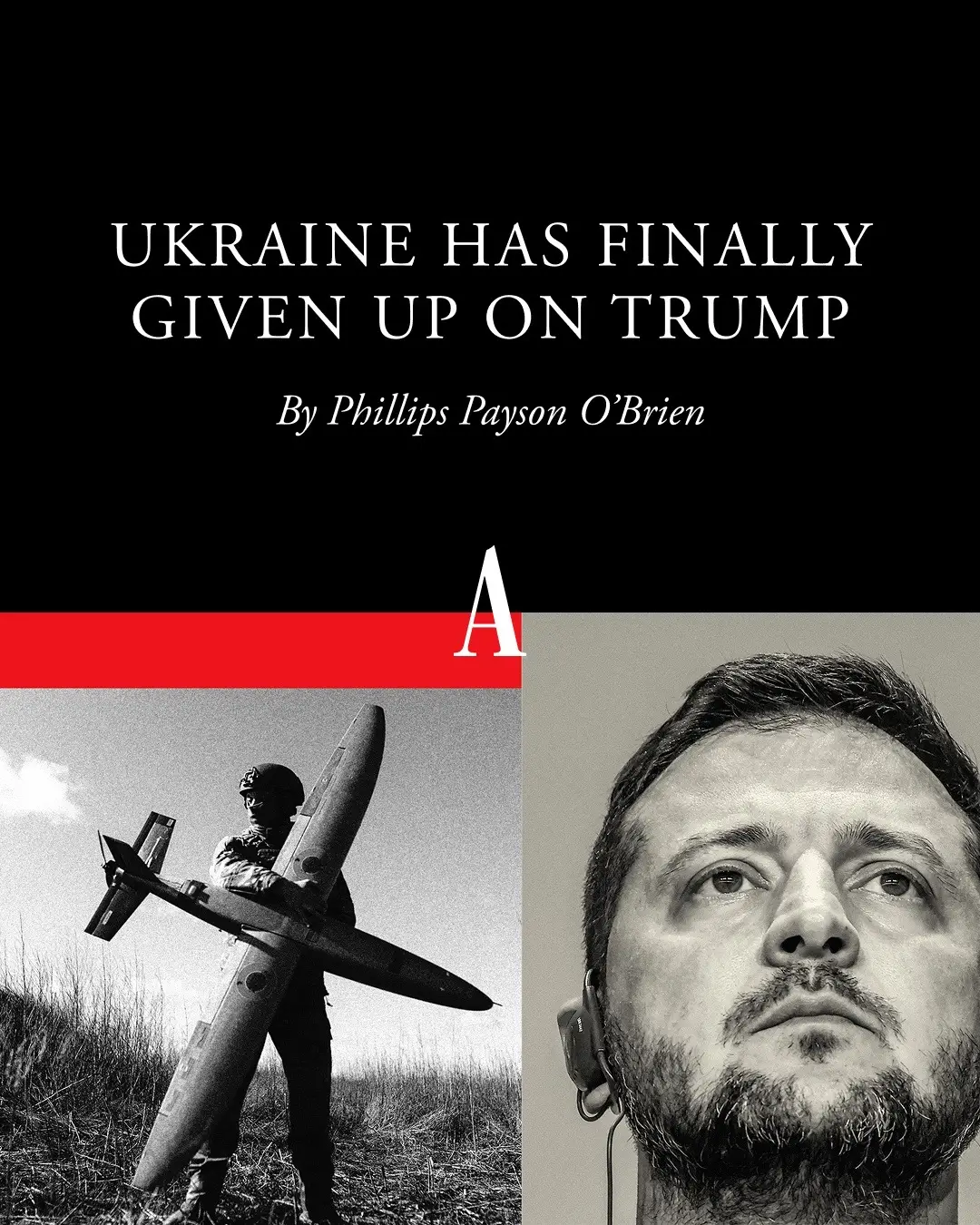
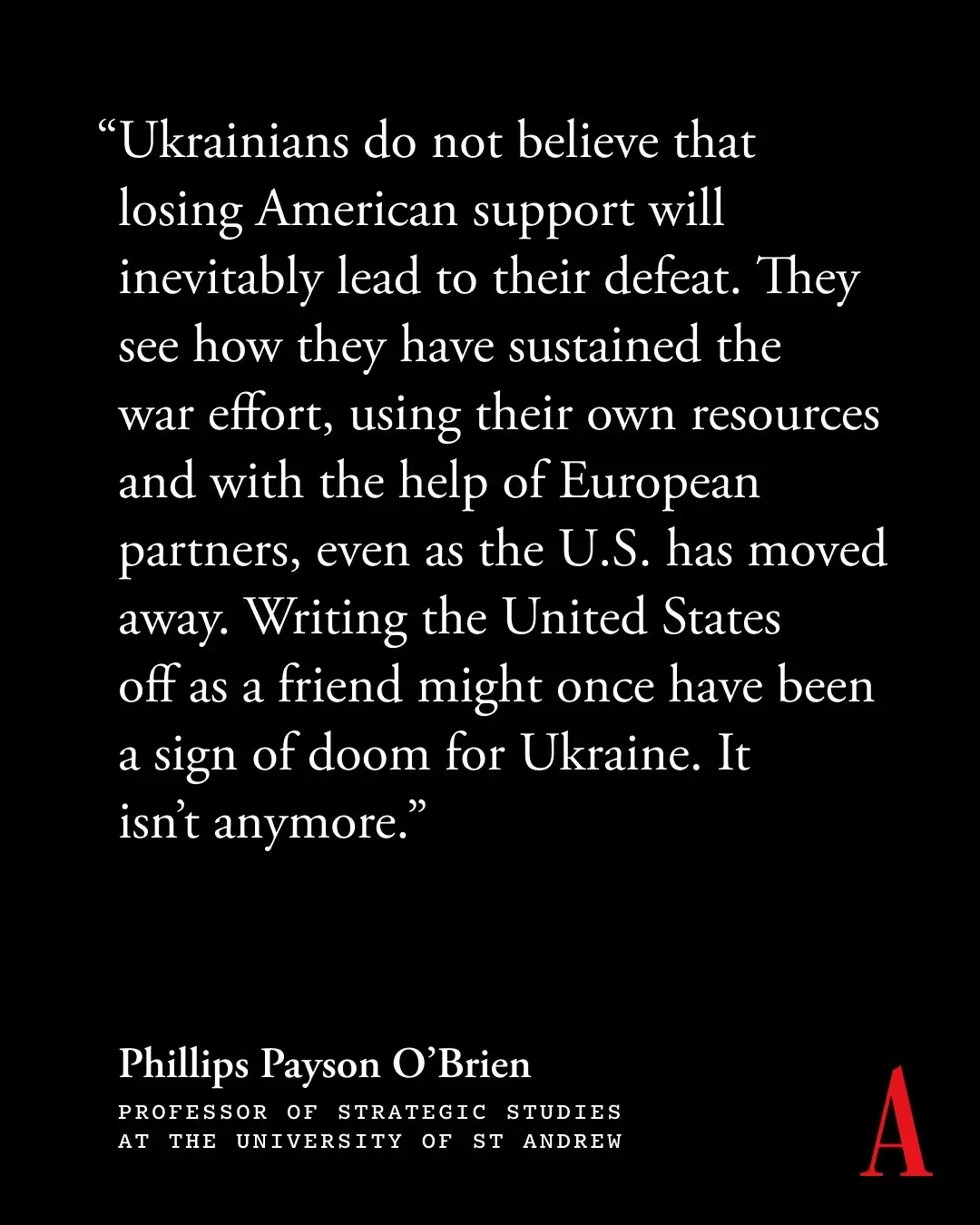
For more than a year after Donald Trump returned to the White House, Ukraine held out hope, at least publicly, of winning him over—but now Kyiv appears to have given up on the United States, Phillips Payson O’Brien argues. In its shift away from U.S.-backed support, Ukraine has begun to aggressively seek new diplomatic and military partners, O’Brien explains, sharing its hard-won expertise in drone warfare with Saudi Arabia, Qatar, and the United Arab Emirates, and has also started forging arms-production agreements with Germany. Ukrainian President Volodymyr Zelensky has publicly “indicated that he no longer views the United States as a reliable ally and, even more astonishingly, that all of Europe needs to start moving on from the transatlantic relationship,” O’Brien writes. With his comments, Zelensky has drawn “a sharp contrast with European leaders who, in the past 15 months, have desperately pretended that the United States remains committed to its traditional allies,” O’Brien argues. For more than a year, U.S. officials and many Western analysts have been fixated on Ukrainian weakness, and Trump has insisted that Ukrainians had “no cards” to play. But Ukraine’s “ability to adapt even without U.S. aid has been startling,” O’Brien argues—and these developments “have persuaded Zelensky and others to speak the truth about America’s tightening alignment with Putin and to warn other European countries about the danger they now face.” Read more at the link in our bio. 🎨: The Atlantic. Sources: Nikoletta Stoyanova / Getty; Beata Zawrzel / Getty.
29.8K
1.08K
118

For more than a year after Donald Trump returned to the White House, Ukraine held out hope, at least publicly, of winning him over—but now Kyiv appears to have given up on the United States, Phillips Payson O’Brien argues. In its shift away from U.S.-backed support, Ukraine has begun to aggressively seek new diplomatic and military partners, O’Brien explains, sharing its hard-won expertise in drone warfare with Saudi Arabia, Qatar, and the United Arab Emirates, and has also started forging arms-production agreements with Germany. Ukrainian President Volodymyr Zelensky has publicly “indicated that he no longer views the United States as a reliable ally and, even more astonishingly, that all of Europe needs to start moving on from the transatlantic relationship,” O’Brien writes. With his comments, Zelensky has drawn “a sharp contrast with European leaders who, in the past 15 months, have desperately pretended that the United States remains committed to its traditional allies,” O’Brien argues. For more than a year, U.S. officials and many Western analysts have been fixated on Ukrainian weakness, and Trump has insisted that Ukrainians had “no cards” to play. But Ukraine’s “ability to adapt even without U.S. aid has been startling,” O’Brien argues—and these developments “have persuaded Zelensky and others to speak the truth about America’s tightening alignment with Putin and to warn other European countries about the danger they now face.” Read more at the link in our bio. 🎨: The Atlantic. Sources: Nikoletta Stoyanova / Getty; Beata Zawrzel / Getty.


Key Metrics

Plays
29.8K
Likes
1.08K
Comments
118
Engagement
4.01%
Shares
13
Saves
53

Historical Performance

Last refreshed: 1 hour ago