
Post Analytics

theatlantic
Feb 15, 2026
8.76K
414
29
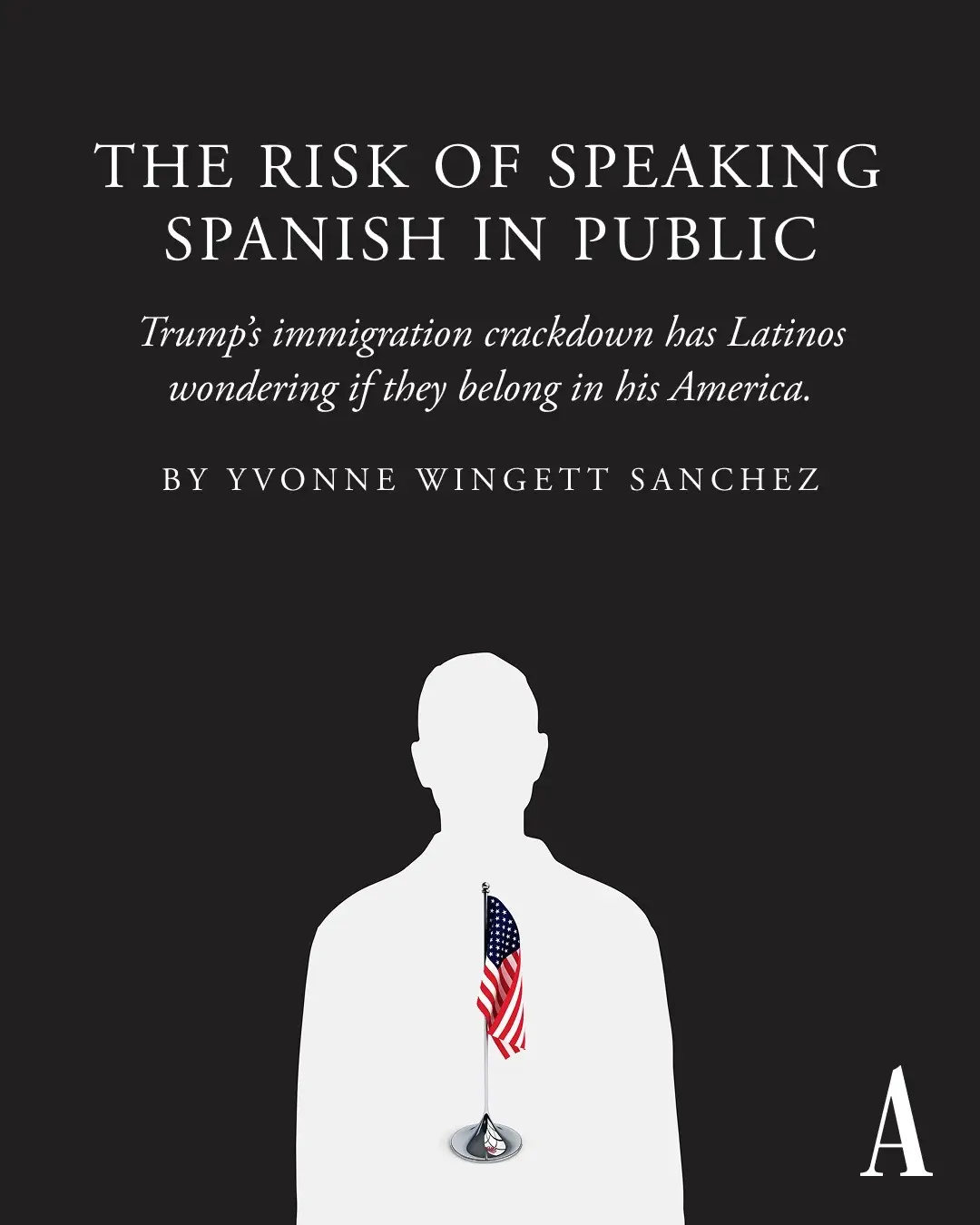
President Trump’s immigration crackdown has American-born Latinos wondering if they belong in his America, Yvonne Wingett Sanchez writes. Wingett Sanchez spoke with people who “are scared of being detained or mistakenly deported, and are contending with their identity and place in a country whose highest court has given permission to agents to use a person’s race, ethnicity, or accent as a factor in immigration stops.” The U.S.-born Latinos Wingett Sanchez talked to said they are changing their habits: “They carry photos of their birth certificate or passport and have saved lawyers’ numbers in their phones,” she writes. “School administrators are preparing for immigration-enforcement operations at pickup and drop-off. One woman told me that her son came home from school upset because he had a Spanish first name.” Many are offended that their legal status and their patriotism could be questioned. The alienation that message creates could have political impacts, and could “threaten gains made by Trump and the Republican Party among Latino voters, who helped return him to the White House,” Wingett Sanchez writes. “Latino voters—like most people—want to feel like they are getting ahead economically, but recent polling shows that they feel like Trump and Republicans haven’t kept their promises to lower prices.” Republicans who don’t distance themselves from Trump’s immigration policies could face electoral defeats, Wingett Sanchez writes. “When people feel betrayed or feel abandoned,” Richard Herrera, a professor emeritus of political science at Arizona State University, told Wingett Sanchez, “they’re more likely to look for alternatives.” 🎨: Ben Kothe / The Atlantic
President Trump’s immigration crackdown has American-born Latinos wondering if they belong in his America, Yvonne Wingett Sanchez writes. Wingett Sanchez spoke with people who “are scared of being detained or mistakenly deported, and are contending with their identity and place in a country whose highest court has given permission to agents to use a person’s race, ethnicity, or accent as a factor in immigration stops.” The U.S.-born Latinos Wingett Sanchez talked to said they are changing their habits: “They carry photos of their birth certificate or passport and have saved lawyers’ numbers in their phones,” she writes. “School administrators are preparing for immigration-enforcement operations at pickup and drop-off. One woman told me that her son came home from school upset because he had a Spanish first name.” Many are offended that their legal status and their patriotism could be questioned. The alienation that message creates could have political impacts, and could “threaten gains made by Trump and the Republican Party among Latino voters, who helped return him to the White House,” Wingett Sanchez writes. “Latino voters—like most people—want to feel like they are getting ahead economically, but recent polling shows that they feel like Trump and Republicans haven’t kept their promises to lower prices.” Republicans who don’t distance themselves from Trump’s immigration policies could face electoral defeats, Wingett Sanchez writes. “When people feel betrayed or feel abandoned,” Richard Herrera, a professor emeritus of political science at Arizona State University, told Wingett Sanchez, “they’re more likely to look for alternatives.” 🎨: Ben Kothe / The Atlantic
Key Metrics
Plays
8.76K
Likes
414
Comments
29
Engagement
5.06%
Historical Performance
Plays
Hourly
Last refreshed: 39 minutes ago